






Pevnost Olomouc Fortress
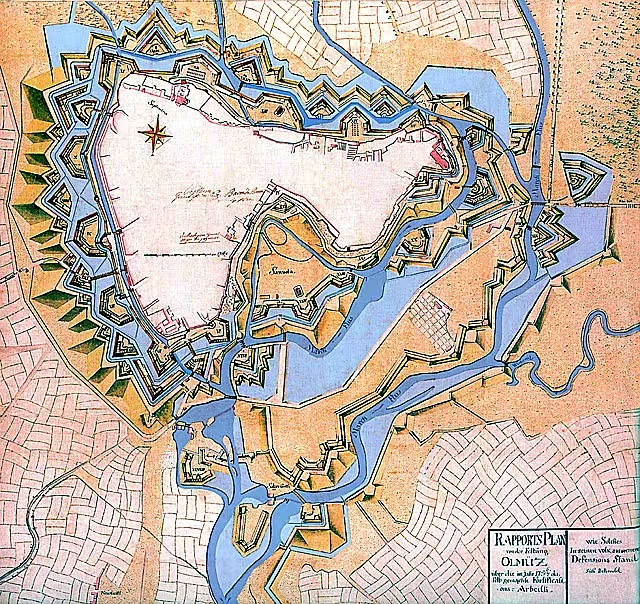
Objekt se nedochoval — na místě dnes nestojí. Následující text popisuje jeho historii, ne současnou návštěvu.
Pevnost Olomouc stands as a testament to the evolution of military architecture in the Czech Republic, transforming from medieval origins into an 18th-century bastion fortress. Located in Olomouc, this significant fortification began developing around an 11th-century castle and was declared a fortress by Emperor Ferdinand III in 1655. Its strategic importance is highlighted by its role during various European conflicts, including the Thirty Years' War and the Napoleonic Wars, until it was decommissioned in 1886.
The origins of Pevnost Olomouc trace back to the medieval period when a new castle with fortifications emerged in the 11th century. By the late 13th century, Olomouc had developed into a fully fortified city with stone walls. The fortress's expansion continued through the 17th century following Swedish occupation during the Thirty Years' War, which led to significant repairs and new constructions enhancing its defenses.
Architecturally, Pevnost Olomouc underwent substantial transformation in the 18th century under Empress Maria Theresa's directive in 1742. By 1757, it had evolved into a modern bastion fortress characterized by redoubts and crownworks, following French military engineering principles. This comprehensive system was designed to fortify the city against potential threats, reflecting its strategic importance on the European stage.
Throughout its history, Pevnost Olomouc saw various notable figures associated with its administration and defense. Locatello de Locatelli served as its first fortress commander, overseeing its development into a formidable military structure. The fortress also hosted significant historical figures such as General Lafayette during the Napoleonic Wars and Marshal Suvorov.
Key events in Pevnost Olomouc's history include its declaration as a fortress by Emperor Ferdinand III in 1655 and the unsuccessful Prussian siege in 1758 during the Seven Years' War. Despite anticipations, a Prussian assault did not occur during the Austro-Prussian War in 1866. The fortress's military significance waned over time, culminating in its decommissioning in 1886.
Today, Pevnost Olomouc no longer serves as a military fortification but remains an important historical site. Its rich history and architectural evolution make it a compelling destination for visitors interested in the Czech Republic's military heritage. Exploring this monument offers insights into Olomouc's strategic importance throughout European conflicts and its transformation over centuries.
Then and now
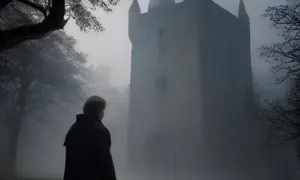
Drag the slider to compare how the landmark may have looked when it was built with the view today.
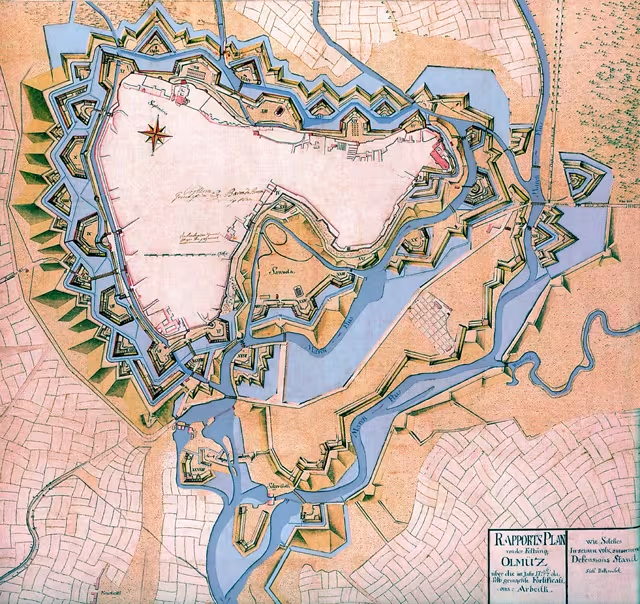
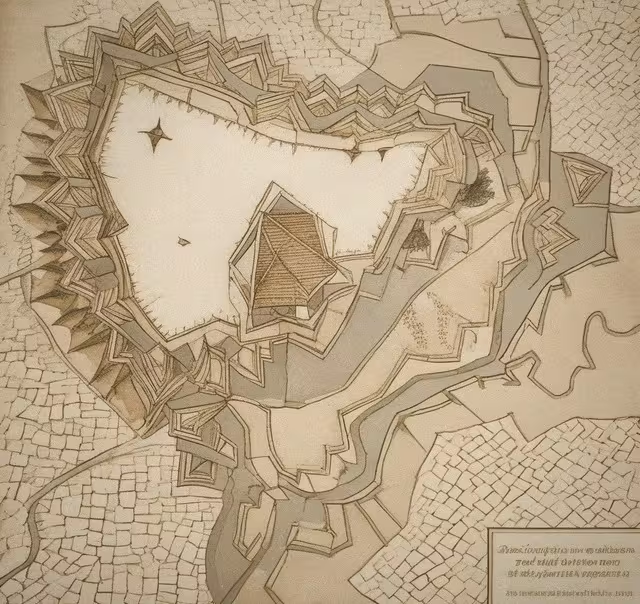
The historical appearance on the left is an AI-generated visualisation and serves as inspiration only.
Historical milestones
- 1655
- Olomouc declared a fortress by Emperor Ferdinand III.
- 1758
- Prussian siege of Olomouc during the Seven Years' War.
- 1866
- Anticipated but unrealized Prussian assault during the Austro-Prussian War.
- 1886
- Decommissioning and subsequent demolition of the fortress.
Architectural development
The fortification of Olomouc began in the medieval period, with significant expansions in the 17th century following Swedish occupation. The 18th century saw its transformation into a modern bastion fortress under French military engineering principles. This included the construction of redoubts and crownworks, culminating in a comprehensive system by 1757.
Historical events
1655: Olomouc declared a fortress by Emperor Ferdinand III.
1758: Prussian siege of Olomouc during the Seven Years' War.
1866: Anticipated but unrealized Prussian assault during the Austro-Prussian War.
1886: Decommissioning and subsequent demolition of the fortress.
Points of interest
– The fortress's transformation into a bastion structure was influenced by French military engineering principles, showcasing an international exchange of defensive strategies during the 18th century.
– General Lafayette, known for his role in the American Revolutionary War, spent time at Pevnost Olomouc during the Napoleonic Wars, highlighting its strategic importance even to foreign dignitaries involved in European conflicts.
– Despite being declared a fortress by Emperor Ferdinand III in 1655, Pevnost Olomouc withstood an unsuccessful Prussian siege in 1758, demonstrating its formidable defenses and strategic significance during the Seven Years' War.
– The fortress's decommissioning in 1886 marked the end of its military use, yet it remains a testament to evolving military architecture from medieval times through the era of modern fortifications.
– Marshal Suvorov, a prominent Russian general known for his victories against Napoleon, is one of the notable historical figures associated with Pevnost Olomouc, reflecting its connections to broader European military history.
Guide
This guide is narrated by a synthetic voice generated by artificial intelligence.
Show guide text
This text was created by artificial intelligence and has not been editorially reviewed. It may contain inaccuracies.
Welcome to the historic site of Pevnost Olomouc! You're now standing before what was once a formidable bastion fortress in the heart of Olomouc. Imagine yourself transported back through time as you explore this significant military structure, which has evolved from its medieval origins into an 18th-century modern fortress. As you look around, notice how the remnants of its grandeur still echo the strategic importance it held over centuries.
The story of Pevnost Olomouc begins in the 11th century with a castle that laid the foundation for what would become a fully fortified bastion structure by the mid-18th century. It was Emperor Ferdinand III who declared Olomouc a fortress in 1655, recognizing its strategic importance. The transformation into a bastion fortification was directed under Empress Maria Theresa's reign, reflecting the influence of French military engineering principles and showcasing an international exchange of defensive strategies during that era.
As you take in your surroundings, notice how the architecture speaks volumes about its historical significance. Though much has changed since then, the layout reveals the strategic planning involved. The fortress was designed to withstand sieges, as evidenced by the Prussian siege during the Seven Years' War in 1758. While the anticipated assault during the Austro-Prussian War in 1866 never materialized, the fortress stood ready for conflict until its decommissioning and subsequent demolition in 1886.
Several key figures played pivotal roles in shaping Pevnost Olomouc's history. Ferdinand III initiated its status as a fortress, while Empress Maria Theresa was instrumental in its transformation into a bastion fortification. The strategic mind of General Wilhelm Lenka z Wolfsberku also left an indelible mark on the site.
An intriguing tidbit about this place is that General Lafayette, renowned for his role in the American Revolutionary War, spent time here. His presence highlights the international connections and significance of Pevnost Olomouc during turbulent times in European history.
As you continue your exploration, let yourself be drawn into the stories etched into every corner of this site. The fusion of military strategy and architectural innovation makes Pevnost Olomouc a fascinating chapter in the annals of history.
Thank you for joining us on this journey through time at Pevnost Olomouc. We invite you to delve deeper into its rich past and uncover more layers of its storied legacy. Enjoy your visit, and may it inspire a greater appreciation for the historical tapestry that surrounds us.
Businesses nearby
Do you run a restaurant, accommodation, shop, museum, rental, wellness or other visitor service near this monument? Show yourself directly to the people heading to it — this is how they will see you in the app and on the web:
Visualizations and artistic views


The visualisations are generated by artificial intelligence and serve as inspiration.
Photos from the area
Real photos taken near the monument


Zdroj a licence jsou uvedeny u každého snímku.
Tips from visitors
No tips yet. Be the first!
Log in and add your tip.
Sources and literature
Photos: neuveden / Public domain — Wikimedia Commons. The author and licence also appear when you hover over the image.
Faktickým podkladem tohoto textu byl článek na Wikipedii, jehož autory jsou přispěvatelé Wikipedie. Článek je dostupný pod licencí CC BY-SA 4.0.
Location on the map

Příběhy a pověsti
Legendy, pověsti a příběhy spjaté s touto památkou
Fotografie návštěvníků
Zatím žádné fotografie. Buďte první, kdo přidá fotografii z návštěvy!
Log in a přidejte svou fotografii nebo hodnoťte.
Za ověřenou návštěvu v aplikaci získáte víc bodů — poznáme podle GPS, že jste na místě.
Reviews and comments