



Kaiserruhe Motte
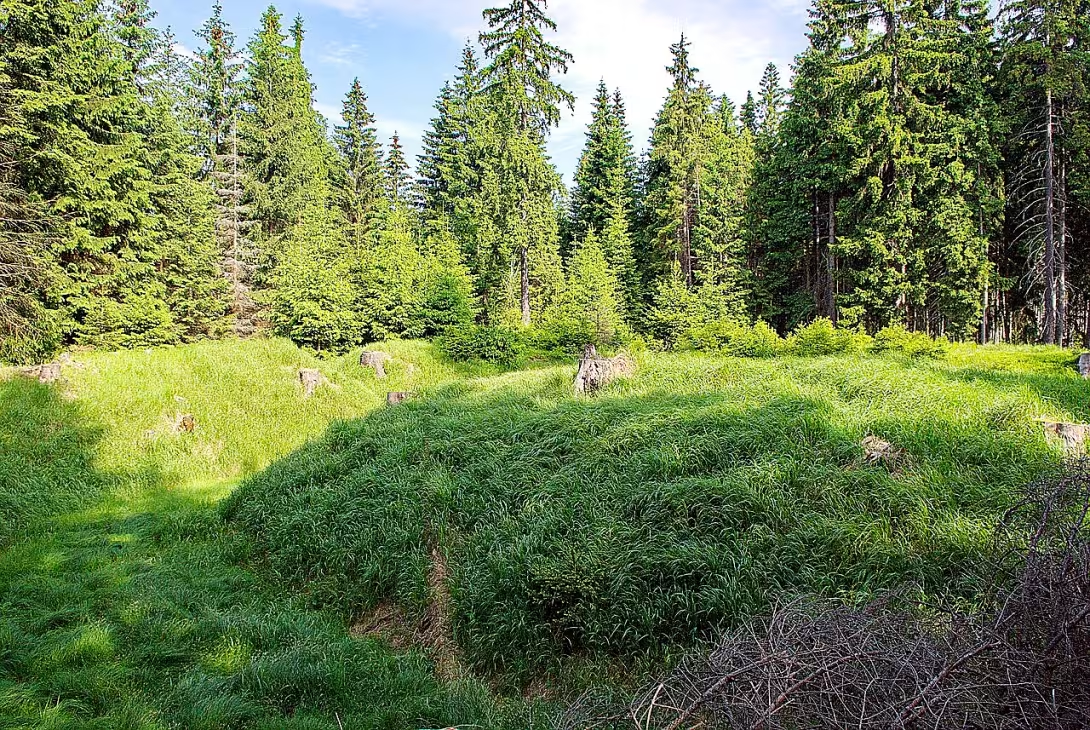
Kaiserruhe, also known as Nimrod Fortress, is a defunct wooden fortress located in CHKO Slavkov Forest near Mariánské Lázna. This historical monument dates from the end of the 13th until the beginning of the 14th century, making it an interesting location with a rich archaeological background. It is an excellent example of medieval fortifications and provides insight into the life and strategies of the then inhabitants.
The history of the fortress dates back to the era of the Přemyslálové government, which characterized the development of the Earth's paths and fortifications. The Kaiserruhe Castle was listed as a cultural landmark in 1987, but its discovery happened in 1976 by accident with Bohumil Broukal and his friends. Archaeological research carried out in 1995 confirmed the existence of wooden fortification with furnace and cellar from the time of Václav II.
The architecture of the fort was simple but effective: it stood on a hill of 12 metres in diameter surrounded by a circular wave and a moat. The construction had wooden fossils like the walls of the basement space, which were found in the upper layers during excavation. In the centre of the fort there was a furnace with a stone arch, which suggests its function as a resting place or supply. The moat around the fort was originally powered by water from the pond on the east side, which provided additional protection.
The fortress Kaiserruhe probably served as a resting place for the royal squad when traveling through the earth path. There's a theory that she might have been part of the Grid Customs at the end of the 12th century, which would have given her more historical significance.
Today Kaiserruhe is freely accessible and lies on the path of red marked tourist routes. Its remains are protected as a cultural monument, allowing visitors to explore its history and understand the strategic importance of such fortifications in the Middle Ages. The Kaiserruhe fortress is not only an important archaeological site, but also a reminder of the time when the Earth's routes were vital for movement and trade.
The visit Kaiserruhe offers a unique view of the medieval fortification and reminds us of how history is sometimes written into the landscape. It is a place that deserves attention not only for its historical significance, but also for the possibility of taking a step into the past and understanding the life of our ancestors.
Historical milestones
- 1976
- The discovery of the round wall and moat by Bohumil Bukal.
- 1987
- The object was declared a cultural monument.
- 1995
- Performing archaeological research using a probe.
Architectural development
Originally, it was a wooden structure with a floor plan of 5 × 6 meters with a central furnace. The construction used thick wooden fossils as walls of the basement space. The whole area was protected by a circular roll and a moat.
Historical events
1976: the accidental discovery of Bohumil Bukal; 1987: declaration of the building as a cultural monument; 1995: Archaeological research.
Points of interest
- Kaiserruhe is a extinct wooden fortress located in the CHKO Slavkovsky Forest near Mariánské Lazne. - This historical monument dates from the end of the 13th until the beginning of the 14th century, making it an interesting location with a rich archaeological background. - Archaeological research carried out in 1995 confirmed the existence of wooden fortification with furnace and cellar from the time of the reign of Václav II until the reign of John of Luxembourg. - The fortress probably served as a resting place for the royal squad to travel the Earth's path. - There's a theory that she might have been part of the Grape Customs at the end of the 12th century, which would have given her more historical significance.
Guide
Show guide text
This text was created by artificial intelligence and has not been editorially reviewed. It may contain inaccuracies.
Welcome to Kaiserruhe, also known as Nimrod Fortress, a unique historical monument located in CHKO Slavkovsky Forest near Mariánské Spa. You are now standing in front of a place where once stood a wooden castle called Kaiserruhe, whose concessions may appear to you as mere spots in the green field. But let's talk about the secrets and history of this place.
Let's dive into his past. Kaiserruhe was built at the time when the 13th century ended and it started on the 14th, which was a period of change and political scheming. This fortress could have been a resting place for the royal party when they traveled the Earth's path. Its location on the hill covered by the walls and moat was strategically advantageous, which helped protect its inhabitants.
Look up and notice the round wall and trench that are traces of this historical fortress. These elements were discovered in 1976 by Bohumil Broukal and later confirmed by archaeological research carried out in 1995. Notice the remnants of the wooden walls that once served to protect this fortress.
Key personalities associated with this location include Václav II and Jan Luxembourg, who were part of historical events that took place around Kaiserruhe. Bohumil Broukal then played a key role in the discovery and documentation of this place.
The interesting thing is that while archaeological research has confirmed the existence of a stone vault cellar, many details of this fort remain a secret. What stories were once told under her roofs? What did those who stayed here remember?
Now that you have learned about the history and secrets of Kaiserruhe, by inviting them to explore other parts of the CHKO Slavkovsky Forest. Every path leads to its own stories, every tree trunk has a history. I hope your visit to Kaiserruhe was interesting to you and inspired you to explore again.
Thank you for your attention and have a nice day of new discoveries.
Tips for visitors
The best time to visit is late spring or autumn, when the colours of the Slavkovsky Forest stand out most and the surface of the terrain is better visible thanks to fallen leaves. We recommend morning hours for a quieter atmosphere and better visibility of field details.
Since this is a ruin in the forested area, do not forget the fixed shoes, enough drinking water and insect repellent. The terrain can be wet and slippery depending on the weather.
With children, a visit is a great opportunity to explore history in the field in the form of a game. In the short trip you can visit the surrounding Prameny or choose the Mariánské Spa.
Frequently asked questions
Can the monument be visited?
This is an archaeological site. Often there is little to see on the ground and the land may be private. We have not verified access.
Where is the monument?
Location: Prameny, Karlovarský kraj. The map on this page shows the exact spot.
Why is the monument protected?
It is listed in the Central List of Cultural Monuments of the Czech Republic as a cultural monument (register no. 1000137899).
Businesses nearby
Do you run a restaurant, accommodation, shop, museum, rental, wellness or other visitor service near this monument? Show yourself directly to the people heading to it — this is how they will see you in the app and on the web:
Events nearby


Zdroj akcí: otevřená data měst a obcí ČR (Národní katalog otevřených dat) a kalendář akcí Národního památkového ústavu.
Nearby
Slavkovsky Forest, CHKO Slavkovský Forest, Mariánské Spa, Prameny.
Accommodation nearby
Trips and activities nearby
Guided tours, tickets and activities nearby from GetYourGuide
Affiliate link: if you buy from the partner, we may receive a commission. The price for you does not change.
Search tours and activities →Themed route
Thematic cruise route around Kaiserruhe
1.Kaiserruhe (fortress) * Type: * Historical landmark This fortress is known as the place where Emperor Franz Joseph I. spent his free time and gained inspiration for some of his most famous works. It's an ideal start to your route where you can understand the historical significance of the site.
2. Slavkovsky Forest * Type: * Protected Natural Area (CHKO) After visiting the fortress to go to Slavkovsky Forest, which is part of the CHKO Slavkovsky Forest. This area offers beautiful walks along tree paths and an opportunity to observe wild flora and fauna in peace.
3. Marian Spa * Type: * City with historical center Then go to Mariánské Lazne, famous for its thermal baths and rich architecture. It is an ideal place to relax after walking in the forest and offers many cultural attractions.
4.Prameny * Type: * Village with historical monuments Visit the village Prameny itself, where Kaiserruhe is located. You can explore local architecture and relax at one of the parking places, or try local gastronomy.
This route offers a combination of historical and natural experiences that are ideally connected for a full day visit.
Seasonal recommendations
Spring: The spring visit offers a view of the waking life in the surrounding area collapsed. The leaves start to green and the first flowers appear at the source, creating a fresh and optimistic atmosphere. The light is soft and rough in this period. We recommend choosing layered clothes because weather is unpredictable. The roads can be muddy because of the melted snow, therefore solid shoes are useful. The season is ideal for those who want to escape the crowds and watch the stone details in peace.
Summer: In the summer months, the atmosphere is full of energy and sun, which clearly illuminates every tear in the walls. Vegetation is in full bloom and provides a pleasant shade for relaxation by water. Due to the increased interest of visitors in the main summer season, it is best to arrive immediately after sunrise to enjoy peace. Dress lightly, don't forget your headgear and have plenty of fluids with you.
Autumn: Autumn brings to the ruins melancholy tones and fascinating color changes. Golden and brown shades of leaves combined with morning fog above the springs create a magical environment for photography. The sun is low, creating long and interesting shadows on the ruins. It is necessary to prepare for wet and cold, therefore we recommend a waterproof jacket and high quality shoes. The best time for a walk is in the morning when the air is the cleanest.
Winter: Winter reveals the raw character of this monument, as the absence of leaves allows you to see the whole outline of the ruins. The atmosphere is quiet and lonely, often accompanied by freezing air or snow, which covers stone remains. Due to a shorter day, it is best to plan a visit around noon so that darkness does not overtake you too soon. The need is very warm clothes and increased caution, as the surrounding spring water can be very slippery due to frost.
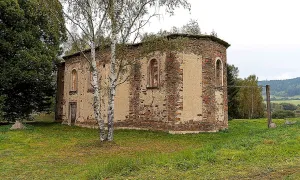
Visualizations and artistic views


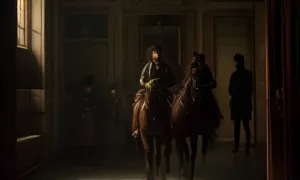
The visualisations are generated by artificial intelligence and serve as inspiration.
Photos from the area
Real photos taken near the monument


Zdroj a licence jsou uvedeny u každého snímku.
Tips from visitors
No tips yet. Be the first!
Log in and add your tip.
Sources and literature
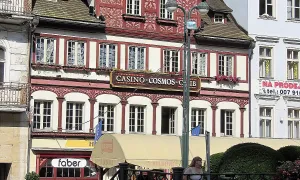
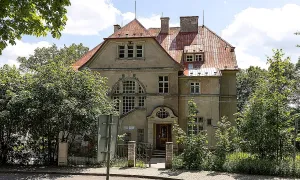
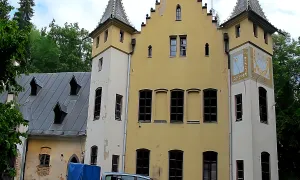
Photos: Lubor Ferenc / CC BY-SA 4.0 — Wikimedia Commons. The author and licence also appear when you hover over the image.
Faktickým podkladem tohoto textu byl článek na Wikipedii, jehož autory jsou přispěvatelé Wikipedie. Článek je dostupný pod licencí CC BY-SA 4.0.
Location on the map

Příběhy a pověsti
Legendy, pověsti a příběhy spjaté s touto památkou
Fotografie návštěvníků
Zatím žádné fotografie. Buďte první, kdo přidá fotografii z návštěvy!
Log in a přidejte svou fotografii nebo hodnoťte.
Za ověřenou návštěvu v aplikaci získáte víc bodů — poznáme podle GPS, že jste na místě.
Reviews and comments