






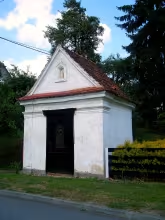
The Chapel of Our Lady, also known as Nohelova Kaple, is located in Butovice, part of Studenka, Moravskoslezsky kraj. Built in 1890 by Josef and Anna Nohel, it serves as a poignant memorial to their son Adolf Nohel, who tragically died during a bathing accident in Herzegovina. Its significance is highlighted by its designation as a cultural monument in 1958, making it an important site for historical reflection and architectural appreciation.
Constructed at the end of the 19th century, this period was marked by significant cultural and industrial development within the Austro-Hungarian Empire. It saw a rise in national consciousness among Czechs, alongside broader European trends of modernization and memorial culture. The Nohel family commissioned this structure as a tribute to their son, Adolf Nohel, whose untimely death prompted them to create a lasting monument.
Architecturally, the Chapel of Our Lady is an oblong structure with a semicircular end, built from bricks and coated with white lime plaster. Its facade features pilasters and a triangular pediment that houses a modern ceramic statue of the Virgin Mary. The design includes Doric-style pilasters flanking the entrance, leading to a simple yet elegant interior. Inside, the space is characterized by whitewashed walls and a flat ceiling bordered by a profiled cornice. A niche at the back holds a wooden shrine, while several panel paintings and statues contribute to the chapel's devotional atmosphere.
Ownership of the chapel has remained with the Nohel family since its construction in 1890. Its history is marked by its survival as the sole remaining structure among nine small chapels that once existed in Butovice before World War II. This endurance adds a layer of historical significance, highlighting its resilience and continued relevance to the local community.
Key events associated with the chapel include its construction in 1890 as a memorial for Adolf Nohel and its designation as a cultural monument on May 3, 1958. An image of Adolf Nohel, accompanied by a dedication inscription, is prominently displayed on the left side wall, serving as a poignant reminder of the personal loss that inspired the chapel's creation.
Today, the Chapel of Our Lady remains accessible to visitors and continues to be an important cultural site in Butovice. Its preservation allows for an appreciation of both its architectural features and historical significance. The chapel stands as a testament to the Nohel family's legacy and offers insight into the broader cultural trends of late 19th-century Bohemia.
Visiting this chapel provides an opportunity to connect with local history, reflecting on themes of memory, loss, and resilience. Its serene setting and architectural simplicity invite contemplation, making it a worthwhile destination for those interested in exploring the rich tapestry of Moravian-Silesian heritage.
Historical milestones
- 1890
- The Chapel of Our Lady was built as a memorial to Adolf Nohel.
- 1958
- The chapel was declared a cultural monument.
Architectural development
Constructed in 1890, the Chapel of Our Lady features an oblong shape with a semicircular end. It is built from bricks and covered with white lime plaster. The facade includes pilasters and a triangular pediment that houses a modern ceramic statue of the Virgin Mary.
Historical events
- 1890
- Construction of the chapel as a memorial for Adolf Nohel.
- 1958
- The chapel was declared a cultural monument with registration number 41105/8-2105.
Owners
The chapel was commissioned by Josef and Anna Nohel in 1890.
Points of interest
- The Chapel of Our Lady was originally part of a group of nine small chapels in Butovice; it is the only one that survived World War II, highlighting its resilience and historical endurance.
- Despite being built as a private memorial for Adolf Nohel, the chapel has been accessible to visitors since its construction, allowing the public to engage with its architectural beauty and personal history.
Guide
Show guide text
Welcome to the Chapel of Our Lady in Butovice, a serene and historic site nestled within Moravskoslezský kraj. As you stand before this charming structure, take a moment to absorb its tranquil presence amidst the gentle landscape. The chapel's simple yet elegant façade greets you with an air of timeless grace.
This chapel was built in 1890 by Josef and Anna Nohel as a heartfelt memorial for their son Adolf Nohel, who tragically passed away during a bathing accident in Herzegovina. It stands not only as a testament to their love but also as a symbol of resilience through the ages. The history woven into its walls speaks volumes about personal loss and remembrance.
As you take in the chapel's architecture, notice its oblong structure with a semicircular end, constructed from bricks and coated with white lime plaster. This design choice gives it an understated elegance that captures the eye. The façade is adorned with pilasters and crowned by a triangular pediment, elements that invite closer inspection and appreciation for their craftsmanship.
The story of this chapel is enriched by its connection to Josef Nohel, Anna Nohelová, and Adolf Nohel, whose lives are forever intertwined with this sacred space. Their legacy continues to resonate through the years, offering a poignant reminder of the personal narratives that shape our history.
A fascinating aspect of this chapel's story is its survival amidst adversity. Originally part of a group of nine small chapels in Butovice, it stands as the sole survivor from World War II—a testament to its resilience and historical endurance. This fact adds an extra layer of intrigue and significance to your visit, highlighting the chapel’s remarkable journey through time.
As you conclude your exploration of this beautiful chapel, I invite you to take a moment to reflect on its history and the stories it holds. May it inspire you to seek out more hidden gems in our world, each with their own unique tales waiting to be discovered. Thank you for joining me today; I hope this visit has been as enriching for you as it is for me.
Tips for visitors
The best time to visit the Chapel of Our Lady in Butovice is during late spring or early autumn, when the weather is mild and pleasant for walking around the area. These seasons offer a beautiful backdrop with blooming flowers and lush greenery, enhancing the charm of this historical site. Additionally, visiting outside of peak tourist season can provide a more serene experience.
Parking near the chapel might be limited, so it's advisable to use public transportation if possible. The chapel is accessible by bus from nearby cities, making it convenient for visitors traveling without a car. If driving, check local resources or maps for potential parking areas in Studenka and plan your visit accordingly.
When visiting the Chapel of Our Lady, consider bringing comfortable walking shoes as you may want to explore the surrounding area of Butovice and its natural features. A camera is also recommended to capture the chapel's architectural details and picturesque surroundings. Additionally, carrying a light jacket or sweater can be useful due to variable weather conditions.
For photography enthusiasts, early morning or late afternoon provides the best lighting for capturing the Chapel of Our Lady. The soft golden hues during these times highlight the chapel’s architecture beautifully. Try taking photos from different angles around the chapel and use the natural landscape as a backdrop for more dynamic shots.
Nearby attractions within 30 minutes include other historical sites in Studenka, offering insights into Moravian-Silesian culture and history. Exploring these areas can provide a broader understanding of the region's heritage. For families with children, consider planning a day trip that includes visits to local parks or nature trails for some outdoor fun.
Businesses nearby
Do you run a restaurant, accommodation, shop, museum, rental, wellness or other visitor service near this monument? Show yourself directly to the people heading to it — this is how they will see you in the app and on the web:
Nearby
Butovice is part of Studenka and features several historical sites. The surrounding landscape includes typical Moravian-Silesian architecture and natural features.
Accommodation nearby
Themed route
Thematic Walking Tour: Butovice and the Chapel of Our Lady
1. Chapel of Our Lady (Butovice) - Type: Religious Site - Why Visit: This charming chapel, dedicated to the Virgin Mary, is a centerpiece of spiritual life in Butovice. Its serene atmosphere offers visitors a peaceful retreat and an opportunity to appreciate its historical architecture.
2. Historical Village Center (Butovice) - Type: Cultural Site - Why Visit: Just a short walk from the chapel, explore the traditional Moravian-Silesian architecture that defines Butovice's village center. The area reflects centuries of local history and culture, offering insights into the region's past.
3. Local Historical Monuments (Butovice) - Type: Cultural Landmarks - Why Visit: Discover several historical sites scattered throughout Butovice, each telling a unique story about the community’s heritage. These monuments provide context to the village's development and its role in regional history.
This tour offers an intimate look at Butovice's rich cultural tapestry through its architectural beauty and historical significance, all within easy walking distance of one another.
Seasonal recommendations
Spring: The chapel of Our Lady in Butovice is enveloped by the vibrant hues of spring as nature awakens around it, creating a serene and picturesque setting. The soft morning light filters through budding trees, casting gentle shadows that enhance the chapel's historic charm. This season offers a tranquil atmosphere with fewer visitors, allowing for peaceful reflection amidst blooming flowers and fresh greenery. It is advisable to wear comfortable layers, as temperatures can vary throughout the day. Early visits are recommended to fully appreciate the quiet beauty of spring without the distraction of larger crowds.
Summer: Summer at the chapel brings long days filled with warm sunshine that illuminates its architectural details and highlights the lush landscape surrounding it. The atmosphere is lively yet peaceful, ideal for leisurely exploration. During this time, the area can attract more visitors seeking to enjoy the outdoors, so arriving early in the morning or later in the afternoon can help avoid the busiest times. Light clothing is recommended to stay comfortable during your visit, and carrying a hat or sunscreen would be wise given the sunny conditions.
Autumn: As autumn arrives, the chapel of Our Lady becomes a stunning backdrop for the fiery colors of fall foliage, creating an enchanting and atmospheric setting. The crisp air adds to the charm of this season, making it perfect for reflective walks among the vibrant leaves. While the number of visitors tends to decrease compared to summer, it's still a popular time for those who enjoy cooler weather and picturesque landscapes. Wearing layers is advisable as temperatures can drop in the evenings, and an early visit allows you to capture the best light before dusk.
Winter: Winter transforms the chapel into a serene and mystical site, with snow often blanketing the landscape and providing a magical contrast against its historic architecture. The atmosphere during this season is quiet and contemplative, offering a unique experience as the surroundings are quieter with fewer visitors. It’s important to dress warmly in layers, including a hat and gloves, to ensure comfort during your visit. Keep in mind that opening hours may be shorter due to daylight constraints, so planning your visit for midday when there's ample light is advisable.
Visualizations and artistic views


Vizualizace jsou generovány umělou inteligencí a slouží jako inspirace.


Atmosphere of the place
Atmospheric visualization of the setting and era
Tips from visitors
No tips yet. Be the first!
Log in and add your tip.
Location on the map


Příběhy a pověsti
Legendy, pověsti a příběhy spjaté s touto památkou
Reviews and comments