






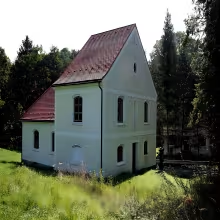
The Chapel of Our Lady of the Snows in Srbská is an important historical monument situated in northern Czech Republic's Frýdlantské výběžku region within Liberecký kraj. Constructed around 1724, this sacred building was dedicated to Our Lady of the Snows and has experienced significant transformations over time. Its architectural evolution from a modest chapel to a Neo-Baroque structure in 1902 underscores its historical and cultural significance. Today, it stands as a protected cultural monument, inviting visitors to explore its rich history.
The origins of the Chapel are deeply rooted in the religious and political changes that swept through Bohemia after the Thirty Years' War. In 1724, during a period marked by re-Catholicization efforts across Europe, the noble Gallas family commissioned its construction as part of their initiative to restore Catholic influence in the region. The estate on which the chapel was built had previously belonged to descendants of Johann Jakob Roerich von Kleinberg until 1722 when it was acquired by the Gallas family.
Architecturally, the chapel began as a modest structure with a flat triangular end. However, at the dawn of the 20th century in 1902, it underwent significant Neo-Baroque renovations that dramatically altered its appearance and scale. These changes included adding a taller and wider nave, along with new façade and interior stucco decorations, transforming the chapel into an imposing structure reflective of the Neo-Baroque style.
Ownership of the estate transitioned from the Roerich von Kleinberg family to the Gallas family in 1722. The Gallas family played a pivotal role not only in acquiring the land but also in initiating the re-Catholicization efforts that led to the chapel's construction. Their influence was instrumental in shaping the religious landscape of the area during this period.
Key events associated with the chapel include its initial construction in 1724 and the significant Neo-Baroque renovations carried out in 1902. These renovations marked a turning point in the chapel’s history, enhancing its architectural grandeur and ensuring its place as a notable landmark within the region.
Today, the Chapel of Our Lady of the Snows stands as a testament to the historical and cultural shifts that have shaped the area over centuries. Despite falling into disrepair after World War II, restoration efforts at the turn of the 21st century have preserved its architectural integrity. The chapel is now protected as a cultural monument, offering visitors an opportunity to delve into its storied past. Its location in the scenic Frýdlantské výběžku region adds to its allure, making it a worthwhile destination for those interested in history and architecture.
The Chapel of Our Lady of the Snows is not just a religious site but also a cultural treasure that reflects the dynamic history of its region. Its journey from a modest chapel to a protected monument encapsulates broader historical narratives of re-Catholicization and architectural evolution. Visitors are invited to explore this remarkable site, where each stone tells a story of faith, resilience, and transformation.
Historical milestones
- 1724
- Kaple postavena rodinou Gallasů.
- 1902
- Renovace v neo-barokním stylu.
- po druhé světové válce
- Kaple začala zcházející.
- konec 20. století
- Obnova kaple.
Architectural development
Initially constructed as a modest structure with a flat triangular end around 1724, the Chapel of Our Lady of the Snows was significantly expanded and redesigned at the beginning of the 20th century. In 1902, it received Neo-Baroque renovations that included the addition of a taller and wider nave, along with new façade and interior stucco decorations.
Historical events
In 1724, the Gallas family built a small chapel dedicated to Our Lady of the Snows.
The chapel underwent Neo-Baroque renovations in 1902.
Owners
The estate was originally owned by descendants of Johann Jakob Roerich von Kleinberg until 1722 when it was purchased by the noble Gallas family. The Gallas family initiated the re-Catholicization of the area and commissioned the chapel's construction.
Points of interest
- The Chapel of Our Lady of the Snows was originally commissioned by the Gallas family as part of a broader effort to re-Catholicize Bohemia after the Thirty Years' War, reflecting the religious and political dynamics of early 18th-century Europe.
- Before its acquisition by the Gallas family in 1722, the estate on which the chapel stands belonged to descendants of Johann Jakob Roerich von Kleinberg, indicating a significant shift in ownership that influenced the region's cultural landscape.
Guide
Show guide text
Welcome to the enchanting Chapel of Our Lady of the Sněžné in Srbská, a hidden gem nestled within the Frýdlantské výběžku of Liberecký kraj. As you stand before this sacred building, imagine stepping back into history, where faith and artistry intertwine to tell stories from centuries past.
The chapel's origins date back to 1724 when it was commissioned by the influential Gallas family. This period followed the Thirty Years' War, a time when Europe was undergoing significant religious and political shifts. The Gallas family, seeking to re-Catholicize Bohemia, built this small chapel with a flat triangular end as part of their broader efforts.
As you gaze upon its structure, take note of the neo-baroque renovations that began in 1902. These changes marked an era when the chapel was expanded and transformed, reflecting the artistic sensibilities of the time. The architecture invites you to appreciate both its original simplicity and later ornate enhancements.
While specific architects remain unknown, it's clear that this chapel has been a silent witness to many untold stories. It stands as a testament to the Gallas family’s influence and their role in shaping the religious landscape of early 18th-century Europe.
Now, let your curiosity be piqued by an intriguing aspect: before coming into the possession of the Gallas family, this chapel was part of a larger narrative about faith's resilience and transformation. Its history is interwoven with stories that echo through its walls, inviting you to ponder the lives it has touched over centuries.
As we approach the end of our journey here, remember that the Chapel of Our Lady of the Sněžné offers more than just visual splendor—it invites reflection on a rich tapestry of history and culture. I encourage you to explore further, perhaps walking around its perimeter or simply sitting quietly to absorb the tranquility it exudes.
Thank you for joining me in this exploration. May your visit inspire a deeper appreciation for the stories etched into every stone of this remarkable chapel. Safe travels as you continue your journey through history and beyond.
Tips for visitors
The best time to visit the Chapel of Our Lady of the Snows in Srbská is during late spring or early autumn when the weather is mild, and the natural surroundings are particularly beautiful. These seasons offer pleasant temperatures for exploring the area's scenic landscapes without the crowds that might be present during peak summer months. The lighting conditions during these times are also ideal for photography, capturing the chapel in its serene setting.
Parking and transportation to Srbská can be managed by driving or using public transport. There is parking available nearby, but it's advisable to check local resources for any updates on availability. Public transport options may include buses that connect larger towns with Srbská; however, specific routes should be verified in advance through a travel planner or the official website of the region.
When visiting the chapel, consider bringing comfortable walking shoes and weather-appropriate clothing, as you might want to explore the surrounding natural beauty. A camera is recommended for capturing the picturesque views, especially during golden hours when the light enhances the landscape's charm. Additionally, carrying a water bottle and some snacks can make your visit more enjoyable.
For photography enthusiasts, the best spots around the chapel are those that offer a view of it against the backdrop of Frýdlantské výběžku’s lush greenery. Early morning or late afternoon light provides soft shadows and warm hues, perfect for capturing the chapel's architectural details. Exploring different angles can also reveal unique perspectives.
Nearby attractions within 30 minutes include other historical sites and natural landmarks in the Frýdlantské výběžku region. These might offer additional insights into the area’s cultural heritage and provide more opportunities for exploration. Families with children will find these places engaging, as they often feature interactive elements or scenic spots ideal for picnics.
Businesses nearby
Do you run a restaurant, accommodation, shop, museum, rental, wellness or other visitor service near this monument? Show yourself directly to the people heading to it — this is how they will see you in the app and on the web:
Nearby
The chapel is situated in Srbská, part of Horní Řasnice, within the scenic Frýdlantské výběžku region. The area is known for its natural beauty and historical significance.
Accommodation nearby
Trips and activities nearby
Guided tours, tickets and activities nearby from GetYourGuide
Search tours and activities →Themed route
Tematická výletní trasa: Kaple Panny Marie Sněžné (Srbská) a její okolí
1. Kaple Panny Marie Sněžné (Srbská) *Typ:* Religiozní památka *Proč stojí za návštěvu:* Tato kaplička je nejen duchovním centrem pro místní obyvatele, ale také architektonickou perli ve stylu baroko. Její historie sahá do 18. století a poskytuje pohled na minulost regionu Frýdlantské výběžku.
2. Okolní lesy *Typ:* Přírodní prostor *Proč stojí za návštěvu:* Lesy kolem kaple nabízejí klidné prostory k odpojení a relaxaci. Jsou ideální pro krátké procházky nebo pikniky, přičemž poskytují pohled na divokou flóru a faunu regionu.
3. Místní obecní nádvoří *Typ:* Kulturní prostor *Proč stojí za návštěvu:* Nádvoří před kaplí je často místem pro komunitní akce a trhy. Zde si můžete vychutnat atmosféru místního života, setkat se s obyvateli nebo se podívat na různé kulturní události.
Tato trasa nabízí kombinaci duchovního zamyšlení, přírodní krásy a místní kultury, což vytváří celkově vyrovnaný a poutavý zážitek.
Seasonal recommendations
Jaro: Kaple Panny Marie Sněžné nabízí jedinečný zážitek v jarním období, kdy se příroda probouzí a okolní lesy začínají kvést. Sluneční paprsky pronikající skrze stromové listy osvětlují interiér kaple, což vytváří teplý a přívětivý pocit. V této době se může objevit více turistů, kteří chtějí zaznamenat změny v krajině, takže je vhodné navštívit kapli brzy ráno nebo později večer. Pro pohodlí doporučuje se nosit oblečení podle teploty, protože jarní počasí může být proměnlivé.
Léto: V létě je Kaple Panny Marie Sněžné obklopena hustými zelenými lesy a kvetoucím keřovím, což vytváří oslňující atmosféru. Sluneční svit odráží na stěnách kaple, zdůrazňuje její architektonické detaily a barvy. Tato sezóna je nejpopulárnější pro návštěvníky, takže se doporučuje přijít v raných hodinách rána nebo později večer, aby bylo možné užít si místa bez velkého davu. Nezapomeňte na ochranu proti slunci a nestrakujte se o vhodný pití vody.
Podzim: V podzimním období nabízí Kaple Panny Marie Sněžné pohledy na lesnaté krajiny, které jsou pokryty zlatými a červenými listy. Sluneční svit v této době je méně intenzivní, což přidává klidný a meditativní pocit, dokonce i ve stínu lesů. Tato sezóna je obecně méně náročná na turisty, takže se můžete uvolnit a prozkoumat okolí bez poznatku. Je vhodné nosit vrstvené oblečení, protože teploty se mohou rychle měnit.
Zima: Během zimy je Kaple Panna Marie Sněžná obklopena sněhovými koberci a stromy bez listí, což vytváří romantickou atmosféru. Když se slunce zasunuje za lesy, kaple se může zdát jako útočiště před chladem, i když otevírací doba může být kratší kvůli počasí. Během této sezóny je důležité nosit teplé oblečení a vhodnou obuv pro sněhový terén, pokud se rozhodnete prozkoumat okolní lesy. Navštěvujte kapli v poledne, kdy je světlo nejjasnější a atmosféra nejklidnější.
Visualizations and artistic views

Vizualizace jsou generovány umělou inteligencí a slouží jako inspirace.


Tips from visitors
No tips yet. Be the first!
Log in and add your tip.


Reviews and comments