






Kostel svatého Jana Křtitele (Brenná) Church
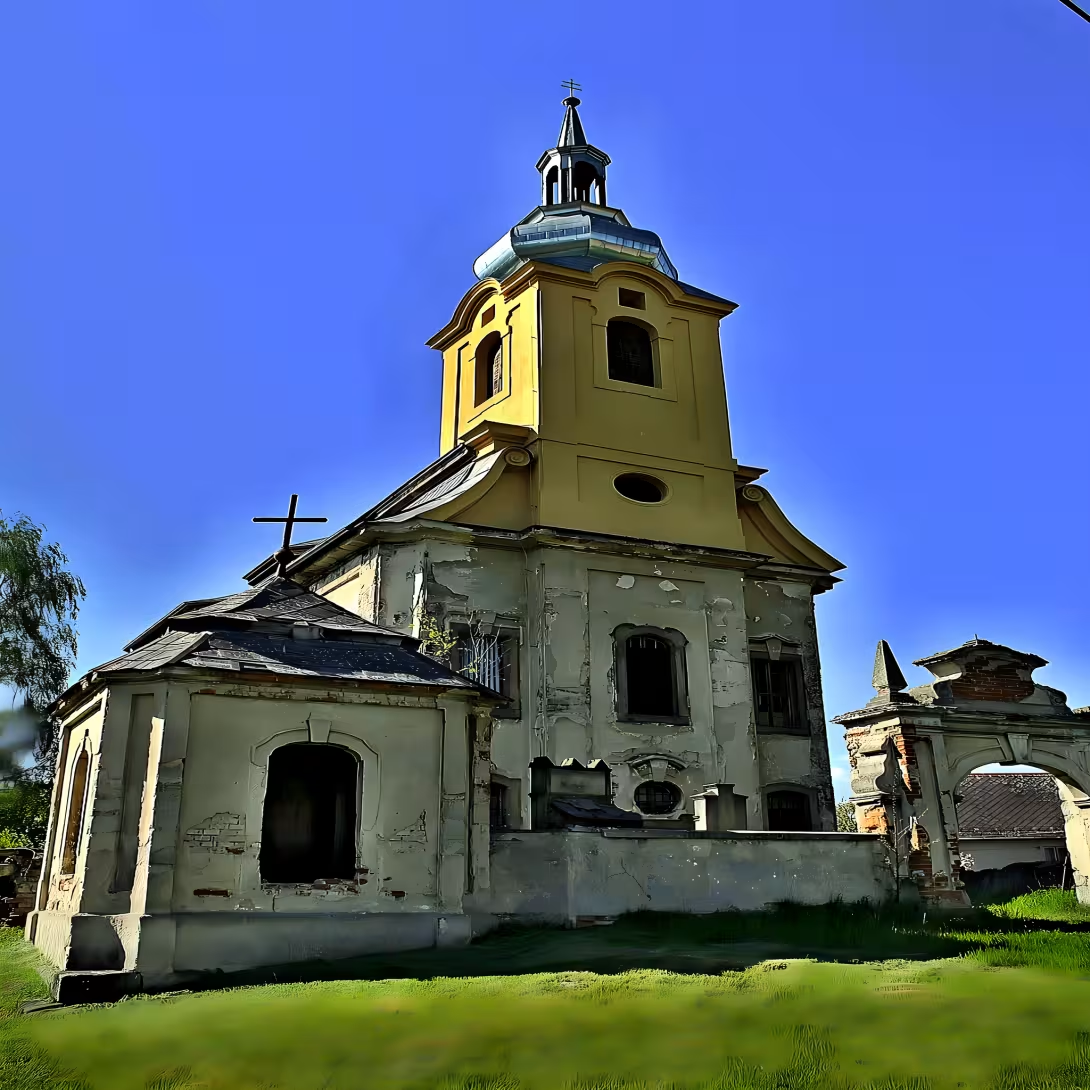
The Church of Saint John the Baptist in Brenná is an exemplary Baroque structure located in northern Bohemia. Constructed between 1723 and 1725, it was commissioned by Anna Marie Františka Toskánská to replace a 14th-century wooden church. This historical monument reflects the cultural development of early 18th century Europe when Baroque architecture thrived.
The origins of this church date back to Brenná's history, where an earlier wooden church stood since the 14th century. When Anna Marie Františka Toskánská owned the Zákupy estate, she commissioned a new stone structure designed by Baroque architect Václav Špaček, completed in 1725. This era marked significant cultural growth in Bohemia, supported by noble patrons who promoted arts and architecture.
Architecturally, the Church of Saint John the Baptist is a single-nave building with a tower and rectangular windows, typical of Baroque style. Its design emphasizes dramatic space use, reflecting the grandeur of its time. In 1863, it underwent Neo-Gothic renovations, including new organ installations and paintings, enhancing its artistic value.
Ownership and administration have changed over time. Initially managed by Brenná's parish, post-World War II depopulation led to Zákupy parish taking over. The church also experienced dramatic shifts during historical events, such as the confiscation of its bells by the Viennese government in World War I.
Key events include its initial construction and later renovations. Anna Marie Františka Toskánská commissioned the new stone church between 1723-1725, marking a significant architectural development. In 1863, Ferdinand I. from Zákupy facilitated Neo-Gothic style renovations, adding historical layers.
Today, the Church of Saint John the Baptist is in disrepair and no longer serves its original purpose. Despite this, it remains an important cultural landmark due to its architectural significance and history. Restoration efforts have been ongoing since 2004, with various organizations contributing to its preservation. Although currently inaccessible for regular visits, its historical value makes it intriguing for those interested in Baroque architecture and Bohemian history.
The Church of Saint John the Baptist in Brenná offers a unique glimpse into northern Bohemia's architectural and cultural heritage. Its rich history and ongoing restoration efforts highlight its enduring significance as a monument worth exploring for anyone intrigued by historical structures and their stories.
Then and now
Drag the slider to compare how the landmark may have looked when it was built with the view today.
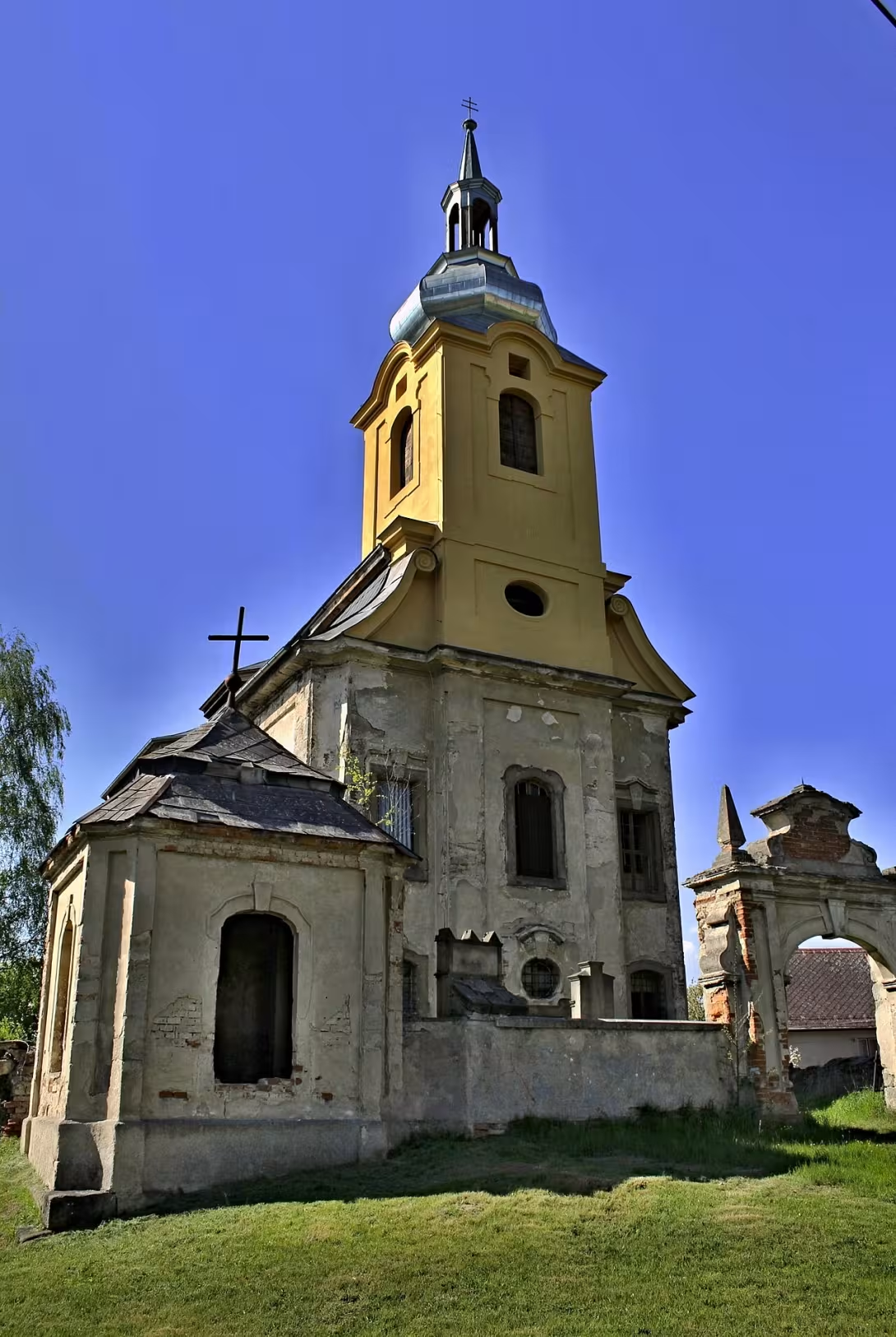
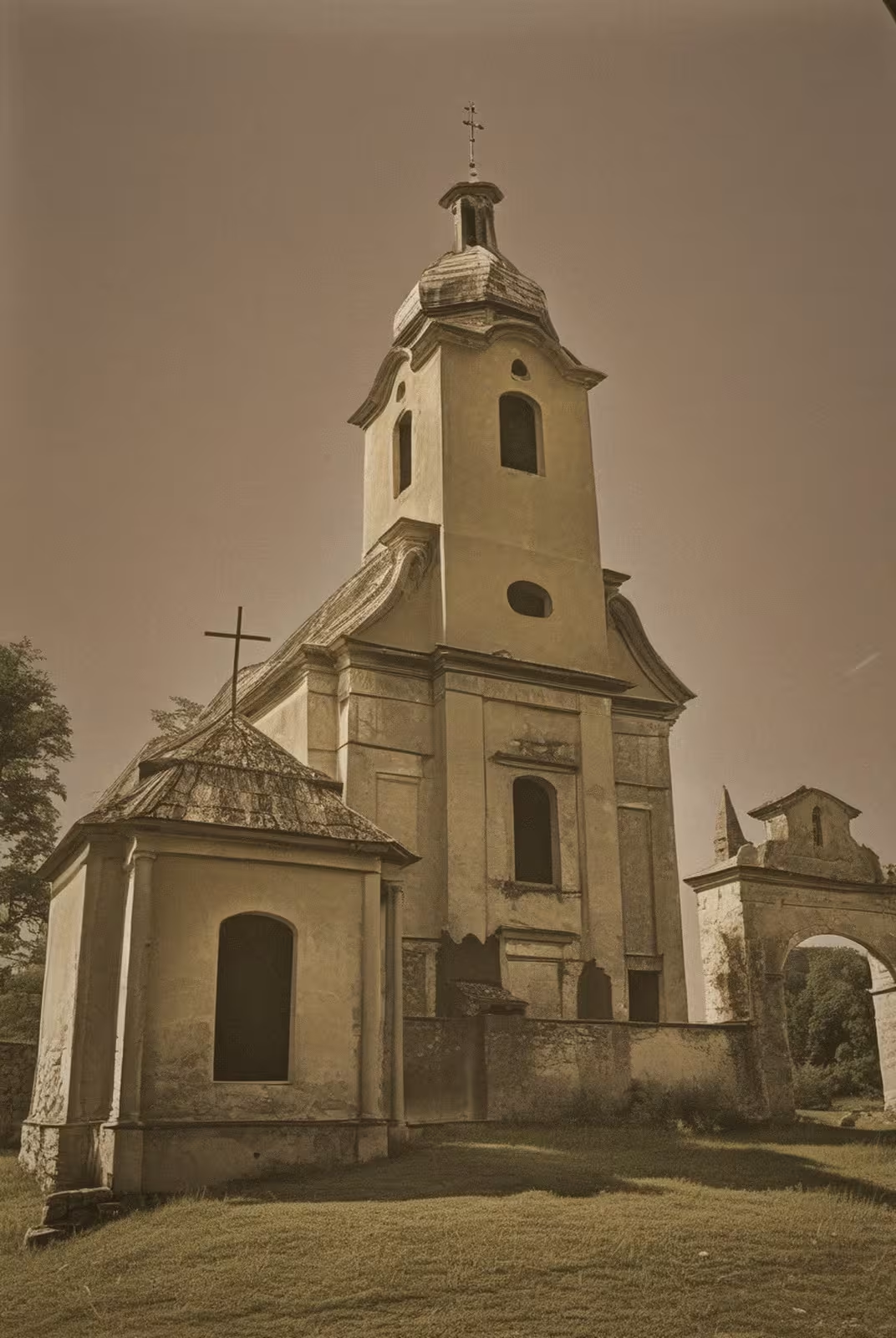
The historical appearance on the left is an AI-generated visualisation and serves as inspiration only.
Historical milestones
- 14.0
- Původní dřevěná kaple postavena v Brennách.
- 1723
- Počátek stavby nového kamenného kostela.
- 1725
- Dokončení Barokního kostela svatého Jana Křtitele.
- 1863
- Renovace v neo-gotickém stylu s novými orgány a malbami.
- 1914
- Zákup zvonů Viennou během první světové války.
- 2004
- Počátek obnovy kostela.
Architectural development
Constructed between 1723 and 1725, the Church of Saint John the Baptist was designed by Baroque architect Václav Špaček. The original wooden church from the 14th century was replaced with this stone structure. In 1863, it underwent renovations in Neo-Gothic style, including new organ installations and paintings.
Historical events
In 1723-1725, a new stone church was built under the commission of Anna Marie Františka Toskánská.
The church underwent renovation in 1863 in Neo-Gothic style due to Ferdinand I. from Zákupy.
Owners
Anna Marie Františka Toskánská commissioned the construction during her ownership of the Zákupy estate in the early 18th century. The church was later managed by the parish in Zákupy after Brenná's depopulation post-World War II.
Points of interest
- The Church of Saint John the Baptist was commissioned by Anna Marie Františka Toskánská as part of her efforts to modernize and enhance the cultural landscape of the Zákupy estate she owned. Her patronage reflects the broader trend among European nobility during the Baroque period to invest in grand architectural projects.
- Architect Václav Špaček, who designed the church, was a prominent figure in Baroque architecture in Bohemia. His work on this project contributed significantly to his reputation and showcases the intricate design elements typical of the era, such as dramatic spatial use and detailed ornamentation.
- During World War I, the Viennese government confiscated the church's bells, a rare instance reflecting the broader impact of wartime policies on local religious institutions in Bohemia. This event underscores how global conflicts could reach into even small communities, affecting their cultural heritage.
- In 1863, the church underwent Neo-Gothic renovations led by Ferdinand I. from Zákupy, which included installing new organs and paintings. These changes not only enhanced its artistic value but also reflect a period when historical styles were revived to add layers of meaning and beauty to existing structures.
- Despite being in disrepair today, restoration efforts have been ongoing since 2004, involving various organizations dedicated to preserving this architectural gem. This highlights the enduring appreciation for Baroque architecture and the commitment to maintaining cultural heritage sites even as they face modern challenges.
Guide
This guide is narrated by a synthetic voice generated by artificial intelligence.
Show guide text
This text was created by artificial intelligence and has not been editorially reviewed. It may contain inaccuracies.
The Church of Saint John the Baptist stands in Brenná near Zákupy in the Českolipsko region. It is a Baroque structure from the eighteenth century that was built on the site of an older church. Today it is registered among cultural monuments, but since approximately 2010 it has been in a state of disrepair and no longer serves for worship services.
The spiritual administration in Brenná has a long tradition. A wooden church has stood here since the fourteenth century, and over time a rectory was added to it. When it was dissolved, the church came under the care of the deanery rectory in Zákupy, which is about five kilometers away. In 1566 another church was built here, and in 1621 it was reconsecrated.
The present appearance of the church was determined by Grand Duchess Anna Maria Francesca of Tuscany, a wealthy and pious owner of an extensive estate in Zákupy. Between 1723 and 1725 she had a new brick church built here. The older structure from 1566 was demolished, but its cupola was preserved and in 1727 it was placed on the tower of the new church. The design was apparently created by the Baroque architect Václav Špaček. The construction was carried out by the master mason Cikán with his assistants. The church gradually acquired bells, an organ, paintings and a stuccoed altar, which was donated by the Grand Duchess herself. The pulpit was brought here from the deanery church in Zákupy.
In 1855 a new rectory was built nearby and with it a parish district which, besides Brenná, included Vlčí Důl, Veselí and Heřmaničky. In 1863 the church was renovated in the Neo-Gothic style and received new organs and paintings. The former Emperor Ferdinand the First, who was staying in Zákupy at the time, contributed to this. During the First World War the bells were confiscated by the Viennese government.
After the expulsion of the German population in 1945 the church gradually fell into decay. The depopulated village was incorporated into Zákupy in 1961. In 1990 the church's furnishings were stolen and the tower caught fire. In 2003 the roof collapsed. The entire area fell into disrepair, including the entrance gates and an adjacent chapel.
Restoration began only in 2004, when funds were obtained from various sources and the ceiling and roof were provisionally repaired. However, the funds were not sufficient for a complete reconstruction. Money was first sought by the association Small Monuments of Northern Bohemia, and from the beginning of 2015 this work was taken over by the parish in Zákupy. The church has been gradually restored since then.
It is a single-nave structure with a tower and rectangular windows.
Tips for visitors
The best time to visit the Church of Saint John the Baptist in Brenná is during late spring or early autumn, when the weather is pleasant for exploring both the church and its surrounding natural beauty. These seasons offer mild temperatures and vibrant landscapes, making it ideal for a leisurely walk through northern Bohemia's picturesque scenery. Additionally, visiting outside of peak tourist season ensures a more tranquil experience, allowing you to appreciate the Baroque architecture without large crowds.
To ensure a smooth journey, verify current routes and schedules through a transportation search engine before your visit.
When visiting the Church of Saint John the Baptist in Brenná, it's recommended to bring comfortable walking shoes as you'll likely explore the surrounding area. A camera is also advisable for capturing the stunning Baroque architecture and natural beauty. Don't forget sunscreen and a hat if traveling during warmer months, along with water to stay hydrated.
For photography enthusiasts, early morning or late afternoon light provides the best conditions to capture the church's intricate details and the surrounding landscape's soft hues. The eastern facade of the church is particularly photogenic at sunrise, while sunset offers dramatic lighting for the western side. Exploring the nearby natural areas can also yield beautiful shots, especially in Vlčí Důl.
Families with children will find Brenná an enjoyable destination. After exploring the church, consider visiting Veselí or Heřmaničky, both within a 30-minute drive and offering opportunities for outdoor activities. These areas provide scenic walking paths and picnic spots perfect for family outings.
Frequently asked questions
Can the monument be visited?
Religious buildings are usually open mainly during services; at other times a visit is normally arranged with the parish or the operator. We have not verified specific times. According to the heritage register the structure is in poor condition – do not enter it and take care nearby.
Where is the monument?
Location: Brenná, Liberecký kraj. The map on this page shows the exact spot.
Why is the monument protected?
It is listed in the Central List of Cultural Monuments of the Czech Republic as a cultural monument (register no. 31091/5-2856).
Businesses nearby
Do you run a restaurant, accommodation, shop, museum, rental, wellness or other visitor service near this monument? Show yourself directly to the people heading to it — this is how they will see you in the app and on the web:
Events nearby
Zdroj akcí: otevřená data měst a obcí ČR (Národní katalog otevřených dat) a kalendář akcí Národního památkového ústavu.
Nearby
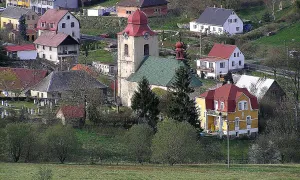
The church is located near Zákupy and surrounded by a landscape that includes other historical sites such as Vlčí Důl, Veselí, and Heřmaničky. The area features natural beauty typical of northern Bohemia.
Accommodation nearby
Themed route
Thematic Tour Itinerary: Exploring the Church of St. John the Baptist and Surrounding Historical Sites
1. Church of St. John the Baptist (Brenná) - Type: Religious Site - Why Visit: Begin your journey at this stunning Baroque church, a centerpiece of Brenná's cultural heritage. Its architectural beauty and serene atmosphere make it an essential stop for those interested in religious history and architecture.
2. Vlčí Důl - Type: Historical Site - Why Visit: Located approximately 5 km from Brenná, Vlčí Důl offers a glimpse into the past with its remnants of medieval mining activity. The site provides an intriguing look at historical industrial processes and is perfect for history enthusiasts.
3. Veselí - Type: Historical Site - Why Visit: Just a short drive from Vlčí Důl, Veselí invites visitors to explore its quaint streets and traditional architecture. The village's charm lies in its preserved historical buildings that reflect the region’s cultural evolution.
4. Heřmaničky - Type: Historical Site - Why Visit: Conclude your tour at Heřmaničky, a picturesque locale known for its scenic beauty and historical significance. The area offers a peaceful retreat with opportunities to appreciate the natural landscape typical of northern Bohemia.
This itinerary provides a balanced mix of religious, historical, and cultural experiences in the Brenná region, ensuring a memorable exploration of this unique part of Czech Republic.
Seasonal recommendations
Jaro: In the spring season, St. John the Baptist Church in Brenna is enlivened by flowers that bring vibrant colors to the surrounding green landscape. Sunny days and mild nights provide ideal conditions for exploring the church's historic walls. Visitors can expect a moderate increase in crowds as tourists often take advantage of the favorable weather to stroll through the countryside. It is recommended to wear comfortable shoes and durable clothing that protects against possible rain or moisture from growing vegetation. The best time to visit is in the morning when temperatures are pleasant, and crowds are usually less intense.
Léto: In summer, St. John the Baptist Church in Brenna offers an unforgettable experience with long sunny days and warm air. The atmosphere is enhanced by flowers in full bloom, which add stunning colors to the surrounding landscape. This time of year attracts the largest number of tourists, so it is advisable to visit the church early in the morning to avoid crowds and allow time for a peaceful tour. Protection from sun exposure requires protective clothing such as wide-brimmed hats and light garments, along with plenty of water to drink during your visit.
Podzim: In autumn, St. John the Baptist Church in Brenna is surrounded by colorful leaves and mild air that brings an atmosphere of calm. This period can be ideal for those seeking a quieter experience without the crowds typical of summer. Visitors should wear layered clothing to accommodate temperature changes throughout the day and always have an umbrella or raincoat handy for sudden weather shifts. The best time to visit is usually in the afternoon when temperatures reach their peak.
Zima: The winter season at St. John the Baptist Church offers a unique atmosphere with snow-covered rooftops and a quiet, tranquil landscape. Sunny days may be short, but the sun casts gentle rays on the church façade, creating a striking visual effect. Warm clothing, including sweaters, hats, and protective boots, is essential for comfort during winter chills. The best time to visit is usually in the morning when temperatures are at their highest, and snowy cover offers the most beautiful views.
Visualizations and artistic views


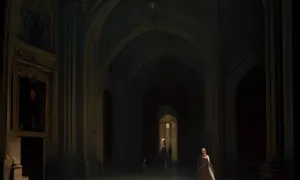
The visualisations are generated by artificial intelligence and serve as inspiration.
Photos from the area
Real photos taken near the monument


Zdroj a licence jsou uvedeny u každého snímku.
Tips from visitors
No tips yet. Be the first!
Log in and add your tip.
Sources and literature
Photos: VitVit / CC BY-SA 4.0, rozlišení zvýšeno umělou inteligencí — Wikimedia Commons. The author and licence also appear when you hover over the image.
Faktickým podkladem tohoto textu byl článek na Wikipedii, jehož autory jsou přispěvatelé Wikipedie. Článek je dostupný pod licencí CC BY-SA 4.0.
Location on the map
Příběhy a pověsti
Legendy, pověsti a příběhy spjaté s touto památkou
Fotografie návštěvníků
Zatím žádné fotografie. Buďte první, kdo přidá fotografii z návštěvy!
Log in a přidejte svou fotografii nebo hodnoťte.
Za ověřenou návštěvu v aplikaci získáte víc bodů — poznáme podle GPS, že jste na místě.
Reviews and comments