






Kaple Povýšení svatého Kříže (Horka-Domky) Chapel
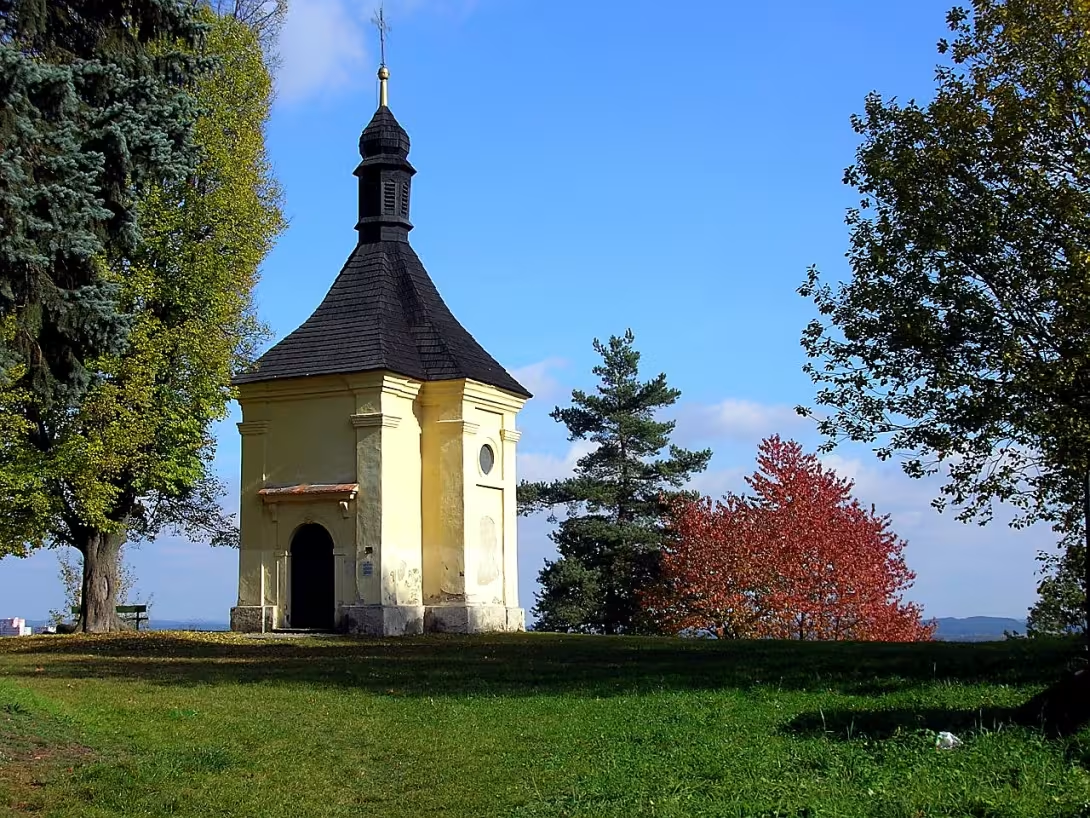
St. John Nepomuk's chapel, which is popular called Kostelíček, grows on the Tøebíč Guard Mountain at 500 meters above sea level. It was created in 1644-1645 at the place where the sound of the forward city fortification stood before. Its builder was Jøebíč builder Jan Fulík, a masonry master who owned a house in Old Town and whose work on the architecture of the Czech mark is one of interesting examples of an early Baroque.
The construction consists of a ground plan of a cross with an arc portal oriented towards the exit. Dimensions are precise: length 6,65 meters, width 4,3 and 3,05 meters, height up to the tip of the cross reaches 17 meters. In the natural rock under the chapel there is also a small crypt in the shape of a cross. On the facade it is possible to observe the symbolism of the builder: cross over the corpus, below it a skull with crossed legs such as memento mori, angles and year 1644. You could see J.F. 's initials and a Masonic spoon before. Fulík's work is all the more valuable, that his author, without a more extensive theoretical education, overtook his inventory and predicted the expansion of Baroque architecture in Moravia by over half a century.
Jan Fulík himself was buried in a crypt under the chapel after his death in 1672, along with his son, who died even as a child. In 1677 he sanctified the bells - the bigger bell of St. John the Evangelist and the smaller bell of St. Mary Magdalena - Bishop Jan Josef Breuner during the general rounds. Fulík's wife was often the godmother of christened three-by-four children, according to the parish matrices, suggesting the social status of the builder's family.
The fate of the chapel has affected a great historical change. In 1793, in accordance with the order of emperor Josef II, it was ordained and sold. But the private owner had it reconsecrated four years later. On this occasion, the patrocinium - the original Holy Cross Ascension - was replaced by St. John Nepomucký. The original dedication only remembered a painting by Josef Kozlansky, a former professor of Třebíč Gymnasium. In World War I, both bells were recited by the state.
After World War II, the chapel began to suffer from vandalization. It was worst damaged in 1962, when vandalists defiled even the crypt. Repeatedly, three crosses were destroyed near the chapel, which formed the Rib Calvary. In 2025, the chapel received important repairs - the roof was renovated. This year 2026 the so-called photopoint was installed near the chapel overlooking the city of Třebíč, which makes the site even more connected to the tourism industry.
Visiting the chapel provides not only a spiritual experience from the historical shrine, but also an architectural legacy of the Czech Baroque and a view of the Třebíč landscape. The name Kostelíček, who speak of it, depicts it physically - a small but dignified building, which resembles its long duration and the crowds that visited it.
Then and now
Drag the slider to compare how the landmark may have looked when it was built with the view today.
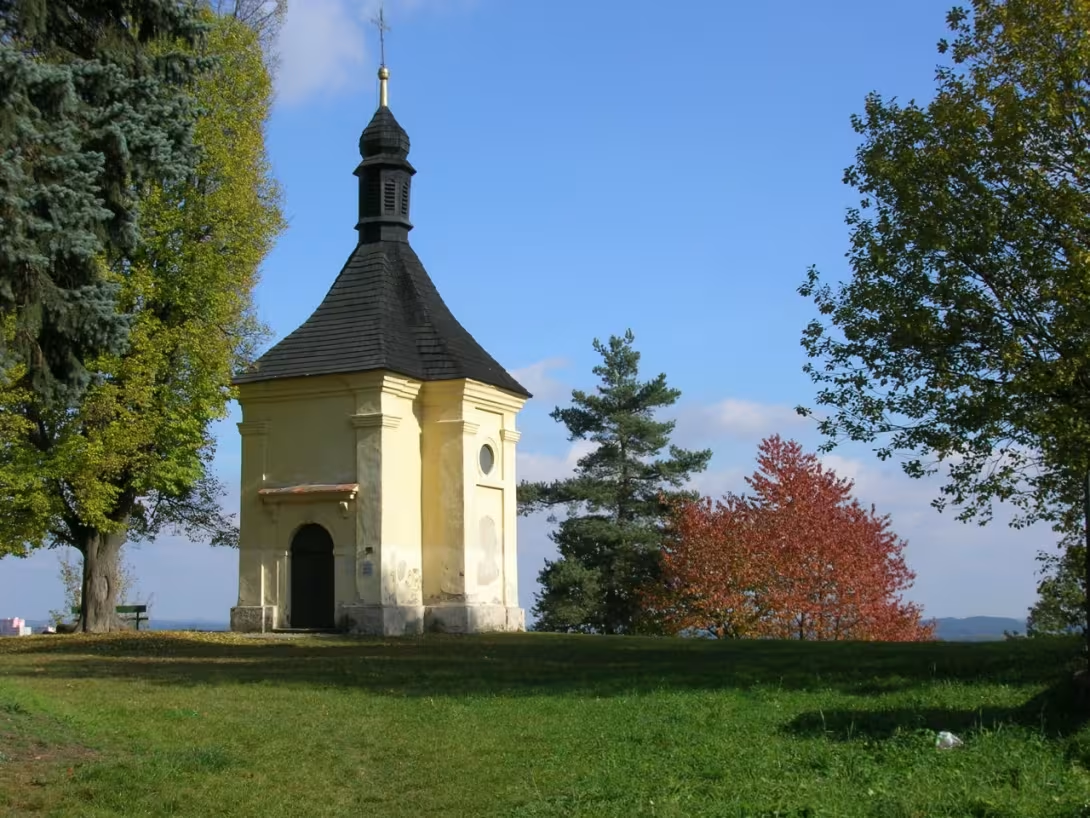
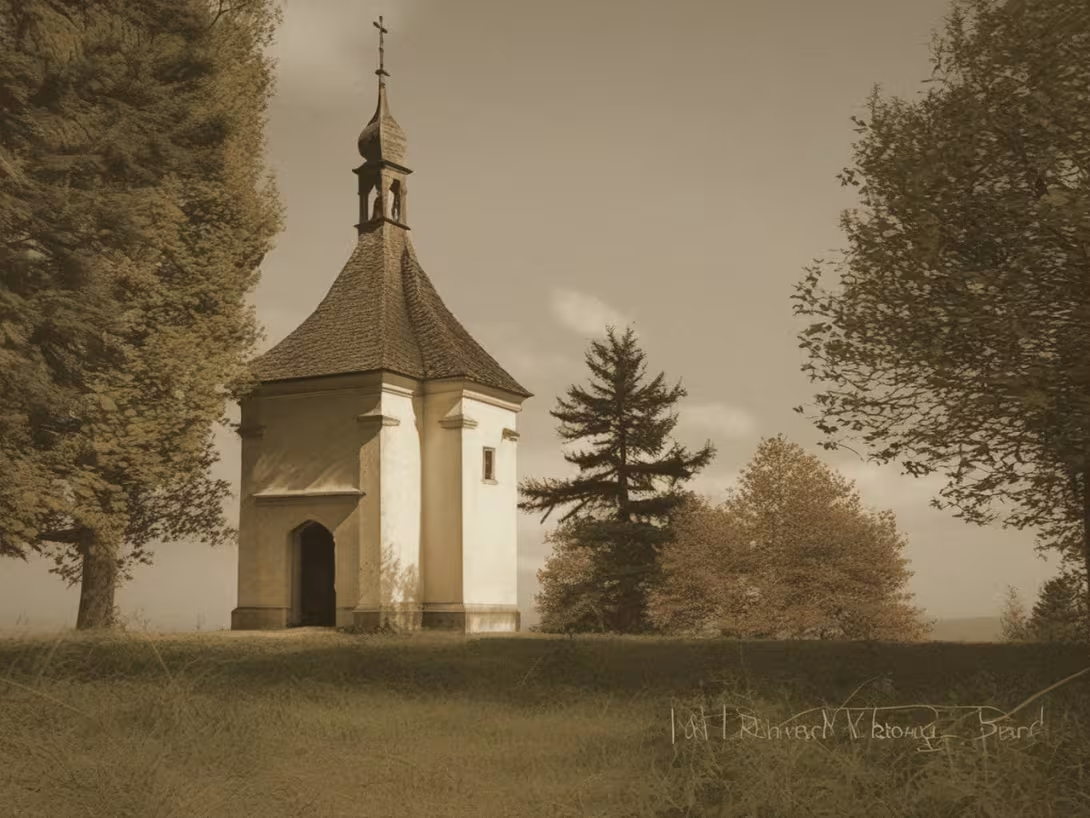
The historical appearance on the left is an AI-generated visualisation and serves as inspiration only.
Historical milestones
- 1644-1645
- The establishment of the Chapel of the Ascension of the Holy Cross in the place of the voice of the Triberian fortification.
- 1672
- The burial of Masonic Master Jan Fulík and his son in the crypt under the chapel.
- 1677
- The sanctification of the bells in the chapel's lid by Bishop John Joseph Breuner.
- 1793
- The consecration of the chapel on the basis of the imperial decree of Josef II and the subsequent reconsecration in 1797.
Architectural development
The chapel was built in 1644-1645 as a simple brick structure on the ground plan of the cross with mannerist elements. A stone portal is broken in the facade, pilasters are on the corners. The masonry marks (J.F. and spoon) were originally visible above the entrance, today there is a cross with the skull and the year 1644. In the crypt under the chapel there is a small crypt in the shape of a cross. The chapel underwent minor modifications, but the basic structure remained. In 2026, a photopoint was installed near the chapel.
Historical events
- 1644-1645
- Built by the Chapel of the Holy Cross Ascension in place of the original voice of the tribular fortification.
- 1672
- Here buried bricklayer Jan Fulík and his son.
- 1793
- The chapel was consecrated on the basis of the imperial order of Josef II., later reconsecrated and renamed to St. John Nepomuk's Chapel.
- 2025
- The chapel roof has been repaired.
Points of interest
- The chapel was originally dedicated to the Ascension of the Holy Cross, but in 1797, St. John Nepomucký became its patron.
- The builder Jan Fulík, without more extensive education, created a work that predates the development of Baroque architecture in Moravia half a century earlier.
- On the facade of the chapel are symbols such as cross over the corpus, skull with crossed legs and year 1644 which refer to its author.
- In the crypt under the chapel are buried Jan Fulík and his son who died as a child.
Guide
This guide is narrated by a synthetic voice generated by artificial intelligence.
Show guide text
This text was created by artificial intelligence and has not been editorially reviewed. It may contain inaccuracies.
Welcome to the Chapel of the Holy Cross - or as we know it today, the Chapel of St. John Nepomuk. You are standing at the top of the Watchmountain, where you can see the vast surroundings and at the same time you are facing this simple but impressive silhouette. Her slender figure, seemingly slightly erected to heaven, recalls that sometimes three centuries ago there were people here who wanted not only to pray, but also to remind themselves of something much greater than themselves.
Let's go back to 1644 for a while. At a time when the country wobbled with wars and religious discord, the people of the Horkhouses decided to build a chapel in this strategic place. It was a time when every church or chapel had its meaning - either as a hiding place or as a symbol of resistance. This chapel, however, was created in a place where the voice of the Trigby fortification had previously stood, suggesting that its location was not random. She stood here as guardian not only of faith, but also of the past.
Now pay attention to what you see before you. The chapel has a ground plan of the cross - a symbol that was very popular at the time and had deep religious significance. Its dimensions are modest, but they do not lack the expression: six and a half meters in length, four and a half in width and almost three meters in depth. And if you look up, you'll see that the total height is up to 17 meters - including the cross, which highlights the crown of the building. The facade of the chapel is simple, but not without character. Note the portal - its shapes resemble later baroque influences, but also bear traces of mannerist style, which was still alive at the time. It's like two epochs talking to each other.
The builder of this chapel was the masonic master Jan Fulík. He was a man without extensive education, but with an extraordinary sense of architecture. His work here marked what would come - a Baroque style that later dominated the Moravian landscape. Fulík and his son were later buried in a crypt under the chapel, another proof of how deeply this place meant to them. In 1677 Bishop Jan Josef Breuner himself came here to sanctify the bells in the chapel's lid. This was the moment when a simple building became a real place of prayer and meeting.
But beware - this chapel has not always had the name we know today. It was originally dedicated to the Ascension of the Holy Cross, but in 1797, after the order of Emperor Joseph II, which restricted religious freedom, it was ordained for a time. Only four years later, in 1797, it was again sanctified - this time under the patronage of St. John Nepomuk. This shift was probably linked to the need to adapt to the new conditions of the period, but at the same time preserved its spiritual importance.
Now, let me reveal one interesting thing. If you look at the facade of the chapel, you might notice some symbols. Although details are not documented, such structures often bear crosses, sun or other signs that were intended to protect and strengthen the faith of those who came here. The chapel was built as a place where people could pray, but also as a warning signal - a reminder that even in difficult times it is important to have something to lean on.
Take another look before leaving. You're standing in a place where history, faith, and human effort collide. The chapel of St. John Nepomuk is not only an architectural jewel, but also a story of the people who built it, prayed against it and protected it for centuries. If you have a moment, you can walk around - you might be interested in how this small building can speak louder than many large cathedrals.
Thank you for taking the time to stop by. Let this monument inspire you, as it inspired those who built it. Have your next trip filled with new discoveries.
Tips for visitors
{'text': 'Best time to visit the Chapel of the Holy Cross is in spring or autumn when the weather is pleasant and the surroundings are especially picturesque. In spring, the surroundings of the chapel and forests flourish, while in autumn the surrounding landscape offers beautiful shades of yellow and red. In summer there are often more visitors, while in winter access can be restricted due to snow or ice on the road.'}
{'text': 'Chapel is available by car, parking is possible in the vicinity of the Watchmountain. It is recommended to arrive on your own vehicle because public transport does not directly lead here. The current connection and traffic options can be found in the transport search engine. It is recommended to arrive in time because parking places in the area can be limited, especially in the summer months.'}
{'text': 'When visiting the chapel take comfortable shoes because the path to the top of the Watchmountain is slightly steep and rocky. It is also convenient to bring an umbrella or a light jacket, because the weather can change quickly. If you are planning a longer stay, also bring water and possibly refreshments because there is no restaurant nearby.'}
{'text': 'For photography is the best time early morning or late afternoon when the light is softer and the chapel appears in the best light. The best places to photograph are around the chapel overlooking the city of Třebíč and surrounding landscape. From the top of the Watchmountain it is also possible to take beautiful pictures of the Jubilee Calvary and forests.'}
{'text': 'In the vicinity of the chapel is worth a visit to the triplicate calvary with triple crosses, located just a few minutes walk from the chapel. Another interesting feature is the natural scenery with forests and field eels, which offer peaceful walks and the possibility of observing nature. The city of Třebíč, which is visible from the top, is also interesting for further tours of historical monuments.'}
{'text': For families with children a visit to the chapel is suitable thanks to the picturesque location and the possibility of walking on the Watchmountain. Children can see the chapel and enjoy the view of the surrounding countryside from the top. In the surroundings it is also possible to find pebbles or small plants that children can collect. It is recommended to take with you games or small activities that children entertain during a longer stay outside. '}
Frequently asked questions
Is Kaple Povýšení svatého Kříže (Horka-Domky) open to the public?
Yes, the chapel is open to the public. The opening hours are 9: 00 to 5: 00.
How do I get to the place by car / public transport?
The nearest parking lot is near the town square, from here you can walk or use local transport (public transport).
How much is the entrance fee and is it paid on the spot?
Payment is made directly at the chapel.
Is the tour suitable for children and seniors?
Yes, the tour is suitable for all age groups. The chapel has simple architecture and beautiful views of the surroundings.
How long does the tour take?
The tour of the chapel takes about 15-20 minutes, but you can also have fun in the nearby area or have a picnic.
What are the opening times and booking is required?
The chapel is accessible from 9: 00 to 17: 00, without booking. In case of group visits we recommend to contact the chapel administrator.
What's interesting in the immediate vicinity?
In the nearby area there is a Třebíč Watchmountain, which offers beautiful views of the city and surrounding landscape. You can also visit the local museum or visit the historic city centre.
For kids
Imagine going back 382 years, until Třebíč was the capital of Moravia. You are now to take part in an adventure with the Holy Cross Ascension Chapel standing on the Watchtower.
This place was once part of a city fortification, but today it's a beautiful chapel that breaks the heart of visitors. Imagine you're a young adventurous knight and you're supposed to be involved in building this chapel. Who lived here? Farmers who have fed on agriculture and traders who have brought goods from foreign countries.
Businesses nearby
Do you run a restaurant, accommodation, shop, museum, rental, wellness or other visitor service near this monument? Show yourself directly to the people heading to it — this is how they will see you in the app and on the web:
Nearby
The chapel is located on the Watchmountain (500 m above sea level), which offers views of the city Třebíč and surrounding landscape. In the vicinity there is a triplicate calvary, which has also been damaged in the past. There are also natural scenery with forests and field eels.
Accommodation nearby
Themed route
Thematic cruise route: The Watchtower and the Triberian Landscape
1. Chapel of the Holy Cross Promotion * Type: * Baroque Chapel on top of the Watchmountain (500 m above sea level). * Why visit? * Unique architecture with a view of Třebíč and surrounding plains, connected with local history and spiritual tradition.
2. Třebíč Calvary with Triple Cross * Type: * A pilgrimage place near the chapel, made up of three crosses. * Why visit? * It symbolizes the Christian faith and history of a place that has been the target of vandalism in the past, but still retains its spiritual power.
3. Natural scenery at the chapel * Type: * Forest and field landscape around the Watchmountain. * Why visit? * A quiet environment with views of the field hills and forests, ideal for walking and relaxing in nature.
* The route is circular, the distances between the points are short (up to 500 m). *
Seasonal recommendations
Spring The Chapel of the Holy Cross in Horkach- Houses awakens to life in the spring months after winter calm, when the surrounding landscape turns into a vast carpet of green and flowering trees. The light of the sun, which, at this time of the day, flows through forests and fields, creates fine shadows on the stone walls of the chapel and highlights its rustic architecture. The air is fresh and slightly moist, while the first spring flowers - such as convalines or spring onions - bloom in the surrounding forest with their singing. The atmosphere is quiet, almost meditative, ideal for walking through the forest roads that lead to the chapel. It is practically appropriate to visit it early in the morning or in the afternoon when there are fewer visitors, especially in April and May, when tourists begin to return to nature. It is recommended that clothing suitable for variable weather - light layers, waterproof shoes and possibly umbrella, because spring rain can come unexpectedly. The chapel is open at this time in normal opening hours, but it is always good to be informed in advance, as some smaller sacral structures have limited traffic.
Summer In the summer months the Chapel of the Holy Cross is becoming a popular destination for those who seek peace and shadow on hot days. The sun, which rises high above the horizon in June and July, illuminates the chapel by giving its stone walls a golden touch, while the surrounding forests and meadows turn into green seas. The air is warm and dry, ideal for longer walks, but also for short rest near it. In the main summer season the surroundings of the chapel are more lively, especially in the afternoon, when families with children or cyclists come here. It is recommended to come early in the morning to avoid crowds, and take enough water, for there is not always a shadow in the forest. Clothes should be light, airy and sun-protected - hat or hat and sunglasses are not useless. The chapel is open in normal hours, but in hot days it is good to consider a visit in the morning or evening when the temperature is more pleasant.
Autumn Autumn brings a unique atmosphere to the landscape around the Chapel of the Holy Cross, where leafy trees dress up in red, orange and yellow shades and the forests turn into a palette of natural colors. The light of the sun, which falls at a different angle in September and October, creates long shadows in the chapel and gives the place a mysterious, almost mystical mood. The air is colder and fresh, often with a hint of moisture, while leaf rustling and occasional sound of falling fruits are heard around. At this time the surroundings are more peaceful than in the summer, but in November, especially around St. Catherine's Day, more visitors may appear. It is recommended to visit the chapel in the morning, when the light is the most beautiful, and to dress in warmer layers - a sovereign that protects against wind weather, and waterproof shoes, because forests can be muddy. The opening times of the chapel may be shorter in the winter months, but in the autumn months it is available in the normal hours.
Winter The winter visit to the Chapel of the Holy Cross offers a unique atmosphere where the surrounding forests and field paths turn into a white landscape covered with snow. The chapel, lit by the cold, bright light of the winter sun, receives silver shine, while the shadows on its walls are sharp and deep. The air is cold and fresh, often with a frosty breath, and the forests are quiet because most birds have left or hid in shelters. At the Advent time, when the chapel becomes part of the Christmas atmosphere, the surroundings tend to be quieter, but in the Christmas season more visitors may appear. It is recommended to come in the morning when the light is most beautiful, and to dress up in warm, layered clothes - sweatpants, gloves, hats and waterproof shoes that protect against snow and ice. In the winter months, the chapel is open in limited hours, often only in the morning, so it is good to know in advance about the current operation. Walking the snowy paths to the chapel is an experience in itself, but it is necessary to ensure safety, especially on the ice surface.
Visualizations and artistic views


The visualisations are generated by artificial intelligence and serve as inspiration.
Photos from the area
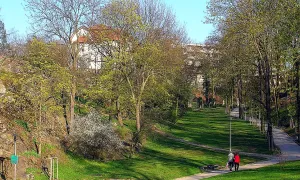
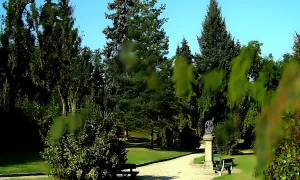
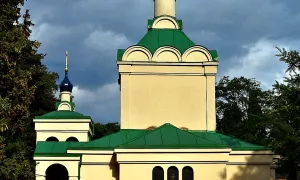
Real photos taken near the monument


Zdroj a licence jsou uvedeny u každého snímku.
Atmosphere of the place
This atmospheric visualisation of the place and period was generated by artificial intelligence. It is not real footage of the location.
Tips from visitors
No tips yet. Be the first!
Log in and add your tip.
Sources and literature
Fotografie: Nostrifikator / CC BY-SA 3.0 — Wikimedia Commons. The author and licence also appear when you hover over the image.
Faktickým podkladem tohoto textu byl článek na Wikipedii, jehož autory jsou přispěvatelé Wikipedie. Článek je dostupný pod licencí CC BY-SA 4.0.
Location on the map

Příběhy a pověsti
Legendy, pověsti a příběhy spjaté s touto památkou
Fotografie návštěvníků
Zatím žádné fotografie. Buďte první, kdo přidá fotografii z návštěvy!
Přihlaste se a přidejte svou fotografii nebo hodnoťte.
Za ověřenou návštěvu v aplikaci získáte víc bodů — poznáme podle GPS, že jste na místě.
Reviews and comments