






kaple svatého Jana Nepomuckého (Orlová) Chapel
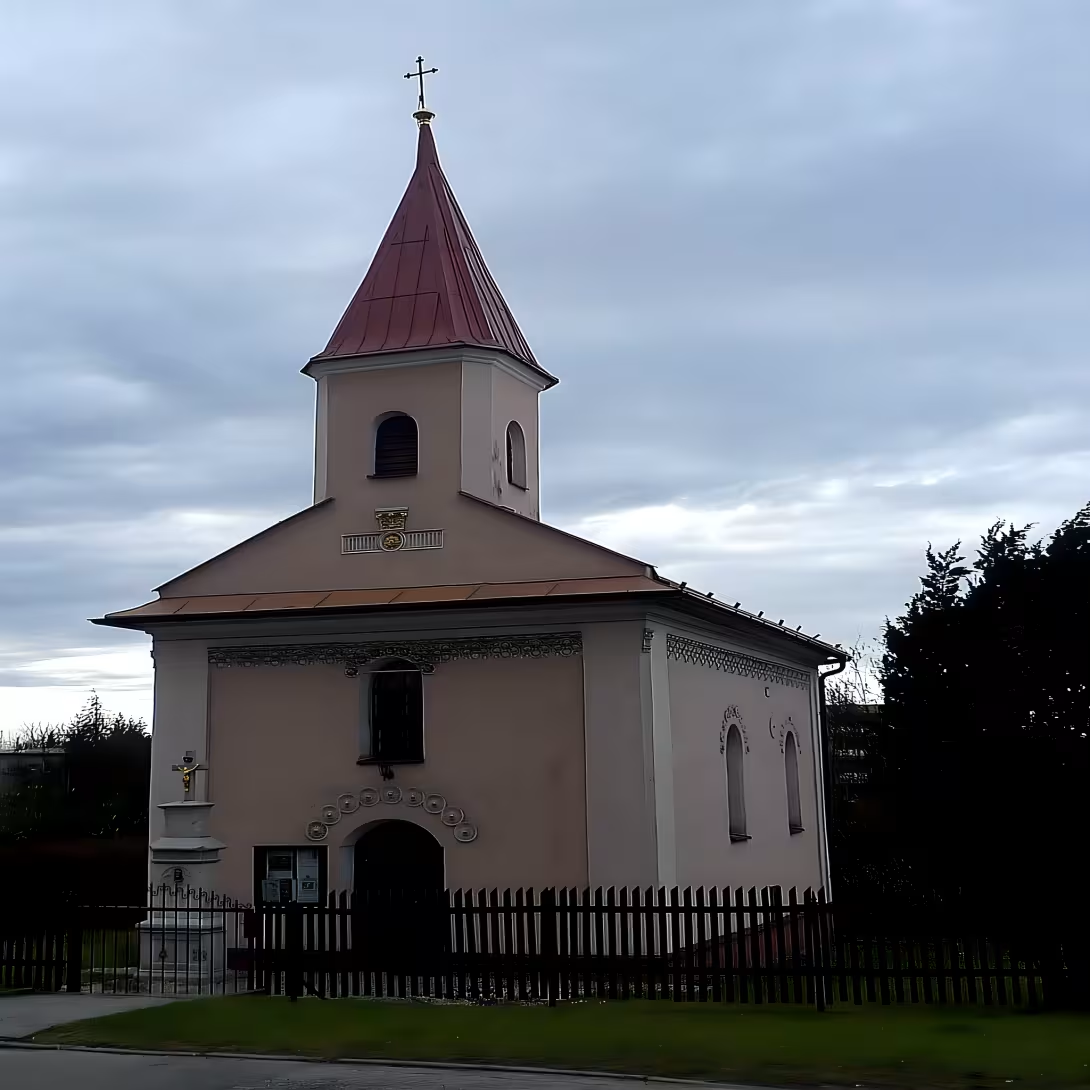
The Chapel of Saint John Nepomucene in Orlová-Lutyně stands as a testament to the rich cultural tapestry of the Moravian-Silesian Region. Located within the Karviná district, this Baroque chapel was constructed in 1854 and is one of the oldest preserved buildings in Orlová. Originally part of Polish Lutynia, it now resides in the same-named area of Orlová. The chapel serves not only as an architectural landmark but also continues to function as a place for religious services, maintaining its historical role within the community.
Built during a period marked by significant cultural and religious developments in Bohemia, the chapel's construction in 1854 reflects the Baroque architectural style prevalent in Central Europe at that time. This style is characterized by elaborate ornamentation and dramatic forms, evident in the chapel's design. Its historical significance is further underscored by its integration into the local community as a site for religious gatherings.
Architecturally, the Chapel of Saint John Nepomucene exemplifies mid-19th century Baroque aesthetics. While specific details about its construction materials and elements are not documented, it remains an important cultural landmark due to its style and continued use. The chapel's preservation over the years highlights its importance as a historical structure within Orlová.
In terms of administration, the chapel underwent a notable change approximately ten years ago when it became part of the Orlová parish. This integration signifies its ongoing relevance and connection to the local religious community. Despite changes in ownership or administrative oversight, the chapel has maintained its role as a place of worship and cultural heritage.
Today, the Chapel of Saint John Nepomucene remains accessible to visitors who wish to explore its historical and architectural significance. It continues to host religious services, offering a glimpse into the spiritual life of the community. The chapel's enduring presence in Orlová makes it a worthwhile destination for those interested in history, architecture, or cultural heritage.
Visiting this monument provides an opportunity to connect with the past while appreciating its continued relevance in contemporary society. Its preservation as one of the oldest buildings in Orlová underscores its importance and invites exploration by those curious about regional history and Baroque architecture.
Then and now
Drag the slider to compare how the landmark may have looked when it was built with the view today.
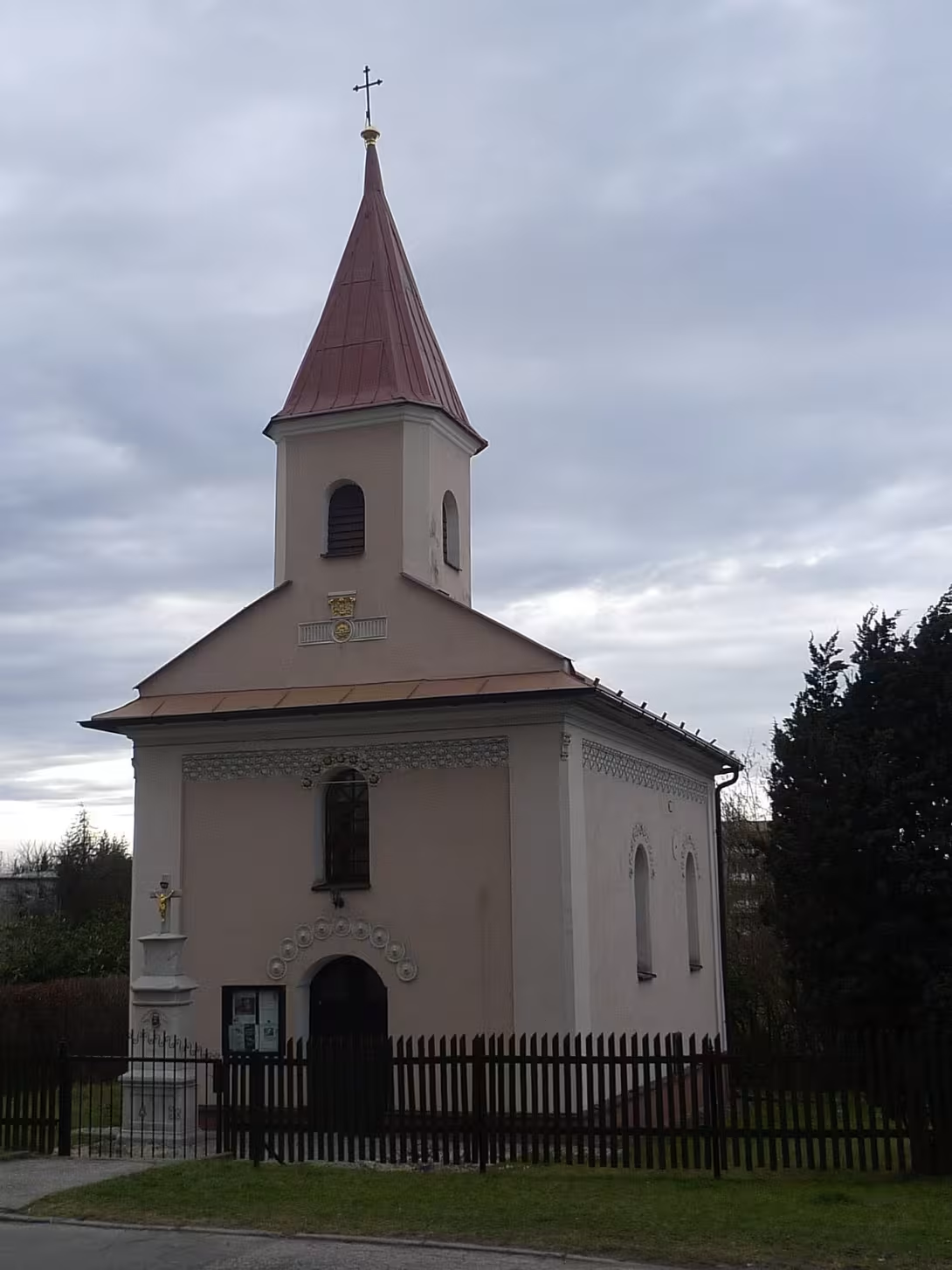
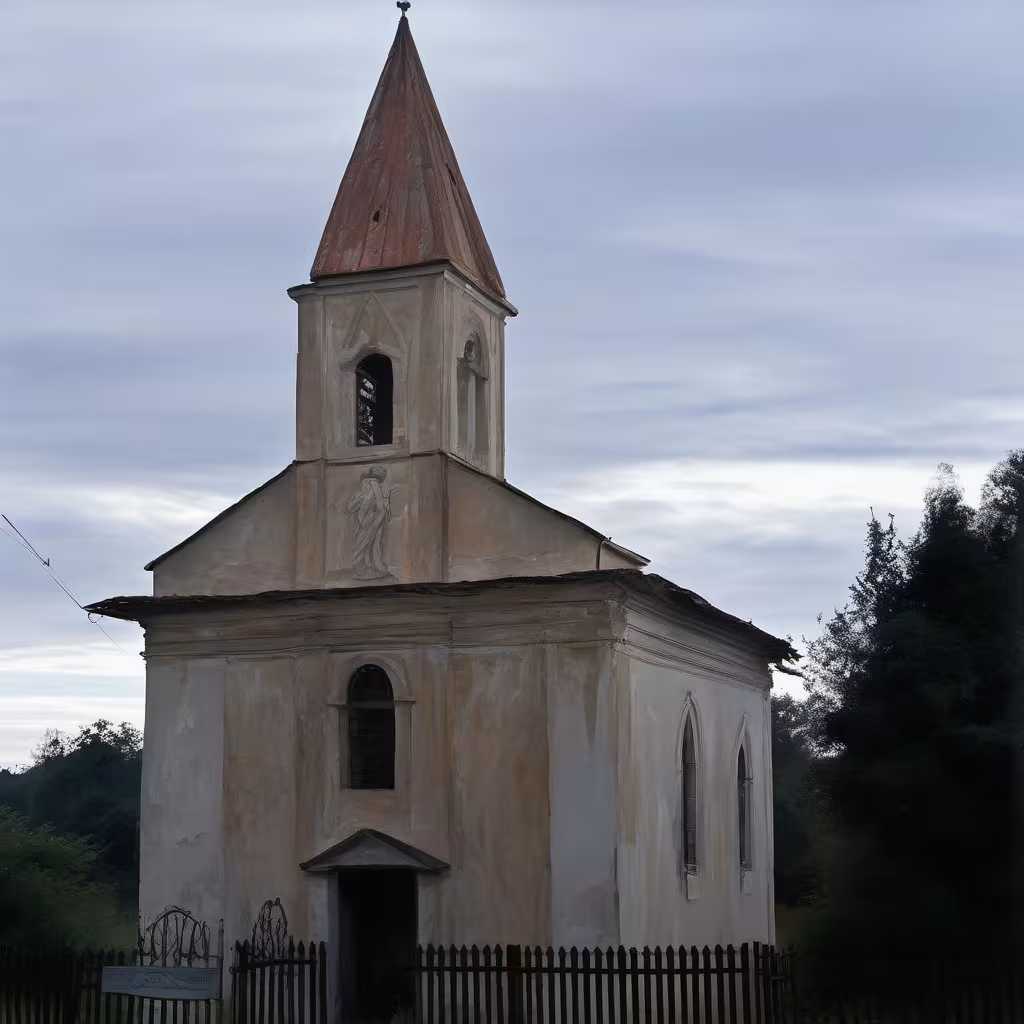
The historical appearance on the left is an AI-generated visualisation and serves as inspiration only.
Historical milestones
- 1854
- Konstrukce barokní kaple svatého Jana Nepomuckého v Orlové.
- kolem 1993
- Integrace kaple do farnosti Orlová.
Architectural development
Constructed in the baroque style typical of the mid-19th century, the chapel has remained an architectural and cultural landmark. It continues to function as a place for religious services, maintaining its historical role within the community.
Guide
This guide is narrated by a synthetic voice generated by artificial intelligence.
Show guide text
This text was created by artificial intelligence and has not been editorially reviewed. It may contain inaccuracies.
The Chapel of Saint John of Nepomuk stands in Orlová-Lutyni, in the middle of a housing estate in the city of Orlová in the Moravian-Silesian Region.
It was built in eighteen fifty-four. It thus belongs to the oldest preserved buildings on the entire territory of Orlová. In the past, the chapel belonged to Polish Lutyni, today it lies in the same-named part of the city of Orlová. Later it was annexed to the Orlová parish.
The chapel is not just an architectural monument. It still serves the faithful and masses are held in it.
Frequently asked questions
Can the monument be visited?
Religious buildings are usually open mainly during services; at other times a visit is normally arranged with the parish or the operator. We have not verified specific times.
Where is the monument?
Location: Orlová, Moravskoslezský kraj. The map on this page shows the exact spot.
Businesses nearby
Do you run a restaurant, accommodation, shop, museum, rental, wellness or other visitor service near this monument? Show yourself directly to the people heading to it — this is how they will see you in the app and on the web:
Events nearby
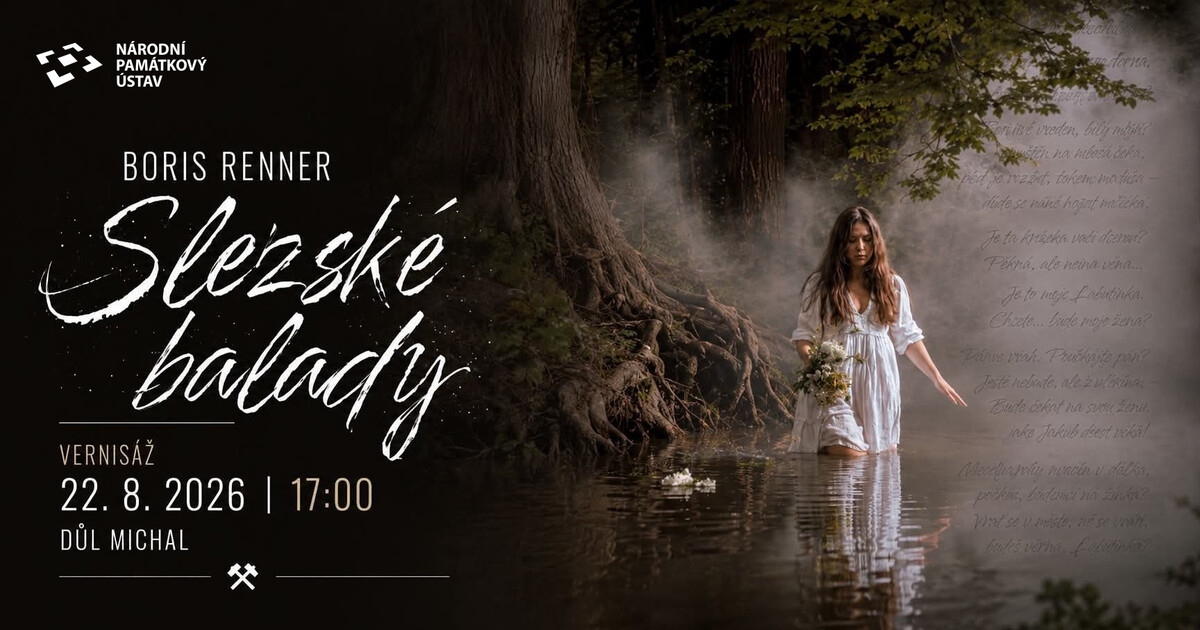
Zdroj akcí: otevřená data měst a obcí ČR (Národní katalog otevřených dat) a kalendář akcí Národního památkového ústavu.
Accommodation nearby
Themed route
Tematická výletní trasa: Kaple svatého Jana Nepomuckého (Orlová)
1. Kaple svatého Jana Nepomuckého (Orlová) - Kaple Začněte svůj výlet u této historické kaple, která je známá pro svou architektonickou krásu a duchovní význam. Postavena na místě, kde byl svatý Jan Nepomucký popraven, slouží jako místo úcty a klidu. Její jednoduchá ale působivá stavba nabízí krásný pohled na okolní krajinu.
2. Pamětní deska svatého Jana Nepomuckého - Pamětihodnost Krátce od kaple najdete pamětní desku věnovanou životu a smrti svatého Jana Nepomuckého. Tato deska poskytuje historický kontext jeho příběhu a důležitost pro místní obyvatele, kteří si udržují památku na paměti.
3. Kamenné náhrobní desky v okolí - Historický prvek Prozkoumejte okolí kaple a objevte kamenné náhrobní desky, které jsou svědky minulých generací obyvatel Orlové. Tyto desky vyprávějí o životech lidí, kteří zde žili, a přidávají hlubší historický rozměr vašemu výletu.
4. Místní park u kaple - Park Prozkoumejte mírně vzdálený místní park poblíž kaple pro relaxaci a únik do přírody. Park nabízí klidné chodníky, kde si můžete užít krásy okolního prostředí a možná i nějakého pohledu na historickou kapli z jiné perspektivy.
Tato trasa vám umožňuje prozkoumat jak kulturní, tak přírodní krásy oblasti kolem kaple svatého Jana Nepomuckého v Orlové.
Seasonal recommendations
Spring: Visiting the Chapel of Saint John Nepomucene during spring offers a refreshing experience as nature awakens around Orlová. The blooming flowers and lush greenery create an enchanting atmosphere, enhancing the chapel's historical charm with vibrant colors. This season is ideal for capturing stunning photographs in natural light, which beautifully illuminates the chapel’s intricate details. However, be mindful of occasional rain showers that can make paths slippery; wearing comfortable walking shoes and bringing a waterproof jacket is advisable. The weather is generally mild, so layers are recommended to adjust to changing temperatures throughout your visit.
Summer: Summer provides an excellent opportunity to explore the Chapel of Saint John Nepomucene with extended daylight hours, allowing for longer visits. During this season, the chapel's surroundings are lush and vibrant, offering a picturesque setting that complements its architectural beauty. However, summer can also bring larger crowds and higher temperatures, so it’s best to arrive early in the morning or later in the afternoon to avoid the midday heat and peak visitor times. Light clothing is recommended, along with sunscreen and water to stay hydrated as you enjoy the serene atmosphere.
Autumn: Autumn at the Chapel of Saint John Nepomucene presents a stunning display of fall foliage, turning the landscape into a mosaic of warm colors that beautifully frame the historic structure. The cooler temperatures make for a pleasant visit, perfect for leisurely strolls and reflection amidst nature's transformation. As days become shorter, it’s wise to plan your visit earlier in the day to take advantage of natural light. Wearing layers is advisable as temperatures can vary significantly throughout the day, ensuring comfort during your exploration.
Winter: The Chapel of Saint John Nepomucene takes on a magical ambiance during winter, with snow-covered surroundings offering a serene and picturesque backdrop. This season provides a unique opportunity to see the chapel in a tranquil setting, often quieter due to fewer visitors. Dress warmly in layers, including thermal wear and waterproof outerwear, and wear sturdy boots with good traction to navigate snowy or icy paths safely. Early visits are recommended to avoid any last-minute changes in accessibility caused by winter weather.
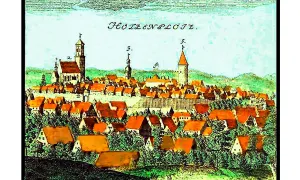
Visualizations and artistic views


The visualisations are generated by artificial intelligence and serve as inspiration.
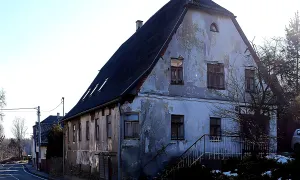
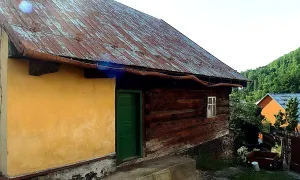
Photos from the area
Real photos taken near the monument

Zdroj a licence jsou uvedeny u každého snímku.
Tips from visitors
No tips yet. Be the first!
Log in and add your tip.
Sources and literature
Photos: Růženkaa / CC BY-SA 4.0, rozlišení zvýšeno umělou inteligencí — Wikimedia Commons. The author and licence also appear when you hover over the image.
Faktickým podkladem tohoto textu byl článek na Wikipedii, jehož autory jsou přispěvatelé Wikipedie. Článek je dostupný pod licencí CC BY-SA 4.0.
Location on the map
Příběhy a pověsti
Legendy, pověsti a příběhy spjaté s touto památkou
Fotografie návštěvníků
Zatím žádné fotografie. Buďte první, kdo přidá fotografii z návštěvy!
Log in a přidejte svou fotografii nebo hodnoťte.
Za ověřenou návštěvu v aplikaci získáte víc bodů — poznáme podle GPS, že jste na místě.
Reviews and comments