






kaple svatého Maxmiliána Chapel
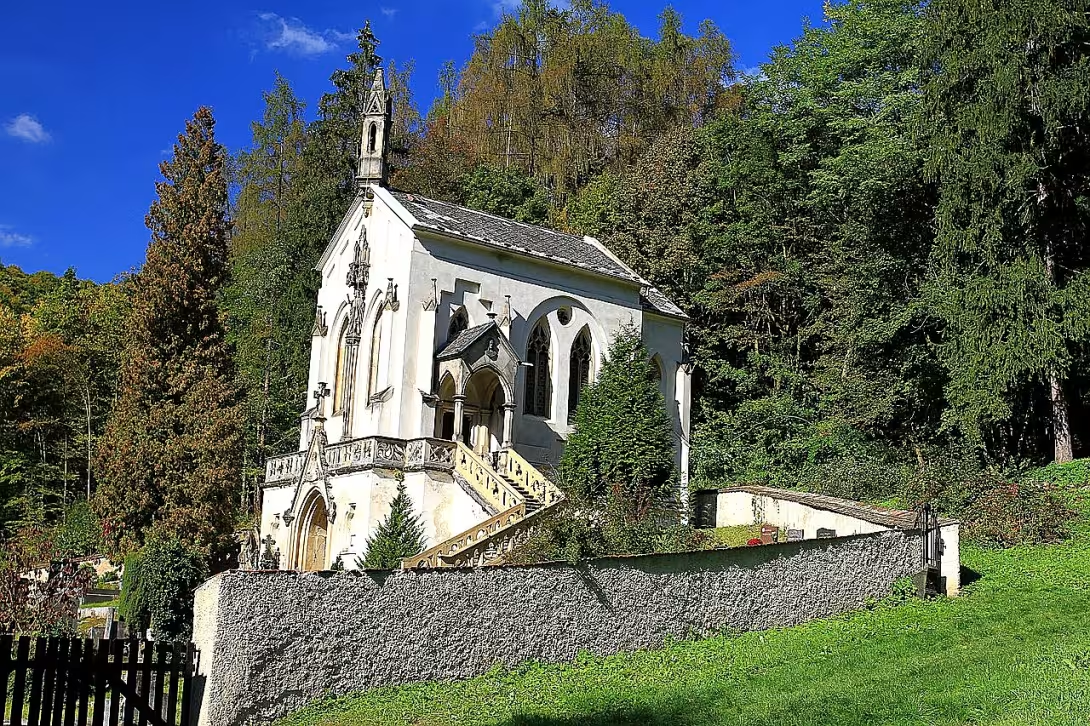
The Chapel of Saint Maximilian in Svatý Jan pod Skalou is a notable neogothic chapel built in 1849 as a family mausoleum for the Berger family. Located in Středočeský kraj, this historical monument stands out not only for its architectural style but also for its role as both a burial site and a venue for cultural events. Its significance is enhanced by connections to prominent figures of the time and ongoing restoration efforts.
Constructed during a period when Bohemia was part of the Austrian Empire, the chapel was commissioned by Maxmilián Berger. Bernard Grueber, an esteemed architect who served as a professor at the German Polytechnic in Prague from 1844 to 1874, designed it. The chapel features neogothic architecture, characterized by its portico with a cross atop and mosaic-like stained glass windows that add to its aesthetic appeal.
The chapel includes a crypt where members of the Berger family are interred, including Maxmilián Berger himself, his wife Walburga z Lacknerů, and their descendants. A notable curiosity is the statue of an angel standing before the chapel with a tombstone for Karl Berger, who was not buried in the crypt due to suicide. The interior houses a simple altar adorned with a cross, surrounded by coffins on either side.
Ownership transitioned from the Berger family to the municipality of Svatý Jan pod Skalou over time. This shift reflects broader historical changes and the community's commitment to preserving this cultural heritage site. In 1967, a storm caused significant damage, leading to an extensive reconstruction process that began in the 1980s and continues today.
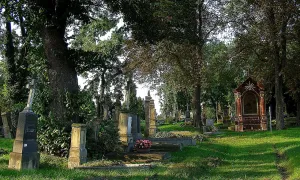
Currently, the Chapel of Saint Maximilian serves as both a place of historical interest and a venue for various cultural activities. Its location near Svatý Jan pod Skalou, surrounded by natural landscapes, adds to its allure. The adjacent cemetery has been used as a filming location for TV series like 'První republika' and 'Svatby v Benátkách,' further highlighting the chapel's cultural significance.
Visitors today can explore this monument that beautifully blends historical architecture with modern-day cultural relevance. Its ongoing restoration efforts underscore the community's dedication to preserving its heritage, making it a worthwhile destination for those interested in history, architecture, or simply experiencing a piece of Czech culture.
Then and now
Drag the slider to compare how the landmark may have looked when it was built with the view today.
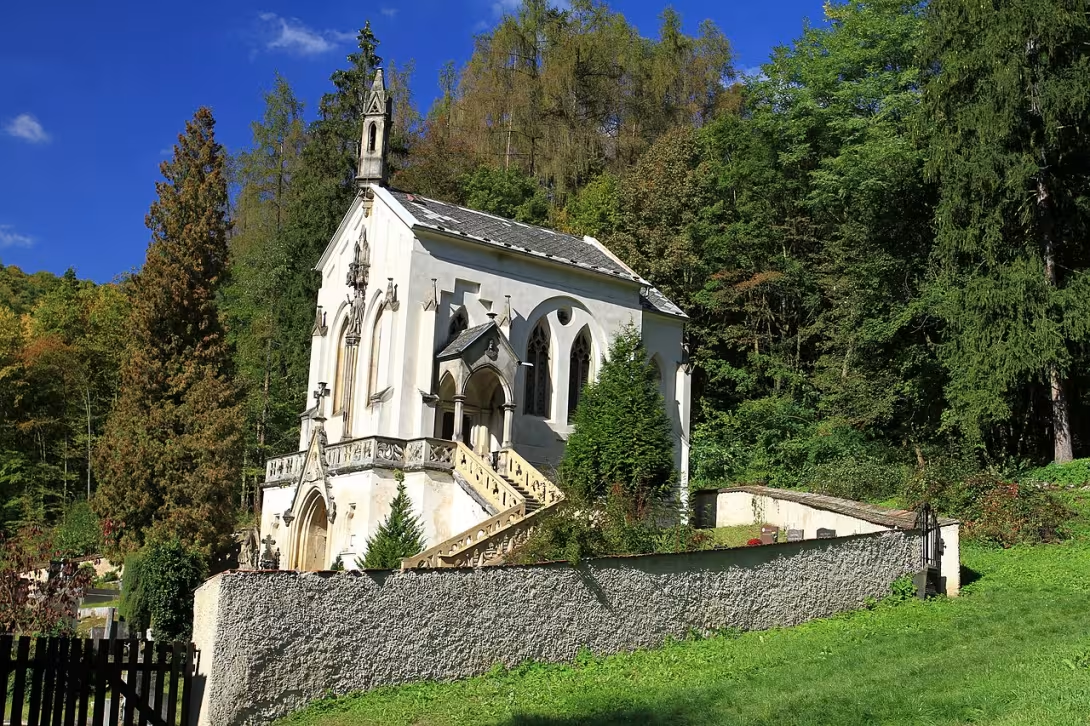
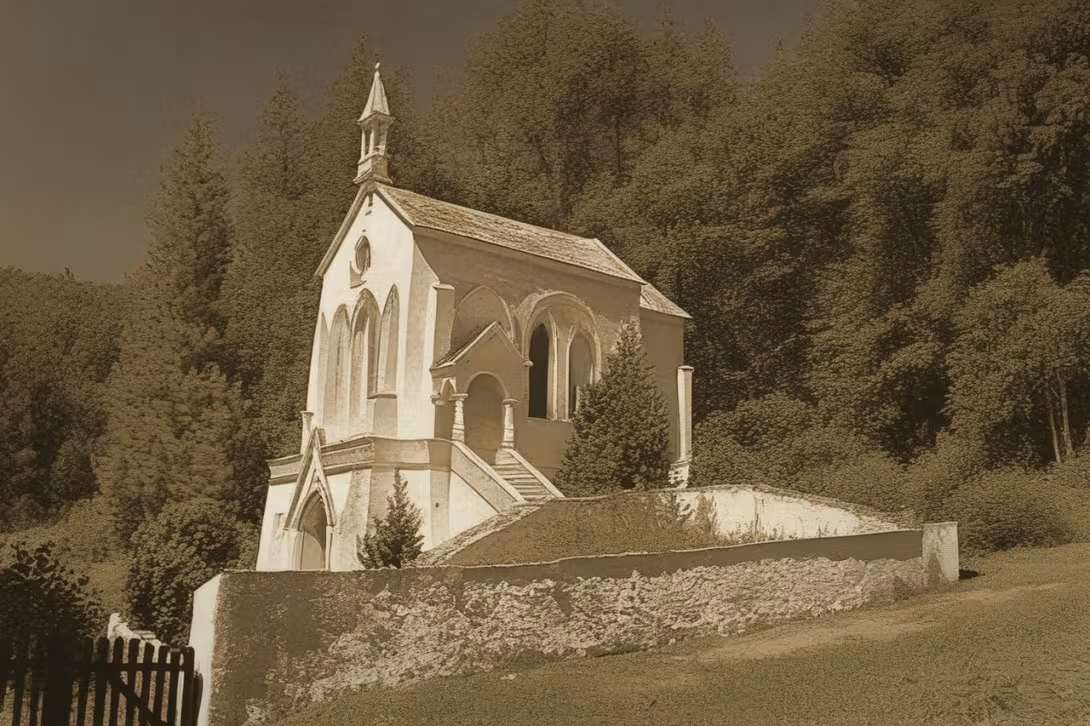
The historical appearance on the left is an AI-generated visualisation and serves as inspiration only.
Historical milestones
- 1849
- Construction of the Chapel of Saint Maximilian as a family mausoleum for the Berger family.
- 1844
- Bernard Grueber begins his work at the German Polytechnic in Prague, contributing to his architectural design of the chapel.
- 1874
- Bernard Grueber ends his tenure at the German Polytechnic in Prague, concluding his direct architectural influence.
- 1967
- A severe storm causes significant damage to the chapel.
- 1980
- Restoration work on the chapel begins after storm damage.
Architectural development
The Chapel of Saint Maximilian was designed by Bernard Grueber and constructed with contributions from Prague stonemason Jedlička. It features neogothic architecture, including a portico in gothic style and stained glass windows. The chapel has undergone several phases of reconstruction due to damage over the years.
Historical events
- 1849
- Construction of the Chapel of Saint Maximilian was completed.
- 1967
- A storm caused significant damage to the chapel, leading to a long-term reconstruction process starting in the 1980s.
Owners
Originally commissioned by Maxmilián Berger, the chapel is currently owned by the municipality of Svatý Jan pod Skalou.
Points of interest
- The Chapel of Saint Maximilian is unique for having a statue of an angel with a tombstone dedicated to Karl Berger, who was not buried in the crypt due to his suicide. This reflects the societal norms and beliefs about burial practices during that era.
- Bernard Grueber, the architect behind the chapel's design, also contributed significantly to Prague's architectural landscape as a professor at the German Polytechnic from 1844 to 1874, influencing many prominent structures in the region with his neogothic style expertise.
- Despite being originally commissioned by Maxmilián Berger for his family, ownership of the chapel transitioned to the municipality of Svatý Jan pod Skalou. This change highlights how local governance evolved over time and reflects broader historical shifts in property management within Bohemia during the 19th and 20th centuries.
- The chapel's reconstruction efforts following a storm in 1967 have been ongoing since the 1980s, showcasing a long-term commitment to preserving cultural heritage amid challenges. This dedication underscores the community’s resilience and prioritization of historical preservation.
- Interestingly, the cemetery adjacent to the Chapel of Saint Maximilian has served as a filming location for TV series such as 'První republika' and 'Svatby v Benátkách.' This dual role as both a cultural heritage site and a backdrop for modern media productions highlights its enduring appeal and versatility.
Guide
This guide is narrated by a synthetic voice generated by artificial intelligence.
Show guide text
This text was created by artificial intelligence and has not been editorially reviewed. It may contain inaccuracies.
Welcome to the Chapel of Saint Maximilian, a stunning example of neogothic architecture nestled in Svatý Jan pod Skalou. As you stand before this historical gem, take a moment to absorb its serene presence and intricate design.
The chapel was constructed in 1849 as a family mausoleum for the Berger family, reflecting both personal significance and broader architectural trends of the time. Bernard Grueber, an influential architect who began teaching at the German Polytechnic in Prague in 1844, played a pivotal role in its creation. His expertise lent the chapel its distinctive neogothic flair, characterized by elegant lines and spiritual symbolism. Although Grueber concluded his tenure there in 1874, his architectural vision continues to resonate through this structure.
As you gaze upon the chapel, notice its portico crowned with a cross—a hallmark of gothic design. The windows, adorned with mosaic-like stained glass, cast vibrant colors across the interior, inviting contemplation and wonder. This attention to detail not only enhances the chapel's beauty but also serves as a testament to Grueber’s architectural prowess.
The history of this place is enriched by notable figures such as Maxmilián Berger and Walburga z Lacknerů, whose lives were intertwined with its existence. The chapel holds more than just their memories; it embodies stories of love, loss, and societal norms of the era.
Among these tales is a particularly intriguing one: an angel statue stands guard over a tombstone dedicated to Karl Berger, who was not buried in the crypt due to his suicide—a poignant reflection of the period's burial practices. This detail adds a layer of mystery and depth to your visit, inviting you to ponder the complexities of history.
In 1967, a fierce storm inflicted significant damage upon the chapel, but it rose again through restoration efforts that began in 1980. These events underscore the resilience and enduring significance of this sacred site.
As we conclude our tour, I encourage you to explore further, perhaps wandering around its grounds or delving deeper into its history. The Chapel of Saint Maximilian is not just a structure; it's a narrative woven through time, waiting for each visitor to discover their own connection. Thank you for joining me on this journey, and may your visit be both enlightening and inspiring.
Tips for visitors
The best time to visit the Chapel of Saint Maximilian is during late spring or early autumn, when the weather is pleasant for exploring the surrounding natural landscapes. During these months, you can enjoy the lush greenery and blooming flowers without the crowds typically found in summer. Additionally, the lighting conditions are ideal for photography, with soft morning light providing a perfect ambiance.
Parking near Svatý Jan pod Skalou is available, but it's advisable to check local resources or maps prior to your visit as spaces can be limited during peak times. Public transport options include buses that connect to nearby towns; however, specific routes and schedules should be verified through a transportation search tool before planning your trip.
When visiting the Chapel of Saint Maximilian, consider bringing comfortable walking shoes, especially if you plan to explore the surrounding cemetery or natural areas. A camera is recommended for capturing the chapel's neogothic architecture and picturesque landscapes. Additionally, bring water and snacks as there may be limited facilities nearby.
For photography enthusiasts, some of the best spots include the entrance of the chapel where its architectural details are most visible, and the surrounding cemetery which offers a serene backdrop. Early morning or late afternoon light can enhance the chapel's features, creating dramatic shadows and highlights.
Nearby attractions within 30 minutes include the filming locations used for TV series like 'První republika' and 'Svatby v Benátkách', offering an interesting cultural experience. These sites provide a glimpse into Czech television history and are worth exploring if you have time after visiting the chapel.
Businesses nearby
Events nearby
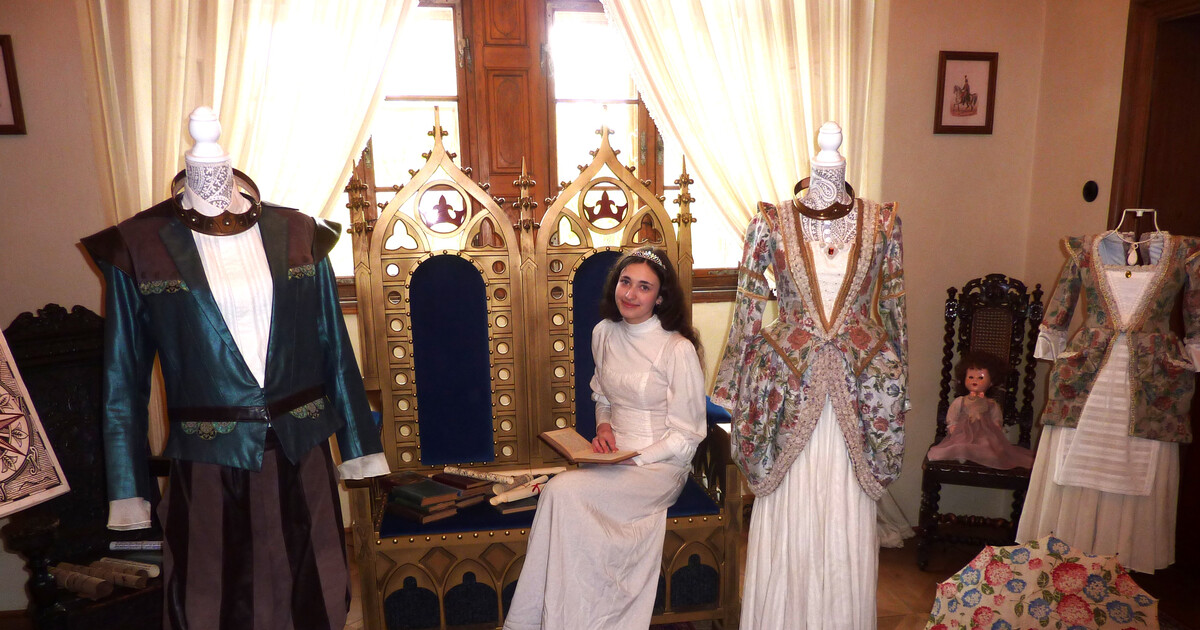



Zdroj akcí: otevřená data měst a obcí ČR (Národní katalog otevřených dat) a kalendář akcí Národního památkového ústavu.
Nearby
The chapel is located near Svatý Jan pod Skalou, surrounded by natural landscapes. The area includes a cemetery and has been used as a filming location for TV series like 'První republika' and 'Svatby v Benátkách'.
Accommodation nearby
Trips and activities nearby
Guided tours, tickets and activities nearby from GetYourGuide
Affiliate link: if you buy from the partner, we may receive a commission. The price for you does not change.
Search tours and activities →Themed route
Thematic Walking Tour: Svatý Jan pod Skalou
1. Chapel of Saint Maximilian (Kaple svatého Maxmiliána) - Type: Religious Site - Why Visit: Start your journey at the Chapel of Saint Maximilian, a serene and picturesque site nestled in the natural landscapes surrounding Svatý Jan pod Skalou. This chapel is not only a place of worship but also a cultural landmark that has served as a filming location for TV series like 'První republika' and 'Svatby v Benátkách', offering visitors a glimpse into its cinematic history.
2. Local Cemetery - Type: Historical Site - Why Visit: A short walk from the chapel, the local cemetery offers a tranquil setting that reflects the historical depth of Svatý Jan pod Skalou. As you stroll through this peaceful area, take time to appreciate the architecture and inscriptions on the tombstones, which tell stories of generations past.
3. Filming Locations in the Area - Type: Cultural Landmark - Why Visit: Explore various spots around Svatý Jan pod Skalou that have been used as filming locations for popular TV series. These sites provide a unique opportunity to connect with Czech television history and imagine scenes from 'První republika' or 'Svatby v Benátkách' coming to life in the very landscapes you are walking through.
This thematic tour offers an intimate exploration of Svatý Jan pod Skalou, focusing on its cultural and historical significance while enjoying the natural beauty that surrounds these landmarks.
```Seasonal recommendations
Spring: The spring season at the Chapel of Saint Maximilian is characterized by a rejuvenating atmosphere as nature awakens around Svatý Jan pod Skalou. Visitors can enjoy the soft, warm light filtering through budding trees and vibrant wildflowers that blanket the landscape. This time of year offers a peaceful experience with fewer crowds, allowing for a more intimate exploration of the chapel's surroundings. Practical advice includes wearing layers to accommodate the variable weather and planning your visit in the late morning or early afternoon when the sun is most gentle.
Summer: Summer brings an abundance of light and life to the Chapel of Saint Maximilian, making it ideal for those who enjoy exploring historical sites under clear skies. The lush greenery around Svatý Jan pod Skalou creates a picturesque backdrop, perfect for photography enthusiasts. However, this season also sees increased visitor numbers during peak times, so arriving early in the day is recommended to avoid larger crowds. Comfortable walking shoes and light clothing are advisable due to warmer temperatures.
Autumn: Autumn at the Chapel of Saint Maximilian offers a stunning display of colors as the foliage around Svatý Jan pod Skalou turns into shades of red, orange, and gold. The cooler air enhances the serene atmosphere, making it an excellent time for reflection and appreciation of nature's beauty. With fewer visitors compared to summer, you can enjoy a more tranquil experience. Dressing in layers is essential as temperatures can vary significantly throughout the day.
Winter: Winter transforms the Chapel of Saint Maximilian into a quiet, almost mystical space under a blanket of snow. The stark contrast between the white landscape and the chapel's architecture creates a unique visual appeal. However, shorter daylight hours mean that visits should be planned during midday for optimal lighting conditions. Due to potential closures or reduced opening times in winter, checking ahead is advisable. Warm clothing, including hats and gloves, is essential to stay comfortable during your visit.
```Visualizations and artistic views


The visualisations are generated by artificial intelligence and serve as inspiration.
Photos from the area
Real photos taken near the monument


Zdroj a licence jsou uvedeny u každého snímku.
Tips from visitors
No tips yet. Be the first!
Log in and add your tip.
Sources and literature
Fotografie: Ondřej Kořínek / CC BY-SA 3.0 — Wikimedia Commons. The author and licence also appear when you hover over the image.
Faktickým podkladem tohoto textu byl článek na Wikipedii, jehož autory jsou přispěvatelé Wikipedie. Článek je dostupný pod licencí CC BY-SA 4.0.
Location on the map
Příběhy a pověsti
Legendy, pověsti a příběhy spjaté s touto památkou
Fotografie návštěvníků
Zatím žádné fotografie. Buďte první, kdo přidá fotografii z návštěvy!
Přihlaste se a přidejte svou fotografii nebo hodnoťte.
Za ověřenou návštěvu v aplikaci získáte víc bodů — poznáme podle GPS, že jste na místě.
Reviews and comments