






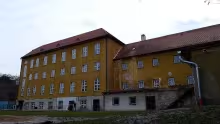
Kapucínský Klášter na Jejkově is a cultural monument located in Třebíč, within the Vysočina Region of the Czech Republic. Established as a Baroque monastery for the Capuchin order in 1684 on the site of a former Moravian Unity brotherhood, it served religious and educational purposes until its closure in 1950. The complex includes the Church of the Transfiguration of the Lord, completed in 1693, which now functions as a parish church. Today, the monastery houses the Catholic Gymnasium Třebíč, making it historically and culturally significant.
The origin of Kapucínský Klášter na Jejkově is rooted in Counter-Reformation efforts across Europe during the late 17th century, aimed at reinforcing Catholic influence following the Protestant Reformation. Founded in 1684 by František Augustin z Valdštejna on the site of a former Moravian Unity brotherhood (established between 1520 and 1524), this period saw significant religious and architectural developments within Bohemia, reflecting broader European trends.
Architecturally, the monastery was constructed between 1687 and 1690 by architect Jiří Mnichovský. The complex features a Baroque church completed in 1693, integral to its history. Over the years, it underwent several reconstructions, notably after fires in 1822 and 1847. Despite these challenges, significant renovations were carried out in the late 19th and early 20th centuries, ensuring architectural preservation.
Ownership and administration of the monastery have seen dramatic changes over time. Initially under the Capuchin Order from 1684 until 1950, it later came under the control of the Czechoslovak State Administration for Church Affairs following World War II. In April 1950, the monastery was closed and nationalized as part of Akce K, marking the end of its religious function.
Throughout its history, Kapucínský Klášter na Jejkově has witnessed several key events and curiosities. The site originally included an orchard and pond belonging to the Moravian Unity brotherhood, with a notable fire in 1847 destroying much of the monastery while sparing the church. Additionally, it once housed Pohřební zahrada, a significant horticultural feature serving as a burial site for local nobility.
Today, Kapucínský Klášter na Jejkově stands as a testament to its rich history and architectural beauty. Visitors can explore the preserved structures of the monastery and the Church of the Transfiguration of the Lord, now serving as a parish church. The presence of the Catholic Gymnasium Třebíč adds an educational dimension to this historical site. Its significance is further enhanced by its proximity to other historical landmarks in the region, such as the Basilica of Saint Procopius.
Kapucínský Klášter na Jejkově offers a unique glimpse into the religious and cultural history of the Czech Republic. Its enduring legacy invites visitors to explore its storied past and appreciate the architectural splendor that has withstood the test of time. Whether interested in history, architecture, or education, this site is well worth a visit.
Historical milestones
- 1684
- Foundation of the Capuchin monastery.
- 1693
- Completion of the Church of the Transfiguration of the Lord.
Architectural development
The monastery was built between 1687 and 1690 on the site of a former Unity brotherhood. It underwent several reconstructions, notably after fires in 1822 and 1847. The complex includes a baroque church completed in 1693. Significant renovations occurred in the late 19th and early 20th centuries.
Historical events
Established in 1684 by František Augustin z Valdštejna.
Church completed in 1693, serving as a parish church since 1784.
Monastery closed and nationalized in 1950.
Owners
Capuchin Order (1684-1950)
Czechoslovak State Administration for Church Affairs (post-1948)
Points of interest
- The Kapucínský Klášter na Jejkově was established on the site of a former Moravian Unity brotherhood, which dates back to between 1520 and 1524. This reflects an interesting layering of religious history where a Catholic institution replaced a Protestant community.
- A notable fire in 1847 destroyed much of the monastery complex but remarkably left the Church of the Transfiguration of the Lord intact. This event highlights both the vulnerability and resilience of historical structures to natural disasters.
Guide
Show guide text
Welcome to the Kapucínský klášter na Jejkově, a remarkable cultural monument nestled in Třebíč, within the serene Vysočina Region. As you stand here, take a moment to absorb the peaceful aura of this historical site. The air carries whispers of its storied past, inviting you on a journey through time.
This monastery was founded in 1684 as a baroque sanctuary for the Capuchin order, replacing an earlier Moravian Unity brotherhood that had thrived here between 1520 and 1524. This transition from a Protestant community to a Catholic institution adds a fascinating layer of religious history, reflecting broader historical shifts.
As you gaze upon the complex, notice its architectural elegance. The Church of the Transfiguration of the Lord, completed in 1693, stands as a testament to the vision of architect Jiří Mnichovský. Its design is an embodiment of baroque splendor, characterized by harmonious proportions and intricate details that captivate the eye.
The site has been home to many notable figures, including František Augustin z Valdštejna, whose influence permeated through its walls. Their stories are woven into the very fabric of this place, adding depth to your exploration.
One intriguing aspect of this monastery is its resilience; despite a devastating fire in 1847 that left scars on its structure, it continued to serve as a beacon of faith and education until its closure in 1950. This tale of endurance adds an element of mystery and admiration for the spirit of those who once walked these grounds.
As you continue your visit, allow yourself to be drawn into this rich tapestry of history and architecture. Feel free to wander through the open spaces, imagining the lives that have intersected here over centuries. Each step is a chance to connect with the past in a deeply personal way.
Thank you for joining us on this journey through time at Kapucínský klášter na Jejkově. We hope your visit has been enlightening and inspiring, leaving you with memories that linger long after today. Should curiosity beckon, we invite you to explore further and discover more hidden stories within these walls. Farewell for now, and may the echoes of history continue to guide your path.
Tips for visitors
The best time to visit Kapucínský klášter na Jejkově is during the late spring or early autumn months, from May to September. During these times, the weather is typically mild and pleasant, making it ideal for exploring both the monastery's grounds and enjoying a walk through the surrounding Vysočina landscape. The natural light during this period also enhances the architectural beauty of the baroque structures.
Parking and transportation options are convenient for visitors to Kapucínský klášter na Jejkově. There is parking available near the site, suitable for both cars and buses. For those preferring public transport, various routes can take you close to Třebíč, from where a short drive or walk will lead you to the monastery. It's advisable to check current transportation options in advance to ensure a smooth journey.
When visiting Kapucínský klášter na Jejkově, it is recommended to bring comfortable walking shoes as there are several areas of interest within and around the site that may require some walking. Additionally, consider bringing a camera or smartphone for photography, especially if you plan to capture the stunning architecture and serene landscapes. Sunscreen and water are also advisable during warmer months.
Photography enthusiasts will find several spots at Kapucínský klášter na Jejkově that offer excellent opportunities for capturing its architectural beauty. The best light is often in the early morning or late afternoon when the sun casts soft shadows, highlighting the intricate details of the baroque structures. Exploring different angles around the monastery can also provide unique perspectives.
For those interested in exploring nearby attractions within a 30-minute drive from Kapucínský klášter na Jejkově, Třebíč is an excellent destination. It houses the UNESCO World Heritage Site of the Basilica of Saint Procopius and other historical sites that offer insight into the region's rich cultural heritage. The natural landscapes around Vysočina also provide opportunities for outdoor activities.
Businesses nearby
Do you run a restaurant, accommodation, shop, museum, rental, wellness or other visitor service near this monument? Show yourself directly to the people heading to it — this is how they will see you in the app and on the web:
Nearby
Located near Třebíč, the area features historical sites such as the Basilica of Saint Procopius. The surrounding landscape includes natural features typical of the Vysočina Region.
Accommodation nearby
Themed route
Thematic Route: Historical and Cultural Exploration of Jejkov
1. Kapucínský klášter na Jejkově (Monastery) - Type: Religious and historical site. - Why Visit: Begin your journey at the heart of Jejkov with this serene Capuchin Monastery, established in 1655. The monastery is renowned for its beautiful Baroque architecture and tranquil atmosphere, offering a glimpse into the spiritual life of the past centuries. It's an ideal starting point to immerse yourself in the historical essence of Jejkov.
2. Basilica of Saint Procopius (Třebíč) - Type: Historical religious site. - Why Visit: Located approximately 10 kilometers from Jejkov, this UNESCO World Heritage Site is a masterpiece of Romanesque architecture and an important cultural landmark in the Vysočina Region. The basilica's stunning frescoes and intricate design make it a must-see for anyone interested in medieval art and history.
3. Historical Center of Třebíč - Type: Urban historical area. - Why Visit: After exploring the Basilica, take time to wander through the historic center of Třebíč. This area is a living museum showcasing traditional architecture and vibrant cultural life. It offers insights into the region's past while providing charming streetscapes perfect for leisurely exploration.
4. Jejkov Village - Type: Rural community. - Why Visit: Return to Jejkov village after your visit to Třebíč, where you can experience the peaceful rural life of the Vysočina Region. The village's traditional houses and scenic landscapes provide a perfect backdrop for reflection on the day’s historical discoveries.
5. Kapucínský klášter na Jejkově (Monastery) - Cloister Gardens - Type: Monastic garden. - Why Visit: Conclude your thematic route by revisiting the monastery's cloister gardens, offering a tranquil setting for contemplation and relaxation. The well-maintained gardens reflect the monastic commitment to beauty and simplicity, providing a serene end to your cultural journey.
This route offers a comprehensive exploration of Jejkov’s historical and cultural heritage while connecting with the broader historical context of the Vysočina Region through nearby Třebíč.
Seasonal recommendations
Spring: The Kapucínský klášter na Jejkově comes to life with the vibrant colors of blooming flowers and fresh greenery enveloping its historic structures, creating a picturesque setting that's both serene and inspiring. As daylight extends into the evening, visitors can enjoy the soft glow of natural light accentuating the intricate details of the architecture. This season often sees moderate visitor numbers, making it an ideal time to explore the monastery at a leisurely pace. It is advisable to wear layers as temperatures can vary throughout the day, and carrying a light rain jacket might be wise due to occasional spring showers.
Summer: During the summer months, the Kapucínský klášter na Jejkově offers an enchanting atmosphere with lush surroundings and warm sunshine casting long shadows across its ancient walls. This period marks the peak tourist season, so arriving early in the day can help avoid larger crowds. Comfortable walking shoes are recommended for exploring both the monastery grounds and nearby trails. Light, breathable clothing is essential to stay cool under the summer sun, and don't forget sunscreen and a hat to protect against UV rays.
Autumn: Autumn at the Kapucínský klášter na Jejkově provides a stunning display of fall foliage, with vibrant reds, oranges, and yellows creating a breathtaking backdrop for photographs. The cooler temperatures make it an ideal time for longer visits without the summer heat. As days shorten, bringing along a light jacket or sweater is advisable to stay comfortable during evening explorations. This season typically sees fewer visitors than summer, offering a more tranquil experience.
Winter: The monastery transforms into a serene winter wonderland with snow-covered grounds and frosty air adding an ethereal quality to its historic beauty. Shorter daylight hours mean planning visits earlier in the day is wise, as some facilities may close sooner due to weather conditions. Warm clothing, including thermal layers, gloves, and a hat, is essential for comfort during your visit. Despite potentially icy paths, the quietness of winter can make for a peaceful exploration, with fewer crowds enhancing the sense of solitude amidst the historic surroundings.
Visualizations and artistic views


Vizualizace jsou generovány umělou inteligencí a slouží jako inspirace.


Tips from visitors
No tips yet. Be the first!
Log in and add your tip.



Reviews and comments