






Kostel Panny Marie Humberské Church
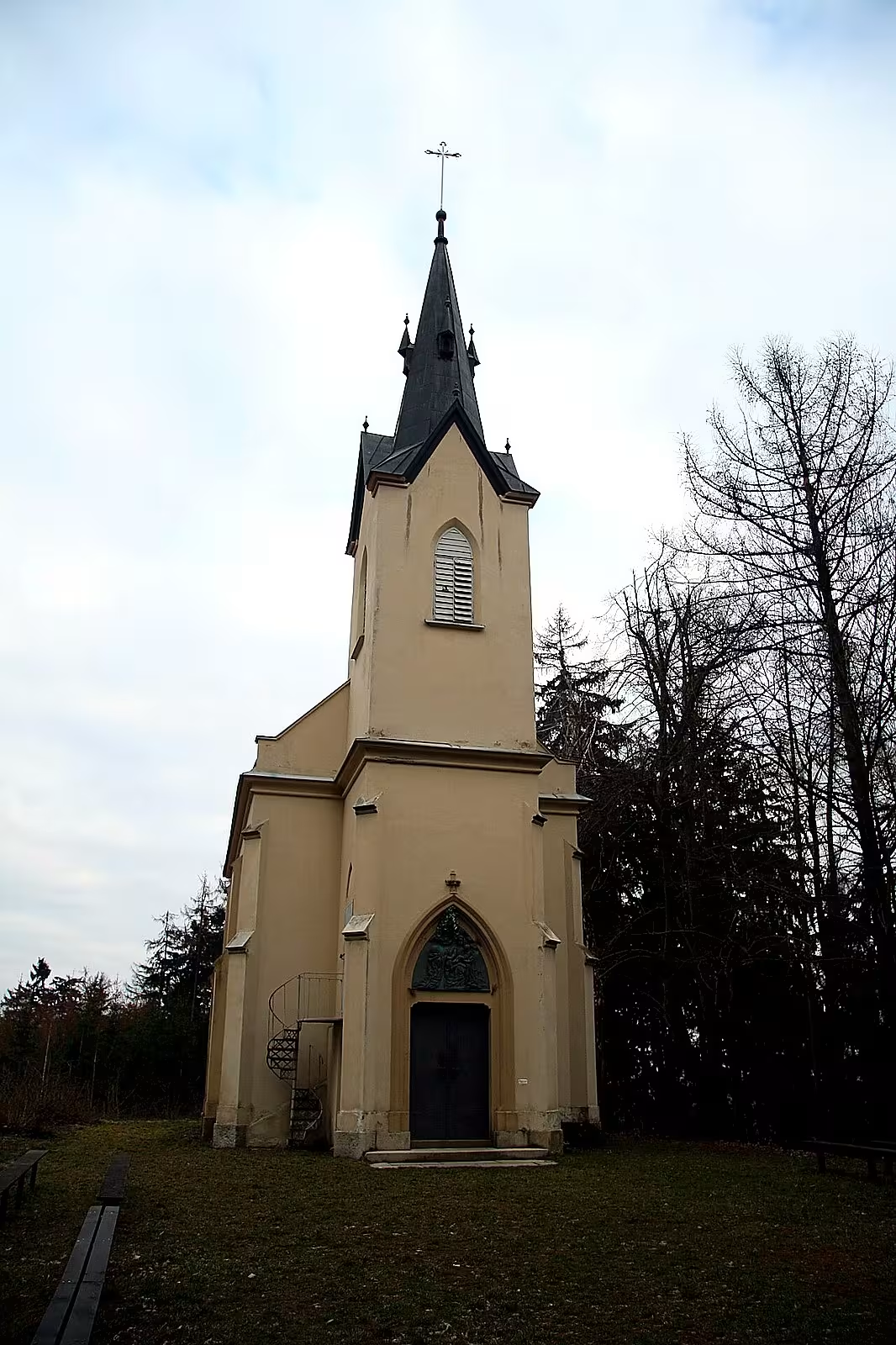
The Church of Our Lady of Humberské, also known as the Chapel of Our Lady of Humberské, is a neo-Gothic single-nave structure on Humberkovy Hill near Krasonice in the Vysočina Region. It serves as a filial church for the Roman Catholic parish in Krasonice and is historically significant due to Count Karel Maxmilián Thurn's miraculous healing.
Constructed in 1901, it replaced an earlier chapel built in 1664 by the same count as gratitude for his recovery from eye problems. The original chapel was erected on Humberkovy Hill following Count Thurn’s recovery from eye ailments, which he attributed to divine intervention after bathing in a local well. Over time, this structure underwent several expansions and modifications. By 1772, it had been vaulted, and its altarpiece adorned with silver crowns. However, during the Josephine reforms of 1784, the chapel faced secularization, leading to the sale of its assets at public auction. Despite these challenges, local volunteers undertook restoration efforts, ensuring its continued use and significance.
Architecturally, the new neo-Gothic chapel constructed in 1901 reflects broader European trends of reviving medieval aesthetics during the late 19th and early 20th centuries under Austro-Hungarian rule. The structure features a polygonal closure with a four-sided tower supported by buttresses. Its stained glass windows, crafted by Benedikt Škarda of Brno, add to its artistic allure, while a memorial plaque commemorates pilgrim Antonín Cyril Stojan, installed in 2001.
Throughout its history, the chapel has been closely associated with Count Karel Maxmilián Thurn. The original image of Our Lady of Humberské, brought by the count from Italy, remains housed within the chapel. This connection underscores the site's historical and cultural importance as a place of pilgrimage and gratitude.
Today, the Church of Our Lady of Humberské stands as a protected cultural monument in the Czech Republic. Its neo-Gothic architecture, storied past, and artistic elements make it a compelling destination for visitors. The chapel offers insight into regional religious history and serves as a testament to community resilience and devotion. Visitors are invited to explore this remarkable site, where history and artistry converge in serene natural surroundings.
Then and now
Drag the slider to compare how the landmark may have looked when it was built with the view today.
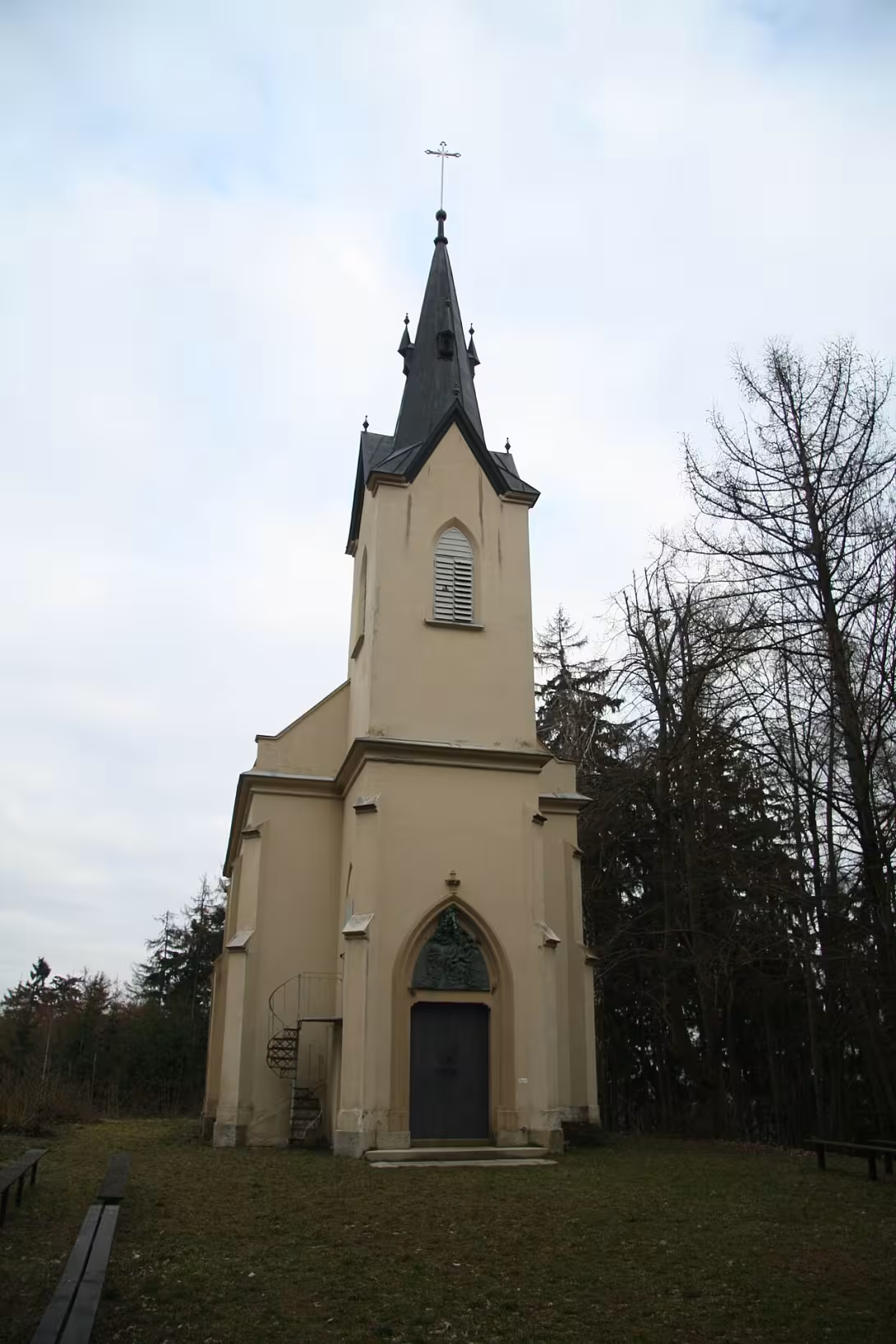

The historical appearance on the left is an AI-generated visualisation and serves as inspiration only.
Historical milestones
- 1664
- Count Karel Maxmilián Thurn built the original chapel.
- 1772
- The chapel was vaulted and its altarpiece adorned with silver crowns.
- 1784
- Secularization during Josephine reforms led to the sale of chapel assets.
- 1901
- Construction of the neo-Gothic chapel completed.
- 2001
- Installation of a memorial plaque for pilgrim Antonín Cyril Stojan.
Architectural development
The original chapel built in 1664 underwent several expansions and modifications over time. By 1772, it had been vaulted, and its altarpiece adorned with silver crowns. The chapel was secularized during Josephine reforms in 1784 but was later restored by volunteers. In 1901, a new neo-Gothic chapel was erected on the same site, featuring decorative interior paintings.
Historical events
- 1664
- The original chapel was built by Count Karel Maxmilián Thurn as a token of gratitude for his recovery from eye problems.
- 1901
- A new neo-Gothic chapel was constructed on the site, replacing the earlier structure.
Points of interest
- The Church of Our Lady of Humberské is linked to Count Karel Maxmilián Thurn's recovery from eye ailments in 1664, which he attributed to divine intervention after bathing in a local well. This event led him to build the original chapel as an act of gratitude.
- During the Josephine reforms of 1784, the chapel underwent secularization and its assets were sold at public auction, reflecting broader European Enlightenment-era policies that often targeted religious institutions for reform or suppression.
- The stained glass windows in the neo-Gothic structure are crafted by Benedikt Škarda from Brno, adding a layer of artistic significance to the chapel. These windows contribute to the chapel's aesthetic appeal and historical value as part of late 19th-century European art trends.
- A memorial plaque installed in 2001 honors pilgrim Antonín Cyril Stojan, highlighting the chapel’s ongoing role as a site of pilgrimage and its connection to individuals who have sought solace or healing there over time.
- The original image of Our Lady of Humberské was brought by Count Karel Maxmilián Thurn from Italy, emphasizing the chapel's international connections and the personal history of its founder, which adds depth to its cultural significance.
Guide
This guide is narrated by a synthetic voice generated by artificial intelligence.
Show guide text
This text was created by artificial intelligence and has not been editorially reviewed. It may contain inaccuracies.
Welcome to the Church of Our Lady of Humberské, a serene and inspiring neo-Gothic chapel nestled on Humberkovy Hill near Krasonice. As you stand here, enveloped in the tranquility of this sacred space, take a moment to absorb your surroundings. The church's single-nave structure rises gracefully against the backdrop of rolling hills, its polygonal closure punctuated by a four-sided tower supported by sturdy buttresses. The play of light through the stained glass windows crafted by Benedikt Škarda adds a kaleidoscope of colors that dance on the chapel’s interior walls.
Our story begins in 1664 with Count Karel Maxmilián Thurn, who, after recovering from eye ailments attributed to divine intervention following a bath in a local well, felt compelled to express his gratitude. This profound experience led him to build the original chapel here as an act of thanksgiving. It’s fascinating to think how personal experiences can shape history and lead to such enduring legacies.
As we delve into the architectural evolution of this place, note the neo-Gothic style that was completed in 1901, replacing earlier structures while maintaining a deep connection with its historical roots. The chapel's design features intricate details that invite closer inspection—look at how the buttresses support the tower and consider the craftsmanship evident in every corner.
Throughout its history, this church has been linked to significant events and figures. In 1772, it was vaulted, and an altarpiece adorned with silver crowns added a touch of splendor. However, during the Josephine reforms of 1784, the chapel faced secularization, leading to the sale of its assets—a reminder of how turbulent times can impact even sacred spaces.
One intriguing aspect that captures the imagination is the chapel’s connection to pilgrims and spiritual journeys. In 2001, a memorial plaque was installed in honor of Antonín Cyril Stojan, highlighting the ongoing significance of this site as a beacon for those seeking solace or inspiration.
As you continue exploring this remarkable place, imagine walking in the footsteps of those who came before you—pilgrims, builders, and visionaries. Each stone tells a story, each window frames a moment in time. We invite you to linger a little longer, perhaps sit on one of the benches outside, and reflect on the history that surrounds you.
Thank you for joining us today at this beautiful chapel. May your visit inspire reflection and curiosity as you continue your journey through Krasonice’s rich tapestry of history and culture.
Tips for visitors
The best time to visit the Church of Our Lady of Humberské is during late spring or early autumn when the weather is mild, making it ideal for exploring the surrounding natural landscapes on Humberkovy Hill. During these seasons, the chapel's neo-Gothic architecture is beautifully complemented by the vibrant colors of blooming flowers and lush greenery. Additionally, visiting outside of peak tourist season ensures a more tranquil experience, allowing you to appreciate the serene atmosphere without large crowds.
The chapel can be accessed both by car and public transport. It’s recommended to verify current routes and schedules through a transportation search tool prior to your visit.
When planning your visit, consider bringing comfortable walking shoes as there may be some uneven paths leading up to the chapel. A light jacket is also advisable, especially if visiting during cooler months or early mornings when temperatures can drop. Don’t forget to bring a camera to capture the stunning views and architectural details of the chapel. Additionally, carrying water and snacks will enhance your visit, particularly if you plan on spending time exploring the surrounding area.
For photography enthusiasts, the best spots for capturing images are from the front of the chapel where its neo-Gothic features can be fully appreciated in natural light, especially during sunrise or late afternoon when shadows add depth to the structure. The hilltop location offers panoramic views that make for excellent landscape shots. Be mindful of lighting conditions; early morning and late afternoon provide softer light which is ideal for photography.
Nearby attractions within a 30-minute drive include other cultural sites and natural beauty spots in the Vysočina Region. Visitors can explore local museums or take leisurely walks through nearby nature trails to enjoy the region's rich biodiversity. These activities offer additional opportunities for families with children, as they provide both educational experiences and recreational fun.
Frequently asked questions
Can the monument be visited?
Religious buildings are usually open mainly during services; at other times a visit is normally arranged with the parish or the operator. We have not verified specific times.
Where is the monument?
Location: Krasonice, Kraj Vysočina. The map on this page shows the exact spot.
Why is the monument protected?
It is listed in the Central List of Cultural Monuments of the Czech Republic as a cultural monument (register no. 40934/7-4965).
Businesses nearby
Do you run a restaurant, accommodation, shop, museum, rental, wellness or other visitor service near this monument? Show yourself directly to the people heading to it — this is how they will see you in the app and on the web:
Nearby
Located on Humberkovy Hill near Krasonice, the chapel is surrounded by natural landscapes. It stands as a cultural monument within the Vysočina Region.
Accommodation nearby
Trips and activities nearby
Guided tours, tickets and activities nearby from GetYourGuide
Affiliate link: if you buy from the partner, we may receive a commission. The price for you does not change.
Search tours and activities →Themed route
Thematic Walking Tour: Chapel of Our Lady of Humberská
1. Humberkovy Hill Trailhead (Trail, Starting Point) Begin your journey at the trailhead on Humberkovy Hill near Krasonice. This natural landscape offers a serene setting to start your exploration with panoramic views that set the tone for your visit. The path is perfect for those who appreciate nature and history intertwined.
2. Kostel Panny Marie Humberské (Chapel) (Cultural Monument, Main Attraction) As you reach the chapel, immerse yourself in its historical significance as a cultural monument of the Vysočina Region. The Chapel of Our Lady of Humberská is renowned for its architectural beauty and spiritual ambiance, making it a must-visit for history enthusiasts and those seeking tranquility.
3. Chapel Surrounding Gardens (Natural Landscape, Scenic Area) Explore the surrounding gardens near the chapel, where nature complements the historical site with lush greenery and peaceful surroundings. This area is ideal for a leisurely walk or quiet reflection, offering a perfect blend of cultural heritage and natural beauty.
4. Chapel Nádvoří (Courtyard) (Historical Site, Exploration Area) Visit the courtyard of the chapel to delve deeper into its history and architecture. The nádvoří provides an intimate space for visitors to appreciate the craftsmanship and historical context of this cherished monument.
5. Hilltop Viewpoint (Scenic Spot, Ending Point) Conclude your tour at a nearby hilltop viewpoint that offers breathtaking views of Krasonice and its surroundings. This spot is perfect for capturing memories of your visit and reflecting on the cultural and natural wonders you've experienced throughout the day.
Seasonal recommendations
Jaro: In the spring season, the Church of Our Lady of Humberside in Krasonice is enlivened by the vibrant colors of blooming nature as it awakens from winter's calm. Sunny days blend with chilly evenings, creating a mild and inviting atmosphere for visiting this historic landmark. It's best to arrive early in the morning or later in the evening to avoid less frequent crowds and enjoy a peaceful moment in the surrounding green landscape. Dressing appropriately for mild weather is recommended – a warm sweater with the option of adding jackets or coats if there are cold snaps.
Léto: In summer, the Church of Our Lady of Humberside becomes a popular destination for tourists and locals alike. Sunny days and warm weather attract large crowds, creating a lively atmosphere around the landmark. The best time to visit is early morning or evening when you can avoid the biggest throngs and enjoy a peaceful moment in the historic setting. It's recommended to wear light clothing suitable for warm weather, such as short-sleeved tops and wide-brimmed hats that protect against sun exposure.
Podzim: Autumn is an era full of colors around the Church of Our Lady of Humberside. The leaves on trees change into fiery hues, adding a romantic atmosphere for visiting this historic landmark. The weather is generally mild with chilly evenings, so it's wise to prepare for varied conditions. The best times for a visit are early morning or later in the evening when it's quieter and less crowded. Layered clothing is recommended – a warm sweater with the option of adding jackets or coats for protection against cold evenings.
Zima: A winter visit to the Church of Our Lady of Humberside offers unique views of the landmark surrounded by snow or enveloped in frosty air. The atmosphere is calm and quiet, offering the chance to enjoy beautiful winter light that brings long evenings. The site opens during more limited hours in winter, so it's wise to plan according to available times. Wearing warm clothing is recommended – jeans or a coat with a jacket and hat for protection against the cold, ensuring comfort during your visit.
Visualizations and artistic views


The visualisations are generated by artificial intelligence and serve as inspiration.
Photos from the area
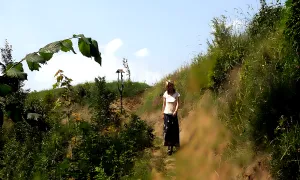
Real photos taken near the monument


Zdroj a licence jsou uvedeny u každého snímku.
Tips from visitors
No tips yet. Be the first!
Log in and add your tip.
Sources and literature
Photos: Jiří Sedláček / CC BY-SA 4.0 — Wikimedia Commons. The author and licence also appear when you hover over the image.
Faktickým podkladem tohoto textu byl článek na Wikipedii, jehož autory jsou přispěvatelé Wikipedie. Článek je dostupný pod licencí CC BY-SA 4.0.
Location on the map



Příběhy a pověsti
Legendy, pověsti a příběhy spjaté s touto památkou
Příběh: Kostel Panny Marie Humberské
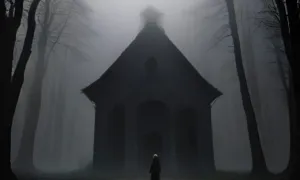
Bylo to v pondělí ráno, kdy Mikuláš zjistil, že jeho svět se rozpadá ve čtyřech bodech — už nebylo na něm více místa pro naději. Všechny cesty se zdály zamkn…
Číst příběh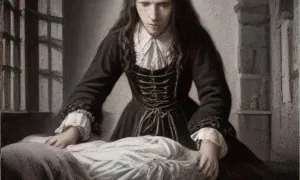
Pověst: Kostel Panny Marie Humberské
Podle místní pověsti se to přihodilo v létě roku 1664, kdy hrabě Karel Maxmilián Thurn trpěl již dlouhé měsíce mučivou nemocí očí. Záněty, mlžení a palčivá b…
Číst příběhFotografie návštěvníků
Zatím žádné fotografie. Buďte první, kdo přidá fotografii z návštěvy!
Log in a přidejte svou fotografii nebo hodnoťte.
Za ověřenou návštěvu v aplikaci získáte víc bodů — poznáme podle GPS, že jste na místě.
Reviews and comments