






Klešter Archaeological site
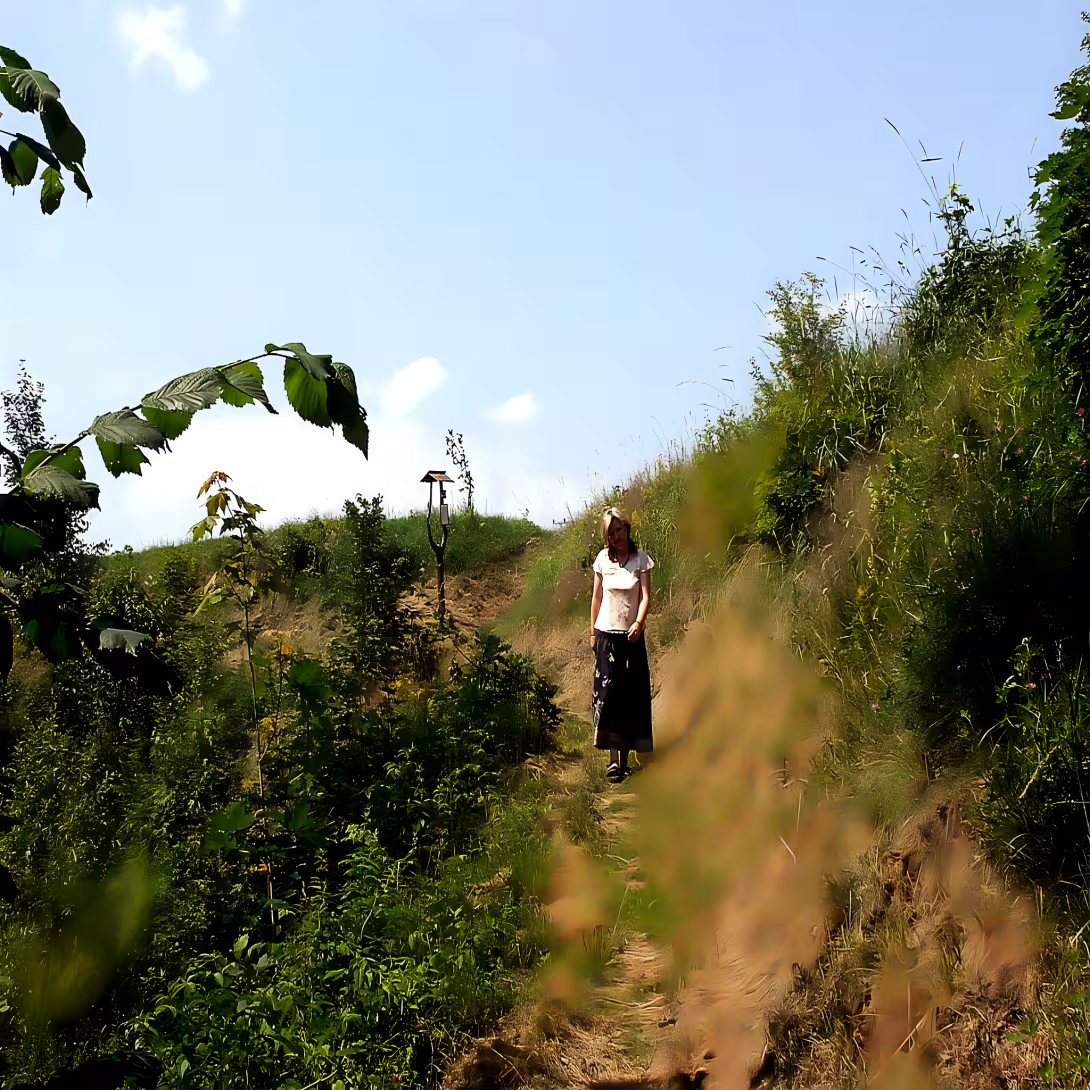
Klešter is a medieval technical landmark near Polná in the Jihlava District of the Vysočina Region. This archaeological site served as a toll station on the Haberské stezka, an ancient trade route connecting Moravia and Bohemia. Its historical significance lies in its role in regional commerce during the Middle Ages, particularly for counting livestock driven from Hungary to Bohemia. The unique construction of Klešter, partially carved into rock, makes it a rare medieval technical monument. Declared a cultural heritage site by the Ministry of Culture of the Czech Republic in 1998, Klešter offers valuable insights into medieval trade and infrastructure.
The origin of Klešter is closely tied to its strategic location on the Haberské stezka, facilitating economic exchange between Moravia and Bohemia. The site's historical context underscores its importance as a toll station where livestock was counted, reflecting its role in regulating commerce during the medieval period. Although specific details about its construction are not extensively documented, it is known that Klešter served as a crucial point on this regional trade route.
Architecturally, Klešter is an elongated structure approximately 500 meters long, with parts carved into rock. This design reflects its function as a toll station until 1874 when a new road was constructed from Ovčín to Věžnice. The site's construction and use highlight its strategic importance in medieval trade routes, serving both practical and regulatory purposes.
Throughout its history, Klešter has remained significant primarily due to its role on the Haberské stezka. In the Middle Ages, it functioned as a toll station for counting livestock, a critical activity for managing commerce between regions. The site's declaration as a cultural heritage in 1998 by the Ministry of Culture of the Czech Republic further emphasizes its historical value.
Klešter is also notable for its archaeological discoveries, which include a collection of Alexandrian coins from the 3rd century AD and a Byzantine stone cross. These findings provide tangible evidence of the site's long-standing significance and its connections to broader historical trade networks. The name "Klešter" itself is derived from the German word 'Klosteur,' meaning toll station, further highlighting its function in medieval commerce.
Today, Klešter stands as a testament to the ingenuity and strategic planning of medieval infrastructure. Located near Polná, close to the old Haberské and Libická stezka trade routes, it offers visitors a glimpse into the past where these paths connected Bohemia with Moravia. The site's preservation allows for an appreciation of its historical role in facilitating regional commerce.
Visiting Klešter provides a unique opportunity to explore a rare medieval technical monument that played a crucial role in the economic history of Central Europe. Its archaeological significance and well-preserved structure make it a worthwhile destination for those interested in understanding the complexities of medieval trade routes and infrastructure. The site's historical value is not only preserved but also celebrated, inviting visitors to delve into its storied past.
Then and now
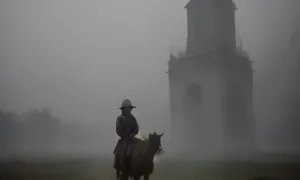
Drag the slider to compare how the landmark may have looked when it was built with the view today.
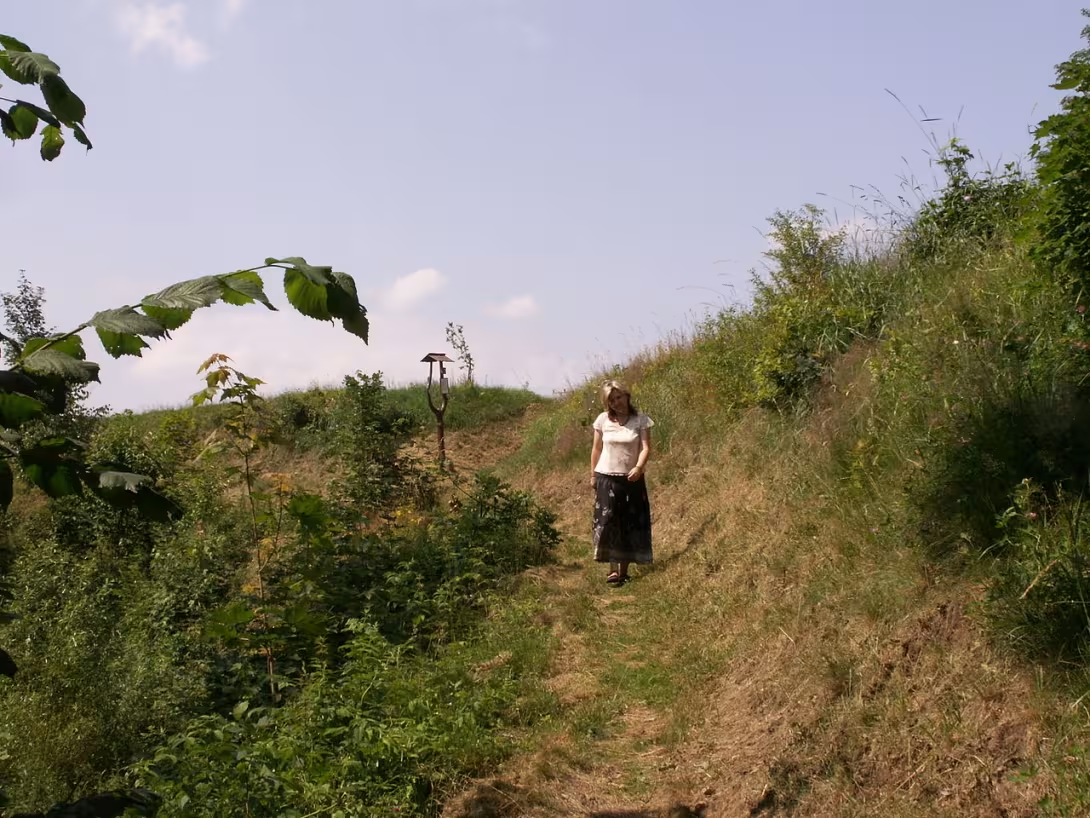
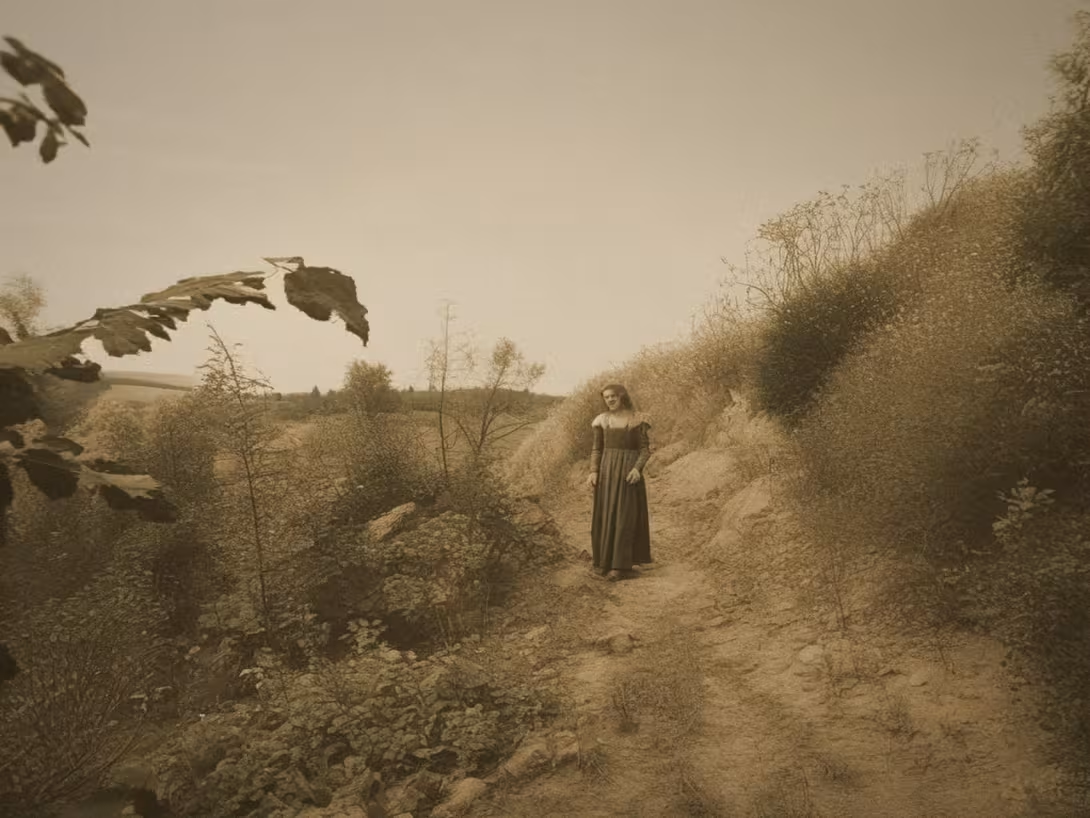
The historical appearance on the left is an AI-generated visualisation and serves as inspiration only.
Historical milestones
- c. 3rd century AD
- Finding of Alexandrian coins from the 3rd century AD
- c. 3rd century AD
- Discovery of a Byzantine stone cross
- Middle Ages
- The cloister served as a toll station for counting livestock.
- 1874
- The function of Kleštěr ceased due to the new road from Ovčín to Věžnice.
- 1998
- Kleštěr was declared a cultural monument of the Czech Republic.
Architectural development
Klešter is an elongated structure, approximately 500 meters long, with parts carved into rock. It served as a toll station until 1874 when a new road was constructed from Ovčín to Věžnice. The site's construction and use reflect its strategic importance in medieval trade routes.
Historical events
In the Middle Ages, Klešter functioned as a toll station on the Haberské stezka for counting livestock.
The site was declared a cultural heritage by the Ministry of Culture of the Czech Republic in 1998.
Guide
This guide is narrated by a synthetic voice generated by artificial intelligence.
Show guide text
This text was created by artificial intelligence and has not been editorially reviewed. It may contain inaccuracies.
Welcome to Kleštěr, a unique archaeological site located near Polná in the Jihlava District of Vysočina. As you stand before this historical element, you can sense its quiet importance and broad views into a past that lives on here immortally. Although specific architectural features are not visible, the atmosphere of this place immediately welcomes you and draws you into its rich historical layers.
Klešter developed as a technical milestone in the Middle Ages. It served as a key toll station on the Haberská stezka, an ancient trade route connecting Moravia and Bohemia. This strategically located site functioned as an important hub for economic exchange between regions, preceding many modern trade agreements.
While specific architectural features are not visible today, Klešter is a witness to a fascinating passage of time. Its history includes finds such as Alexandrian coins and a Byzantine stone cross from the 3rd century AD, shedding light on probable contact with distant areas.
In the Middle Ages, Klešter served as a toll station for counting livestock, especially from Hungary. This function highlights its role in regional trade and logistics. However, over time, it became less important when it was abolished in 1874 due to a new road leading from Ovčína to Věžnice.
Even without known historical figures or architects, Klešter has witnessed significant events. Its designation as a cultural monument of the Czech Republic in 1998 only confirms its enduring significance and contributes to preserving its historical heritage.
An interesting aspect of this site is the discovery of Alexandrian coins from the 3rd century AD, suggesting that Klešter was part of broader trade networks beyond just regional ones. This find opens up the possibility that this place had contacts and influences far beyond central Europe's borders.
Let’s take a look at what Klešter offers. Although specific structures are not visible, you can notice its spatial layout and imagine the life cycle of this site from ancient times. Think about the thousands of livestock that passed through this space or the people who once traded along this route.
I recommend exploring the surrounding terrain and reflecting on how it might have looked in its heyday. As you move around Kleštěr, let the impression of its historical importance settle in your soul.
Thank you for exploring this fascinating site with us. We hope that your visit to Kleštěr was captivating and left you with memories of its rich heritage. Don’t forget to check out other historic monuments in the Vysočina region, as every piece of land has its unique story. Safe travels on your next adventures!
Tips for visitors
The best time to visit Klešter is during late spring or early autumn when the weather is mild, making it ideal for exploring the outdoor archaeological site. These seasons offer pleasant temperatures and fewer crowds compared to summer, allowing you to enjoy the historical paths and surrounding landscapes more comfortably. Additionally, the natural beauty of Vysočina Region is particularly striking during these times, enhancing your overall experience.
Parking at Klešter can be convenient as there are designated areas nearby where visitors can leave their vehicles. For those preferring public transportation, it's accessible by bus from Polná and surrounding towns. It's recommended to check the latest transport schedules online before your visit to ensure a smooth journey. Public transit options provide an eco-friendly way to reach this historical site.
When visiting Klešter, consider bringing comfortable walking shoes as you'll likely be exploring on foot along the ancient trade routes and paths. A hat, sunscreen, and water are also advisable due to potential exposure to sun during your visit. For those interested in learning more about the site's history, a small notebook or guidebook can enhance your understanding of this medieval landmark.
Photography enthusiasts will find Klešter offers several picturesque spots, especially along the Haberské stezka where natural light is optimal during early morning or late afternoon. These times provide softer lighting conditions that highlight the textures and details of the landscape. Capturing images near the historical paths can also be rewarding as they connect beautifully with the surrounding Vysočina scenery.
For families visiting Klešter, nearby Polná offers attractions within a 30-minute drive or short bus ride. The town is home to several museums and cultural sites that are both educational and entertaining for children. Exploring these can provide a well-rounded experience of the region's rich history and culture, making it an ideal addition to your visit.
Families with children will appreciate the open spaces around Klešter where kids can safely explore and play. The site itself is informative yet not overly complex, allowing younger visitors to engage without feeling overwhelmed. Consider planning a picnic in the area; there are spots that offer both shade and scenic views for a relaxing break.
Businesses nearby
Do you run a restaurant, accommodation, shop, museum, rental, wellness or other visitor service near this monument? Show yourself directly to the people heading to it — this is how they will see you in the app and on the web:
Nearby
Klešter is situated near Polná, close to the old Haberské and Libická stezka trade routes. The surrounding landscape includes historical paths that connected Bohemia with Moravia.
Accommodation nearby
Themed route
Tematická výletní trasa kolem Kleštera
1. Klešter (archeologické naleziště) - Typ: Archeologické naleziště - Proč stojí za návštěvu: Klešter je klíčovým archeologickým místem, které poskytuje vhled do historie oblasti. Je to důležité pro pochopení minulých osídlení a kultury v regionu Vysočina.
2. Haberská stezka - Typ: Historická cesta - Proč stojí za návštěvu: Tato starověká obchodní trasa spojovala Bohemia s Moravou a je důležitým prvkem historie regionu. Procházka po Haberské stezce nabízí pohled na krajinu, která byla svědkem tisíciletých obchodních vztahů.
3. Libická stezka - Typ: Historická cesta - Proč stojí za návštěvu: Podobně jako Haberská stezka, Libická stezka je důležitým historickým spojením mezi Bohemií a Moravou. Prozkoumání této trasy umožňuje pochopit strategické významy starověkých cest a jejich dopad na regionální rozvoj.
Tato trasa nabízí kombinaci archeologických objevů s historickými trasami, které jsou klíčové pro pochopení minulosti oblasti kolem Polná.
Seasonal recommendations
Spring: Visiting Klešter during spring offers a unique experience as the landscape begins to awaken from winter's slumber. The site is bathed in soft, gentle light that enhances its ancient stones and ruins, creating an ethereal atmosphere. Nature around the archaeological site bursts into life with vibrant wildflowers and budding trees, providing a picturesque backdrop for exploration. Visitors are advised to wear comfortable walking shoes as paths may still be muddy from spring rains. Arriving early can help avoid larger crowds, allowing for a more intimate experience with this historical gem.
Summer: The summer months at Klešter are characterized by long daylight hours and warm temperatures, making it an ideal time for extended exploration of the site. The lush greenery surrounding the ruins provides ample shade, though sunscreen and hats are recommended to protect against the sun's intensity. This period often sees increased visitor numbers due to its popularity during school holidays, so planning your visit early in the morning or later in the afternoon can help avoid peak times. Lightweight clothing is advisable for comfort as you wander through this historic landscape.
Autumn: Autumn at Klešter presents a stunning display of colors with the surrounding foliage turning shades of gold and red. The cooler temperatures make it an ideal time to explore without the summer heat, while the site's atmosphere takes on a more serene and contemplative tone. As the days grow shorter, arriving early is recommended to maximize daylight for your visit. Layered clothing is advisable as temperatures can vary throughout the day, ensuring you remain comfortable during your exploration of this historic site.
Winter: Winter transforms Klešter into a quiet, almost mystical place with its ruins partially cloaked in snow and ice, offering a different perspective on the ancient landscape. The shorter days mean that visits need to be planned carefully to make the most of the limited daylight hours. Visitors should dress warmly, as temperatures can drop significantly, and consider bringing gloves and hats for comfort during outdoor exploration. Despite potentially fewer visitors due to the cold weather, Klešter offers a unique and tranquil experience in the heart of winter.
Visualizations and artistic views


The visualisations are generated by artificial intelligence and serve as inspiration.
Photos from the area
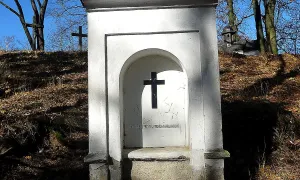
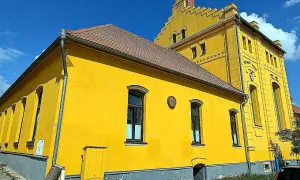
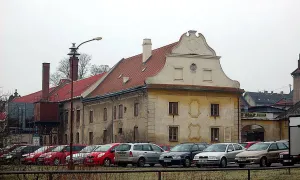
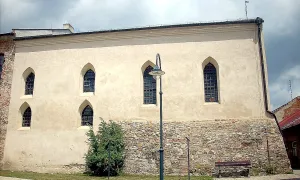
Real photos taken near the monument


Zdroj a licence jsou uvedeny u každého snímku.
Tips from visitors
No tips yet. Be the first!
Log in and add your tip.
Sources and literature
Photos: BíláVrána / CC BY-SA 4.0, rozlišení zvýšeno umělou inteligencí — Wikimedia Commons. The author and licence also appear when you hover over the image.
Location on the map

Příběhy a pověsti
Legendy, pověsti a příběhy spjaté s touto památkou
Fotografie návštěvníků
Zatím žádné fotografie. Buďte první, kdo přidá fotografii z návštěvy!
Log in a přidejte svou fotografii nebo hodnoťte.
Za ověřenou návštěvu v aplikaci získáte víc bodů — poznáme podle GPS, že jste na místě.
Reviews and comments