






Krasonice Chateau
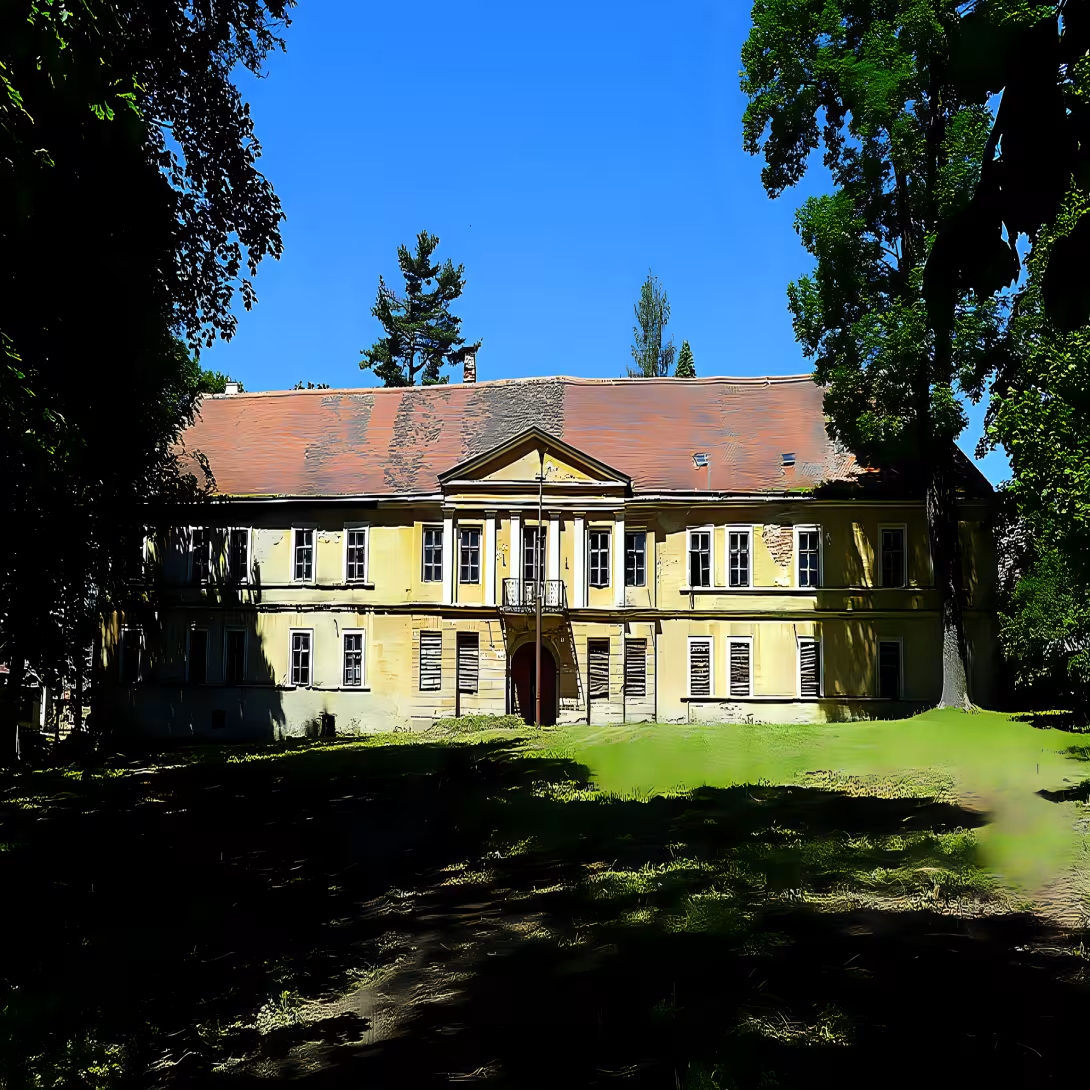
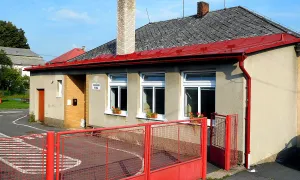
Krasonice Chateau is a historical monument in the village of Krasonice, within Jihlava District in the Vysočina Region of the Czech Republic. This single-story chateau showcases classical architecture from the 19th century and reflects the region's rich history and evolving architectural trends. Originally a medieval fortress mentioned as early as 1286, it has undergone significant transformations over the centuries, mirroring broader historical changes in Bohemia.
The origins of Krasonice Chateau trace back to its first documented mention in 1286. Initially built as a medieval fortress, it was destroyed by 1390. The site later evolved into a Renaissance chateau with architectural developments under various owners. By the 15th century, Štěpán Kusý z Mukoděl owned it, marking the start of its documented history. In 1630, Hanibal ze Schaumburku undertook substantial renovations, transforming it into a late Renaissance structure during a period marked by significant political and social changes in Bohemia, including the Hussite Wars and the rise of the Renaissance.
Architecturally, Krasonice Chateau reflects various styles due to its evolution. The original medieval fortress gave way to a Renaissance chateau under Hanibal ze Schaumburku's direction, who rebuilt it into a late Renaissance style in 1630. By the 19th century, an Empire-style renovation further transformed the structure, incorporating elements such as an irregular courtyard and an English park surrounding the chateau. This park, enclosed by a boundary wall separating it from the village square, adds to the site's historical charm.
Ownership of Krasonice Chateau has seen several notable figures throughout its history. After Štěpán Kusý z Mukoděl in the 15th century, Hanibal ze Schaumburku took possession in 1630 and initiated significant architectural changes. Later, in 1652, Maximiliana Thurnová z Walsasina became an owner, further contributing to its storied past.
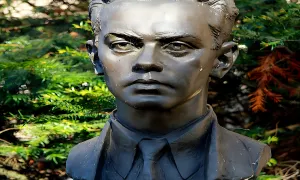
Several key events have marked Krasonice Chateau's history. The original fortress was destroyed by 1390, leading to its transformation into a Renaissance chateau. In 1630, Hanibal ze Schaumburku rebuilt it in the late Renaissance style, reflecting architectural trends of the time. Additionally, the nearly forgotten Moravian poet Vincenc Furch was born at the chateau in 1817, adding cultural significance to its history.
Today, Krasonice Chateau is not accessible via any marked tourist trail but can be reached by road from nearby locations such as Želetava and Knínice. Despite this, it remains an intriguing destination for those interested in exploring architectural transformations and historical narratives embedded within its walls. The chateau's proximity to the Church of St. Lawrence and its surrounding English park offer visitors a glimpse into the past while enjoying the natural beauty of the area.
Krasonice Chateau stands as a valuable piece of Czech heritage, offering insights into the region's architectural evolution and historical context. Its journey from a medieval fortress to a classical-style chateau encapsulates centuries of change and adaptation. Visitors are invited to explore this remarkable site, where history is etched into every stone and corner, providing a unique window into Bohemia's past.
Then and now
Drag the slider to compare how the landmark may have looked when it was built with the view today.
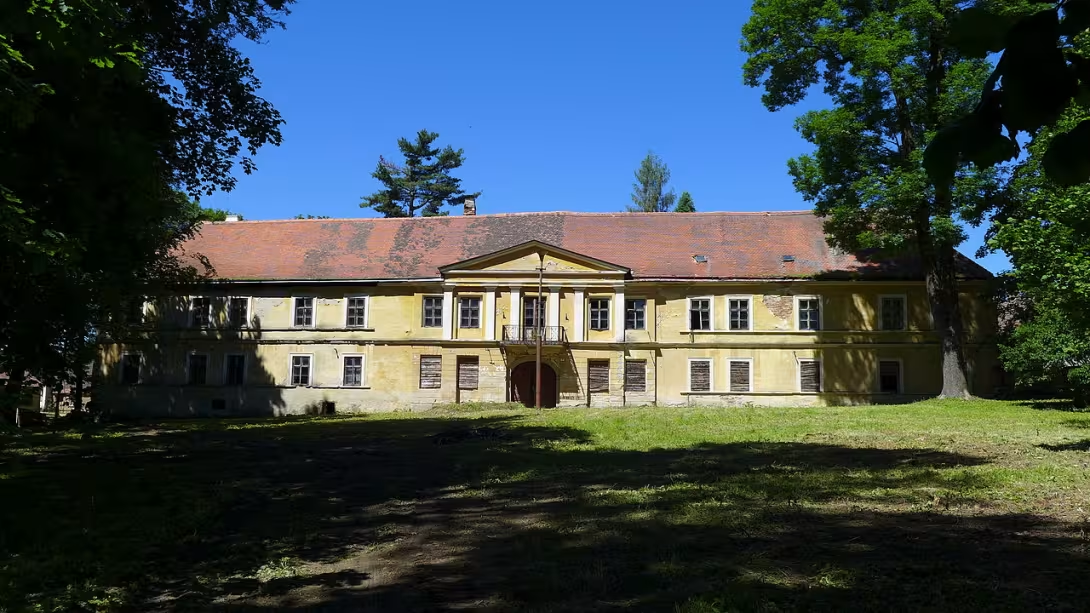

The historical appearance on the left is an AI-generated visualisation and serves as inspiration only.
Historical milestones
- 1390
- The original fortress was destroyed.
- 1630
- Hanibal ze Schaumburku rebuilt the chateau into a late Renaissance style.
Architectural development
Krasonice Chateau underwent significant architectural transformations, beginning as a medieval fortress and evolving into a Renaissance structure. In 1630, it was rebuilt into a late Renaissance chateau by Hanibal ze Schaumburku. The 19th century saw an Empire-style renovation that included the creation of an English park.
Historical events
- 1390
- The original fortress was destroyed by 1390.
- 1630
- Hanibal ze Schaumburku had the chateau rebuilt into a late Renaissance style in 1630.
Owners
- 15th century
- 1630
- 1652
Points of interest
- Despite its classical architecture from the 19th century, Krasonice Chateau was originally a medieval fortress mentioned as early as 1286, highlighting the long and layered history of this site.
- The chateau's transformation into a Renaissance structure in 1630 under Hanibal ze Schaumburku reflects broader historical changes in Bohemia, including influences from the Hussite Wars and the Renaissance period.
- Vincenc Furch, a nearly forgotten Moravian poet born at Krasonice Chateau in 1817, adds a unique cultural layer to its history, emphasizing the chateau's role not just as an architectural site but also as a birthplace of literary talent.
- The irregular courtyard and surrounding English park, added during the Empire-style renovation in the 19th century, showcase how the chateau adapted various architectural trends over time while maintaining its historical charm.
- Although Krasonice Chateau is not accessible via marked tourist trails, it remains an intriguing destination for those interested in exploring the region's architectural evolution and historical narratives.
Guide
This guide is narrated by a synthetic voice generated by artificial intelligence.
Show guide text
This text was created by artificial intelligence and has not been editorially reviewed. It may contain inaccuracies.
Welcome to the enchanting Krasonice Chateau, nestled in the heart of the village bearing its name, just a stone's throw from the Church of St. Lawrence. As you stand here, imagine the layers of history that have unfolded on this very spot—a testament to time and transformation.
The story of Krasonice begins with its original form as a medieval fortress, mentioned as early as 1286. This ancient stronghold met its demise by 1390, but from its ashes rose new chapters in its storied existence. By 1630, the chateau underwent a significant transformation at the hands of Hanibal ze Schaumburku, who reshaped it into a late Renaissance style structure. The evolution didn't stop there; in the 19th century, the chateau embraced an Empire-style renovation, adding yet another layer to its rich architectural tapestry.
As you take in your surroundings, notice the single-story structure that encloses an irregular courtyard—a design choice that reflects both practicality and aesthetic sensibility. This unique layout is complemented by the serene English park that envelops the chateau, inviting visitors to wander through lush greenery and enjoy a moment of tranquility.
Throughout its history, Krasonice Chateau has been home to notable figures such as Štěpán Kusý z Mukoděl, Hanibal ze Schaumburku himself, and Maximiliana Thurnová z Walsasina. Each left their mark on this place, weaving their stories into the very fabric of its walls.
One intriguing aspect of Krasonice Chateau is its architectural journey—from a medieval fortress to a Renaissance gem with classical touches from the 19th century. This blend of styles not only highlights the chateau's adaptability but also serves as a reminder of the many hands that have shaped it over centuries.
As you continue your exploration, allow yourself to be drawn into the tales and whispers of history that echo through these halls. Krasonice Chateau is more than just a monument; it's a living narrative waiting for you to uncover its secrets.
Thank you for joining us on this journey through time. We invite you to delve deeper into the stories that make Krasonice Chateau truly unique. Enjoy your exploration, and may each step reveal new wonders. Farewell, until we meet again in history.
Tips for visitors
The best time to visit Krasonice Chateau is during the late spring or early autumn months, from May to September. During these periods, the surrounding English park is lush and vibrant, offering a picturesque setting for exploring the chateau grounds. The mild weather makes it comfortable for walking around and enjoying outdoor activities. Additionally, visiting in this timeframe allows you to experience local events or festivals that may be held at the chateau or nearby areas.
For those preferring public transport, buses connect from nearby towns such as Želetava and Knínice.
When visiting Krasonice Chateau, consider bringing comfortable walking shoes, especially if you plan to explore the extensive park grounds or walk to nearby attractions. A camera is also recommended to capture the scenic views of the chateau and its surroundings. Since weather can be unpredictable in the Czech Republic, packing a light raincoat or umbrella might be wise.
For photography enthusiasts, the best spots around Krasonice Chateau include areas within the English park where you can capture the chateau against a backdrop of greenery. Early morning or late afternoon light provides soft shadows and warm hues that enhance the beauty of the landscape. The Church of St. Lawrence nearby also offers interesting architectural details for photographs.
Nearby attractions within a 30-minute drive include the charming village of Krasonice itself, which has historical charm and local shops. For those interested in more natural landscapes, exploring the surrounding countryside can be rewarding. These areas offer opportunities to enjoy nature walks or visit other small historical sites.
Frequently asked questions
Can the monument be visited?
Some buildings of this kind are open for guided tours, others serve another purpose or are privately owned. We have not verified whether and when this monument is open – please ask the operator.
What are the opening hours and admission?
We have not verified the opening hours or admission. Current information is published by the operator.
Where is the monument?
Location: č.p. 9, Krasonice, Kraj Vysočina. The map on this page shows the exact spot.
Why is the monument protected?
It is listed in the Central List of Cultural Monuments of the Czech Republic as a cultural monument (register no. 32882/7-4962).
Businesses nearby
Do you run a restaurant, accommodation, shop, museum, rental, wellness or other visitor service near this monument? Show yourself directly to the people heading to it — this is how they will see you in the app and on the web:
Nearby
Krasonice Chateau is surrounded by an English park and lies near the Church of St. Lawrence. The area features a mix of natural landscapes and historical sites, with roads connecting to Želetava and Knínice.
Accommodation nearby
Trips and activities nearby
Guided tours, tickets and activities nearby from GetYourGuide
Affiliate link: if you buy from the partner, we may receive a commission. The price for you does not change.
Search tours and activities →Themed route
Tematická Výletní Trasa Krasonice
1. Krasonice Chateau
Typ: Historický zámek
Proč stojí za návštěvu: Krasonice Chateau je krásný příklad barokní architektury, který vyniká svou historií a uměleckými detailemi. Zámek je obklopen anglickým parkem, což poskytuje ideální prostředí pro relaxaci a procházku.
2. Church of St. Lawrence
Typ: Kostel
Proč stojí za návštěvu: Tento kostel je nedaleko zámku a přitahuje svou historickou architekturou a klidným prostředím. Navštívte ho pro pohled na jeho bohaté interiér a procházku v okolním parku.
3. Anglický Park u Krasonice Chateau
Typ: Park
Proč stojí za návštěvu: Anglický park kolem zámku nabízí krásné procházky mezi starými stromy a útulnými cestami. Je ideálním místem pro relaxaci, fotografování a užívání si přírody v klidu.
4. Želetava
Typ: Obec s historickou budovou
Proč stojí za návštěvu: Želetava je malá obec známá svým barokním kostelem a zámkem. Její malebné uličky a historické stavby přitahují návštěvníky, kteří hledají autentický dojem regionu.
5. Knínice
Typ: Obec s historickou budovou
Proč stojí za návštěvu: Knínice je známá svým barokním zámkem a okolními krajinami, které nabízejí pohledy na typickou vysočinskou krajinnou krásu. Je to ideální místo pro konci výletu, kde si můžete užít klidné chvíle.
Tato trasa nabízí kombinaci historie a přírody, což umožňuje hlubší pochopení kulturního dědictví oblasti Krasonice.
Seasonal recommendations
Spring: Visiting Krasonice Chateau during springtime offers a unique experience as the surrounding landscape awakens with vibrant colors and fresh blooms. The gentle light of longer days casts a soft glow over the chateau, highlighting its intricate architectural details. Nature enthusiasts will appreciate the lush greenery and blooming flowers that create a picturesque backdrop for exploring the historic site. Visitors should be prepared for occasional showers by bringing an umbrella or raincoat, as spring weather can be unpredictable. Early morning visits are recommended to enjoy the serene atmosphere before larger crowds arrive.
Summer: The summer season at Krasonice Chateau is characterized by warm sunshine and extended daylight hours, making it ideal for leisurely exploration of the grounds. The chateau's gardens come alive with a variety of flowers in full bloom, providing a stunning natural setting for photography or simply relaxing amidst nature. This is also the peak tourist season, so expect larger crowds, particularly on weekends and holidays. To avoid the midday heat, visitors are advised to arrive early in the morning when temperatures are cooler and the site is less crowded. Comfortable walking shoes and light clothing are recommended.
Autumn: Autumn at Krasonice Chateau offers a magical experience as the foliage transforms into vibrant shades of red, orange, and yellow. The crisp air enhances the chateau's historic charm, creating an enchanting atmosphere perfect for photography or a reflective stroll through the grounds. As temperatures begin to drop in late autumn, visitors should dress warmly with layers that can be adjusted throughout the day. This season is less crowded than summer, allowing for a more peaceful visit. Late afternoon visits are particularly rewarding as the golden light of sunset accentuates the chateau's beauty.
Winter: During winter, Krasonice Chateau presents a serene and picturesque scene, often blanketed in snow that adds to its fairy-tale-like ambiance. The shorter days mean fewer visitors, offering a tranquil setting for those seeking solitude or inspiration amidst historic architecture. However, it is important to note that access to certain areas of the chateau may be limited due to weather conditions, so checking ahead with the site’s management is advisable. Visitors should dress warmly in layers and wear sturdy footwear suitable for potentially icy paths. The winter lighting can create dramatic shadows and highlights on the chateau's facade, making this an ideal time for photography enthusiasts.
Visualizations and artistic views


The visualisations are generated by artificial intelligence and serve as inspiration.
Photos from the area
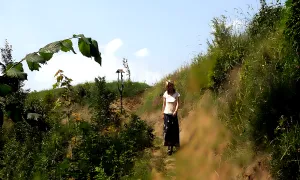
Real photos taken near the monument


Zdroj a licence jsou uvedeny u každého snímku.
Atmosphere of the place
This atmospheric visualisation of the place and period was generated by artificial intelligence. It is not real footage of the location.
Tips from visitors
No tips yet. Be the first!
Log in and add your tip.
Sources and literature
Photos: Koutne1 / CC BY-SA 3.0, rozlišení zvýšeno umělou inteligencí — Wikimedia Commons. The author and licence also appear when you hover over the image.
Faktickým podkladem tohoto textu byl článek na Wikipedii, jehož autory jsou přispěvatelé Wikipedie. Článek je dostupný pod licencí CC BY-SA 4.0.
Location on the map

Příběhy a pověsti
Legendy, pověsti a příběhy spjaté s touto památkou
Fotografie návštěvníků
Zatím žádné fotografie. Buďte první, kdo přidá fotografii z návštěvy!
Log in a přidejte svou fotografii nebo hodnoťte.
Za ověřenou návštěvu v aplikaci získáte víc bodů — poznáme podle GPS, že jste na místě.
Reviews and comments