



Kapucínský klášter (Prostějov) Monastery
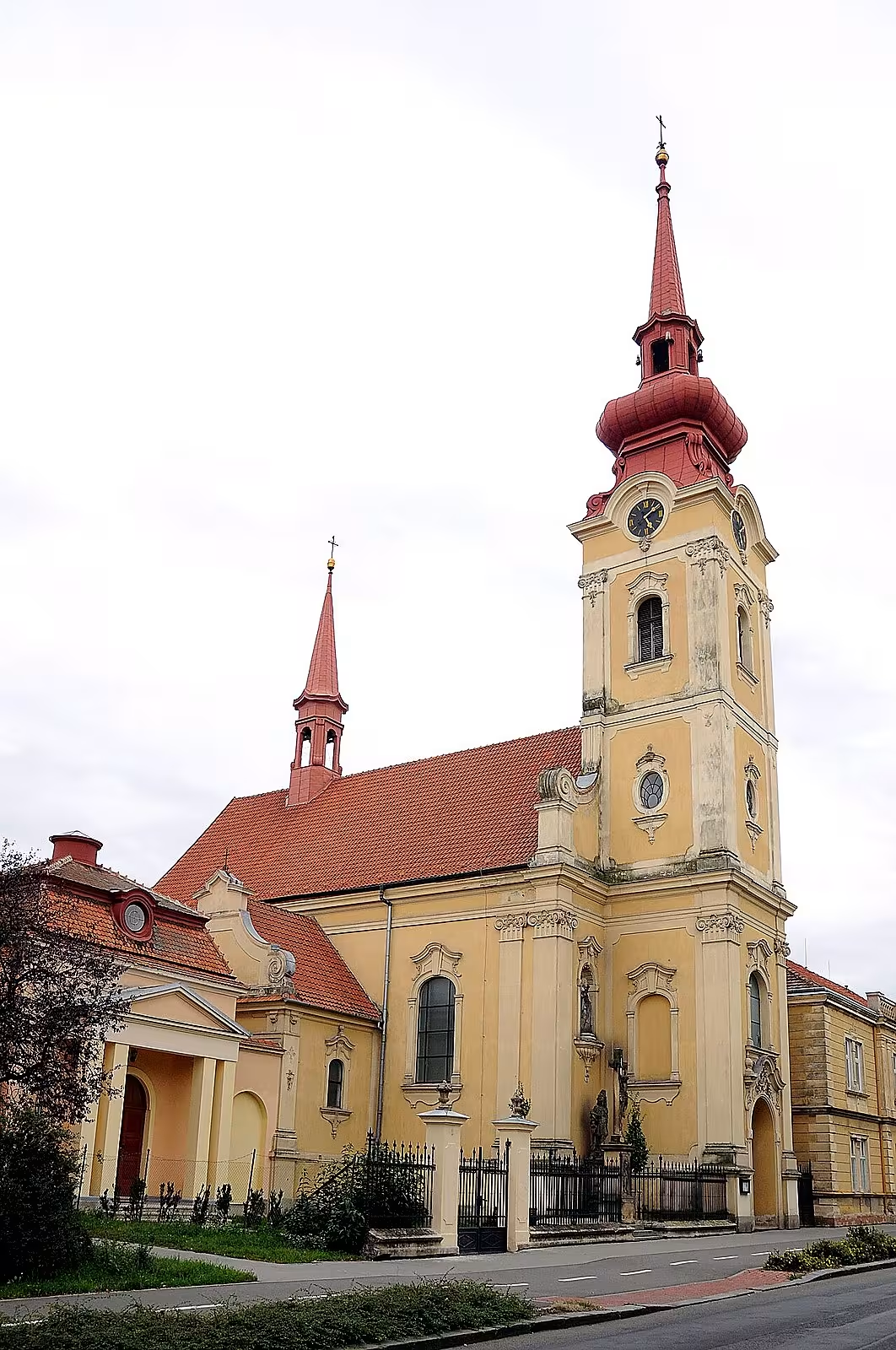
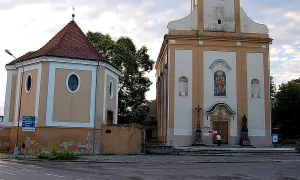
The Kapucínský Klášter in Prostějov is a historical monument showcasing the Baroque architectural style of the 18th century. Situated in Prostějov, Olomoucký kraj, this former monastery complex was established between 1759 and 1766 by the Capuchin order. It features a church dedicated to Saint Barbara, which has undergone significant transformations over time. The site is notable for its historical significance, reflecting both religious devotion and political changes during its existence.
Construction of the Kapucínský Klášter began in 1759 as a small hospice for the Capuchin order. Ecclesiastical approval was granted by Olomoucký biskup Leopold Bedřich, hrabě z Egkhu a Hungerbachu, who permitted the building of a chapel dedicated to Saint Barbara. The foundation stone was laid by Matouš Koupl, and by 1762, the chapel had been consecrated by Leopold hrabě Podstatzky. Over the next few years, the site expanded significantly; in 1765, under František z Tannenbergu's guidance, a larger church was constructed with its orientation altered to better serve religious functions.
Architecturally, the Kapucínský Klášter reflects Baroque influences typical of the period. The original chapel featured a presbytery oriented towards the north and included a crypt for burials. After expansion, this presbytery became a side chapel, while the church itself was characterized by a modest bell tower and simple vaulted ceilings with lunettes above the windows. František Antonín Sebastini contributed to its artistic legacy by painting the altar image.
Ownership of the Kapucínský Klášter changed dramatically over time. Initially under the Capuchin order from 1759 until its dissolution in 1784 due to Joseph II's reforms, it was then repurposed for military use by the Austrian army. In 1860, František Josef donated the complex to the city of Prostějov, marking a new chapter in its history.
Throughout its existence, the Kapucínský Klášter has witnessed significant events and transformations. Following its dissolution in 1784, it served various military purposes, including as an army storage facility and later as a military school. The site's fortunes shifted again when it was donated to Prostějov in 1860. In the early 20th century, spurred by municipal initiative, the church underwent restoration and was rededicated to Saints Cyril and Methodius.
Today, the Kapucínský Klášter stands as a historical monument within an urban setting, surrounded by the architectural character typical of small Czech towns. While its windows remain sealed from its days as a storage facility, the site continues to be accessible for visitors interested in exploring its rich history and Baroque architecture.
The Kapucínský Klášter offers a unique glimpse into the religious and political dynamics of 18th-century Europe. Its architectural evolution and varied uses over time reflect broader historical narratives that continue to captivate historians and tourists alike. Visitors are invited to explore this remarkable site, where history is etched into every stone and corner.
Then and now
Drag the slider to compare how the landmark may have looked when it was built with the view today.
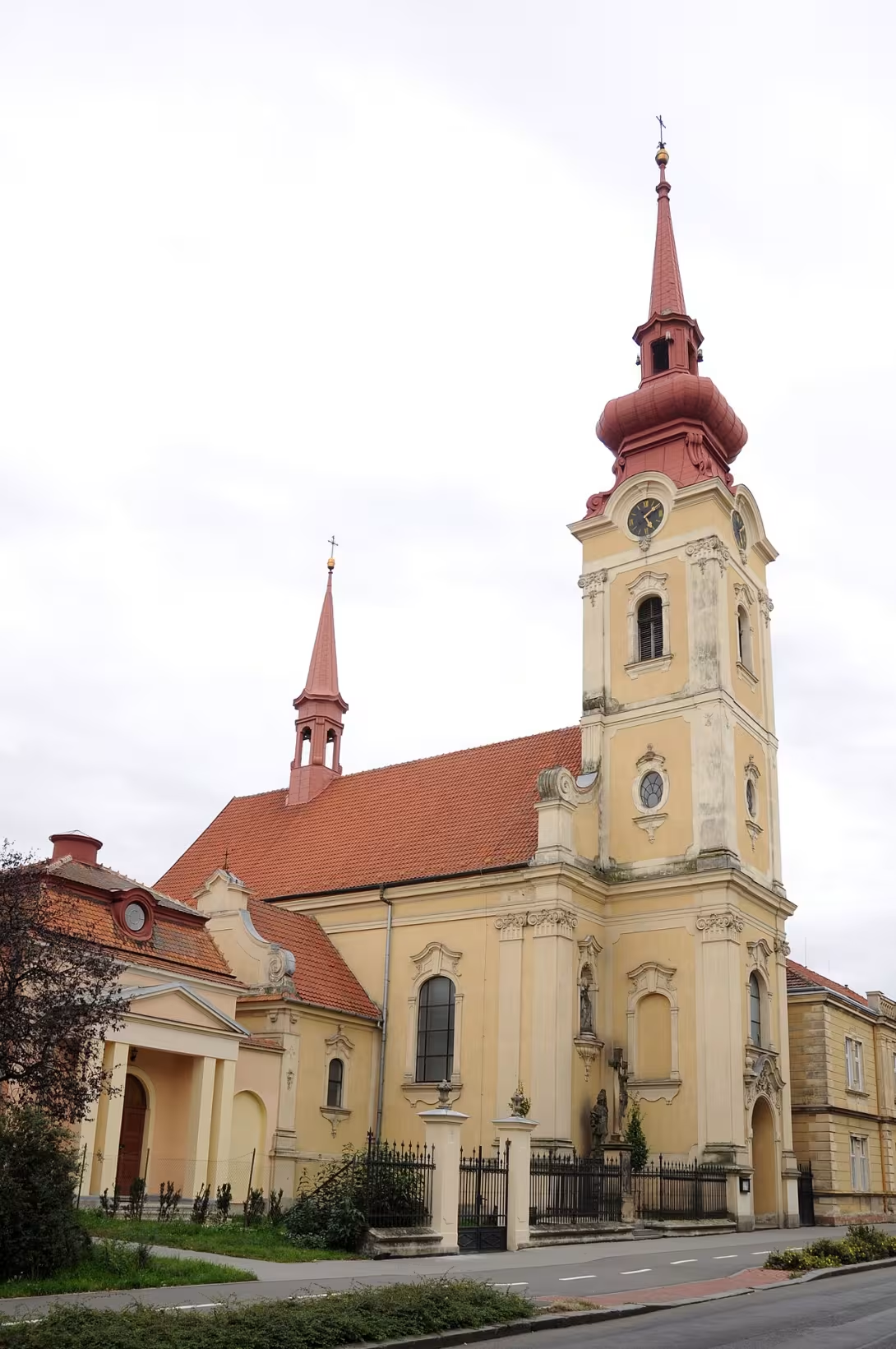
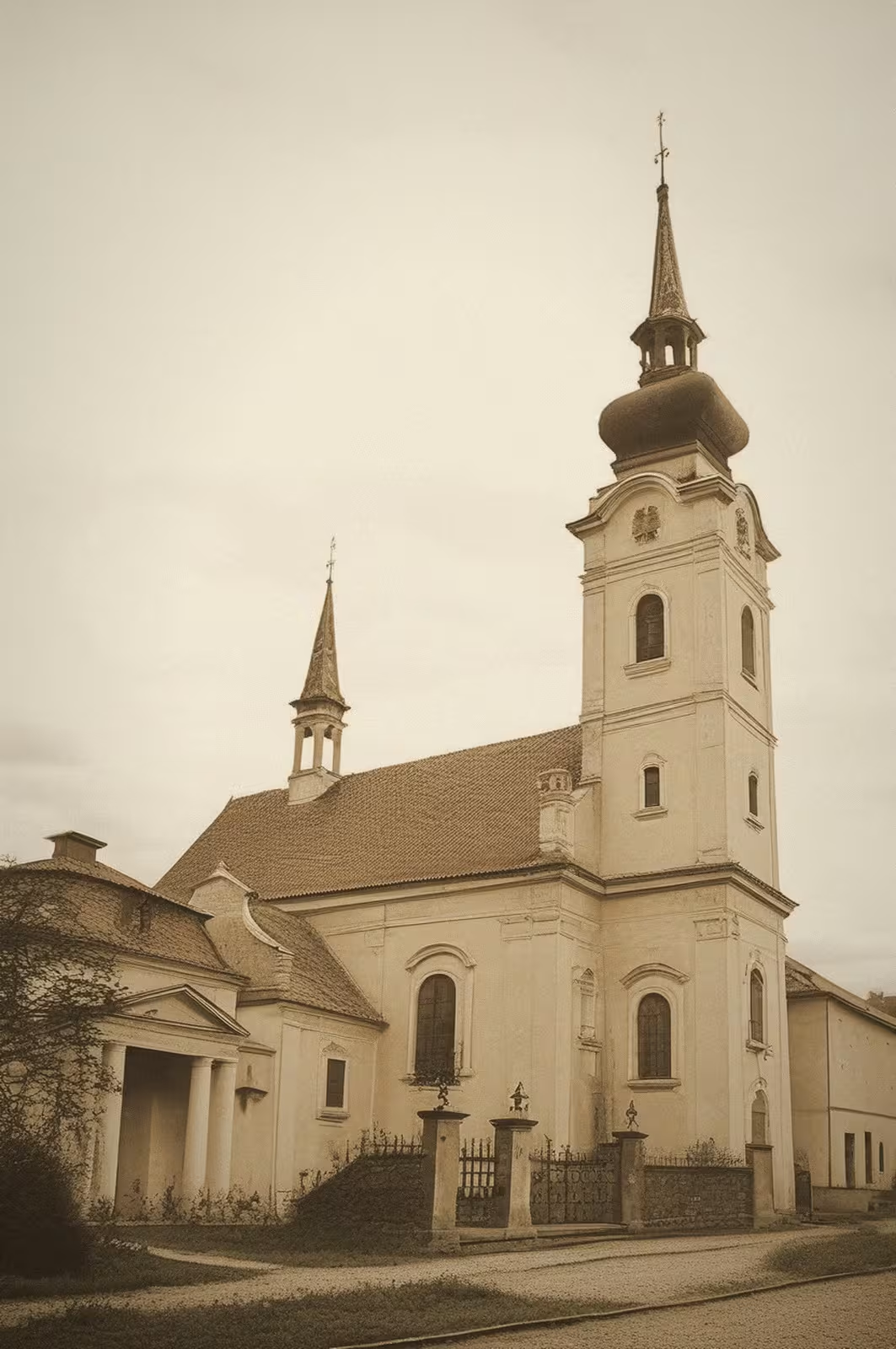
The historical appearance on the left is an AI-generated visualisation and serves as inspiration only.
Historical milestones
- 1759
- Construction of the Capuchin hospice began.
- 1762
- The chapel was consecrated by Leopold hrabě Podstatzky.
- 1784
- The monastery was dissolved during Joseph II's reforms.
Architectural development
Construction began in 1759 with a chapel dedicated to Saint Barbara, which was consecrated in 1762. The chapel underwent significant expansion between 1761 and 1765, resulting in the larger church of Saint Barbara. The architectural style is Baroque, characterized by its modest bell tower and simple vaulted ceilings.
Historical events
- 1759
- Construction of the Capuchin hospice and chapel began.
- 1784
- The monastery was dissolved by Joseph II's reforms.
- 1860
- The complex was donated to the city of Prostějov by František Josef.
Points of interest
- The Kapucínský Klášter was initially established as a hospice for the Capuchin order before evolving into a larger religious complex, showcasing how small beginnings can lead to significant historical sites.
- Despite its Baroque architecture, the church's windows remain sealed from its time as an army storage facility, offering a unique glimpse into the site's multifaceted history and adaptive reuse over centuries.
- The chapel dedicated to Saint Barbara was consecrated in 1762 by Leopold hrabě Podstatzky, highlighting the early religious significance of the site before it underwent major expansions under František z Tannenbergu’s guidance.
- After its dissolution in 1784 due to Joseph II's reforms, the Kapucínský Klášter served as a military storage facility and later a school, reflecting broader European political changes during that era.
- The site was rededicated to Saints Cyril and Methodius in the early 20th century, symbolizing its continued religious importance and adaptation to changing cultural narratives over time.
Guide
This guide is narrated by a synthetic voice generated by artificial intelligence.
Show guide text
This text was created by artificial intelligence and has not been editorially reviewed. It may contain inaccuracies.
The Capuchin monastery with the Church of Saint Barbara originated in the Brno suburb of Prostějov in the years seventeen fifty-nine to seventeen sixty-six. It was a hospice, that is, a small monastery of the Capuchin order.
At the beginning there was a chapel. Leopold Frederick, Count of Egk and Hungerbach, the bishop of Olomouc, granted permission on July twenty-eighth, seventeen fifty-nine for its construction and dedication to Saint Barbara. The foundation stone was laid on August twenty-second of the same year by Matouš Koupil, a priest from Prostějov. The chapel was completed in seventeen sixty-two and was consecrated by Leopold, Count Podstatzky. It was made of stone, with the presbytery facing north and beneath it lay a crypt where monks were buried. In seventeen sixty-one the monastery acquired plots of land with gardens.
However, the chapel soon became too small. The guardian, Father Firmianus, asked the bishop for permission to rebuild, and he consented. The foundation stone of the new Church of Saint Barbara was blessed on May sixteenth, seventeen sixty-five by Franz, a priest from Tannenberg. The construction changed the orientation. The new presbytery was created on the site of part of the wall on the former evangelical side, and the original presbytery became a side chapel. The altarpiece was painted by Francis Anthony Sebastini. According to Franciscan principles, the church received only a small bell tower and simple vaulting with lunettes above the windows.
According to records of the time, the hospice prospered. The faithful contributed from their own means to its furnishings. However, the flourishing did not last long. During the Josephine reforms, Joseph the Second decided on June twenty-sixth, seventeen eighty-four to dissolve the monastery. Officials inventoried and appraised the contents, and then auctions followed. The church furnishings, which had been gradually augmented over two decades, were sold off.
Both the hospice and church fell to the Austrian army, which turned them into a storage facility. A blacksmith's forge operated in the side chapel and a lower military school in the hospice. Only in eighteen sixty did Francis Joseph donate the entire building to the city of Prostějov. Even then little changed. The church continued to serve as storage and the windows remained bricked up.
A turning point came only at the beginning of the twentieth century. At the initiative of the city council, the church was restored and rebuilt. It was newly dedicated to Saints Cyril and Methodius.
Tips for visitors
The best time to visit the Kapucínský klášter in Prostějov is during late spring or early autumn when the weather is mild, making it ideal for exploring the historical architecture without the summer crowds. These seasons also offer beautiful natural lighting that enhances the experience of walking through the monastery complex and its surroundings.
Visitors are encouraged to use public transportation or park outside the immediate vicinity, as these options might provide easier access to the site.
When planning your visit, consider bringing comfortable walking shoes, a hat, sunscreen, and water, especially if you plan to explore beyond the monastery complex. The area's historical architecture can be best appreciated with a camera or smartphone for photography enthusiasts. Early morning or late afternoon visits are recommended for softer natural light that beautifully illuminates the architectural details.
For families visiting with children, the Kapucínský klášter offers an engaging experience into Czech history and architecture. While there might not be specific attractions designed solely for children within the monastery complex, the surrounding area of Prostějov has historical sites that can captivate young minds. Exploring these areas together can provide a fun educational outing.
Photography enthusiasts will find several spots around the Kapucínský klášter where the interplay of light and shadow accentuates its architectural beauty, especially during sunrise or sunset. The main façade offers a stunning view that captures the essence of the Capuchin order's historical presence in Prostějov.
Frequently asked questions
Can the monument be visited?
Religious buildings are usually open mainly during services; at other times a visit is normally arranged with the parish or the operator. We have not verified specific times.
Where is the monument?
Location: Prostějov, Olomoucký kraj. The map on this page shows the exact spot.
Businesses nearby
Do you run a restaurant, accommodation, shop, museum, rental, wellness or other visitor service near this monument? Show yourself directly to the people heading to it — this is how they will see you in the app and on the web:
Nearby
The Kapucínský klášter is situated in Prostějov, surrounded by urban development. The area features historical architecture typical of small Czech towns, with no significant natural landmarks within close proximity.
Accommodation nearby
Trips and activities nearby
Guided tours, tickets and activities nearby from GetYourGuide
Affiliate link: if you buy from the partner, we may receive a commission. The price for you does not change.
Search tours and activities →Themed route
Thematic Walking Tour: Prostějov and the Kapucínský Klášter
1. Kapucínský Klášter (Prostějov) - Monastery Begin your journey at the heart of Prostějov with a visit to the Kapucínský Klášter. This historic monastery offers an insight into the architectural and cultural heritage of small Czech towns. Explore its serene courtyards, impressive church interiors, and learn about the monastic life that once thrived here.
2. Historical Town Square - Urban Development A short walk from the monastery will lead you to Prostějov's historical town square. This area showcases typical urban development with charming buildings reflecting the architectural styles of past centuries. Take a moment to appreciate the blend of history and modernity that characterizes this central part of the town.
3. Church of St. Bartholomew - Church Continue your exploration by visiting the nearby Church of St. Bartolomej. This church is an excellent example of religious architecture in Prostějov, featuring beautiful frescoes and intricate designs that tell stories from centuries past. It's a perfect spot for those interested in art history and ecclesiastical architecture.
4. Local Artisan Shops - Cultural Experience Stroll through the quaint streets surrounding the town square to discover local artisan shops. These small businesses offer unique crafts, traditional Czech goods, and souvenirs that reflect the rich cultural tapestry of Prostějov. Engage with local artisans or simply enjoy browsing their wares.
5. Monastery Gardens - Relaxation Spot Conclude your tour by relaxing in the peaceful gardens adjacent to the Kapucínský Klášter. These serene green spaces provide a tranquil environment for reflection and relaxation, offering beautiful landscaping that complements the monastery's historic charm. It’s an ideal place to unwind after exploring the town.
This thematic walking tour provides a comprehensive experience of Prostějov, focusing on its historical and cultural highlights while staying within the immediate vicinity of the Kapucínský Klášter.
Seasonal recommendations
Spring: As the snow melts and nature awakens, Prostějov's Capuchin Monastery is enveloped in a serene atmosphere with blooming flowers and vibrant greenery surrounding its historic architecture. The soft spring light enhances the monastery’s details, creating an ideal setting for photography enthusiasts. Visitors are advised to wear comfortable layers as temperatures can vary throughout the day. Early mornings or late afternoons are recommended times to visit, allowing you to enjoy the tranquility before larger crowds arrive.
Summer: During summer, the Capuchin Monastery basks in long daylight hours and warm weather, perfect for exploring its grounds at a leisurely pace. The lush gardens are particularly inviting, offering shade and cool spots ideal for relaxation. This is also the peak tourist season, so it's wise to plan your visit early in the day to avoid crowds. Lightweight clothing and sun protection are essential, ensuring a comfortable experience as you explore this historic site.
Autumn: Autumn brings a picturesque transformation to Prostějov’s Capuchin Monastery with vibrant hues of reds, oranges, and yellows adorning its surroundings. The cooler weather creates an enchanting atmosphere, ideal for reflective walks through the monastery's grounds. This season sees fewer visitors compared to summer, allowing for a more intimate experience. Dress in layers to accommodate changing temperatures throughout your visit, and consider bringing a light jacket as evenings can be brisk.
Winter: In winter, the Capuchin Monastery offers a unique charm with its historic architecture set against a backdrop of snow-covered landscapes. The shorter days mean it's best to plan visits during daylight hours when the site is open. Winter attire should include warm clothing and sturdy footwear for navigating potentially icy paths. Despite the colder weather, this season provides a peaceful setting to appreciate the monastery’s beauty without the summer crowds, making it an ideal time for those seeking solitude amidst history.
Visualizations and artistic views


The visualisations are generated by artificial intelligence and serve as inspiration.
Photos from the area
Real photos taken near the monument


Zdroj a licence jsou uvedeny u každého snímku.
Tips from visitors
No tips yet. Be the first!
Log in and add your tip.
Sources and literature
Photos: vrrhaf / CC BY-SA 3.0 — Wikimedia Commons. The author and licence also appear when you hover over the image.
Faktickým podkladem tohoto textu byl článek na Wikipedii, jehož autory jsou přispěvatelé Wikipedie. Článek je dostupný pod licencí CC BY-SA 4.0.
Location on the map

Příběhy a pověsti
Legendy, pověsti a příběhy spjaté s touto památkou
Fotografie návštěvníků
Zatím žádné fotografie. Buďte první, kdo přidá fotografii z návštěvy!
Log in a přidejte svou fotografii nebo hodnoťte.
Za ověřenou návštěvu v aplikaci získáte víc bodů — poznáme podle GPS, že jste na místě.
Reviews and comments