



Karle Castle
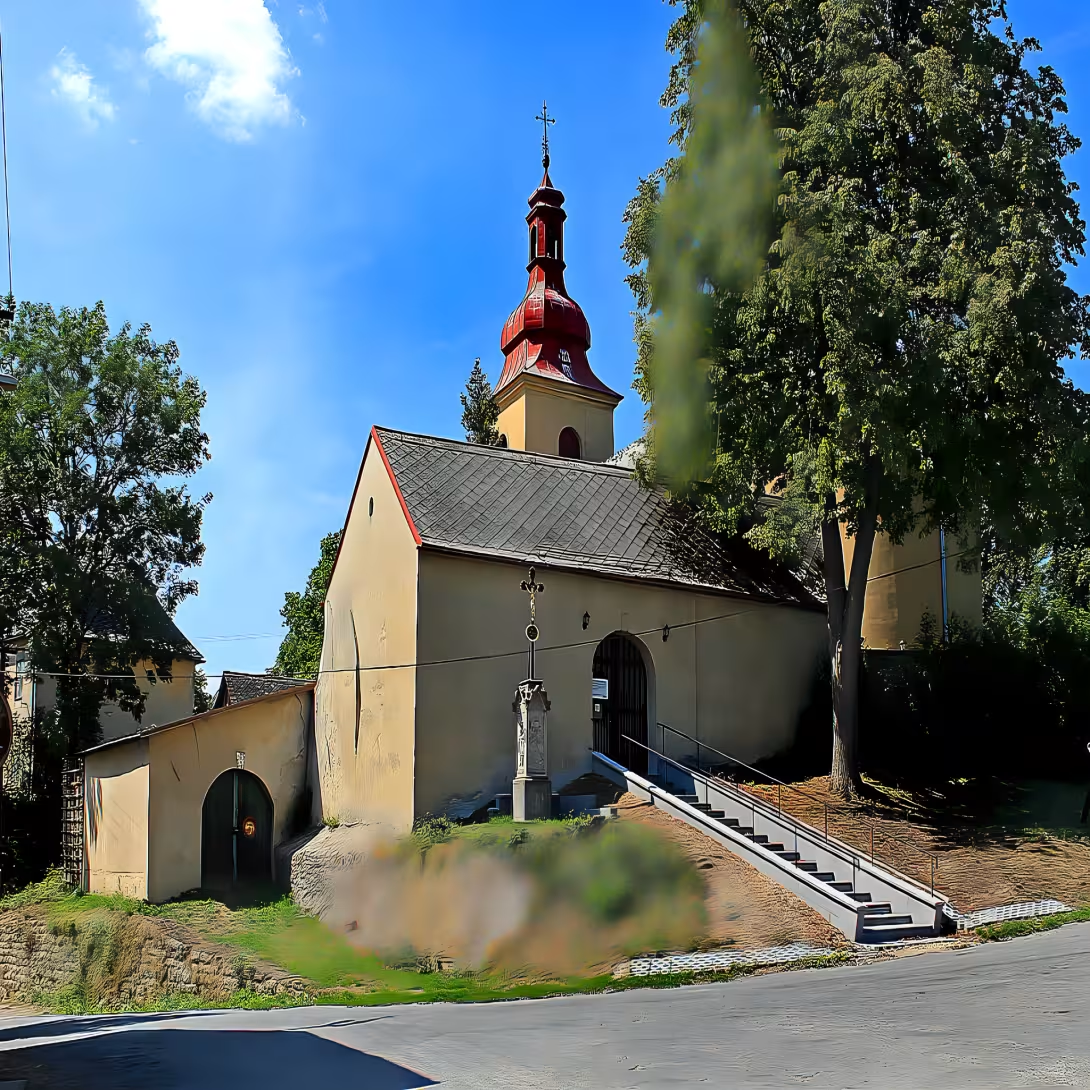
Karle is a mysterious site believed to be where a vanished castle once stood near the village of Karle in the Svitavy district of the Czech Republic. This historical monument stands out due to intriguing legends and archaeological findings that suggest significant past activity. The site features extensive cellars constructed from roughly worked sandstone, with artifacts such as 14th-century ceramics and Roman coins discovered within them. These elements hint at a rich history tied not only to local events but also broader European narratives.
The origins of Karle are shrouded in mystery, yet it is associated with the legend of Saint Bridget. According to this tale, a Swedish queen's funeral procession was attacked by a robber knight from Karle, suggesting connections beyond its immediate geographical context. The site’s historical significance is further underscored by cellars marked with a date of 1004 above their entrance, indicating possible construction or use during that period.
Architecturally, the site is characterized by extensive sandstone cellars notable for their roughly worked appearance and complex underground passages. These features suggest sophisticated construction techniques for the time and hint at the site's potential strategic importance. The carved date of 1004 adds an element of intrigue to its origins, although the exact purpose of these structures remains uncertain.
Historically, Karle is first documented in 1366 when the name appeared in a surname, Kunáta z Karle. This reference provides a glimpse into the site's integration into local history and identity during that era. The discovery of ceramics from the 14th century and Roman coins in 1963 further emphasizes its long-standing historical relevance.
Today, the remnants of what is presumed to be a castle at Karle offer a fascinating glimpse into the past for visitors. While much about its original purpose remains speculative, the site's archaeological findings provide valuable insights into medieval life and broader historical connections. The cellars, with their intriguing artifacts and mysterious origins, make Karle an attractive destination for those interested in history and archaeology.
Visiting Karle is a journey through time, where legends intertwine with tangible remnants of history. Its enigmatic past and the stories it holds invite exploration and reflection on the broader historical narratives that shaped this region. For anyone intrigued by medieval mysteries or archaeological discoveries, Karle offers a unique opportunity to connect with the layers of history embedded in its cellars.
Historical milestones
- 1004
- The date above the entrance to the caves suggests possible construction or use.
- 14th century
- The discovery of 14th-century pottery indicates historical activity.
- 1366
- First documentation of the name Karle in Kunata z Karle's surname.
- 1963
- The finding of Roman coins confirms long-term historical significance.
Architectural development
The site is characterized by extensive cellars constructed with roughly worked sandstone. A date of 1004 is carved above the entrance to these cellars, indicating possible historical significance. An underground passage leading from the lower level suggests complex construction.
Historical events
- 1366
- The name of the village Karle appeared in a surname, Kunáta z Karle.
- 1963
- Ceramics from the 14th century and Roman coins were discovered in the cellars.
Points of interest
- One lesser-known fact about Karle is that the cellars are marked with a date of 1004 above their entrance, suggesting possible construction or use during that period. This early date adds to the mystery and intrigue surrounding the site's origins.
- The legend associated with Saint Bridget indicates that a Swedish queen's funeral procession was attacked by a robber knight from Karle. This story suggests that the site had connections beyond its immediate geographical context, hinting at broader European interactions during medieval times.
- Among the archaeological findings at Karle are Roman coins discovered within the cellars in 1963. These artifacts suggest that the site may have been influenced or utilized by different cultures over time, long before it became associated with local Czech history.
- The first documented mention of Karle appears in 1366 when the name appeared in a surname, Kunáta z Karle. This reference provides insight into how the site was integrated into local identity and history during that era.
- Architecturally, the cellars at Karle are notable for their roughly worked sandstone and complex underground passages, indicating sophisticated construction techniques for the time. These features suggest that the site may have had strategic importance in medieval times.
Guide
This guide is narrated by a synthetic voice generated by artificial intelligence.
Show guide text
This text was created by artificial intelligence and has not been editorially reviewed. It may contain inaccuracies.
Karle is a presumed lost castle. It stood near the village of the same name in Svitavy district, above the Loučná stream. The word presumed is appropriate here because we do not yet have certainty about its existence.
Historical sources mention almost exclusively the village of Karle. In thirteen sixty-six its name appears also in the surname of Kunáta z Karle. But only a single source speaks of the castle itself, and that is a Swedish legend about Saint Brigid. According to it, a funeral procession was attacked in Bohemia, the procession of a former Swedish queen that was returning from Rome. The attacker was supposed to be a bandit knight from the castle Karle.
The place where the castle stood is considered to be a homestead with the house number eighty-one. To confirm this, further research is needed. The homestead is mainly connected to the castle by extensive cellars built from roughly worked opuka stone. In their section, in nineteen sixty-three, ceramics from the fourteenth century were found, as well as Roman coins. Above the entrance from the garden to the cellar, the year one thousand and four is carved. From the lower level of the cellars, then leads a filled passage carved in the rock.
Tips for visitors
The best time to visit the site of Karle Castle is during late spring or early autumn, when the weather is mild and pleasant for exploring outdoor sites. These seasons offer clear skies and comfortable temperatures, making it ideal for walking around the area and appreciating any visible remnants of the castle and its surroundings.
It is advisable to check current routes and schedules online before your visit, as this will ensure a smooth journey to the location without any unexpected delays.
When visiting Karle Castle, it's recommended to bring comfortable walking shoes, a hat, sunscreen, and plenty of water, especially if you plan on exploring the surrounding areas. Additionally, considering the site's historical significance, bringing along a guidebook or downloading an app related to local history could enhance your experience by providing context about the legends and archaeological findings associated with Karle.
For photography enthusiasts, early morning or late afternoon is ideal for capturing the best light at the site of Karle Castle. These times offer softer lighting conditions that can highlight any remaining structures or landscapes around the area. While specific spots may not be clearly marked due to the site's mysterious nature, exploring the vicinity might reveal unique angles and compositions.
Within a 30-minute drive from Karle Castle, visitors can explore nearby attractions such as the historical village of Karle itself, which offers insights into local culture and history. Additionally, the surrounding countryside provides opportunities for hiking or cycling, allowing families to enjoy nature while learning about the area's past.
Frequently asked questions
Can the monument be visited?
This is a ruin. Such sites are often freely accessible, but some can only be visited with a guide or are closed for safety reasons. We have not verified the current situation – take care and respect any restrictions.
Where is the monument?
Location: Karle, Pardubický kraj. The map on this page shows the exact spot.
Businesses nearby
Do you run a restaurant, accommodation, shop, museum, rental, wellness or other visitor service near this monument? Show yourself directly to the people heading to it — this is how they will see you in the app and on the web:
Events nearby
Zdroj akcí: otevřená data měst a obcí ČR (Národní katalog otevřených dat) a kalendář akcí Národního památkového ústavu.
Accommodation nearby
Themed route
Tematická výletní trasa: Hrad Karle
1. Hrad Karle
- Typ: Historické hradisko
- Proč stojí za návštěvu: Navštivte toto impozantní hradisko, které představuje klíčovou historickou památku obce Karle. Hrad Karle je známý svým bohatým dědictvím a krásnými pohledy na okolní krajinu Pardubického kraje, což ho činí nezbytnou zastávkou pro milovníky historie.
2. Kostel svatého Jiří
- Typ: Historický kostel
- Proč stojí za návštěvu: Tento kostel je jednou z nejstarších sakrálních budov v oblasti Karle. Jeho architektura a historie nabízejí pohled na duchovní život minulých generací, což jej činí ideálním místem pro ty, kteří se zajímají o náboženské památky.
3. Kaple svatého Vavřince
- Typ: Kaple
- Proč stojí za návštěvu: Tato malebná kaple je známá svou klidnou atmosférou a historickým významem. Je to místo pro odpočinek a reflexi, které nabízí pohled na tradice a kulturu obce Karle.
4. Nádvoří hradu Karle
- Typ: Historické nádvoří
- Proč stojí za návštěvu: Prozkoumejte toto historické nádvoří, které sloužilo jako centrum života na hradu. Je ideálním místem pro pochopení každodenního života a důležitosti hradu v minulých dobách.
5. Park u hradu Karle
- Typ: Historický park
- Proč stojí za návštěvu: Park nabízí klidné prostory k relaxaci a krásné pohledy na okolní krajinu. Je to skvělý způsob, jak uzavřít svou výletní trasu uvolněným procházkou v přírodě.
Tato trasa nabízí komplexní pohled na historické a kulturní bohatství obce Karle, s důrazem na hlavní památky a jejich okolí.
Seasonal recommendations
Spring: Visiting Karle Castle during spring offers a unique opportunity to witness the landscape coming to life with vibrant colors as wildflowers bloom and trees regain their lush greenery. The gentle warmth of the sun enhances the natural beauty surrounding the castle, creating an enchanting atmosphere perfect for leisurely exploration. Spring is generally less crowded than summer, allowing visitors to enjoy the site at a more relaxed pace. It's advisable to wear layers, as temperatures can vary throughout the day, and bring a light jacket for cooler mornings or evenings.
Summer: Summer brings long daylight hours and warm weather, ideal for exploring Karle Castle in full detail. The lush greenery provides a picturesque backdrop, while the open-air environment allows visitors to fully appreciate the castle's architecture and history. This is peak tourist season, so expect larger crowds, especially on weekends and holidays; arriving early can help avoid the busiest times. Comfortable walking shoes and sun protection are essential, along with staying hydrated throughout your visit.
Autumn: Autumn at Karle Castle showcases a stunning palette of reds, oranges, and yellows as deciduous trees change color. The cooler temperatures make for comfortable exploration, and the reduced foliage offers new perspectives on the castle's structure. This season typically sees fewer visitors than summer, providing a more tranquil experience. Layered clothing is recommended to adapt to varying weather conditions, and carrying an umbrella or raincoat can be wise due to potential autumn showers.
Winter: Winter transforms Karle Castle into a serene wonderland, with snow-covered landscapes offering a magical atmosphere that contrasts beautifully against the castle's historic architecture. The shorter days mean visiting in daylight hours is essential, so plan your visit accordingly. Winter tends to attract fewer visitors, allowing for a more intimate experience of the site. Dress warmly in layers and wear sturdy boots for walking on potentially icy paths. Be aware of reduced opening times during this season, as some facilities may be closed or have limited access.
Visualizations and artistic views


The visualisations are generated by artificial intelligence and serve as inspiration.
Photos from the area
Real photos taken near the monument


Zdroj a licence jsou uvedeny u každého snímku.
Tips from visitors
No tips yet. Be the first!
Log in and add your tip.
Sources and literature
Faktickým podkladem tohoto textu byl článek na Wikipedii, jehož autory jsou přispěvatelé Wikipedie. Článek je dostupný pod licencí CC BY-SA 4.0.
Location on the map

Příběhy a pověsti
Legendy, pověsti a příběhy spjaté s touto památkou
Příběh: Karle
Bylo to v pondělí ráno, kdy Jan z Karle stál uvnitř tichých a temných podzemních chodeb s pohledem zarudlým od úžasu a strachu. Zadní nohy se mu chtěly vydrt…
Číst příběh
Pověst: Karle
Traduje se, že kdo za soumraku prochází po cestě nad říčkou Loučnou a zastaví se na louce u statku čp. 81 ve vsi Karle, ucítí někdy z hloubi země zvláštní ch…
Číst příběhFotografie návštěvníků
Zatím žádné fotografie. Buďte první, kdo přidá fotografii z návštěvy!
Log in a přidejte svou fotografii nebo hodnoťte.
Za ověřenou návštěvu v aplikaci získáte víc bodů — poznáme podle GPS, že jste na místě.
Reviews and comments