






Klášter minoritů v Litoměřicích Monastery
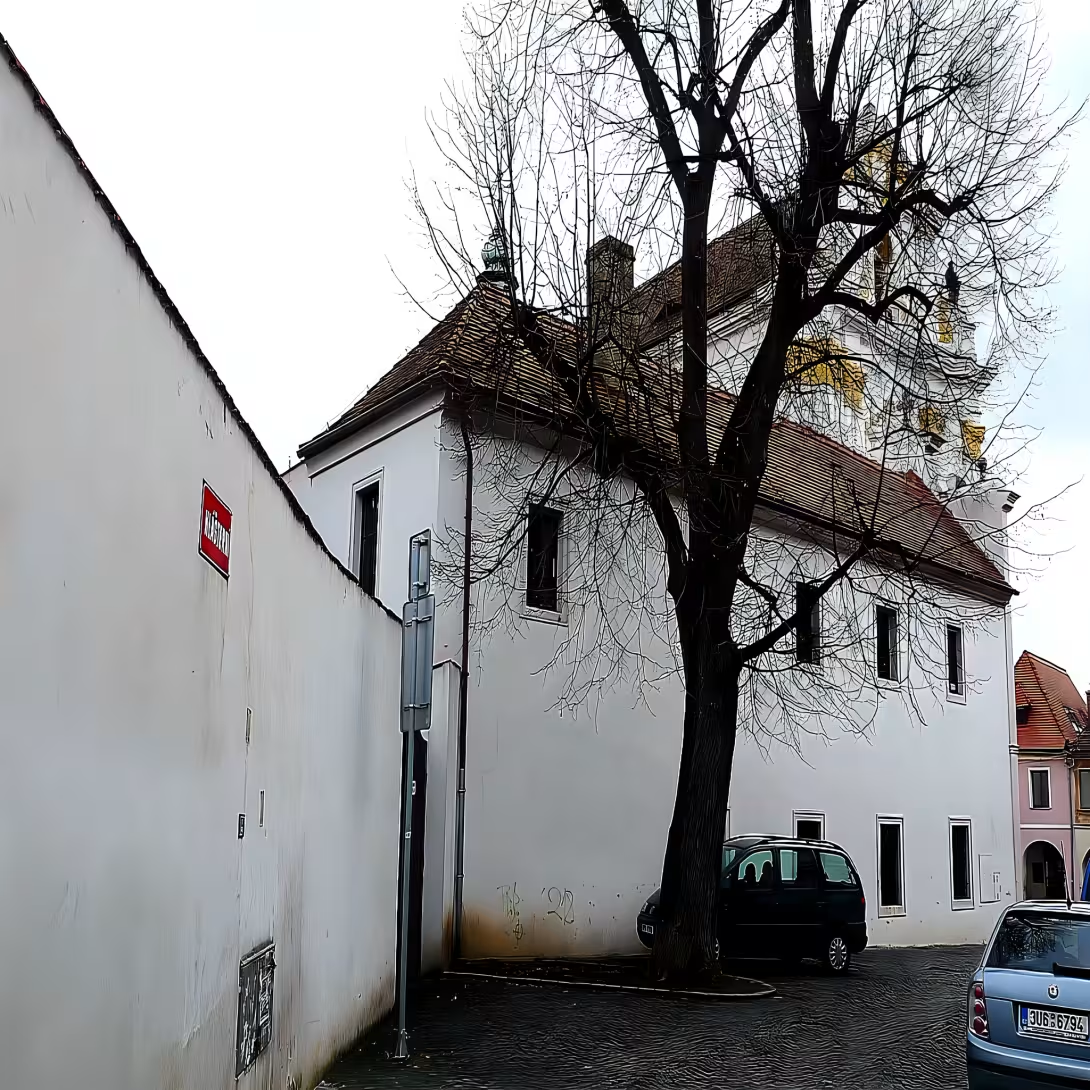
The Minorite monastery is one of the oldest institutions in Litoměřice. It was founded by the Prague Bishop Jan II, who appointed it for the order of minorities - the Franciscan family member movement. According to historian J. Lippert, the monastery with the church of St. James the Elder was built in 1233 when the first three minorities of Italian origin came to town. Among them was Brother Clemens, who became the first quadrant. The oldest mention is documented in 1253 when the brothers Jakub and Jan are reminded of the leader of the community.
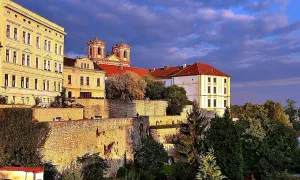
The monastery stood in the northeast part of Litoměřice by the city walls and was built according to the order rules of the minorities. The church was deliberately very simple with a long presbytery, and his own convention separated the wall from the city. Out of opacity, a small fortress led from the monastery directly to the chateau ditch. The Minorites lived here modestly, collecting alms and following their rules of order. Over time, however, the community began to become rich in property - references to the monastery from 1339, 1390 and 1409 are known.
At the beginning of the 15th century, the monastery faced the intervention of Hussite wars. In 1421, the Quardian and the Convent held an important meeting of the Catholic Kler, at which the church's present leaders (about 200 people) voiced against the fallen Archbishop. When the Hussites seized Litoměrec, they seized all the monastic property in the area that the minorities had acquired over time at the edge of the city. Yet the community seems to have survived in the monastery, albeit in very tight circumstances. Some reports suggest that only one monk has ever lived in the restoration of the monastery.
In the 16th century, the monastery began to rise again. In 1533 the church of St. James was restored. But the relationship between the minorities and the city remained tense. In 1546, the Minorites had to withdraw part of their land behind the monastery for the establishment of new meat shops.
On February 20th, 1610, the monastery was plundered in the invasion of Pasov troops; The monks escaped in time, but the monastery suffered considerable damage. Катастрофа came during the Czech uprising from 1618-1621, when the town council confiscated the monastery and the church and handed over to local German Protestants. The Minorites either escaped or were killed. The German Protestants then repaired the building quite expensive and used it as their temple.
After the anti-Reformation, representatives of minorities returned to Litomerice. In February 1621 P. Václav z Týnice was introduced as the first minority after a long break. The renewal was also addressed by P. Antonín Barchetti, who was primarily responsible for the repair of the church. But the Quardian Dr. J. Sancius, the Apostolic Commissioner General, did not just settle for the return of assets - in 1622 he demanded compensation from the city and from the German Protestants for the destruction and loss of the community. After the Germans were released from the city, Sancius secured four of their homes as compensation. The monastery suffered with the whole city during the subsequent storms of the Thirty Years' War; In 1631, a new attack destroyed him during the Saxon invasion.
In 1785, the monastery and the church connected to it became property of the Order of Dominicans. Today the ensembles is protected as a cultural monument of the Czech Republic and commemorates the complicated past of Czech Catholicism and Litomeric in the era of religious discord. / p >
Then and now
Drag the slider to compare how the landmark may have looked when it was built with the view today.
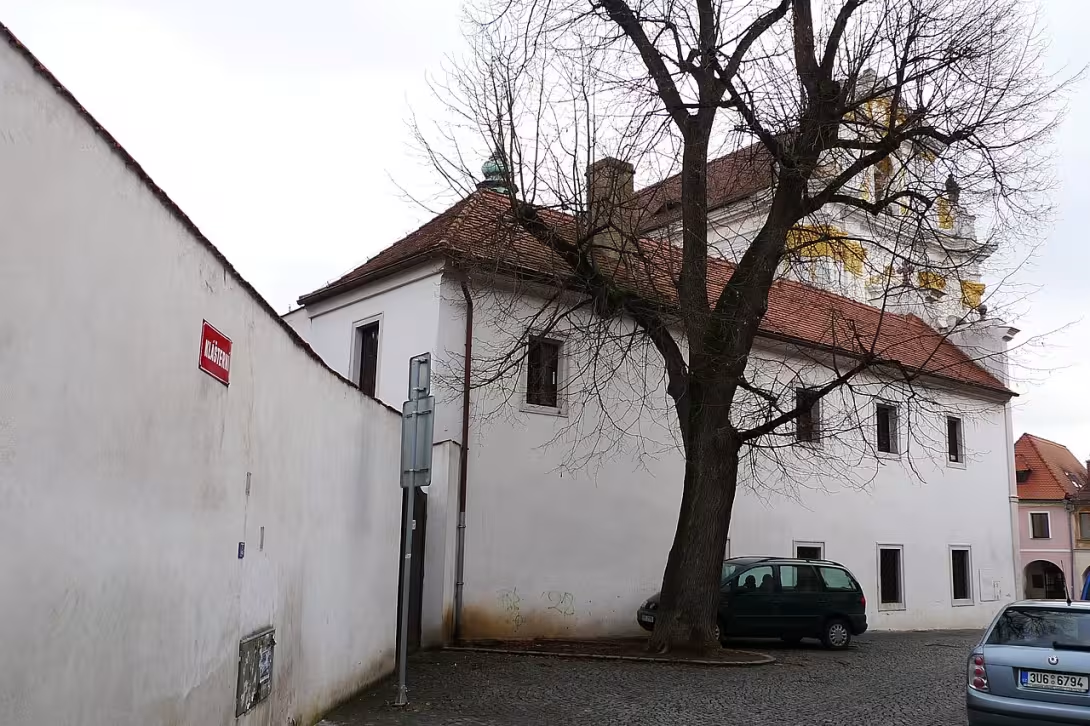
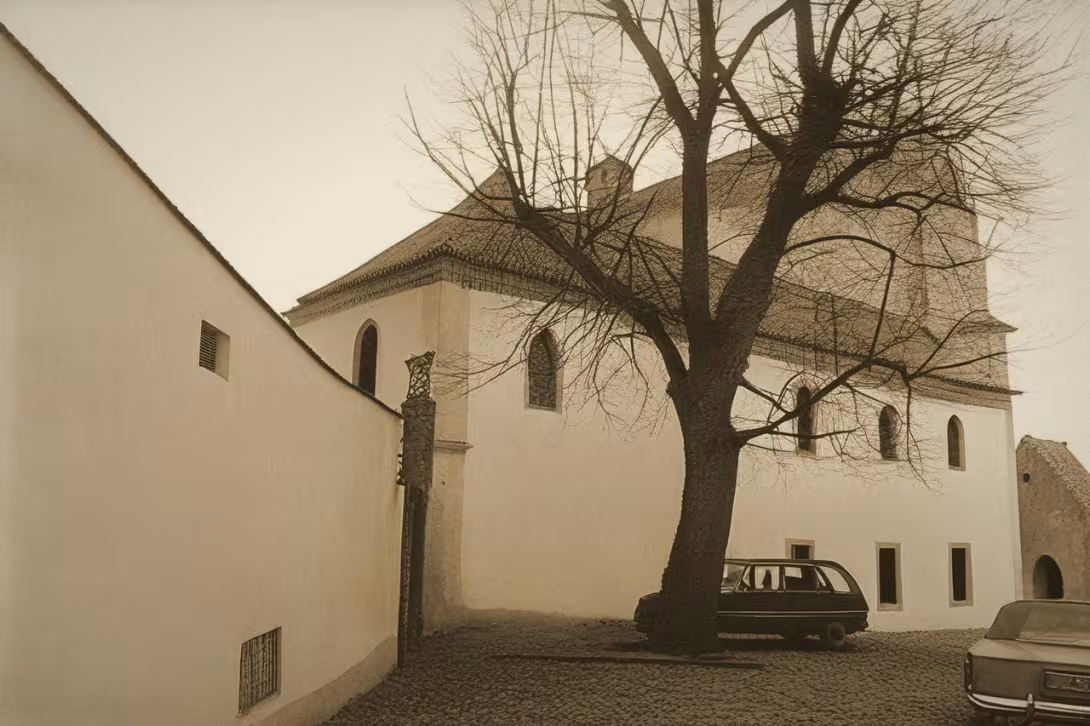
The historical appearance on the left is an AI-generated visualisation and serves as inspiration only.
Historical milestones
- 1233
- The establishment of the monastery by Bishop John II.
- 1253
- A paper proof of a monastery built in the northeast part of the city.
- 1421
- The meeting of the Catholic Kler behind Jan Zoul's presidency.
- 1621
- A return of minorities to the monastery at the time of counter-reformation.
- 1785
- Taking over the object by order of Dominicans.
Architectural development
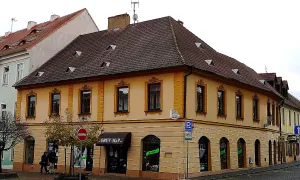
Originally a simple convention with a church that was restored in the 16th century. In 1662-1667 a Baroque reconstruction took place, interrupted by the fire in 1714. It was followed by a major reconstruction probably under the guidance of Octavia Broggio, completed in 1785.
Historical events
1421: Convoying the Catholic Kler in response to Hussite; 1618-1621: Confiscation of the monastery by German Protestants; 1662-1667: Baroque reconstruction of the complex.
Owners
Minorité (1233-1785), Dominicans (since 1785)
Points of interest
- Minorite monastery belongs to the oldest institutions of Litoměřice. - It was founded by the Bishop of Prague, John II, who appointed a monastery for the order of minorities - a member movement of the Franciscan family. - According to historian J. Lippert, the monastery with the church of St. James the Elder was built in 1233 when the first three minorities of Italian origin came to town. - The oldest mention is documented in 1253, when the brothers Jakub and Jan lead the community. - In the early 15th century, the monastery faced the intervention of Hussite wars.
Guide
This guide is narrated by a synthetic voice generated by artificial intelligence.
Show guide text
This text was created by artificial intelligence and has not been editorially reviewed. It may contain inaccuracies.
Welcome to one of the most important and oldest historical points of Litoměřice. You're standing in a place where time seems to be denser and where every wall and every stone tells a story over eight centuries. Before your eyes is a monastery of minorities, a place that has been the spiritual and social heart of this city for centuries. Feel the atmosphere of peace and nobility that permeates this entire area. While the world around you is constantly changing, this monastery complex remains a fixed point, witnessing many of the ups and downs that shaped our country.
Let us now return to the past together to understand how everything began. Imagine 1233. There's a new chapter in this part of town at the time. According to historical records, namely the interpretation of historian J. Lippert, this monastery and the church of St. James the Elder was founded by the Bishop of Prague, John II. It was a crucial step for the flowering Litomeric. Bishop Jan II has determined this space for the order of minorities, which is the branch of the wider Franciscan family. The first three monks who came here laid the foundations of a community that became one of the most stable institutions in the region. Already in 1253, the existence of this monastery in the northeastern part of the city was officially confirmed in the then lists, proving how quickly this place became a solid part of the urban structure.
Now pay attention to the architecture itself that you are currently observing. Although the monastery grew from the original medieval foundations, its present face is the result of profound and fascinating transformations. Feel the baroque form that the area acquired during the counter-reformation period. At that time, rebuilding was not only a matter of aesthetics, but above all, howling at the expression of a new, triumphant faith. The site was properly restored and rebuilt to reflect a new era. When looking at buildings, note their overall harmony and the specific baroque elegance that remains in them. One of the key architects whose name is closely linked to this reconstruction is Octavius Broggio. Although the history of the monastery was constantly changing, its architecture became a visual witness to these changes. Take a look at the facade and see how the strength of the original medieval beginning mingles with wealth and baroque style dynamics.
But the history of this place was not just about peace and prayer. It was also a space of great conflict and dramatic breakthroughs. The monastery had to face stormy times that shook the whole landscape, like the Hussite wars. In these difficult years, there have been events that have had a major impact on the fate of the Catholic kler and the whole city. In 1421, for example, there was a Catholic kler under the direction of Jan Zoul. Imagine the tension, the uncertainty and the unrest that the monks and the people of the city had to experience at the time. The monastery witnessed religious disputes that lasted centuries and changed the face of society. Yet he managed to survive and be reborn. At the time of the counter-reformation, namely around 1621, the Minorites returned to the monastery, who restarted their activities here and renewed the tradition that began here over 500 years ago.
Another big fault chwillie that defined the future fate of this place was 1785. This year, there was a fundamental change in the organization of monastic life, as the building and the connected church of St. James moved into the hands of the Order of Dominicans. This change in order brought new faces, new ways of service and new chapters in the history of this place. Each of these orders brought its own spiritual tradition and way of life into the monastery, which is linked to the wealth and complexity of the whole complex.
Before you go further on your journey, let me share with you one interesting fact that might interest you. The Minorite monastery is not just an ordinary historical building. He is one of the oldest institutions in the entire Litoměřice. This means that while the city was constantly changing around it, merchants were coming and going, political regimes were changing, and powerful rulers were replaced by new ones, this monastery was held still in the stream of time. It is one of the few pillars that form the continuity of this historic city and that link the medieval era to today's world.
I won't keep you now. In front of you are opening up other possibilities of discovery. Whether you choose to explore the inner spaces or go further down the streets of this beautiful city, remember that you are standing where history touches the present. I wish you a nice tour and many more experiences in the next survey of this place.
Tips for visitors
For the best experience we recommend a visit during the morning hours, where the monastery is the most quiet and you can perceive the historic atmosphere without large crowds.
Traffic to the monument is easy as it is located near the historical center of Litoměřice. You can use public transport or drive; Please check current connections and parking options in pre-prepared map applications or search engines.
When visiting, it is recommended to bring drinking water and comfortable shoes. For the best photos of the interior, use the natural light falling through the windows to highlight the historical details of the building.
For families with children, the monastery is an interesting place to know history, but it is necessary to keep calm in order to avoid disturbing other visitors.
After visiting the monastery we recommend to explore the historical center of Litoměřice, which offers many other attractions in close proximity.
Frequently asked questions
Is Klášter minoritů v Litoměřicích open to the public?
Yes, he's open to the public. A tour of the monastery is possible after prior agreement with the Monument Care Office.
How do I get to the place by car / public transport?
Klášter minoritů v Litoměřicích is located in the historical center of the city. The best way to transport is by foot or train to station Litoměřice city and then walk to the object.
How much is the entrance fee and is it paid on the spot?
Admission to the Monastery of Minorites in Litoměřice is free of charge, but it is possible to contribute to the collection for maintenance of the monument.
Is the tour suitable for children and seniors?
Yes, a tour of the monastery of minorities in Litoměřice is also suitable for families with children and seniors. The monastery offers a quiet environment and interesting historical information.
How long does the tour take?
The tour of the Monastery of Minorites in Litoměřice takes approximately 30-60 minutes, depending on the interest of visitors.
What are the opening times and booking is required?
The Klášter minoritů v Litoměřicích is accessible after prior agreement with the Monument Care Office. Opening hours may change, so it is best to contact officials before visiting.
What's interesting in the immediate vicinity?
In the immediate vicinity of the Minorite monastery in Litoměřice you will find the historical centre of the city with many other monuments such as churches, town halls and city walls.
For kids
Imagine going back 793 years to the medieval city of Litoměřice. This is exactly what happened in 1233 when a monastery of minorities was founded. It was a really impressive building, built in Gothic style.
What did Litoměřice look like before? It was a small village with several wooden houses and a pond in the middle. But when the Franciscan brothers approached, who wanted to start a monastery, things began to change. It had to be built quickly because the new monastery was due to be finished in three years!
Businesses nearby
Do you run a restaurant, accommodation, shop, museum, rental, wellness or other visitor service near this monument? Show yourself directly to the people heading to it — this is how they will see you in the app and on the web:
Events nearby




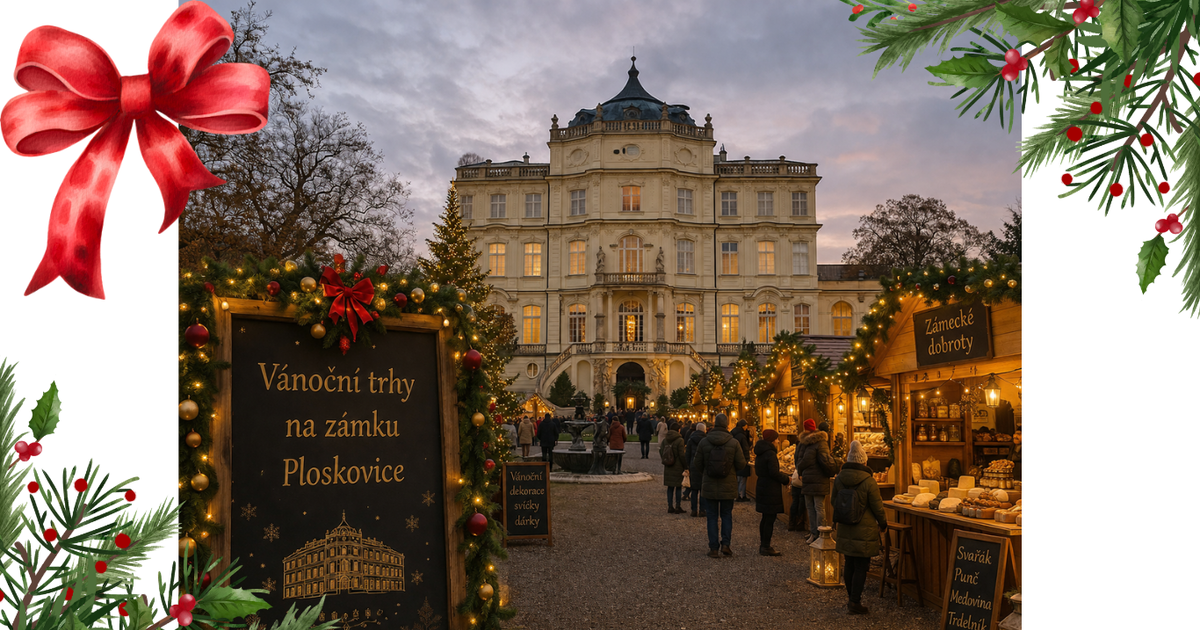
Zdroj akcí: otevřená data měst a obcí ČR (Národní katalog otevřených dat) a kalendář akcí Národního památkového ústavu.
Nearby
Historical center of Litoměřice
Accommodation nearby
Trips and activities nearby
Guided tours, tickets and activities nearby from GetYourGuide
Affiliate link: if you buy from the partner, we may receive a commission. The price for you does not change.
Search tours and activities →Themed route
Thematic cruise route: Monastery of Minorites and historical centre Litoměřice
1.Klášter minoritů v Litoměřicích - * Type: * Historical monument, religious location - * Why is it worth visiting: * The monastery is one of the oldest and most interesting Gothic monastery complexes in the Czech Republic. Its history dates back to the 13th century, when it was founded by the order of minorities. It is important for its architecture and rich history, which attracts visitors from all over the world.
2. Church of the Virgin Mary Snow - * Type: * Church, religious monument - * Why is it worth visiting: * This church is the oldest Gothic sacral building in Litoměřice. It is located in the historical centre of the city and is a key part of the cultural heritage of the village. Its interior is rich in works of art, which makes it a necessary place for every passenger.
3. Old Town Square - * Type: * Square, historical center - * Why is it worth visiting: * Old Town Square is the heart of the historical centre of Litoměřice. It is famous for its beautiful Baroque houses and impressive city hall, which was built in the 18th century. The square is an ideal place to relax and explore the city where you can enjoy the atmosphere of old Europe.
4. City Hall - * Type: * Historical building, administrative centre - * Why is it worth visiting: * Town Hall is one of the most important architectural monuments in Old Town Square. It is famous for its Baroque portal and views of the surroundings, which offers unique views of the city. The history of the town hall is closely linked to the history of Litomeric, which makes it necessary for every visitor.
5. Staropramen Brewery - * Type: * Brewery, cultural monument - * Why is it worth a visit: * The Staropramen Brewery is not only a historical location but also a lively place of culture and gastronomy. If you visited him, you can see the equipment of the brewery and try traditional Czech beer on the spot. The brewery is part of the cultural heritage of Litoměřice and offers visitors a unique experience connected with the Czech beer tradition.
This route will guide you through the most beautiful places of the historical centre of Litomeric, where you can learn about the rich history and culture of this area.
Seasonal recommendations
Spring brings the monastery freshness and fine, scattered light, which beautifully highlights the texture of old walls. Nature begins to flourish in the surroundings, creating an optimistic and lively atmosphere. For the visit it is best to choose the morning hours when the air is even colder and there is more calm. We recommend taking layered clothes because the weather can be very variable during this period.
During summer it is sunny in Litoměřice and the days are long, which allows for walking even until late evenings. Historic buildings in the warmth seem majestic, but in the greatest heat the inner spaces may be less comfortable. There are the most people in the main summer season, which is why it is best to arrive immediately after opening to avoid crowds. Don't forget the sun protection and plenty of water.
Autumn is ideal for lovers of melancholy and calm, especially thanks to golden lighting and morning fog. Colors of surrounding vegetation give the place a deep and quiet touch. The best time for a tour is in the afternoon when the sun shines at a lower angle. Prepare comfortable shoes for walks and warmer clothes, because after sunset it is cold in the valley.
Zimą monastery is surrounded by special silence and nobility, which is perfectly suited to its spiritual nature. The light is very weak in this period and the days are short, so focus mainly on the tour of the inner spaces. In advent time or during freezing days it is necessary to have very warm clothes. Always check the current opening hours before visiting, which are shorter in the winter months.
Visualizations and artistic views


The visualisations are generated by artificial intelligence and serve as inspiration.
Photos from the area
Real photos taken near the monument

Zdroj a licence jsou uvedeny u každého snímku.
View from the area
This animation was generated by artificial intelligence from a real photograph of the surroundings. The motion and details are not real footage of the location.
Atmosphere of the place
This atmospheric visualisation of the place and period was generated by artificial intelligence. It is not real footage of the location.
Tips from visitors
No tips yet. Be the first!
Log in and add your tip.
Sources and literature
Fotografie: H2k4 / CC BY-SA 3.0, rozlišení zvýšeno umělou inteligencí — Wikimedia Commons. The author and licence also appear when you hover over the image.
Faktickým podkladem tohoto textu byl článek na Wikipedii, jehož autory jsou přispěvatelé Wikipedie. Článek je dostupný pod licencí CC BY-SA 4.0.
Location on the map
More monuments – Litoměřice-Město
Show all in the municipality

Příběhy a pověsti
Legendy, pověsti a příběhy spjaté s touto památkou
Fotografie návštěvníků
Zatím žádné fotografie. Buďte první, kdo přidá fotografii z návštěvy!
Přihlaste se a přidejte svou fotografii nebo hodnoťte.
Za ověřenou návštěvu v aplikaci získáte víc bodů — poznáme podle GPS, že jste na místě.
Reviews and comments