






Klášter Osek Monastery
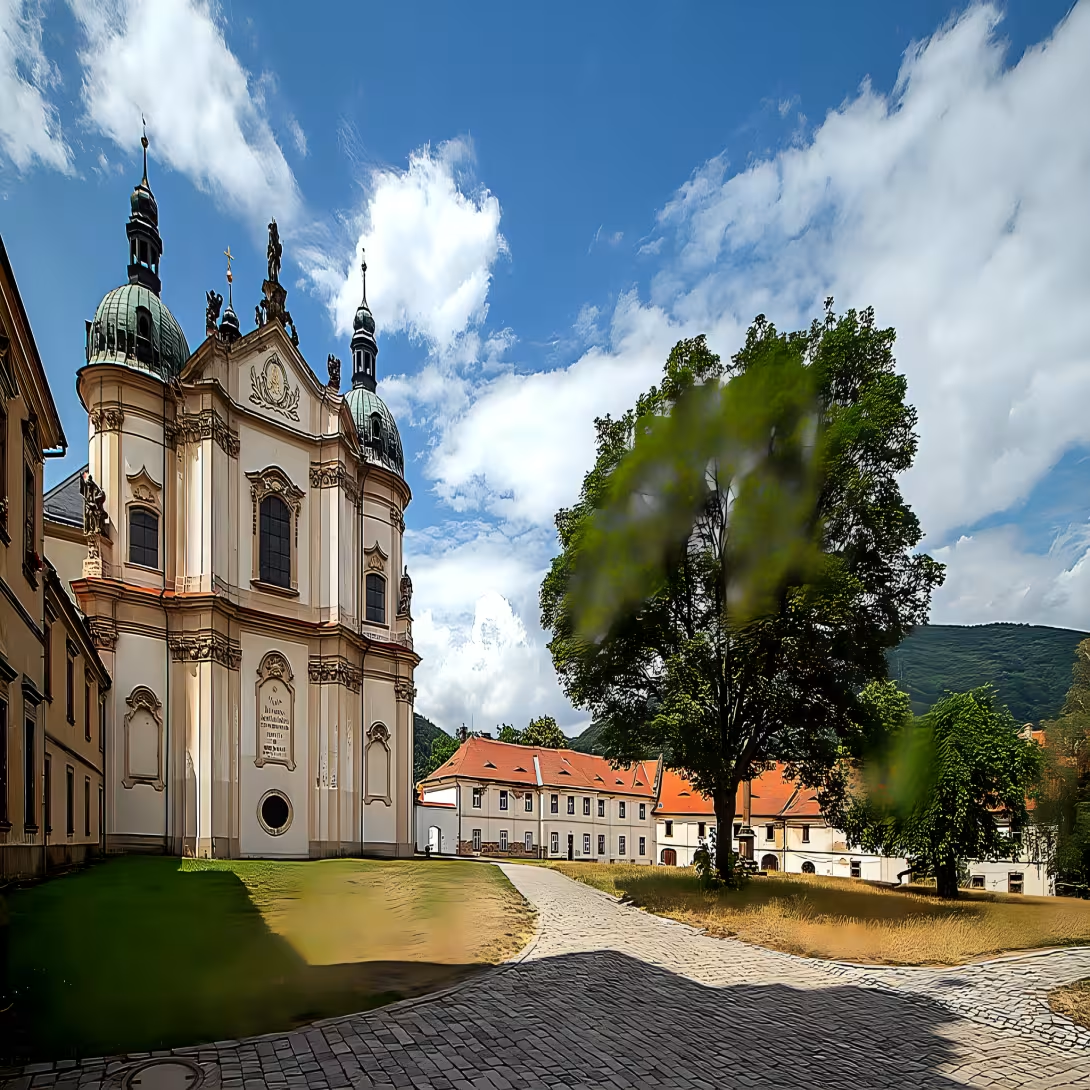
The Osek Monastery is a significant historical landmark in the heart of Krušné hory, founded in the 13th century as a Romanesque-Gothic structure. Initially built by Cistercian monks from the Bavarian Waldsassen Abbey, it has undergone several transformations and expansions over the centuries. Today, this baroque monastery complex is a notable landmark, boasting a unique blend of architectural styles.
The monastery's origin dates back to 1191 when it was founded in Mašťov. However, due to financial struggles, the monks relocated to Osek in 1199 with the support of Slávek of the Hrabišici family. The abbey flourished during the first half of the 13th century, attempting to establish a daughter abbey in Nížkov, though unsuccessfully.
In the 14th century, King John of Bohemia made Osek a royal abbey, which prospered until the Hussite Wars when Prague's Hussite armies burned it in 1421. Most monks escaped to Altzella Abbey, but Osek Monastery fell into decline. By 1580, Pope Gregory XIII dissolved the abbey, and the remaining monks relocated to Sedlec and Zbraslav.
The abbey's property came directly under the Prague Archbishopric, and the monastery was reestablished in 1626 with the support of Archbishop John Lohelius. However, it did not appoint its own abbot until 1650. In the 18th century, the abbey underwent a transformation, being rebuilt in the Baroque style by architect Octavian Broggio.
During World War II, part of the monastery was forcibly requisitioned and sold to the occupying German army. After the war, Abbot Eberhard Harzer and numerous monks faced investigations and false accusations of collaborating with the Nazis. Despite lacking evidence, they were still condemned to hard labor in the coal mines near Osek.
The Cistercian monks were subsequently expelled to Germany, and Salesians briefly took over the monastery. However, their presence was cut short during the K Action in 1950, a state-led suppression of monasteries and abbeys in Communist Czechoslovakia. The abbey was changed into an internment camp for hundreds of monks and priests. Later, it became home to religious sisters from six different religious orders.
The Cistercians could return to Osek after 1989. In 1991, the newly elected Abbot Bernhard Thebes moved to the monastery with a small community of monks. Bernhard Thebes died in 2010 as the last abbot of Osek and was buried in the crypt of the monastery church.
Today, the baroque monastery complex is open to visitors, offering a glimpse into its rich history and architectural heritage. The monastery's Church of Assumption of Virgin Mary boasts a three-nave basilica with a unique high-Gothic statue of Virgin Mary. The convent features a Gothic cloister and chapter house with an early Gothic stone ambon from around 1240.
The abbot's residence, located at the main entrance of the monastery, was constructed between 1719 and 1725. It consists of three wings with an inner court adjacent to the eastern wing of the convent. The clock tower houses four bells, each created by a different bellmaker. A significant portion of the abbey complex consists of auxiliary buildings, including a brewery that remains active today.
The surrounding landscape features rolling hills and forests, with other notable monuments nearby. Visitors can explore the monastery's architecture, art, and history, gaining insight into its significance as a royal abbey and cultural monument.
Then and now
Drag the slider to compare how the landmark may have looked when it was built with the view today.
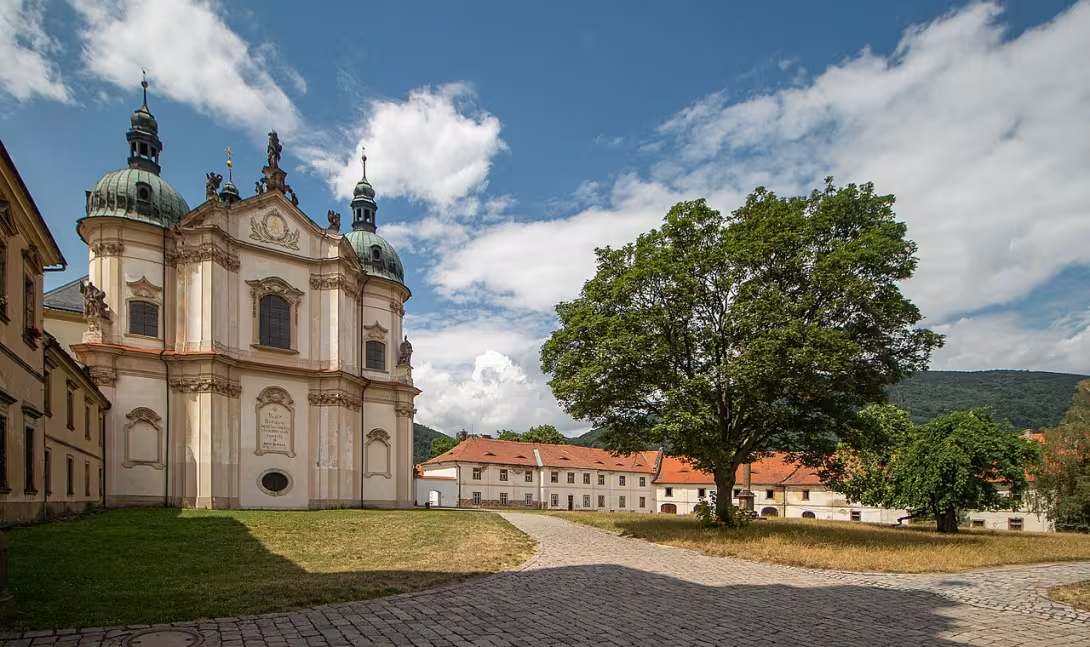
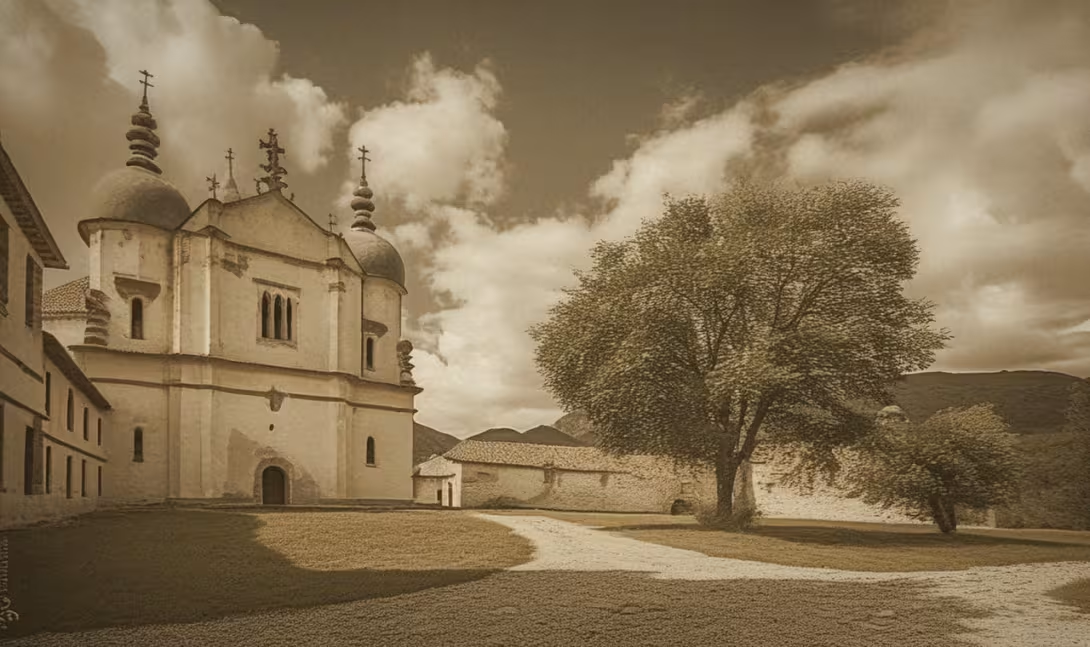
The historical appearance on the left is an AI-generated visualisation and serves as inspiration only.
Historical milestones
- 1191
- Founded as a Romanesque-Gothic structure
- 1300
- Founded in Osek
- 1421
- Hussite armies burned the monastery during the Hussite Wars
- 1580
- Pope Gregory XIII dissolved the abbey
- 1626
- Reestablished with support of Archbishop John Lohelius
- 1650
- Appointed its own abbot
- 1719
- Abbot's residence constructed between 1719 and 1725
- 1750
- No event description available
- 1989
- Cistercians could return to Osek after the fall of communism
- 1991
- Abbot Bernhard Thebes moved to the monastery with a small community of monks
Architectural development
The monastery underwent significant changes and expansions during the Baroque period, with Octavian Broggio playing a key role in its development.
Historical events
- 1197
- The monastery was founded by Slávek z rodu Hrabišiců.
- 1260
- Boreš z Rýzmburka brought back a relic of St. John the Baptist from the Battle of Kressenbrunnu.
Owners
Cisterciácký řád
Pražská arcibiskupská konsistoř
Points of interest
– The monastery's original foundation in Mašťov in 1191 was short-lived due to financial struggles, and it wasn't until 1199 that the monks relocated to Osek with the support of Slávek of the Hrabišici family.
– Despite being a royal abbey under King John of Bohemia in the 14th century, the monastery was burned down by Prague's Hussite armies in 1421 during the Hussite Wars, forcing most monks to flee to Altzella Abbey.
– The monastery's property came directly under the Prague Archbishopric after Pope Gregory XIII dissolved the abbey in 1580, and it wasn't until 1626 that the monastery was reestablished with the support of Archbishop John Lohelius.
Guide
This guide is narrated by a synthetic voice generated by artificial intelligence.
Show guide text
This text was created by artificial intelligence and has not been editorially reviewed. It may contain inaccuracies.
Welcome to the Osek Monastery, a breathtaking baroque complex nestled in the heart of Krušné hory. As you stand before this stunning monument, take a moment to absorb its grandeur.
Founded in the 13th century as a Romanesque-Gothic structure, the monastery has undergone numerous transformations and expansions over the centuries. Let's start by exploring its rich history.
As you gaze upon the monastery's facade, notice the intricate stone carvings and ornate details that reflect the architectural styles of the era. The complex was founded in Osek in 1300, but its original foundation in Mašťov in 1191 was short-lived due to financial struggles. It wasn't until 1199 that the monks relocated to Osek with the support of Slávek of the Hrabišici family.
As you walk around the complex, keep an eye out for the statues and ornate decorations that adorn the buildings. The monastery has been home to many notable figures throughout its history, including Přemysl Otakar I., Inocenc III., Jan Lucemburský, and Rudolf II.
One of the most fascinating stories surrounding the Osek Monastery is the tale of its reestablishment in 1626 with the support of Archbishop John Lohelius. This marked a significant turning point in the monastery's history, as it was able to regain its independence and continue to thrive.
As you explore the complex, be sure to take note of the unique features that set it apart from other monasteries. For instance, did you know that the monastery has its own abbot? This appointment took place in 1650, marking a significant milestone in the monastery's history.
Now, let's uncover some lesser-known curiosities about the Osek Monastery. Did you know that the monastery's original foundation in Mašťov was actually burned down by Hussite armies during the Hussite Wars in 1421? Or that Pope Gregory XIII dissolved the abbey in 1580?
As you continue to explore this incredible complex, take a moment to appreciate its beauty and significance. The Osek Monastery is a true gem of Czech history, and I hope you've enjoyed your visit as much as I have.
Thank you for joining me on this journey through time. Until next time, farewell!
Tips for visitors
Best Time to Visit: The best time to visit the Klášter Osek is during spring and autumn when the weather is mild and sunny, making it ideal for photography and exploring the surrounding landscape. Avoid visiting during peak summer months as the complex can get crowded.
Frequently asked questions
Can the monument be visited?
Religious buildings are usually open mainly during services; at other times a visit is normally arranged with the parish or the operator. We have not verified specific times.
Where is the monument?
Location: Osek, Ústecký kraj. The map on this page shows the exact spot.
Why is the monument protected?
It is listed in the Central List of Cultural Monuments of the Czech Republic as a national cultural monument (register no. 207).
Businesses nearby
Do you run a restaurant, accommodation, shop, museum, rental, wellness or other visitor service near this monument? Show yourself directly to the people heading to it — this is how they will see you in the app and on the web:
Events nearby

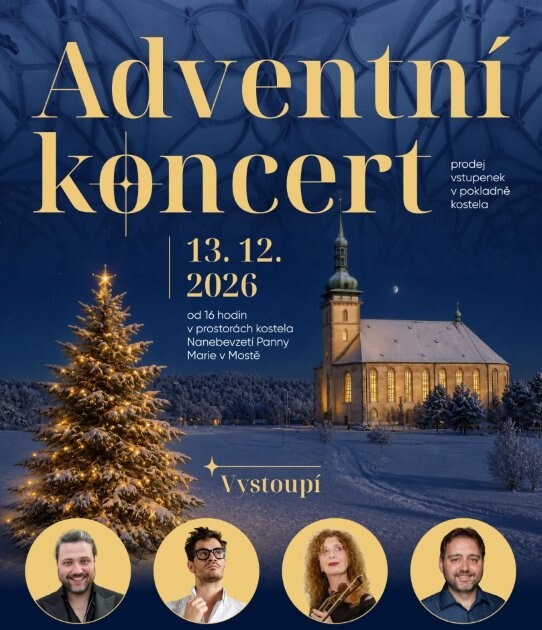
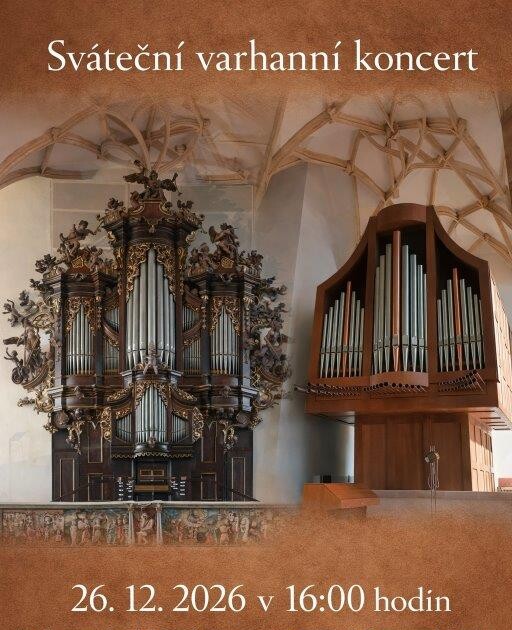
Zdroj akcí: otevřená data měst a obcí ČR (Národní katalog otevřených dat) a kalendář akcí Národního památkového ústavu.
Nearby
The surrounding landscape features rolling hills and forests, with other notable monuments nearby.
Accommodation nearby
Trips and activities nearby
Guided tours, tickets and activities nearby from GetYourGuide
Affiliate link: if you buy from the partner, we may receive a commission. The price for you does not change.
Search tours and activities →Themed route
Tematická výletní trasa
Stop 1: Osek Village Square Type: Historic town square Why visit: This charming square is the heart of Osek's historic center, surrounded by beautiful Baroque buildings and offering a glimpse into the town's rich history.
Distance from Klášter Osek: Approximately 0.5 km
Stop 2: Klášterní Park Type: Nature reserve Why visit: This peaceful park is located next to the monastery and offers a serene atmosphere, perfect for a relaxing stroll or picnic.
Distance from Osek Village Square: Approximately 0.3 km
Stop 3: Žalčí Hill Type: Scenic viewpoint Why visit: From this hill, you can enjoy breathtaking views of the surrounding landscape and get a sense of the region's natural beauty.
Distance from Klášterní Park: Approximately 2.5 km
Seasonal recommendations
Spring As the snow melts away, the monastery's surroundings come alive with blooming flowers and lush greenery. The gentle spring sunlight casts a warm glow on the historic buildings, making it an ideal time to visit. Practical tips: arrive early to avoid crowds, wear comfortable shoes for exploring the grounds, and consider visiting during weekdays when possible.
Summer The peak tourist season brings lively atmosphere to Osek Monastery. Enjoy the warm sunshine and take your time to explore the monastery's courtyards, chapels, and exhibitions. Be prepared for larger crowds and arrive early to beat the heat. Wear light and breathable clothing, and don't forget sunscreen and a hat.
Autumn As the leaves change colors, Osek Monastery takes on a picturesque autumnal charm. The cooler weather makes it an ideal time to visit, with comfortable temperatures and fewer tourists. Take your time to admire the monastery's architecture and enjoy the peaceful atmosphere. Wear layers for changing temperatures and consider visiting during weekdays.
Winter The winter season brings a serene and peaceful atmosphere to Osek Monastery. The snow-covered surroundings create a magical ambiance, making it an ideal time for a cozy visit. Arrive early to avoid crowds and take your time to explore the monastery's exhibitions and chapels at a leisurely pace.
Visualizations and artistic views


The visualisations are generated by artificial intelligence and serve as inspiration.
Photos from the area
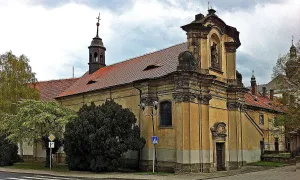
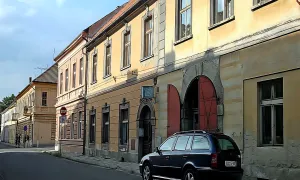
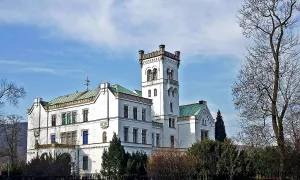
Real photos taken near the monument


Zdroj a licence jsou uvedeny u každého snímku.
Atmosphere of the place
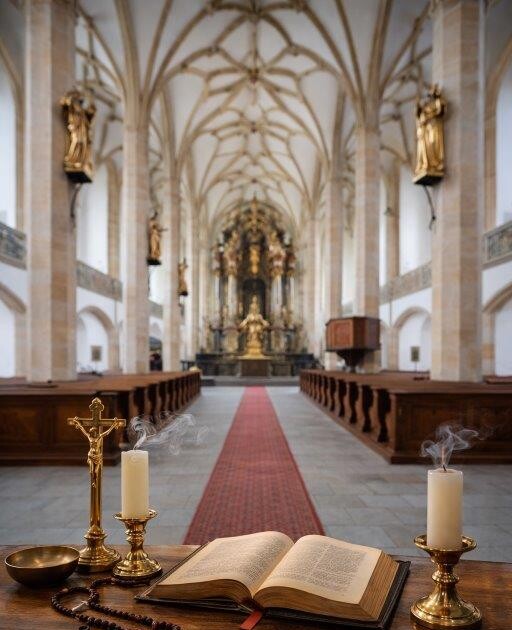
This atmospheric visualisation of the place and period was generated by artificial intelligence. It is not real footage of the location.
Tips from visitors
No tips yet. Be the first!
Log in and add your tip.
Sources and literature
Photos: VitVit / CC BY-SA 4.0, rozlišení zvýšeno umělou inteligencí — Wikimedia Commons. The author and licence also appear when you hover over the image.
Faktickým podkladem tohoto textu byl článek na Wikipedii, jehož autory jsou přispěvatelé Wikipedie. Článek je dostupný pod licencí CC BY-SA 4.0.
Location on the map

Fotografie návštěvníků
Zatím žádné fotografie. Buďte první, kdo přidá fotografii z návštěvy!
Log in a přidejte svou fotografii nebo hodnoťte.
Za ověřenou návštěvu v aplikaci získáte víc bodů — poznáme podle GPS, že jste na místě.
Reviews and comments