



klášterní rezidence Mill
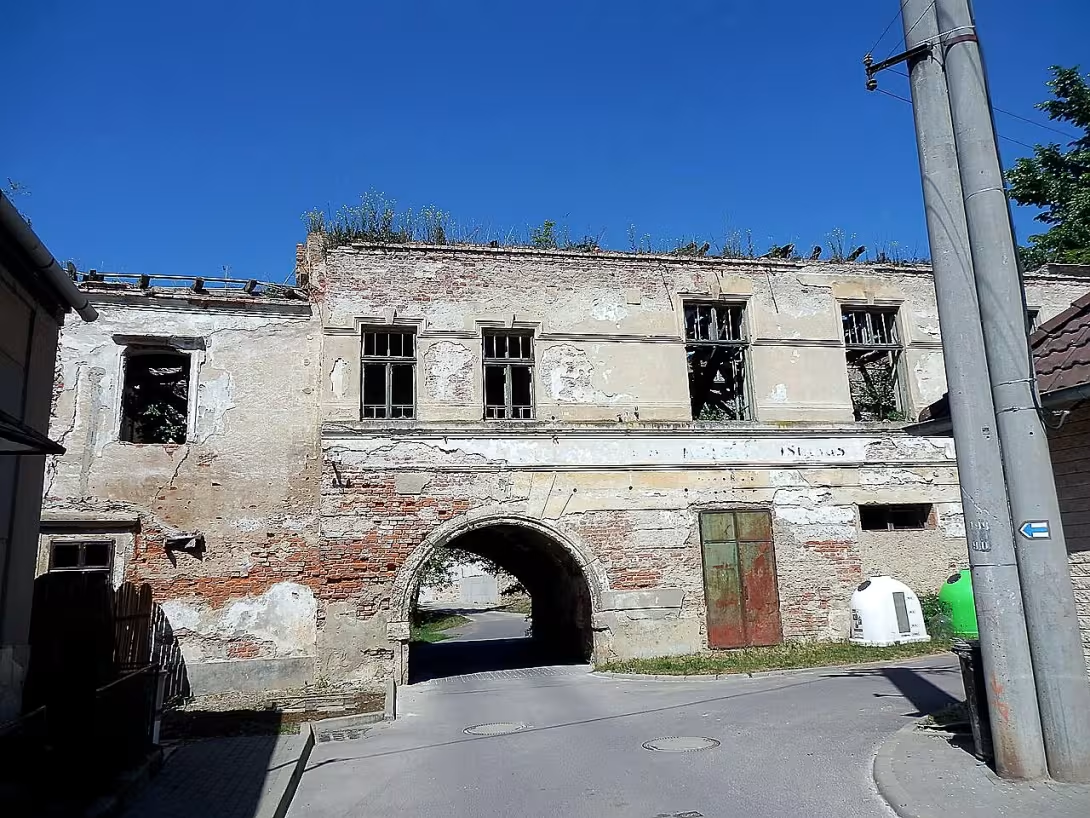
The Tasovický Mill in Tašovice is a historical water mill that was part of a former monastic residence. Situated about 6 km downstream from Znojmo along the Dyje River, it holds significance due to its origins with the Znojmo Clarisses monastery in the late 13th century and its architectural evolution over time. The site features a three-winged layout surrounding a courtyard, with an elongated southern side adjoining the water channel. Its historical importance is highlighted by its transition from milling operations to various uses until its destruction in 2009.
Established by the Znojmo Clarisses monastery at the end of the 13th century, the mill's history reflects broader regional influences. During this period, Bohemia was part of the Holy Roman Empire and experienced significant religious and cultural developments. By the mid-16th century, when local citizen Kryštof Hynkl expanded the mill, the region was influenced by Renaissance and Reformation movements across Europe.
Architecturally, the Tasovický Mill showcases a blend of medieval elements and later adaptations. Initially constructed as a water mill, it underwent significant changes before 1550 under Kryštof Hynkl's expansion. The site features a late Gothic residential building with an elongated southern section and a corner tower. In the 20th century, the mill transitioned from milling to other uses, including electricity generation and entertainment facilities like a dance hall and cinema.
Ownership of the Tasovický Mill has changed over time. Initially owned by the Znojmo Clarisses monastery, it was later held by Kryštof Hynkl before 1550. In the late 20th century, the site served as collateral for financial purposes until its destruction in 2009.
Several key events and curiosities mark the history of the Tasovický Mill. In 1520, due to recurring floods, the Clarisses monastery reduced the annual natural payment owed by miller Štěpán. The site ceased milling operations in the 1950s and was later used for various purposes until its destruction in 2009. Notably, a wine cellar was carved at the entrance of the eastern wing and later extended. In 1930, a Francis turbine was installed with specific operational parameters.
Today, the Tasovický Mill is recognized as a cultural monument once again since 2026 after being protected from 1958 to 1987. Although the site suffered destruction in 2009, efforts were made between 2010 and 2011 to reconstruct the mill's water channel and its intake structure. The historical significance of this site lies not only in its architectural features but also in its reflection of regional history and cultural transitions.
Visitors interested in exploring Bohemian history will find Tasovický Mill a compelling destination. Its story, from monastic origins to modern transformations, offers insights into the region's past while inviting contemplation on how historical sites adapt over time. The mill stands as a testament to both human ingenuity and resilience in the face of changing times.
Then and now
Drag the slider to compare how the landmark may have looked when it was built with the view today.
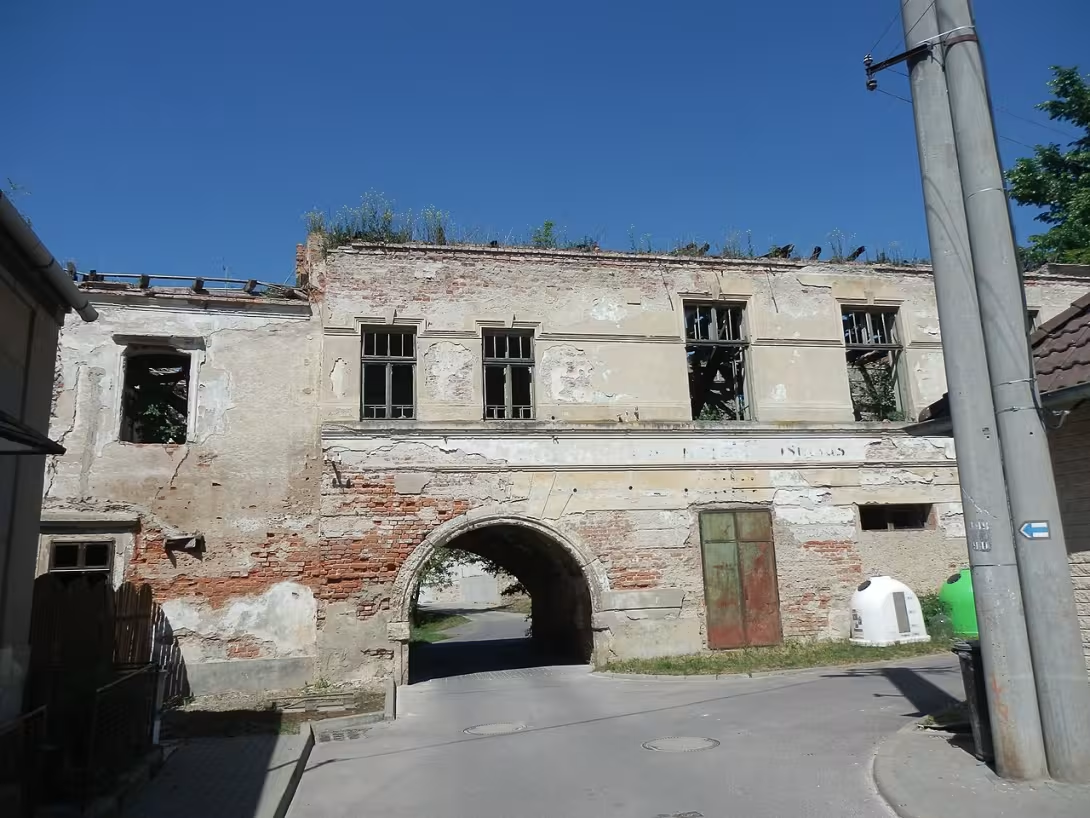
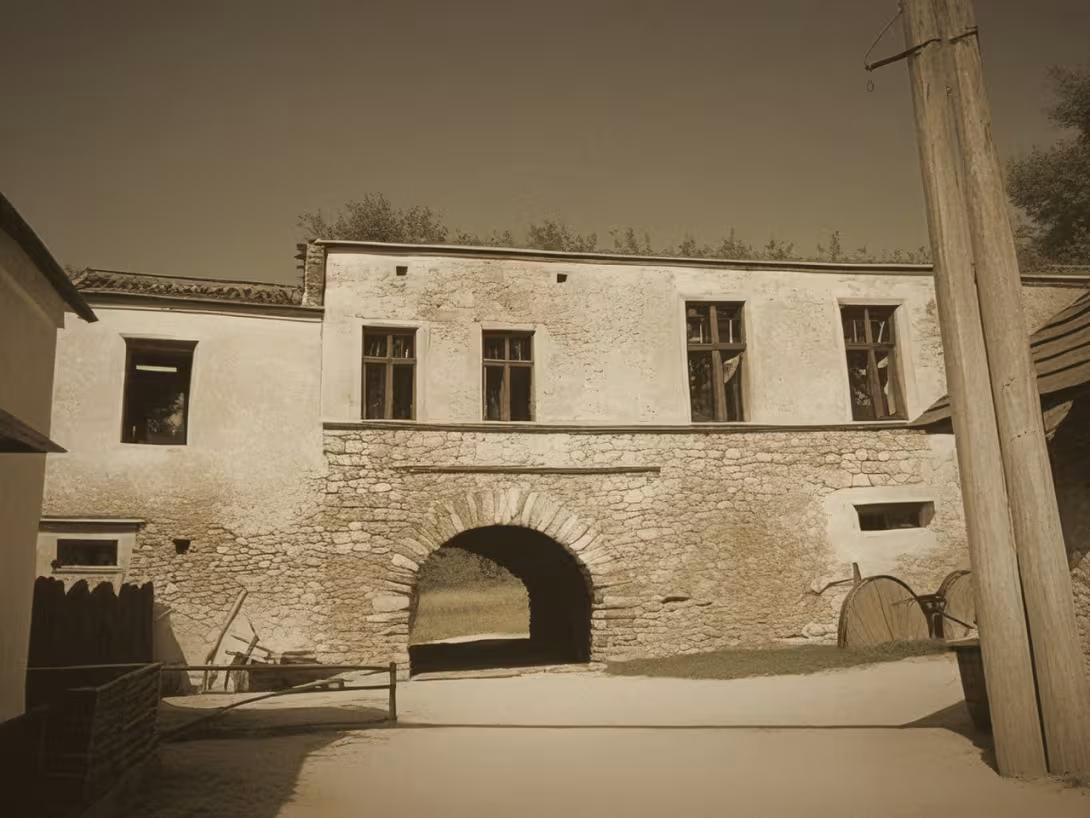
The historical appearance on the left is an AI-generated visualisation and serves as inspiration only.
Historical milestones
- konec 13. století
- Založení mlýna Znojmo Clarisses klášterem.
- před 1550
- Rozšíření mlýna Kryštofem Hynklem.
- 1520
- Snížení povinné platby pro mlynáře Štěpána kvůli povodním.
- 50. léta 20. století
- Zastavení mlýnských operací.
- 2009
- Destruction of the Tasovický Mill.
- 2010-2011
- Reconstruction of the mill's water channel and intake structure.
Architectural development
Initially constructed as a water mill, the Tasovický Mill underwent significant architectural changes before 1550 when it was expanded by Kryštof Hynkl. The structure features a late Gothic residential building with an elongated southern section and a corner tower. In the 20th century, the site transitioned from milling to other uses including electricity generation and entertainment.
Historical events
In 1520, due to recurring floods, the Clarisses monastery reduced the annual natural payment owed by miller Štěpán.
The site ceased milling operations in the 1950s and was later used for various purposes including a dance hall and cinema until its destruction in 2009.
Owners
The Znojmo Clarisses monastery initially owned the mill, followed by ownership changes including a local citizen named Kryštof Hynkl before 1550. In the late 20th century, it was used as collateral for financial purposes until its destruction in 2009.
Points of interest
- The Tasovický Mill was once part of a financial arrangement in the late 20th century when it served as collateral for loans, highlighting its economic value beyond its architectural and historical significance.
- In 1520, due to frequent flooding, the Clarisses monastery reduced the annual natural payment required from miller Štěpán. This decision reflects how environmental challenges directly impacted local economies and social contracts during that period.
- A unique feature of the Tasovický Mill is its wine cellar carved into the eastern wing's entrance in the 17th century, later extended to accommodate more storage. This adaptation underscores the mill’s multifunctional use over time, beyond just milling operations.
- In 1930, a Francis turbine was installed at the site with specific operational parameters, marking an era where traditional mills began integrating modern technology for electricity generation—a blend of old and new that characterized the site's evolution.
- Despite its destruction in 2009, efforts were made between 2010 and 2011 to reconstruct the mill’s water channel and intake structure. This restoration effort illustrates a commitment to preserving cultural heritage even after significant loss, emphasizing the historical value placed on such sites.
Guide
This guide is narrated by a synthetic voice generated by artificial intelligence.
Show guide text
This text was created by artificial intelligence and has not been editorially reviewed. It may contain inaccuracies.
Welcome to the Tasovický Mill in Tašovice, a site steeped in history and architectural intrigue. As you stand here, imagine the gentle flow of water that once powered this historic water mill, part of an expansive monastic residence from centuries past. The remnants whisper tales of its former glory, inviting you on a journey through time.
The story of Tasovický Mill begins in the late 13th century when it was established by the Znojmo Clarisses monastery. This strategic decision marked the start of a significant chapter for the area, with the mill serving as both an economic and functional asset to the monastic community. Over the years, particularly before 1550, the site underwent substantial expansions under the guidance of Christoph Hynkel, enhancing its structure and utility.
As you look around, notice how the layout unfolds in a three-winged configuration surrounding a courtyard with an elongated southern side. This design speaks volumes about the architectural vision that guided its development, even though specific architects remain unknown to us today. The remnants of these structures evoke a sense of resilience and continuity through time.
Let's delve into some intriguing stories connected to this place. In 1520, due to frequent flooding, the Clarisses monastery made a compassionate decision to reduce the annual payments for miller Štěpán, showcasing their understanding of nature’s unpredictability and its impact on livelihoods. This act reflects not only the economic significance of the mill but also the human stories intertwined with its operation.
A fascinating aspect of the Tasovický Mill's history is its role in financial arrangements during the late 20th century when it served as collateral for loans. This highlights how, beyond its architectural and historical value, the mill was recognized for its economic potential.
As we reach the present day, it’s important to note that in 2009, the Tasovický Mill faced destruction, a poignant reminder of the vulnerabilities even historic sites face against time and change. However, hope was restored between 2010 and 2011 when efforts were made to reconstruct the mill's water channel and intake structure, breathing new life into its legacy.
As you continue exploring this remarkable site, let your imagination wander through the centuries that have shaped it. Each stone and remaining structure holds stories waiting to be discovered. We invite you to delve deeper into the history of Tasovický Mill, uncovering layers of time with every step.
Thank you for joining us on this journey through history at Tašovice. May your visit inspire a lasting appreciation for the rich tapestry of stories that places like these hold. Safe travels as you continue exploring the wonders around you.
Tips for visitors
The best time to visit the Tasovický Mill is during late spring or early autumn when the weather is mild, making it ideal for exploring the ruins and enjoying the natural surroundings. These seasons offer pleasant temperatures and vibrant landscapes along the Dyje River, enhancing your experience of this historical site.
It's advisable to check current routes and schedules via a travel planner or app before your visit.
When visiting Tasovický Mill, it is recommended to bring comfortable walking shoes as the terrain around the ruins may involve uneven paths. Additionally, consider bringing water, sunscreen, and a hat for sun protection during warmer months. A camera is also suggested to capture the picturesque views of the mill and its riverine setting.
For photography enthusiasts, the best spots at Tasovický Mill are near the remnants of the mill itself where you can capture the interplay between nature and history. Early morning or late afternoon light provides a soft glow that enhances the textures of the ruins. The surrounding Dyje River offers beautiful reflections and serene backdrops for your photographs.
In terms of nearby attractions within 30 minutes, visitors can explore the natural beauty of the Dyje River area, which is perfect for leisurely walks or picnics.
Frequently asked questions
Can the monument be visited?
This is a technical monument. Some are open as exhibitions, others are out of use or on private land. We have not verified whether this one is accessible.
What are the opening hours and admission?
We have not verified the opening hours or admission. Current information is published by the operator.
Where is the monument?
Location: č.p. 93, Tasovice, Tašovice, Jihomoravský kraj. The map on this page shows the exact spot.
Why is the monument protected?
It is listed in the Central List of Cultural Monuments of the Czech Republic as a cultural monument (register no. 107481).
Businesses nearby
Do you run a restaurant, accommodation, shop, museum, rental, wellness or other visitor service near this monument? Show yourself directly to the people heading to it — this is how they will see you in the app and on the web:
Nearby
The Tasovický Mill is situated near the Dyje River, approximately 6 km downstream from Znojmo. The area features natural landscapes typical of the South Moravian region.
Accommodation nearby
Themed route
Tematická výletní trasa: Klášterní rezidence (mlýn) v Tašovicích
1. Tasovický Mlýn - Hlavní cíl, Mlýn Začněte svůj výlet u Tasovického mlýna, který je nejen historickou památkou, ale také příkladem klášterní architektury. Tento mlýn, nacházející se poblíž řeky Dyje, nabízí pohled na bohatou přírodní krajinu a má zajímavou historii spojenou s místním klášterem.
2. Řeka Dyje - Příroda, Řeka Krátce po návštěvě mlýna se podíváme na řeku Dyje, která proudí nedaleko. Tato oblast je ideální pro relaxaci a prozkoumání přírodních krás regionu. Procházka podél břehů nabídne pohledy na divoké zvěře a různorodou flóru.
3. Lesní oblast poblíž Dyje - Příroda, Les Pokračujte výletem do lesa poblíž řeky Dyje. Tato lesní oblast nabízí možnost prozkoumat místní ekosystém a uvolnit se při krátké procházce. Je to ideální místo pro milovníky přírody, kteří chtějí si užít klid a ticho.
4. Okolní zelené louky - Příroda, Louky Po návštěvě lesa se pohybujte směrem k okolním zeleným lůžkům. Tyto louky jsou známé svou biodiverzitou a poskytují příležitost pro pozorování různých druhů ptáků i květin. Je to skvělá příležitost pro fotografy a milovníky přírody.
Tato trasa nabídne kombinaci historického objevování a pohodlné procházky v přírodě, což ji činí ideální pro celou rodinu nebo skupinu přátel.
Seasonal recommendations
Spring: Visiting the Tašovice mill ruins during spring offers a unique experience as nature begins to awaken around the historical site. The gentle light of early morning and late afternoon provides an ethereal glow, enhancing the mystical atmosphere of the ruin. Wildflowers start to bloom along the pathways, adding vibrant splashes of color against the backdrop of the crumbling structures. This period is ideal for capturing the contrast between decay and renewal as new life emerges from the earth. While the site may not be crowded, it's advisable to wear comfortable shoes suitable for uneven terrain, allowing you to explore without hindrance.
Summer: Summer at Tašovice mill ruins brings long days filled with bright sunlight that highlights the textures of the ancient stones. The lush greenery around the site creates a picturesque setting, perfect for photography enthusiasts and nature lovers alike. This is the peak tourist season, so arriving early in the morning or later in the afternoon can help avoid larger crowds. Dressing in light, breathable clothing will make your visit more comfortable as you explore under the warm sun. Don't forget to bring water and a hat to protect yourself from the summer heat.
Autumn: Autumn transforms Tašovice mill ruins into a tapestry of rich colors with leaves changing to shades of red, orange, and gold. The soft, diffused light of autumn days casts a warm hue over the site, creating an inviting atmosphere for visitors seeking tranquility and beauty. This season is less crowded than summer, offering a more peaceful experience. It's recommended to wear layers as temperatures can vary throughout the day, ensuring you remain comfortable during your exploration. The cooler weather also makes it easier to spend extended periods wandering through the ruins without discomfort.
Winter: Winter at Tašovice mill ruins offers a serene and quiet atmosphere, with snow often blanketing the landscape in a peaceful white cover. The stark contrast between the icy surroundings and the aged stones of the ruin creates a hauntingly beautiful scene, ideal for those who appreciate solitude and reflection. Due to shorter daylight hours, it's best to plan your visit during midday when there is ample light. Dressing warmly with layers is essential, as temperatures can be quite low, and ensure you have sturdy footwear to navigate any icy paths safely. The site may have limited access or special opening times in winter, so checking ahead is advisable.
Visualizations and artistic views


The visualisations are generated by artificial intelligence and serve as inspiration.
Photos from the area
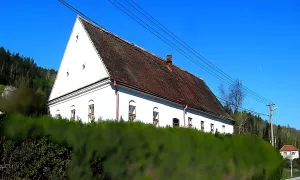
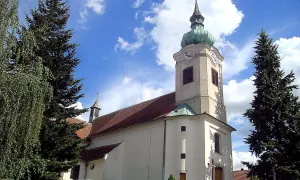
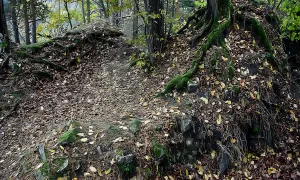
Real photos taken near the monument

Zdroj a licence jsou uvedeny u každého snímku.
Tips from visitors
No tips yet. Be the first!
Log in and add your tip.
Sources and literature
Photos: Isolda11 / CC BY-SA 4.0 — Wikimedia Commons. The author and licence also appear when you hover over the image.
Faktickým podkladem tohoto textu byl článek na Wikipedii, jehož autory jsou přispěvatelé Wikipedie. Článek je dostupný pod licencí CC BY-SA 4.0.
Location on the map


Příběhy a pověsti
Legendy, pověsti a příběhy spjaté s touto památkou

Fotografie návštěvníků
Zatím žádné fotografie. Buďte první, kdo přidá fotografii z návštěvy!
Log in a přidejte svou fotografii nebo hodnoťte.
Za ověřenou návštěvu v aplikaci získáte víc bodů — poznáme podle GPS, že jste na místě.
Reviews and comments