






Sousoší Panny Marie, svatého Šebestiána a svatého Jana Nepomuckého Statue
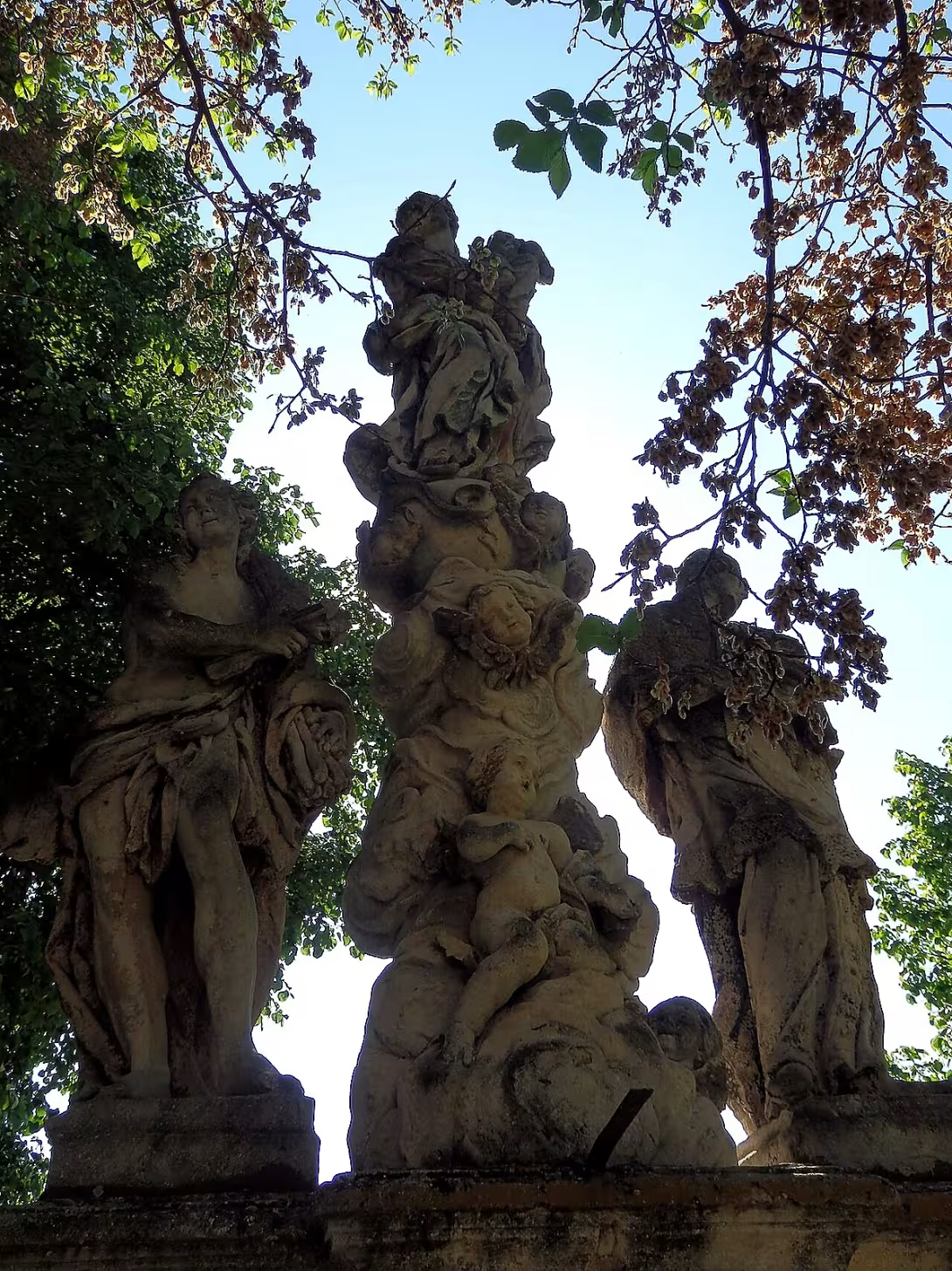
Sousoší Panny Marie, svatého Šebestiána a svatého Jana Nepomuckého in Tasovice in Znojemsk is a protected late Baroque sculpture from Josef Leonard Weber from 1736 to 1737. This work is remarkable with its iconographic programme and artistic processing within Central European Baroque. The monument represents an important example of regional sculpture production of the period.
The creation of a cultural monument falls within the second quarter of the 18th century, namely from 1736 to 1737. Author is sculptor Josef Leonard Weber. At that time, the Baroque period in Central Europe was characterised by rich artistic production and architecture. In Czech countries, this style was particularly popular.
The object is characterized by a two-stage base and rich reliefs that decorate the main column. This is dominated by a statue of the Virgin Mary with a child who tramples the head of a snake around the globe with his foot. It has a metal wreath around its head made up of a crown of twelve stars. On the sides of the central column stands another sculpture: on the left Saint Sebastian and on the right St. Jan Nepomucký. On the front side of the pedestal there is a Baroque cartouche with dimensions of 70 × 42 centimetres with carved Latin inscription, while on the back is a German inscription.
Originally, this work of art went a little further, in the places where the road runs today.
The key event in the recent history of the building is the third November 2025, when a state of emergency was detected in the cultural monument.
Today, the landmark is struggling with this emergency situation and was originally in a different place in the route of today's communication. Despite the current building difficulties, it represents a valuable example of late Baroque art, which is worth visiting and personally viewing directly in Tasovice.
Historical milestones
- 1736-1737
- Created by the baroque sculpture by Josef Leonard Weber.
- around 1750
- The original Socharski daughter in the places of today's road.
- 2025
- A state of emergency detected in this protected cultural memory.
Architectural development
The statue was originally placed a little further along the road. In 2025 an emergency was detected near the monument.
Points of interest
- The author of this protected late Baroque sculpture is sculptor Josef Leonard Weber and the work was created between 1736 and 1737. - The main column is dominated by a statue of the Virgin Mary with a child who tramples the head of a snake around the globe with a metal wreath of twelve stars around her head. - There are other sculptures on the sides of the central column, namely Saint Sebastian on the left and St. Jan Nepomucký on the right. - On the front side of the pedestal there is a baroque cartouche with dimensions of seventy times forty-two centimeters with carved Latin inscription, while on the back is a German inscription. - The work of art originally took place a little further in the places where the road is running today, and on November 3, 2025, a state of emergency was found near the monument.
Guide
Show guide text
This text was created by artificial intelligence and has not been editorially reviewed. It may contain inaccuracies.
Welcome to Tašovice. You just stopped in front of one of the most important art treasures this city has to offer. You're standing right in front of a component that can immediately amaze you with its size, its dynamics and its wealth. Feel the strange atmosphere that floats around this work. It's a space where history meets, deep faith and incredible art of sculpture work. Look at these figures as they stand in the sky, and try to perceive their movement and the emotions that their creator has put in them. It's a work that doesn't seem to be moving, but it's like life is still flowing in it.
Let us now go back in time together to understand how this work was created and why it is so important to us today. This sculpture is a typical and masterful example of late Baroque art. At that time, artists tried not to make their works harder, but to make them feel movement, drama and a strong spiritual expression. This particular work was created by an excellent sculptor Josef Leonard Weber. His work was in the years of a thousand seven hundred thirty-six to a thousand seven hundred thirty-seven. Weber was an artist who was able to capture the highest level of detail in the stone while expressing profound significance. So this sculpture is not just a cluster of statues, but it is a living expression of an entire era that shaped our culture and the way people perceived the world around them.
Now pay attention to the architecture itself and all the details you have right in front of you. Your eyes should now lead me to the highest part of the work. It is dominated by the figure of the Virgin Mary who gently holds a child in her arms. Notice how this character is drawn up. A beautiful metal wreath composed of twelve stars shines on her head. These stars are not just a simple ornament, but they have a deep symbolic meaning that everyone immediately understood at the time. If you look further down, you will see a detail that may surprise you with its strength and its dramatic nature. The Virgin Mary tramples the head of the serpent with her foot. This snake revolves around the globe, which represents the victory of good over all the evil that is found in this world. It is a moment of strength and triumph, which is very typical in the baroque style and gives a man a thrill.
Now look down at the pedestal itself. The whole sculpture is based on a two-stage structure that gives the piece the necessary stability while creating a dignified and noble framework for it. At these stages you can see two other significant figures. There is Saint Sebastian and Saint John Nepomucký. Notice how these statues are integrated into the overall composition. They're not just separate characters, but they're firmly connected to the whole story that tells this sculpture. The whole character is richly decorated with Baroque reliefs. These reliefs, i.e. these cut-out scenes, add a whole depth and richness that you can perceive from different angles. Every move, every groove in the stone serves to keep you in the loop.
Although we do not have detailed records of the particular persons that have been around this sculpture in the past, the figures of the saints themselves tell us about the values that were so important to people in the eighteenth century. Saint Shebestian and Saint John Nepomuk are characters that embody courage, sacrifice and loyalty in popular faith. The sculptor Weber carved these figures so that their inner strength and dignity were felt.
I have one more interesting thing for you that may make you think more deeply about how the world around us changes. You may think this sculpture has always stood here in this exact place where you see it now. But history is a little more complex and interesting. Around the year a thousand and seven hundred and fifty, this work was located completely elsewhere, specifically near the road. This means that this work of art has gone through a path that we can hardly imagine today, and it has to be moved to find its place today. And there is one other thing that is very important to all of us and requires our attention. In the year two thousand twenty-five this protected cultural heritage was found to be in an emergency situation. This is a strong signal to all of us that this beautiful work is fragile and requires our care, effort and protection to stay here for future generations and not to be lost.
I hope that this short journey over time has pleased you and that you have found some time with this sculpture for peace, for observation and for the perception of beauty. Before you go on your next journey, stay in silence for a while and feel the atmosphere of this place. Take another look at the details, perhaps from a different angle, to fully understand Josef Leonard Weber's championship and his vision. I wish you a nice walk and other interesting experiences in the surroundings.
Tips for visitors
The best time to visit the sculpture in Tašovice is an early spring or late autumn day when sunlight is ideal for photography and at a colder temperature you can move without unpleasant heat fatigue. The colors of nature at these times are particularly beautiful.
We recommend checking current connections with an online search engine or mobile application for local transport services.
What to take with you: When visiting the sights it is advisable to carry the protective eyes in front of the sun, water and a backup bag for the camera. In addition, remember to take a map of the surroundings if you plan to explore other attractions.
Photography: The best places for photos are from the outside, where you can stand on different angles and capture the sculpture in the context of the surrounding environment. Sunny morning or late afternoon provide ideal lighting conditions for photography.
What to visit in the area: In the vicinity of Tašovice there are several natural locks and picturesque forest paths that are suitable for walking. Explore these places if you like outdoor activities or want to enjoy a quiet rest in nature.
Frequently asked questions
Can the monument be visited?
This is a structure in a public space that can usually be seen from outside free of charge. We have not verified that this particular one is freely accessible. According to the heritage register the structure is in poor condition – do not enter it and take care nearby.
Where is the monument?
Location: Tašovice. The map on this page shows the exact spot.
Why is the monument protected?
It is listed in the Central List of Cultural Monuments of the Czech Republic as a cultural monument (register no. 1000134839).
Businesses nearby
Do you run a restaurant, accommodation, shop, museum, rental, wellness or other visitor service near this monument? Show yourself directly to the people heading to it — this is how they will see you in the app and on the web:
Nearby
🏰 Historic sites (128)
- Vodní mlýn ve Slupi 6.6 km web
- Socha Jana Nepomuckého 6.6 km
- Památník obětem 1. světové války 6.6 km
- svatý Šebestián 6.9 km
- Pamětní deska kapitána Othmara Chlupa 7.4 km
- Mariánský sloup 7.4 km
- 1914-1918 7.4 km
- sv. Jan Nepomucký 7.5 km
- Madona 7.6 km
- sv. Antonín Paduánský 7.6 km
- Lechovice 7.6 km
- Alšovka 7.7 km Alšova 975/15
- 90 let od vzniku Československa 7.8 km
- Jan Zahradníček 7.8 km
- Protikomunistický odboj 7.8 km
- Kopalův památník 7.9 km
- Dům umění 7.9 km
- Morový sloup 8.0 km
- Vilém Veleba 8.0 km
- sv. Antonín 8.0 km
🍽️ Restaurants and dining (180)
- Pizzerie Anna 0.9 km Krhovická 81 + 526 420 774 562 web
- Občerstvení u Růženky 3.4 km
- Stop Cafe 4.0 km web
- Dráteník Pub 5.4 km web
- Retro penzion Funhouse 5.5 km
- Hospudka u Džbánu 5.8 km
- Motorest E59 6.0 km
- Hospoda u Šamana 6.0 km
- Sushi Bar 6.2 km
- KFC 6.5 km
- McDonald's 6.5 km
- Restaurace Pizzerie Styl 6.5 km + 420 776 204 299 web
- grill point 6.6 km
- U Bazalů 6.6 km
- Bistro Poke Bowl 6.7 km
- Delikana 6.7 km web
- ASIAN cuisine 6.7 km
- U Leny 6.7 km
- Horse Farm 6.7 km Lechovice 9
- Hospoda Na růžku 6.7 km Krapkova 77 +420 515 244 696
🏨 Accommodation (61)
- Vinařství Viktorín s.r.o. 0.5 km web
- Tábořiště Krhovice 2.8 km web
- Penzion Černý sklep 5.1 km
- Hotel Dukla 6.5 km Holandská 30 +420 515 227 239 web
- Penzion MORAVA 6.7 km web
- Pension Blanka 6.9 km web
- Penzion Šaldorf 7.0 km +420 724 815 507 web
- PENZION ZNOJMO 7.1 km web
- Hotel la Port 7.2 km Dyjákovičky 198 +420 777 111 101 web
- CAMP Znojmo 7.2 km Loucká web
- Čafka 7.4 km
- B&B Pension Grant LUX Znojmo 7.8 km
- Hotel Residence TGM 7.9 km Masarykovo náměstí 334/12 +420 515 331 222 web
- Dana 8.0 km
- Penzion Solnice 8.1 km web
- U Kaplanka 8.2 km
- U Mikuláše 8.2 km
- U Císaře Zikmunda 8.2 km Horní náměstí 138/5 web
- penzion HARVART 8.2 km web
- Residente Zvon 8.2 km
🚲 Rentals and sport (12)
- Střelnice Hodonice 2.3 km web
- Sportisimo 6.4 km
- Martes Sport 6.7 km web
- Jan Šuler 7.6 km Vídeňská třída 7
- Bike Servis Kamil Jarmara 7.9 km Pontassievská 16 +420 604148751
- Cyklo Kučera 8.0 km web
- Outdoor 8.2 km
- Ronja 8.6 km
- Relax centrum 9.7 km
- Adidas 10.4 km
- Regatta Great Outdoors 10.4 km
- Koupaliště 11.4 km web
🥾 Hiking and nature (88)
- PP Tasovické svahy 1.1 km
- PP Tasovické svahy 1.2 km
- PP Tasovické svahy 1.4 km
- PP Dyjské svahy 2.3 km
- PP Dyjské svahy 2.4 km
- PP Vraní vrch 2.7 km
- Palice 4.0 km
- Načeratický kopec 4.2 km
- Šibeník 4.2 km
- Pocta sv. Urbanovi 5.8 km
- Kládový vinný lis 7.3 km
- Park ulice 17. listopadu 7.5 km
- Zámecký vrch 7.6 km
- Zámecký park 7.6 km
- Dolní park 7.7 km
- Vlkova věž 7.8 km
- Střední park 7.8 km
- Žižkovo náměstí 7.9 km
- Horní park 8.0 km
- Radniční věž 8.1 km
Accommodation nearby
Themed route
Since the surrounding list is completely empty, this thematic cruise route is designed inside the monument itself and its immediate surroundings in the village Tašovice. Get to know this pilgrimage and historical place in detail during a short walk.
1. Tašovická nav - Type: Public space and space - Why is it worth a visit: The walk begins on a historic village, which forms the natural heart of the village and offers a peaceful atmosphere of the rural residence. From here, it's just a few steps to the main destination of the whole trip.
Sousoší Panny Marie, svatého Šebestiána a svatého Jana Nepomuckého - Type: Historical sculpture and main objective - Why is it worth a visit: The stone sculpture represents the ultimate work of sacral art in the village. The detailed figures of the saints and the Virgin Mary on the decorative pedestal are worth a thorough closer look.
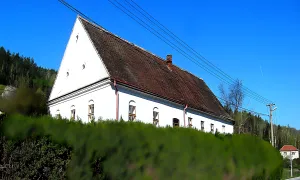
3. The surrounding historical installation - Type: Rural architecture - Why is it worth a visit: The immediate surrounding of the monument consists of old houses and the original layout of the village Tašovice. The local environment illustrates the historical nature of the place where this valuable sculpture work is located.
Seasonal recommendations
Spring in Tašovice brings awakening nature around the river Ohře, when the surrounding trees are only just beginning to erupt and the morning mist sometimes shrouds the historical sculpture of the Virgin Mary, St. Shebestian and St. John Nepomuk into a mysterious haze. The light is very clean and soft in this period, ideal for capturing the details of a decayed stone. Put on tight waterproof shoes, because the dirt roads around the area are drenched in the rain and rain, and don't forget the windbreaker, because sometimes it blows inconvenient from the water.
During the summer, the monument is planted in lush green high grasses and leafy trees, which provide a pleasant shade, but at the same time already partially obscures the view of some disturbed parts of the ancient sculpture. The sun creates sharp shadows during the day, which is why it is the best time for visiting and shooting early in the morning or late in the evening, when sunlight is the most suitable for the perception of the plastic shapes of the work of art. Since it is an outdoor object without fencing, you will not find any ticket or queues here, you will meet at most the locals on a walk. Take light breathable clothes, sun-proof headgear and plenty of drinking water, because you will find no shops in the immediate vicinity.
The autumn moons turn the surrounding landscape into a varied palette of colors from yellow to brown, creating a melancholy scene for this abandoned and damaged spiritual work standing in the open air. At this time, the sun's rays are falling at a lower angle and they stand out for deep cracks and stale material structures, which amplifies the sad and neglected impact of the whole place. The visit on cold autumn days takes place in complete silence, as tourism practically does not exist in this location. Due to the frequent dripping weather and the morning freezers, it is recommended to put on a warm jacket, long pants and gloves, as staying outside without the possibility of hiding in the interior can be quickly cold.
Winter in Tašovice makes the atmosphere very quiet and cold, when the historical sculpture is often covered with snow and the surrounding landscape by the river is quiet under the snow cover. For this season it is essential to have quality winter clothes, warm snowballs with anti-slip soles and caps, because outdoor admiration of the sights without the possibility to warm up inside requires good resistance to the cold.
Visualizations and artistic views

The visualisations are generated by artificial intelligence and serve as inspiration.
Photos from the area
Real photos taken near the monument

Zdroj a licence jsou uvedeny u každého snímku.
Tips from visitors
No tips yet. Be the first!
Log in and add your tip.
Sources and literature
Photos: Isolda11 / CC BY-SA 4.0 — Wikimedia Commons. The author and licence also appear when you hover over the image.
Faktickým podkladem tohoto textu byl článek na Wikipedii, jehož autory jsou přispěvatelé Wikipedie. Článek je dostupný pod licencí CC BY-SA 4.0.
Location on the map


Příběhy a pověsti
Legendy, pověsti a příběhy spjaté s touto památkou
Fotografie návštěvníků
Zatím žádné fotografie. Buďte první, kdo přidá fotografii z návštěvy!
Log in a přidejte svou fotografii nebo hodnoťte.
Za ověřenou návštěvu v aplikaci získáte víc bodů — poznáme podle GPS, že jste na místě.
Reviews and comments