



Kolonáda na Rajstně Gloryt
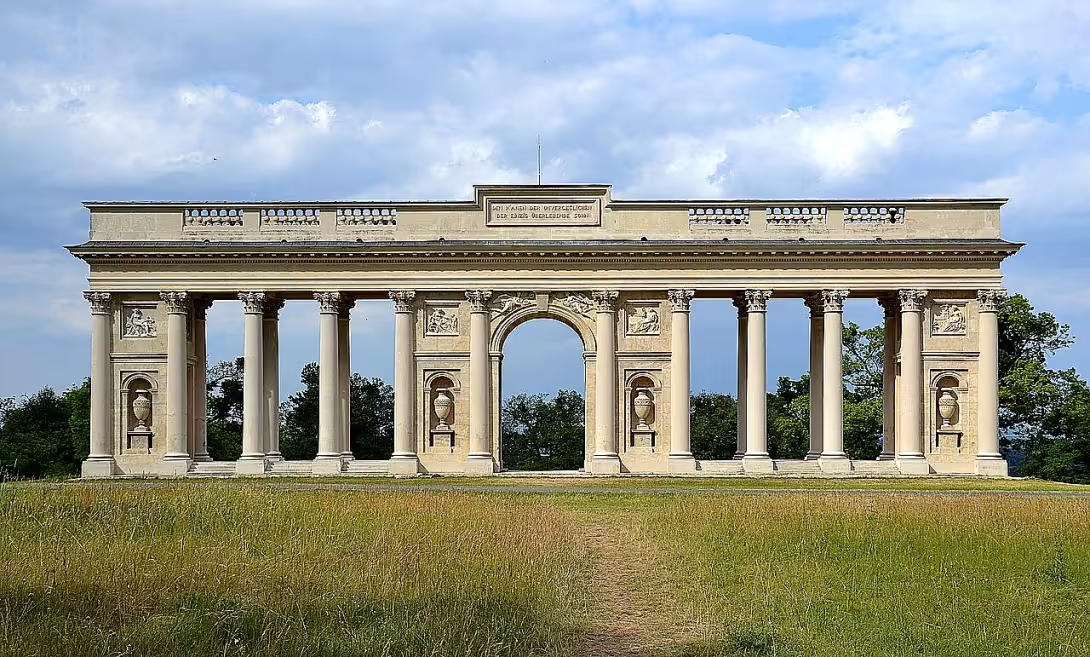
Kolonáda na Rajstně is a romantic classicist glariet castle. It is located in the Lednico-Valtice area, in the cadastral territory of Valtice in the district of Breclav. This building from 1817-1823 serves as a view and a monument and is protected as a cultural monument. It represents an important element of the region's landscape urbanism.
This castle was built by Prince Jan I. z Lichtenštejna. It was intended to serve as a point of view and as a memorial dedicated to his late father Franz Joseph I and brothers Filip and Aloisi I. Construction of the colonnade, as well as other buildings in the Lednico-Valtice complex, was intended to improve the social situation of local subjects through new jobs.
The architectural design was prepared by Josef Hardtmuth while the implementation was carried out by its successor Josef Kornhäusel. The design was the construction of the Vienna Gloriet in Schönbrunn Park. This castle has a rectangular plan and consists of 24 columns with Corinthian headers. In the middle there is a raised aetika in the shape of a winning arch. In the top pillar is located a staircase leading to the observation platform on the roof.
Originally a plot with a colonnade belonged to the territory of Schrattenberg, which was connected to Valtice in 1925. After 1945, the building was located in an inaccessible border zone and served as an observer of the border guards. Since 1989 he has managed the construction of the National Heritage Institute, which started its gradual reconstruction.
The colonnade has been a popular destination for tourists and tourists since its completion. At a later time, the building appeared in the end of the story About the Treasures of 2012.
The monument stands on top of Homole (also called Reisten or Rajstna) at a height of 280 metres above sea level, approximately 1.6 kilometres southwest of the centre of Valtice. It shall be open to the public from May to September. The path leads to it on the red tourist brand, bike path or within the science trail NS Valtice. There is a free clay parking area about 100 metres below the construction site.
Kolonáda na Rajstně is a unique testament to classical architecture and sophisticated landscape planning. Visiting this place enables you to connect history with panoramic views of the surroundings.
Then and now
Drag the slider to compare how the landmark may have looked when it was built with the view today.
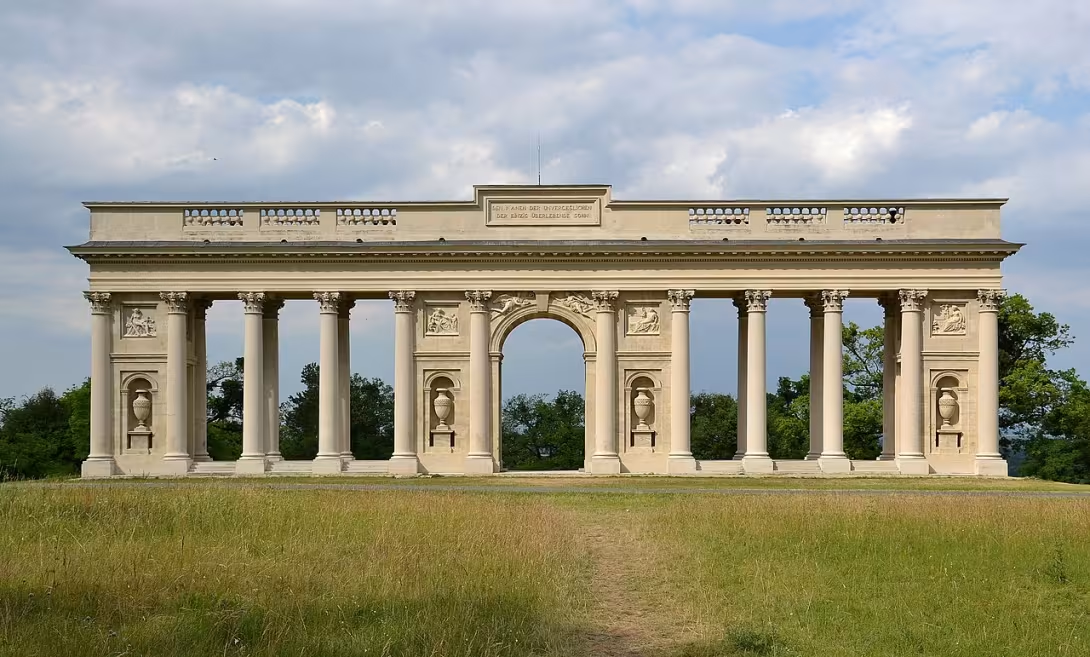

The historical appearance on the left is an AI-generated visualisation and serves as inspiration only.
Historical milestones
- 1817-1823
- construction of colonnade by Jan I. from Liechtenstein
- 1925
- connection of parcel with colonnade to Valtice
- 1989
- the transition to the administration of the National Heritage Institute and the launch of gradual reconstruction
Architectural development
The construction was designed by Josef Hardmuth and realized by Josef Kornhäusel in classical style. The draft was the Vienna Gloriet in Schönbrunn Park. The construction consists of a rectangular plan with Corinthian columns and atics.
Historical events
1925: connection of the part of the Schrattenberg cadastrum to Valtice; After 1945: use as an observer of border guards in an inaccessible border zone.
Owners
Prince Jan I. z Lichtenštejna (1817-1823), after 1989 National Heritage Institute.
Points of interest
- It's a romantic classicist glariet castle from 1817-1823. - Prince Jan I. z Lichtenštejna built it as a view and a monument dedicated to his fathers and brothers. - The design for the construction was the Vienna Gloriet in Schönbrunn Park. - This castle consists of 24 columns with Corinthian warheads and an elevated atics in the form of a winning arch. - After 1945, he served as an observer at the border guard.
Guide
Show guide text
This text was created by artificial intelligence and has not been editorially reviewed. It may contain inaccuracies.
Welcome to the top of Homole. You're standing in one of the most beautiful places in this vast landscape area. Before your eyes, there is this beautiful, bright structure that seems to stand out from the surrounding green and touch the sky slightly. It's Kolonáda na Rajstně. Can you feel the peace and nobility that exists here? This building is not just an ordinary booth, it is a place where human creation and a brilliant idea meet with endless beautiful views of the surrounding landscape. Before you go any further, stop for a moment and just feel the atmosphere of this place. Feel the air, the peace, and the history that is there in every stone.
Let us now return together to the time when the construction began. Imagine the beginning of the nineteenth century, an era when romanticism flourished in European culture. This building, which you now admire, was built between a thousand and eight hundred seventeen and a thousand eight hundred twenty-three. The main representative who had this magnificent vision was Prince John the First of the House of Liechtenstein. For him, however, this was not just an ordinary place to relax or a view of the surrounding forests and fields. He wanted to write something permanent in this building. He wanted to create a memorial to be dedicated to his own family, specifically his father and his brothers. The whole project was therefore deeply linked to family history and respect for the ancestors. This colonnade thus serves as a silent but very strong monument that goes beyond centuries.
Now pay attention to the architecture itself, because it is a truly fascinating view. Look at the structure in front of you. The whole building is made up of exactly 24 columns. Notice how they are distributed and how they create the rhythm that leads your view around the whole building. If you look closer at their top, you'll see the rich, detailed decorative elements called Corinthian warheads. They are very elegant and give the whole building a sense of grandeur and richness. This whole castle has a shape that resembles a winning arch, and it ends with an elevated part called an aetika. This attics adds to the construction at the height and its silhouette. If you look at the outer parts now, you will see a pillar in which the staircase is built. That can lead you all the way up to the observation platform. And that's where, on that high surface, it opens up a view that completely engulfs you. This whole design was the work of two very competent architects, which were Josef Hardtmuth and Josef Kornhäusel, and their work is evident in every detail, in every proportional ratio.
This building is inseparably linked to the names of great personalities. In addition to Prince John the First, who was its creator, other important members of the House of Liechtenstein have left a trail here in history. We can talk about Franz Joseph the First, Philip or Alois the First. Each of them was part of this great world that revolved around this colonnade, and each of them was part of the history that this building still tells quietly. It's like their presence is still returning through these stones and columns.
You might wonder why this building looks so strange and so harmonious at the same time. There's an interesting explanation. This building is not a random piece, but it has a pattern. They inspired themselves by a famous object in nearby Vienna, specifically Schönbrunn Park. So it's actually a small, romantic version of the great world style that was transferred directly to our landscape to create this unique summer castle. It's a fascinating connection between the great European centres and this place on top of Homole.
But the history of this place does not end in the nineteenth century. This building has undergone many changes. In a thousand and nine hundred twenty-five, for example, this part of the land joined the city of Valtice. And in the year one thousand nine hundred and eighty-nine there was another important change when the administration of this monument took over the National Monument Institution. Since then, successive repairs and renovations have taken place so that this beauty can serve future generations as well as those who stood before you hundreds of years ago.
Now I won't hold you back any longer. Just let yourself be carried away by this atmosphere. Walk around, look at these columns from different angles, see how light changes on their surface. If you have the strength, take the stairs up to the view so you can enjoy the amazing view that this top offers. Thank you for choosing this very place for your visit. Enjoy every moment spent near this historic monument. Goodbye.
Tips for visitors
The best time to visit the Colonnade in Rajstva is in the spring or autumn season, when the forests and surrounding areas are in full beauty. These months offer a quieter environment without too many visitors and ideal conditions for photography, when light is softer and less penetrating. Moreover, at these times, the flowers and trees are at the peak of their bloom.
It is possible to use both a passenger car and public transport to access the Colonnade in Rajstva.
When visiting the Colonnade, it is advisable to take with you comfortable shoes or walking shoes because the terrain around the monument can be uneven and rocky. Complete your equipment with sun protection, especially in summer, as well as an umbrella or raincoat for any unforeseen weather. Don't forget the drinking water and maybe some light snacks.
For photographers, Kolonáda na Rajstně offers many attractive perspectives, especially from its peak. The best light for photography is in the early morning or late afternoon when the sun is not too high and the shadows are longer. This time also offers finer colors in highlighting the landscape details of the surrounding forest and horizon.
In the vicinity of the Colonnade in Rajstva it is possible to visit other interesting places such as Lednicko- valtice area, which offers diverse historical monuments and natural beauty. For families with children it can be especially interesting to explore the surrounding forests or to visit other smaller sights in the area where children can move and learn about history and nature.
Frequently asked questions
Can the monument be visited?
We have not verified whether this monument is accessible. Please ask the owner or operator, or the local municipal office.
Where is the monument?
Location: Valtice. The map on this page shows the exact spot.
Why is the monument protected?
It is listed in the Central List of Cultural Monuments of the Czech Republic as a cultural monument (register no. 1000158736).
Businesses nearby
Do you run a restaurant, accommodation, shop, museum, rental, wellness or other visitor service near this monument? Show yourself directly to the people heading to it — this is how they will see you in the app and on the web:
Events nearby

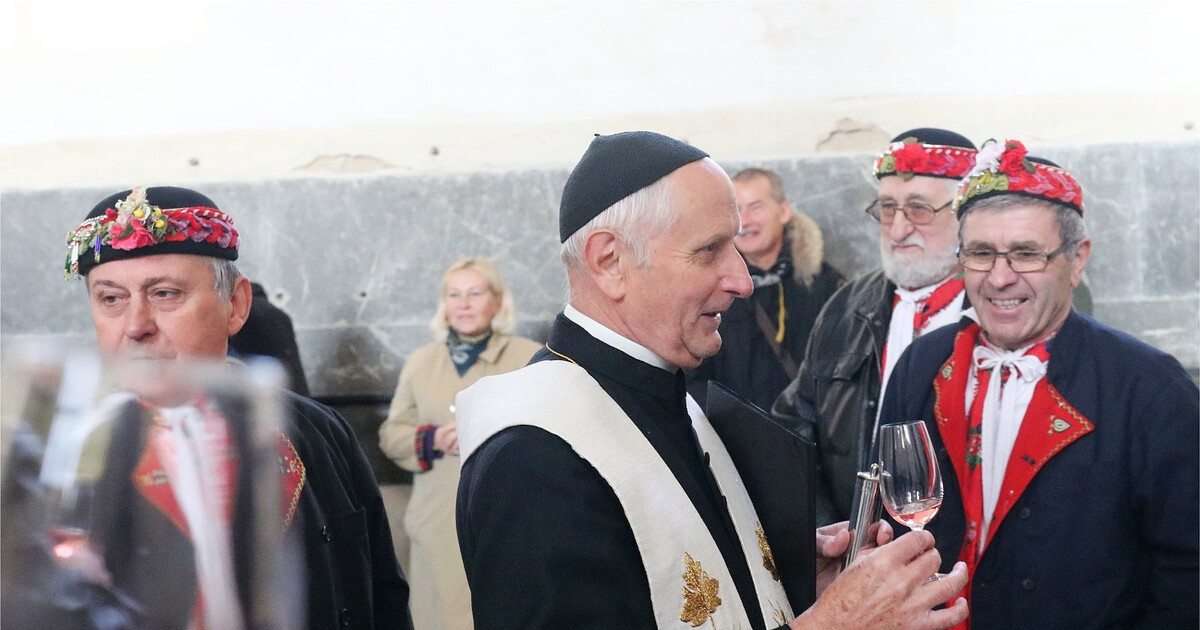
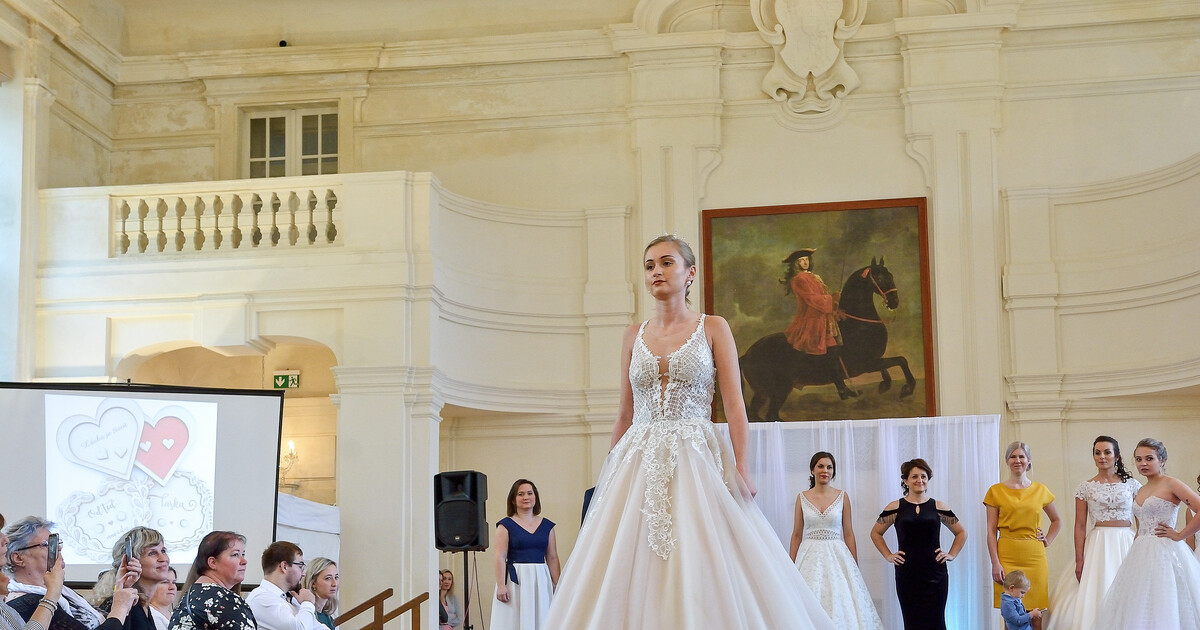
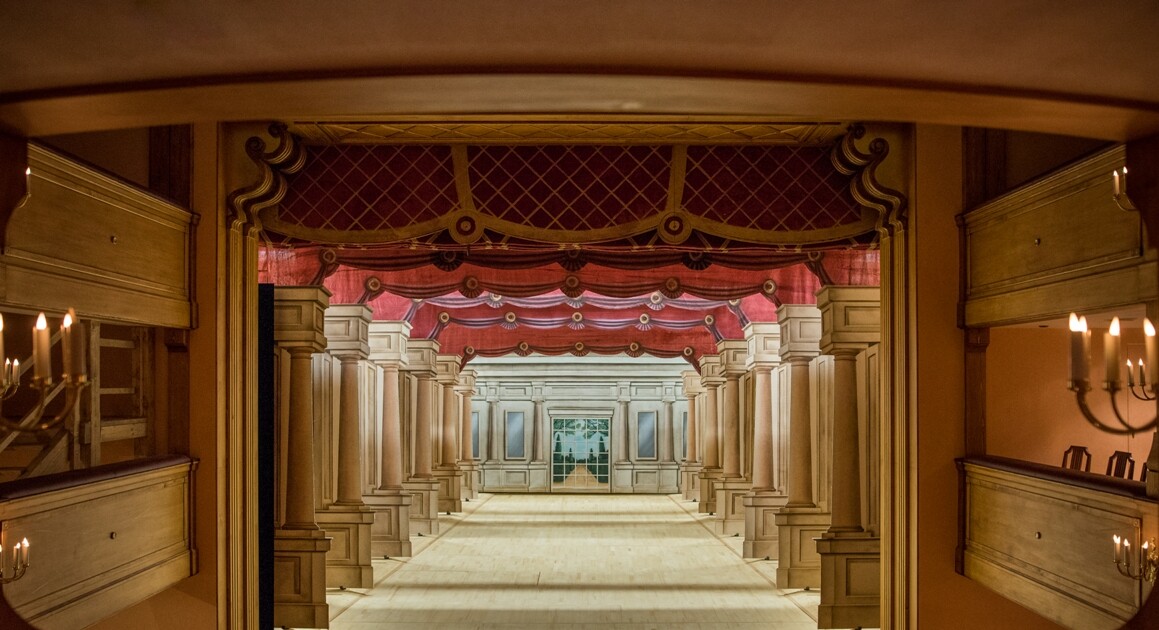

Zdroj akcí: otevřená data měst a obcí ČR (Národní katalog otevřených dat) a kalendář akcí Národního památkového ústavu.
Nearby
Památka se nachází v Lednicko-valtickém areálu na vrchu Homole, asi 1,6 km jihozápadně od centra Valtic.
Accommodation nearby
Themed route
1. Centre Valtic (starting point) - The place where the southwest road begins. 2. Top Homole (hike) - The road to the main monument, approximately 1.6 kilometers from the center. 3. Kolonáda na Rajstně (summer house) - The main destination and architectural unique. 4. Lednice-valtice complex (landscape) - The whole space in which the monument is located and which forms a unique whole.
Seasonal recommendations
Spring: In the spring season Kolonáda na Rajstně is presented in beautiful green clothes, where flowering shrubs and trees bring a vivid colour impression. The sun rays illuminate the architectural elements of the summer castle, creating a welcoming atmosphere for short walks. At this time it is advisable to visit the memory at the beginning of the day to avoid excessive crowds and enjoy a quieter environment. It is recommended to wear clothes according to temperature - light but with the possibility to add layer because the weather can be variable.
Summer: In the summer period Kolonáda na Rajstně is full service life. The sunny days and warm evenings offer ideal conditions for long visits, where you can enjoy the natural environment around this year's castle. The atmosphere is full of light and heat, causing the monument to look in its most beautiful clothing. The best time to visit is in the morning or later in the evening to avoid large crowds and avoid the hottest hours of the day. It is advisable to carry protective sun okujars, UV cream and plenty of drinking water.
Autumn: In the autumn period, the architectural elements of the Colonnade take place on the Rajstva new gloss. Coloured tree leaves add unique beauty to the landscape view, while milder weather offers a quieter environment without excessive temperatures. The atmosphere is full of silence and resembles an orphan's mood. Visit the monument during the afternoon, when the sun illuminates the roofs of the castle in a special way. Clothes should be suitable for mild temperature conditions - with the possibility to add a layer because the weather can be variable.
Winter: In winter months Kolonáda na Rajstně becomes magical atmosphere. Sometimes the castle appears in a snow dress, which adds a romantic touch to the view. Short days and cold night temperatures mean shorter opening times, but it also leads to less excessive crowds. The best time to visit is in the morning or in the middle of the day to enjoy sunlight and warmer hours. It is important to carry warm clothes - fur coats, gloves and hat - and suitable shoes for colder conditions.
Visualizations and artistic views


The visualisations are generated by artificial intelligence and serve as inspiration.
Photos from the area
Real photos taken near the monument


Zdroj a licence jsou uvedeny u každého snímku.
Tips from visitors
No tips yet. Be the first!
Log in and add your tip.
Sources and literature
Photos: Pudelek (Marcin Szala) / CC BY-SA 3.0 — Wikimedia Commons. The author and licence also appear when you hover over the image.
Faktickým podkladem tohoto textu byl článek na Wikipedii, jehož autory jsou přispěvatelé Wikipedie. Článek je dostupný pod licencí CC BY-SA 4.0.
Location on the map



Příběhy a pověsti
Legendy, pověsti a příběhy spjaté s touto památkou
Fotografie návštěvníků
Zatím žádné fotografie. Buďte první, kdo přidá fotografii z návštěvy!
Log in a přidejte svou fotografii nebo hodnoťte.
Za ověřenou návštěvu v aplikaci získáte víc bodů — poznáme podle GPS, že jste na místě.
Reviews and comments