






Kostel Nanebevzetí Panny Marie (Orlice) Church
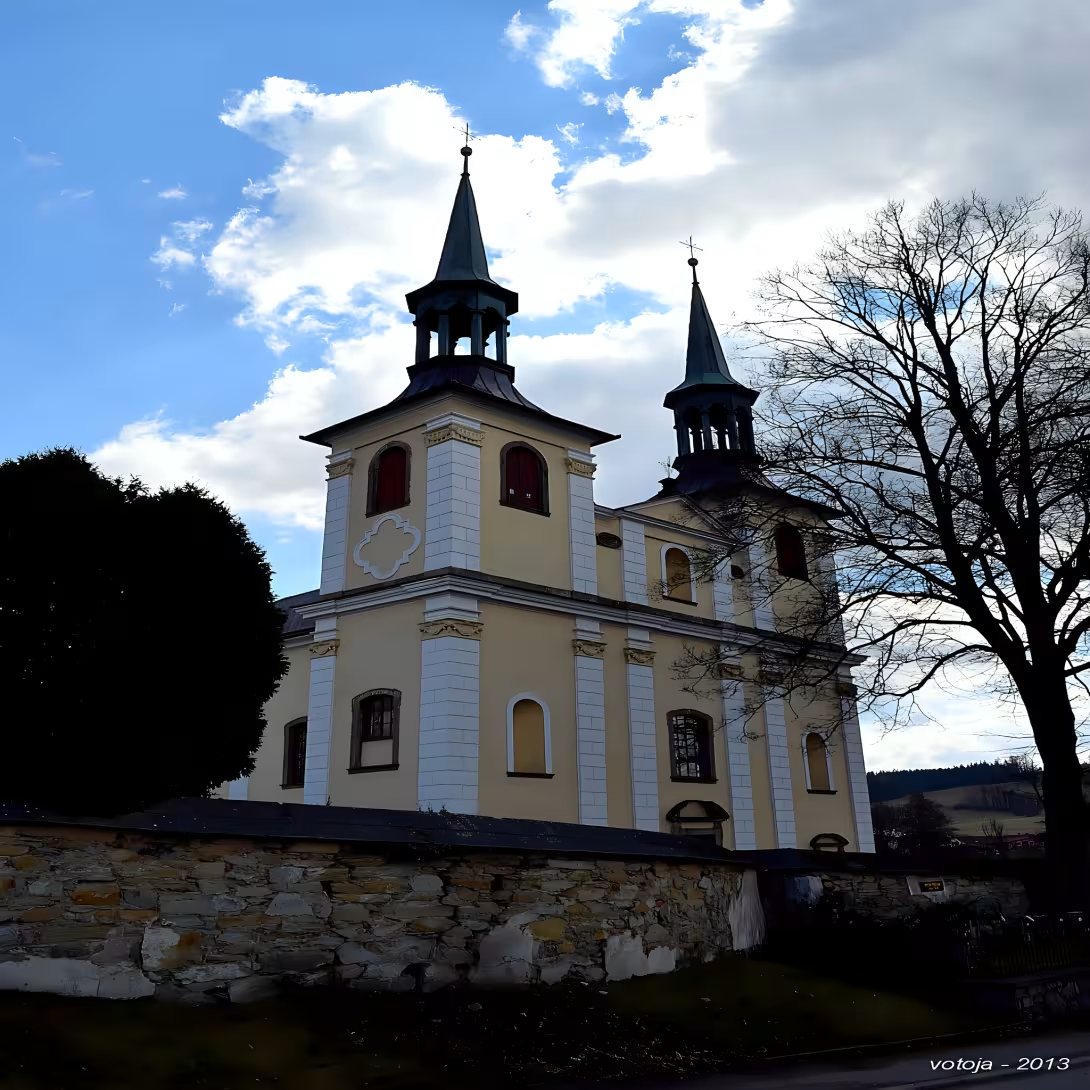
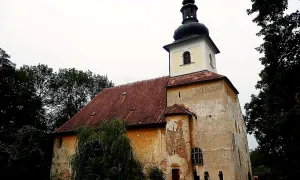
The Church of the Assumption of the Virgin Mary in Orlica is an important religious monument in Letohrad, Pardubický kraj, Czech Republic. It comes from the beginning of the 18th century, standing in the place that previously hosted two older churches and is protected as a cultural heritage since 1964. This church has three altars and was decorated with richly decorated Baroque Representatives of the Cross Road Johann Bergl in 1759, which is remarkable for its historical and artistic importance.
The origin of this monument dates back to the 14th century, when there was the first church in Orlice. However, it was destroyed during the Hussite Wars. After 1450 a new church was built for the followers of the Czech Brotherhood, a Protestant movement that came from the Hussite tradition. This second church had its own bells from 1497 and 1498, which were preserved to this day. After the Battle of the White Mountain in 1620, the Orlický church was abandoned because the parish was moved to Lukavice, perhaps thanks to the strong Czech tradition of the fraternity associated with it.
The present Baroque church was built since 1709 when Andreas Casteli laid its foundation stone. The architectural style reflects the baroque influences prevailing in this period, characterized by dramatic expressions and elaborate decoration. By 1759, the church was further improved by a number of paintings for the Representatives of the Cross Way created by Johann Bergl, the court painter of Empress Marie Theresa. These works of art were installed in richly decorated rococo frames and supplemented with the artistic value of the church.
Over time, the Church of the Ascension went through significant changes, especially during the reconstruction of the interior in 2009. This renovation included repainting, new lighting equipment and sound system along with reorientation of the interior. The traditional side altars and pulpit were removed, while the paintings of the Cross Way were restored between 2010 and 2018 by Sharka and Petr Berger. These restored works of art were later exhibited in Olomouc and highlighted their cultural importance.
Church The ascension today stands as proof of its rich history and artistic heritage. Visitors can appreciate baroque architecture and carefully restored images of the Cross Way. The church remains accessible to those who are interested in discovering its historical significance and enjoying its quiet atmosphere. His preservation as a cultural monument ensures that future generations will continue to value this remarkable place.
The Church of the Assumption of the Virgin Mary in Orlica offers a unique view of the region's religious and artistic history, making it a valuable destination for all interested in Baroque architecture and Czech heritage. Visitors are invited to explore his historical past and appreciate the beauty that has been preserved for centuries of change.
Then and now
Drag the slider to compare how the landmark may have looked when it was built with the view today.
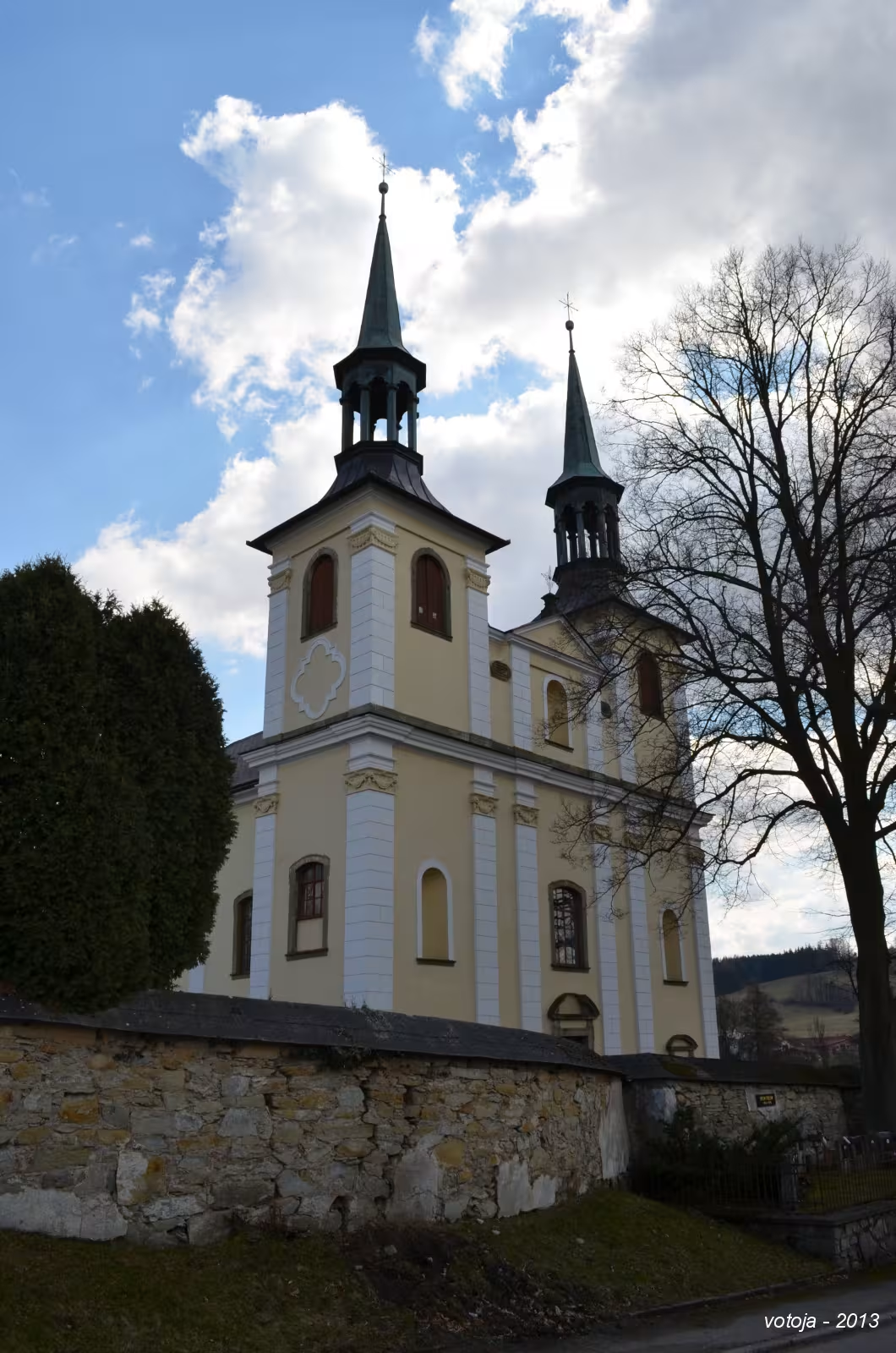
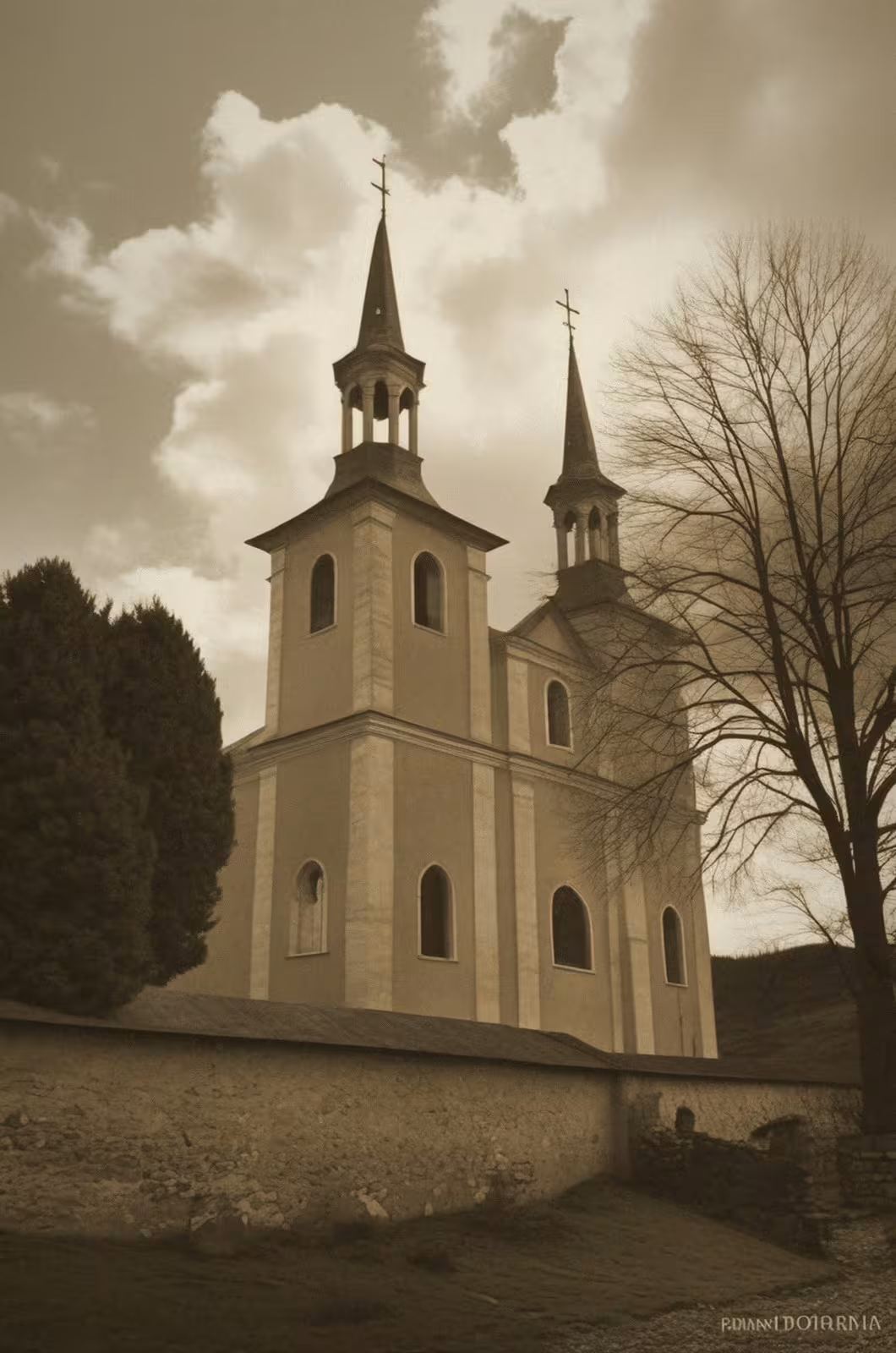
The historical appearance on the left is an AI-generated visualisation and serves as inspiration only.
Historical milestones
- Around 1350
- The first church on site was destroyed during Hussite wars.
- po 1450
- A new church was built for members of the Czech Brotherhood.
- 1497
- The bells of 1497 and 1489 were preserved.
- 1620
- the church was abandoned after the Battle of White Mountain.
- 1709
- The laying of the foundation stone for the present Baroque church.
- 1759
- The Baroque Cross was built by Johann Bergl.
Architectural development
Originally built in the early 18th century, the Church of the Ascension in 2009 underwent significant reconstruction of the interior. This included repainting, new lighting and sound, along with reorientation of the interior. The traditional side altars and pulpit rooms were removed and the images of the Cross Way were restored between 2010 and 2018.
Historical events
The first church in this place existed in Orlice for the 14th century, but was destroyed during Hussite wars. The new church was built after 1450 for Czech followers of the fraternity.
In 1709 Andreas Casteli laid the cornerstone of the present Baroque church.
Representatives of the cross road was installed in 1759 with paintings by Johann Bergl.
Points of interest
- The Church of the Assumption of the Virgin Mary in Orlica has a history of several centuries, with its beginnings dating back to at least the 14th century. It was initially destroyed during the Hussite wars, highlighting the turbulent religious conflicts of this time.
- After the Battle of White Mountain in 1620, the church was abandoned because of its connection with Czech brothers, a Protestant movement that was rooted in the Hussite tradition. This reflects changing religious landscape and political dynamics after battle.
- The current Baroque building started in 1709, founded by Andreas Casteli. Its design shows dramatic expressions and elaborate ornaments characteristic of the Baroque period, making it an architectural monument.
- Among his art treasures are the paintings of the Cross Way Representative created by Johann Bergle in 1759. These works were installed in rococo frames, supplemented by their historical and aesthetic significance and later renewed Šarka and Petr Berger between 2010 and 2018.
- The bells church, dated from 1497 and 1498 since his second iteration, have been preserved for centuries. These bells are a rare link to the previous history of the church and serve as a auditory reminder of its long-lasting heritage.
Guide
This guide is narrated by a synthetic voice generated by artificial intelligence.
Show guide text
This text was created by artificial intelligence and has not been editorially reviewed. It may contain inaccuracies.
Welcome to the Church of the Assumption of the Virgin Mary in Orlica, the remarkable law of faith and history in Letohrad, Pardubice Region. As you stand in front of this majestic structure, imagine that you will be brought back for centuries, where every stone tells the story of resistance and devotion.
The origin of this sacred place can be traced back to the beginning of the 14th century, when it first appeared as a place of worship during stormy times. Its initial incarnation was not spared the chaos of the Hussite wars in the half-1400s, leading to its destruction in the midst of religious upheaval. But from this ashes arose a new church around 1450 for members of the Czech Brotherhood, which means the rebirth and lasting commitment of the spiritual community.
Fast forward to 1620, after the Battle of White Mountain, the church was abandoned, marking another pause in its lively history. However, this silence was interrupted in 1709, when the cornerstone of today's Baroque masterpiece, heralding an era of architectural splendour and renewed faith, was laid. By 1759, Johann Bergl completed the richly decorated Baroque Representatives of the Cross Way, adding layers of intricate beauty for all to look at.
As you look at this structure, take a moment to appreciate its architectural elegance. The church stands as proof of baroque art, with three altars that call contemplation and respect. His history is inscribed in every detail, from preserved bells of 1497 and 1498, echoes of stories from previous years, to carefully created pavilions of the cross path that leads believers on their spiritual path.
While many historical figures associated with this church remain unnamed, stories embedded in the walls talk about volumes. The resistance expressed for centuries - from the survival of Hussite wars to the appearance of a baroque jewel - reflects the continuing spirit and commitment of the community.
One interesting aspect of this church is its transformation into time. Imagine the place that once hosted two older churches now stand proudly with its Baroque grandeur, protected from 1964 for future generations to honor.
As you continue your research, let yourself be dragged into the rich tapestry of history surrounding this sacred place. Every step, despite its reasons, offers a view of the past and a call for reflection on the lasting strength of faith and community.
Thank you for joining us on this journey through time at the Church of the Assumption of the Virgin Mary in Orlica. We hope it inspires you to dig deeper into his stories and maybe come back and discover new layers at each visit. Safe travels as you continue your exploration of Letohrad's treasures.
Tips for visitors
The best time to visit the Church of the Assumption of the Virgin Mary in Orlici is in the spring or early autumn when the weather is mild, which allows comfortable examination of both the church and its surroundings. These seasons offer pleasant temperatures and often lively natural landscapes that increase the beauty of Letohrad. In addition, a visit outside the top tourist season can provide a quieter experience with fewer crowds.
For visitors to the Church of the Assumption of the Virgin Mary in Orlica, parking and transport are available. There is a parking lot nearby where you can leave your vehicle; However, it is appropriate to check local sources or maps for specific details of availability. Public transport can also be used to reach Letohrad with various bus lines connecting large cities and cities. For most of the current traffic options, consult the route planner or online search tool.
When visiting the church, consider bringing comfortable walking shoes as you wish to explore the area around the monument. The camera is recommended to capture architectural details of the church, especially during the golden hour when light increases the construction properties. In addition, carrying water and some refreshments can be helpful if you plan to spend several hours exploring.
Photographers will find that the best places to capture the paintings of the Church of the Assumption of the Virgin Mary are from the front entrance or along the way around it. Early morning or late afternoon light provides a soft glow, ideal for highlighting complex details of church and stone work. Keep in mind any restrictions on photography inside the church.
For people interested in exploring nearby attractions within 30 minutes, consider visiting Letohrad Chateau, which offers historical views to the past of the region. The chateau is located near Orlice and provides a view of medieval architecture and history. This makes it an excellent supplement to your itinerary if you are interested in expanding your cultural research outside the church.
Businesses nearby
Do you run a restaurant, accommodation, shop, museum, rental, wellness or other visitor service near this monument? Show yourself directly to the people heading to it — this is how they will see you in the app and on the web:
Nearby
PHARMAShow interactive okolí - Restaurant, accommodation, numerous and other city in the district 15 km.
Data: OpenStreetMap contributors, district 15 km.
Historical monuments
- Craft Museum (2.4 km)
- City Museum (2.6 km)
- Jampach (7.6 km)
- memorial of Gen. Knop and the victims of the II. v. War (8.1 km)
- Hernych vila (11.0 km)
- Memorial
- Tráz Bouda (11.7 km)
- Fürst Johannes "Eichen" (11.9 km)
ANNEX
- Restaurant New door (2.4 km)
- Šnyt New Louže (10.4 km - Polish 1308)
- Chaplin (10.6 km - Freedom Square 702)
- Sport music club (11.0 km)
- Pizzeria Domino (11.0 km - 17 November 72)
- Henry Gril (11.1 km)
- DOPITO Café & Bar (11.2 km - Comenius 160)
- Uno (11.2 km)
ANNEX
- Hotel on Chateau (2.7 km)
- Petrov palouk (6.6 km)
- ATC Nobility palouk (7.0 km)
- ATC Nobility palouk (7.0 km)
- Pension Pastry (7.3 km)
- Autocamping Under Black Lesem (8.1 km)
- Otmark (8.1 km)
- Poprad (11.0 km)
Handlebars and sports
- Club Biathlon Letohrad, p.s. (2.5 km)
- Cyklo sport Mach (4.7 km)
- Sport (5.2 km)
- Natural swimming pool (6.9 km)
- TOSK Žamberk (8.1 km)
- Bike Max (10.1 km)
- Cykla Lustyk (10.6 km)
- Vojty Švejkar (11.3 km)
Garantica Tourism and nature
- Information centre Letohrad (2.7 km)
- Nekors (4.5 km)
- Earth Crown - electronic wiring (11.6 km)
- Natural park Dry hill - Buká hora (11.6 km)
- Čenkovice - ski and reality (11.9 km)
- Crane (12.2 km)
- Red Seat (12.6 km)
- Earth Crown - electronic wiring (12.6 km)
Accommodation nearby
Themed route
Thematic cruise route: Kostel Nanebevzetí Panny Marie (Orlice)
1. Church of the Assumption of the Virgin Mary - Type: Religious monument - Proc stands behind the entrance: This Baroque church is outside the architectural house in the municipalities of Orlice. Its rich history and art elements overlap with the elements that count on the compulsory and cultural regions.
2. St. John Nepomuk Chapel - Type: - It is worth the effort: It is located in the close proximity of the Church of the Assumption of the Virgin Mary and is famous for its own historical architecture. It's a place of calm and shelter where you can see the quiet moments after the demands of the main church.
3. Naves of the municipality Orlice - Type: Local center - Proce stand for filling: Naves is the director of the local union and offers instrumentation of traditional Czech life. Here you will find small towns and restaurants where you can appreciate local gastronomy.
4. City country - Type: Park - Why is it worth the effort: This picturesque garden is an ideal bridge for relaxation and walking through the church. It is a place where you can enjoy nature and peace in the center of the village.
This route offers a combined leadership of spiritual law with the promotion of the Mild Cultural and Historical Offshore, which made Orlice full of discoveries.
Seasonal recommendations
Spring: A visit to the Church of the Assumption of the Virgin Mary in the spring season offers one experience, when the church appears in the wonderful season of the sunny world. Flowers and trees around count the quantities that can be added to the surroundings of the monuments. This season it is delivered to visit the church at the early spring time, when the crowds are clarified smaller and the temperature is supplied. A good day to determine the amount that has been taken when the sun rises above the horizon, allowing the whole celebration of the spring world. The information submitted is contained in this list.
Summer: The Church of the Assumption of the Virgin Mary is a favourite of its own products that can be used in the production and production of beautiful proceeds. Advanced suns use temperature, which means that important summer services are also intended to howl the frequency. If you plan to visit the church in the summer, it is advisable to cross early in the morning or later in the afternoon to avoid the heat and the crowd. Hot round with ties or cups on the head is supplied for protection against sunlight, along with the permission of drinking water to maintain hydration.
Autumn: In autumn, the Church of the Assumption of the Virgin Mary offers demanding peaceful and relief from summer heat. The woods of which church are colored in living colours, which gives the atmosphere a feeling of attentive beauty. This is an ideal time for invasions because crowds are generally smaller and temperatures are freezing, but still comfortable. It is proposed to place a win on the church late afternoon or early evening, when the atmosphere is calm and the lighting of Sunshine is worst. The round is recommended, especially in late autumn, when temperatures may decrease.
Winter: The Winter Value of the Church of the Assumption of the Virgin Mary offers a completely different experience with a calm and quiet atmosphere. The trees of the church can be covered with snow, which passes to the painting and assessment. This is the time when crowds are the smallest, allowing a peaceful profile of the church. In the case of measures that may be taken, measures that should be taken may be provided that this measure is only addressed if the measure is considered to be State aid. The warm siege, incl. fur coat and hat, is persistent for use in connection with the designation, together with the edge against the cold winter shape.
Visualizations and artistic views


The visualisations are generated by artificial intelligence and serve as inspiration.
Photos from the area
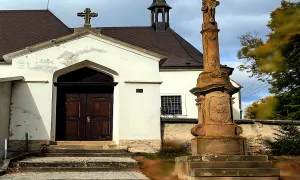
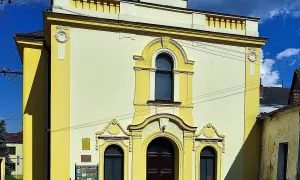
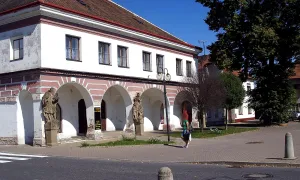
Real photos taken near the monument


Zdroj a licence jsou uvedeny u každého snímku.
Tips from visitors
No tips yet. Be the first!
Log in and add your tip.
Sources and literature
Photos: Votoja / CC BY-SA 3.0, rozlišení zvýšeno umělou inteligencí — Wikimedia Commons. The author and licence also appear when you hover over the image.
Faktickým podkladem tohoto textu byl článek na Wikipedii, jehož autory jsou přispěvatelé Wikipedie. Článek je dostupný pod licencí CC BY-SA 4.0.
Location on the map

Příběhy a pověsti
Legendy, pověsti a příběhy spjaté s touto památkou

Fotografie návštěvníků
Zatím žádné fotografie. Buďte první, kdo přidá fotografii z návštěvy!
Log in a přidejte svou fotografii nebo hodnoťte.
Za ověřenou návštěvu v aplikaci získáte víc bodů — poznáme podle GPS, že jste na místě.
Reviews and comments