






Kostel Nanebevzetí Panny Marie (Rapotín) Church
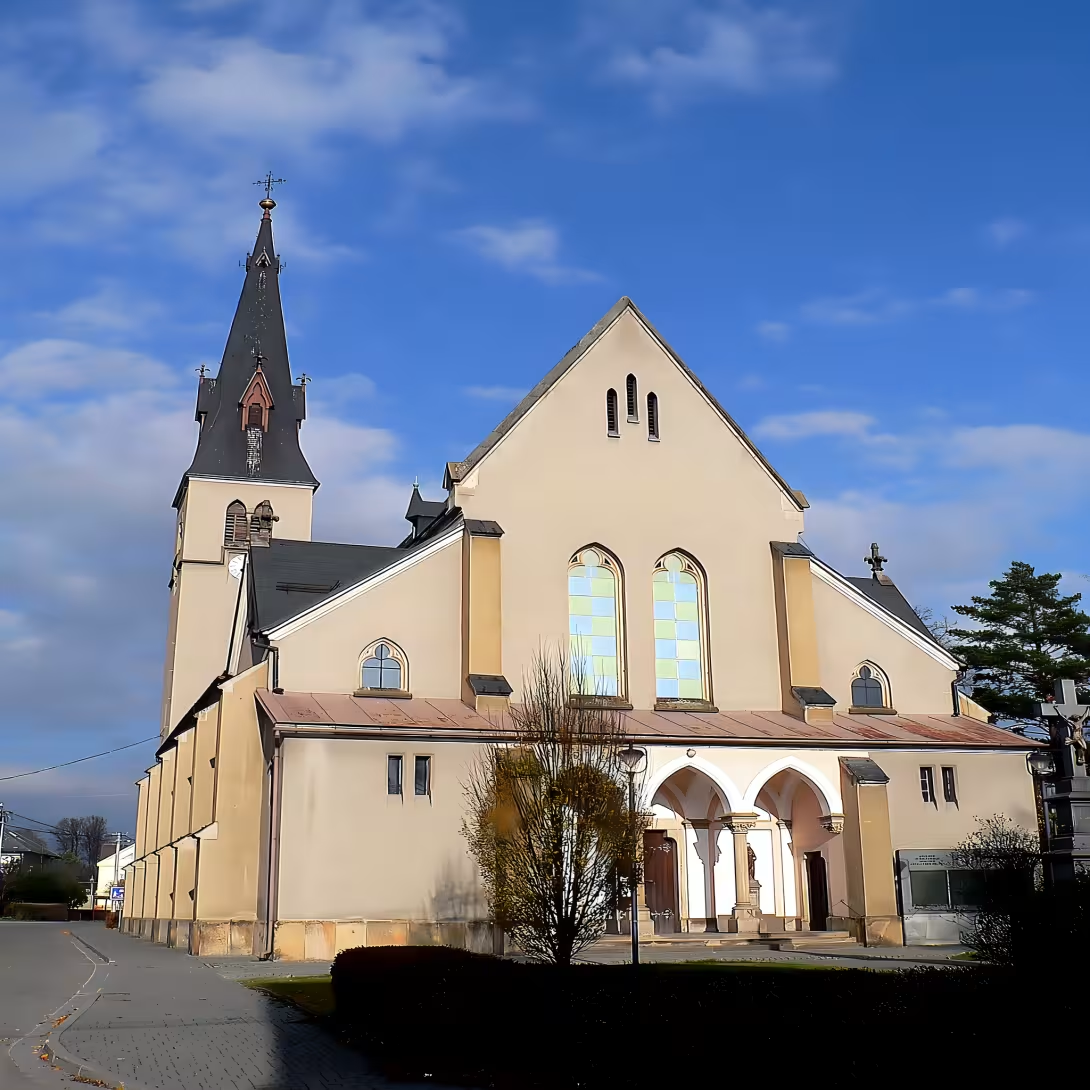
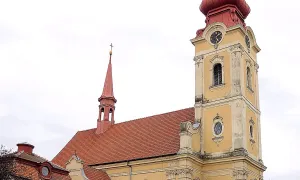
The Church of the Assumption of the Virgin Mary in Rapotín is a significant neo-Gothic architectural monument built in 1874. Located in the village of Rapotín within the Šumperk District of Olomoucký kraj, this church holds historical and cultural importance. It stands on the site where an earlier late Gothic Church of St. James the Greater once existed, demolished at the start of the 19th century due to capacity issues.
Rapotín's ecclesiastical architecture dates back to a church dedicated to St. James the Greater, believed to have been constructed before 1400 and later rebuilt in stone by Petr ze Žerotína at the beginning of the 16th century. This original structure featured significant dimensions, buttressed walls, and an octagonal tower with a spire. However, as Rapotín's population grew, the church could no longer accommodate the community, leading to its demolition in 1867.
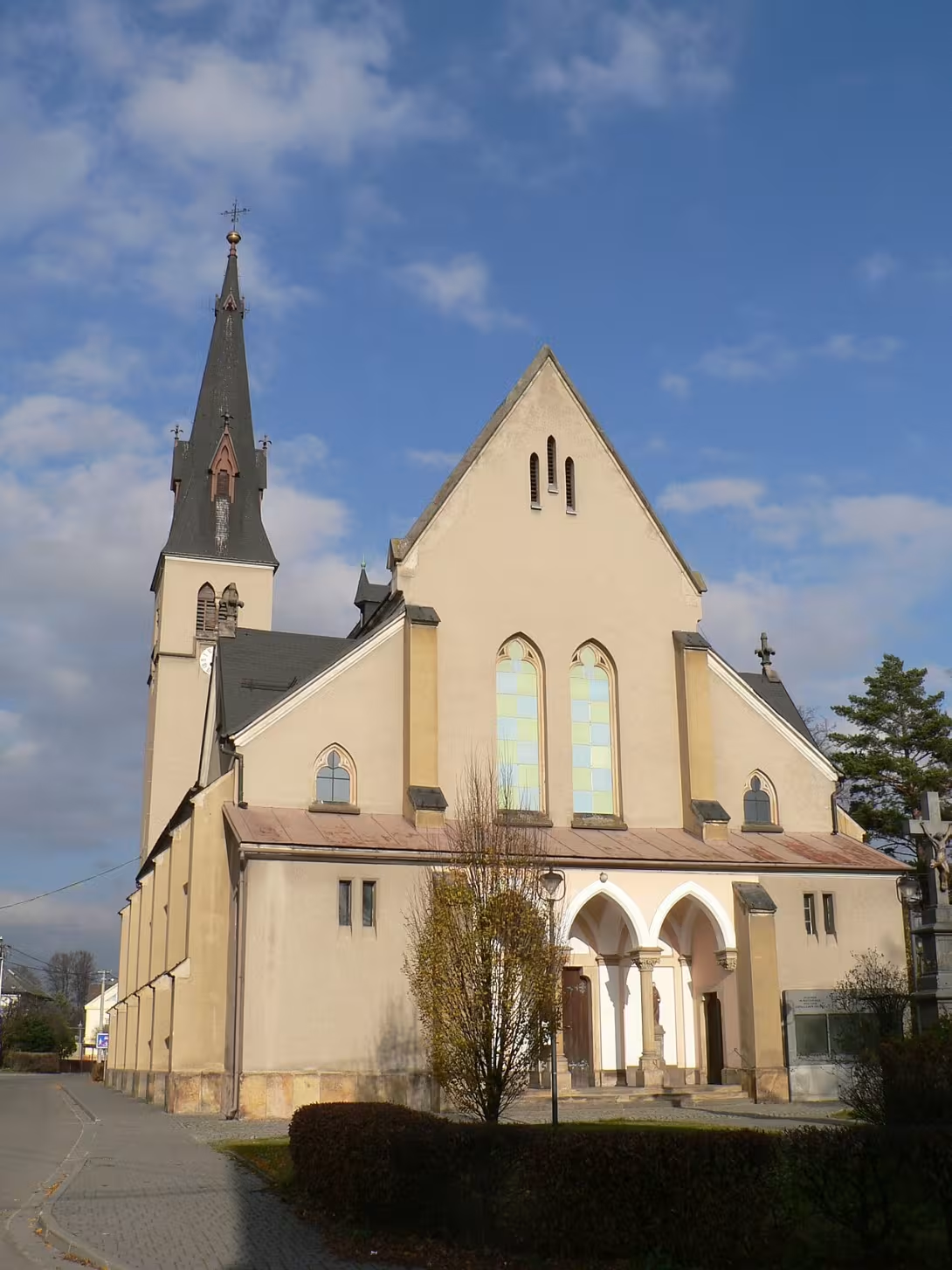
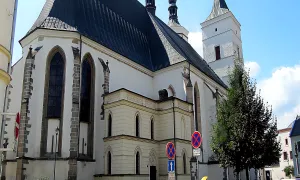
The new Church of the Assumption of the Virgin Mary was designed by Eduard rytíř z Ettmayeru and constructed under Josef Bayer's supervision. This neo-Gothic basilica has a three-nave layout with an open arcade entrance and tiered buttresses supporting both the nave and presbytery. Its northward orientation is due to site size constraints, while its 50-meter-high tower adds architectural prominence. Modern elements like electrically powered organs installed in 1930 reflect a blend of traditional forms with contemporary innovations.
Throughout its history, the church has witnessed several key events and curiosities. A legend suggests that two noble sisters built nearly identical churches nearby to avoid seeing each other due to a love triangle, adding local folklore to its narrative. The original bells from the 15th century were lost over time, with new ones installed in 1975 by the Dytrych family's foundry. Additionally, the church suffered damage during a flood in 1997 but was restored by 2000.
Today, the Church of the Assumption of the Virgin Mary is an integral part of Rapotín’s cultural heritage, listed as a protected monument since 2006 alongside other minor sacred sites in the area. Its architectural beauty and historical significance make it a worthwhile visit for those interested in Bohemian history and neo-Gothic architecture. Visitors are invited to appreciate this remarkable site that blends past traditions with modern advancements, offering a glimpse into the region's vibrant cultural legacy.
Then and now
Drag the slider to compare how the landmark may have looked when it was built with the view today.
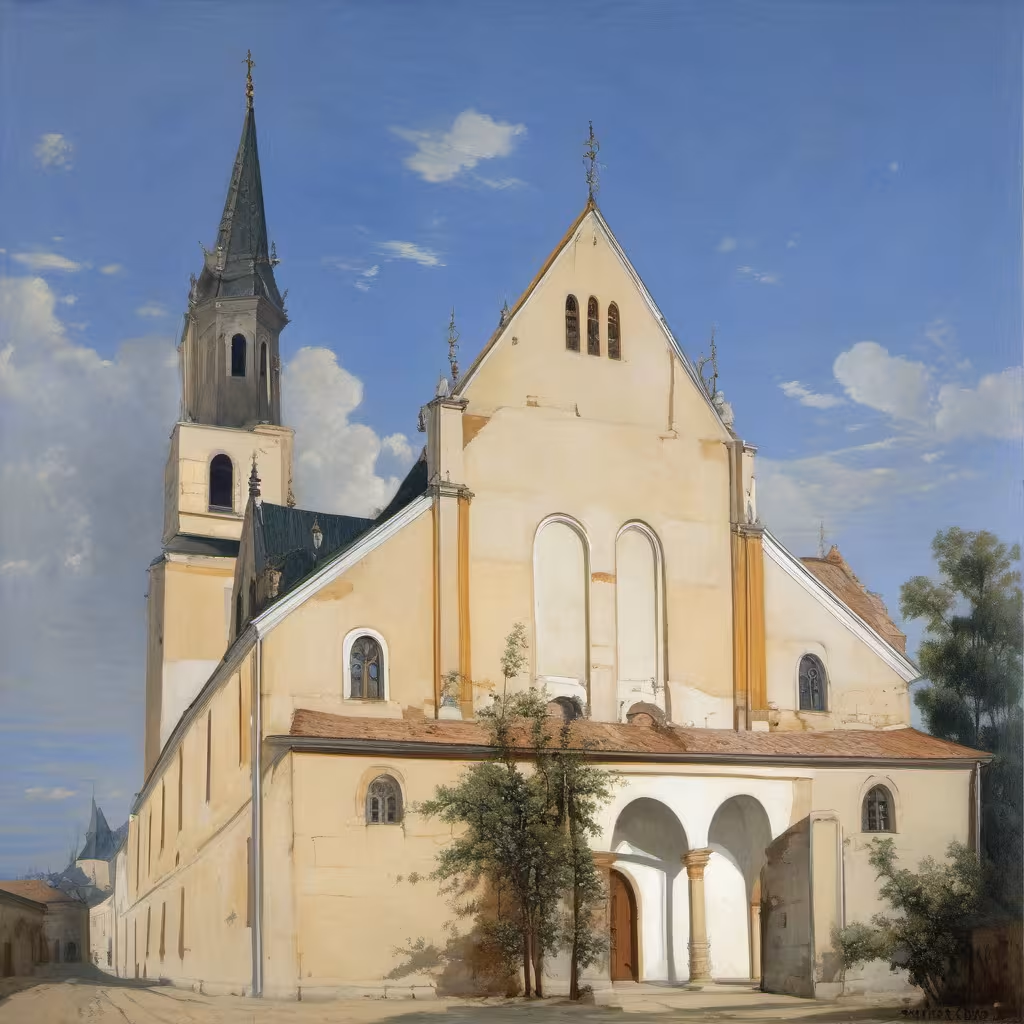
The historical appearance on the left is an AI-generated visualisation and serves as inspiration only.
Historical milestones
- prior to 1400
- Construction of the Church of St. James the Greater.
- around 1500
- Reconstruction of the church from wood to stone by Petr ze Žerotína.
- 1867
- Demolition of the Church of St. James the Greater due to capacity issues.
- 1874
- Construction of the Church of the Assumption of the Virgin Mary in neo-Gothic style.
- 1930
- Installation of electrically powered pipe organs.
- 1975
- Replacement of original bells with new ones from Dytrych's Foundry.
Architectural development
The original late Gothic Church of St. James the Greater, built in the early 16th century, was replaced by a neo-Gothic basilica designed by Eduard rytíř z Ettmayeru and constructed by Josef Bayer. The new church features an open arcade space at the entrance and is supported by tiered buttresses. It includes modern elements such as electrically powered organs installed in 1930.
Historical events
1867: Demolition of the original St. James Church began due to capacity issues.
1874: The new neo-Gothic church was inaugurated on June 26th.
1997: The church suffered damage from a flood, which was repaired by 2000.
Points of interest
- Legend suggests that two noble sisters built nearly identical churches nearby to avoid seeing each other due to a love triangle, adding an intriguing layer of local folklore to Rapotín's history.
- The original bells from the 15th century were lost over time, and new ones weren't installed until 1975 by the Dytrych family's foundry, highlighting a significant gap in the church's auditory heritage.
- Despite its neo-Gothic design, the Church of the Assumption of the Virgin Mary features modern elements like electrically powered organs installed in 1930, demonstrating an early adoption of contemporary technology within historical architecture.
- The church suffered damage during a flood in 1997 but was fully restored by 2000, showcasing the community's resilience and commitment to preserving their cultural heritage despite natural disasters.
Guide
This guide is narrated by a synthetic voice generated by artificial intelligence.
Show guide text
This text was created by artificial intelligence and has not been editorially reviewed. It may contain inaccuracies.
Welcome to the historical site of the Church of the Assumption of the Virgin Mary in Rapotín. As you stand here, take a moment to absorb the serene presence of this neo-Gothic architectural gem that has been part of this landscape since 1874. Its elegant structure rises with grace, inviting you to explore its history and design.
Let's delve into the origins of this remarkable church. Originally, there was a late Gothic church dedicated to St. James the Greater, constructed before 1400. Over time, this church underwent significant changes; around 1500, it was transformed from wood to stone under the direction of Petr ze Žerotína. However, by 1867, due to capacity issues, the old structure had to be demolished. This paved the way for the creation of what you see today—a three-nave basilica with a polygonal presbytery, designed in the neo-Gothic style that captures both imagination and reverence.
As you take in its architecture, notice the intricate details that define this church's character. The design by Eduard rytíř z Ettmayeru and Josef Bayer brings together elements of grandeur and spirituality. Observe the harmonious blend of form and function as your eyes trace the lines of the building, appreciating how it stands as a testament to both artistic vision and historical continuity.
This church is not just about its architecture; it's also woven with intriguing stories from the past. Local folklore suggests that two noble sisters once built nearly identical churches nearby to avoid seeing each other due to a love triangle—a tale adding a layer of mystery and charm to Rapotín’s history. Such legends enrich our understanding, connecting us emotionally to this place.
As you continue your exploration, consider the evolution of this site over time. In 1930, the church saw technological advancement with the installation of electrically powered organs, and in 1975, it received new bells from Dytrychovy pece after the original ones from the 15th century were lost to history.
I invite you now to take a moment to simply stand here and appreciate the atmosphere. Let your mind wander through time as you ponder the lives that have passed by this sacred site. Each step around it is an opportunity to connect with its storied past.
Thank you for joining me on this journey through history at the Church of the Assumption of the Virgin Mary in Rapotín. I hope this experience has inspired you to delve deeper into the stories and architecture surrounding us. May your curiosity lead you to further discoveries as you continue exploring the wonders that lie ahead.
Tips for visitors
The best time to visit the Church of the Assumption of the Virgin Mary in Rapotín is during late spring or early autumn, when the weather is mild and pleasant for exploring both the church and its surrounding natural landscapes. These seasons also offer beautiful lighting conditions for photography, with soft morning light being ideal for capturing the intricate details of the neo-Gothic architecture.
When visiting, bring comfortable walking shoes as you'll likely explore both the church grounds and nearby natural trails along the Desná River. A camera or smartphone is recommended for capturing the stunning architecture of the church and the serene landscapes around Rapotín. Additionally, consider bringing a water bottle to stay hydrated during your visit.
Photography enthusiasts will find several spots around the church offering great views, especially at sunrise or sunset when the light accentuates the neo-Gothic features against the sky. The area near the Desná River also provides picturesque backgrounds for photographs of the church and its surroundings.
For those interested in exploring nearby attractions within a 30-minute drive, the remnants of past ecclesiastical architecture around Rapotín offer a glimpse into the region's rich history. Additionally, the natural landscapes along the Desná River provide opportunities for leisurely walks or picnics in a scenic setting.
Frequently asked questions
Can the monument be visited?
Religious buildings are usually open mainly during services; at other times a visit is normally arranged with the parish or the operator. We have not verified specific times.
Where is the monument?
Location: Nám. Svobody, Rapotín, Olomoucký kraj. The map on this page shows the exact spot.
Why is the monument protected?
It is listed in the Central List of Cultural Monuments of the Czech Republic as a cultural monument (register no. 101991).
Businesses nearby
Do you run a restaurant, accommodation, shop, museum, rental, wellness or other visitor service near this monument? Show yourself directly to the people heading to it — this is how they will see you in the app and on the web:
Events nearby


Zdroj akcí: otevřená data měst a obcí ČR (Národní katalog otevřených dat) a kalendář akcí Národního památkového ústavu.
Nearby
Rapotín is located near the Desná River, with historical connections to nearby Petrovice. The area features remnants of past ecclesiastical architecture and natural landscapes.
Accommodation nearby
Themed route
Thematic Vltour to Rapotín
1. Kostel Nanebevzetí Panny Marie (Rapotín) - Church Begin your journey at the heart of Rapotín with the stunning Kostel Nanebevzetí Panny Marie. This church is a remarkable example of ecclesiastical architecture, showcasing intricate designs and historical significance. It stands as a testament to the rich cultural heritage of the region and offers visitors an opportunity to explore its beautiful interior and learn about its storied past.
2. Remnants of Ecclesiastical Architecture - Historical Sites A short walk from the church will lead you to various remnants of ecclesiastical architecture scattered around Rapotín. These historical sites provide a glimpse into the religious and cultural evolution of the area, highlighting how these structures have shaped local traditions over centuries.
3. Desná River - Natural Landscape Following your exploration of architectural history, head towards the Desná River. This natural landscape offers serene views and a peaceful setting to reflect on the historical journey you've just experienced. The river's proximity to Rapotín adds a tranquil element to your tour, allowing for moments of relaxation amidst nature.
4. Petrovice - Historical Connection Conclude your thematic vltour with a visit to Petrovice, a nearby area historically connected to Rapotín. This connection enriches the narrative of your journey, providing context and depth as you explore how these two locations have influenced each other over time. The historical ties between Rapotín and Petrovice offer insights into regional development and shared heritage.
This thematic vltour offers a comprehensive exploration of Rapotín's historical and natural attractions, ensuring an enriching experience for all visitors interested in the area's cultural legacy.
Seasonal recommendations
Jaro: In the spring, the Church of the Assumption of the Virgin Mary in Rapotín offers visitors a pleasant experience with blooming flowers and warm sunlight that adorns its surroundings. The green vegetation around the church provides a peaceful backdrop for a visit, while mild weather allows for comfortable strolls through the historic streets of the town. It is advisable to visit the church early in the morning or later in the afternoon to avoid possible crowds during ongoing tours to nearby areas. Visitors should wear comfortable shoes and light clothing that adapts well to changing weather conditions.
Léto: In summer, the church in Rapotín offers visitors an experience full of sunlight and life as its surroundings transform into a green oasis. The intense sun can be high above the church's roof, adding subtle shadows and colorful effects to its historic stone facades. This time is particularly popular among tourists, so it is advisable to visit the church early in the morning or later in the afternoon to avoid peak crowds of visitors. Visitors should wear light and bright clothing, protective sunglasses, and plenty of drinking water to enjoy the church at full summer bloom.
Podzim: In autumn, the Church of the Assumption of the Virgin Mary in Rapotín becomes a place buried under golden and red leaves falling from surrounding trees. The atmosphere is calm and serene, offering an ideal environment for a visit without the noisy crowd of tourists. Sunlight becomes warmer and less intense, allowing for long walks around the church and appreciation of its historical details. Visitors should wear moderate clothing with the option to add a layer on cooler afternoons, as well as footwear suitable for grassy areas covered in leaves.
Zima: A winter visit to the Church of the Assumption of the Virgin Mary in Rapotín offers a unique experience with the possibility of seeing its architecture adorned with snow. Sunlight illuminates the church and surrounding area, creating a peaceful and quiet atmosphere. Visitors should wear warm clothing and appropriate footwear for snowy conditions, while an earlier arrival is recommended due to shorter daylight hours.
Visualizations and artistic views


The visualisations are generated by artificial intelligence and serve as inspiration.
Tips from visitors
No tips yet. Be the first!
Log in and add your tip.
Sources and literature
Photos: Martin Vavřík / Public domain, rozlišení zvýšeno umělou inteligencí — Wikimedia Commons. The author and licence also appear when you hover over the image.
Location on the map

Příběhy a pověsti
Legendy, pověsti a příběhy spjaté s touto památkou

Fotografie návštěvníků
Zatím žádné fotografie. Buďte první, kdo přidá fotografii z návštěvy!
Log in a přidejte svou fotografii nebo hodnoťte.
Za ověřenou návštěvu v aplikaci získáte víc bodů — poznáme podle GPS, že jste na místě.
Reviews and comments