



Kostel Narození Panny Marie (Osenice) Church
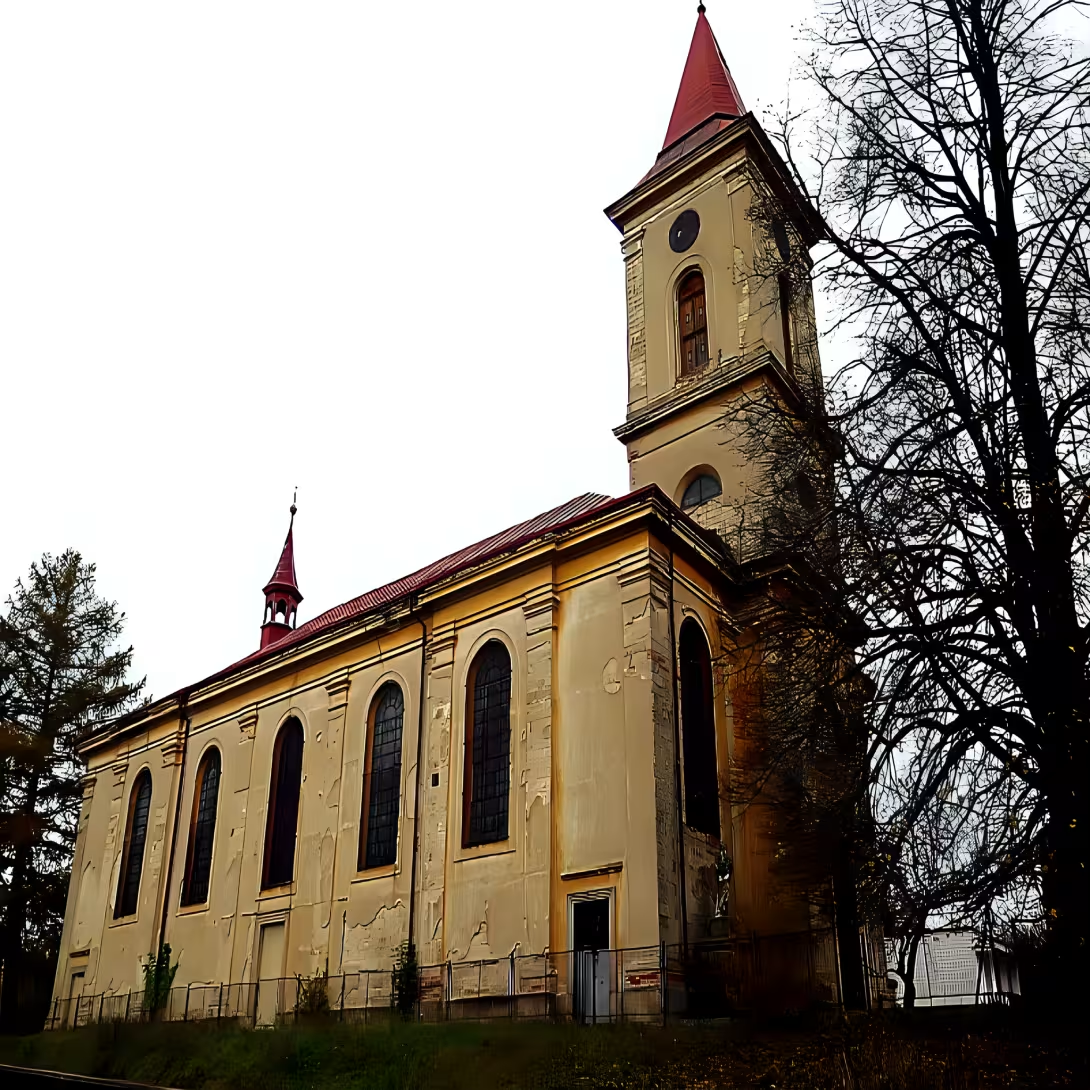
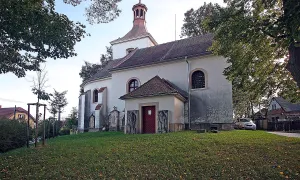
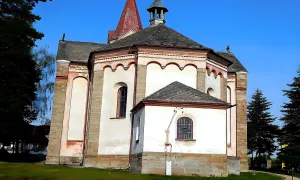
The Church of the Nativity of the Virgin Mary in Osenice is an architecturally significant structure with deep spiritual and cultural value for the local parish. Situated on the southern edge of Osenice village in the Jičín District of Královéhradecký kraj, it was built between 1864 and 1865 by master builder Č. Říha. The church is notable for its unique blend of architectural elements from various periods, giving it a distinctive character. Declared a cultural monument of the Czech Republic in 1995, it features a single-nave rectangular building with a tower on the western facade.
The origins of this church date back to the 13th century when an original structure was mentioned in records from 1352. This initial edifice expanded during the 17th century, reflecting its growing importance within the community. By the mid-19th century, Č. Říha constructed a new church between 1864 and 1865, marking a significant architectural evolution. The decision to build this new structure on the southern edge of Osenice was influenced by cultural and architectural shifts in Bohemia and much of Europe during that period, characterized by historicism's revival of historical styles.
Architecturally, the Church of the Nativity of the Virgin Mary combines elements from various periods. The current building is a single-nave rectangular structure with a tower on the western facade. It incorporates baroque additions from an earlier church, including artworks such as paintings by Svoboda from Prague and A. Lhoty from 1867. Baroque sculptures of St. John the Evangelist and St. Joseph, dating back to the early 18th century, enhance its artistic value. The church also houses a baroque image of the Virgin Mary with sleeping Jesus, adding to its rich collection of religious art.
Throughout its history, the Church of the Nativity of the Virgin Mary has remained under the administration of the local parish. Its significance as a cultural monument was officially recognized in 1995, ensuring its preservation for future generations. The church's artistic and architectural elements reflect the historical influences that shaped its construction and subsequent modifications.
Today, the Church of the Nativity of the Virgin Mary stands as a testament to Osenice's rich history and cultural heritage. Its unique blend of architectural styles and valuable artworks make it an intriguing destination for visitors interested in religious architecture and art. The church is accessible to the public, offering insights into its historical significance and artistic treasures.
Visiting the Church of the Nativity of the Virgin Mary provides a glimpse into the historical and cultural fabric of Osenice. Its designation as a cultural monument underscores its importance, inviting both locals and tourists to explore its architectural beauty and spiritual legacy.
Then and now
Drag the slider to compare how the landmark may have looked when it was built with the view today.
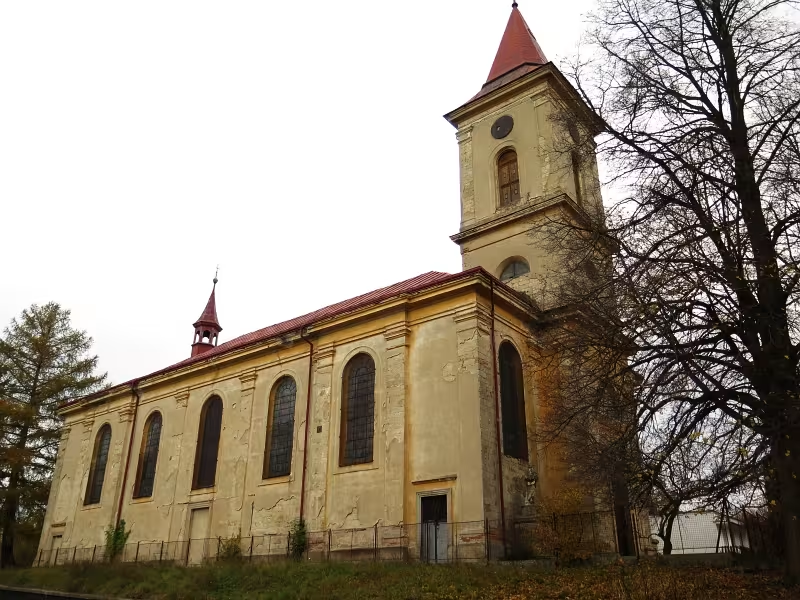
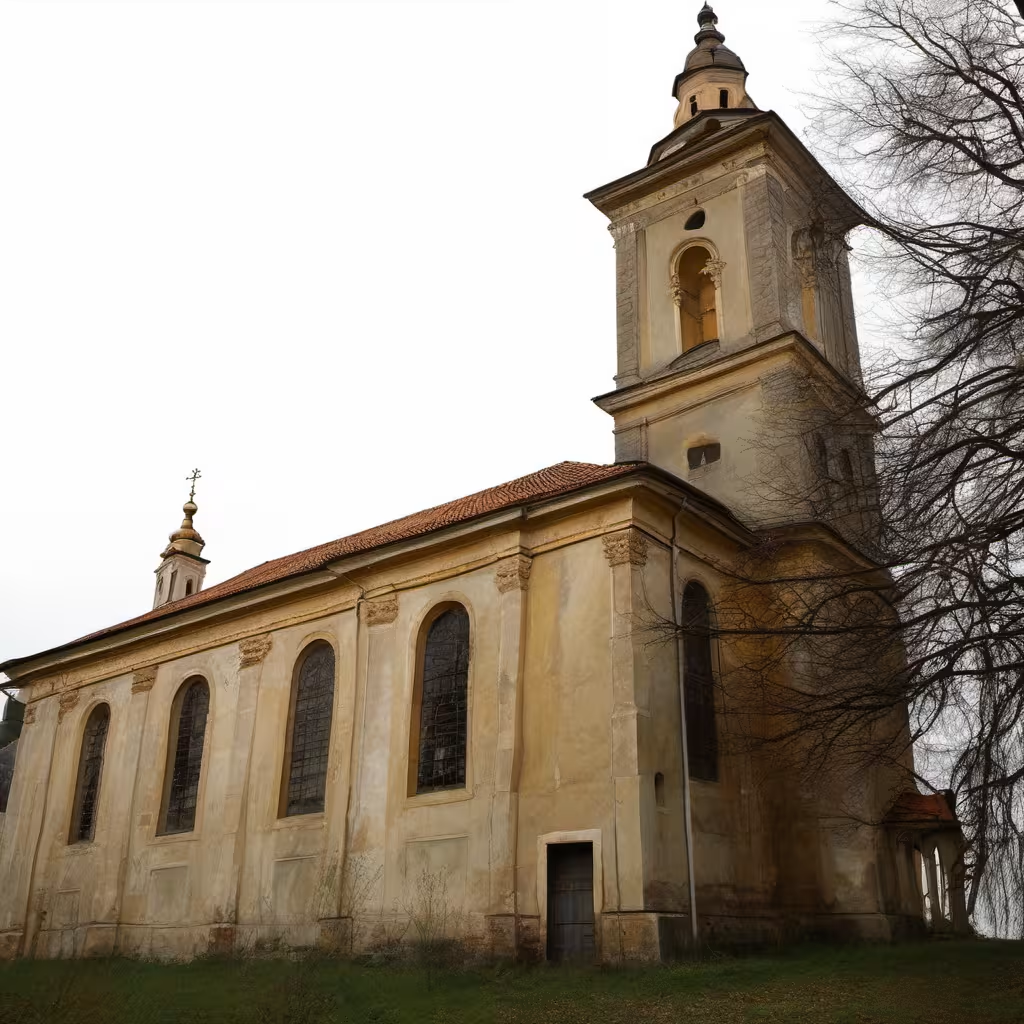
The historical appearance on the left is an AI-generated visualisation and serves as inspiration only.
Historical milestones
- 1352
- The original church was mentioned in records.
- 1995
- The church was declared a cultural monument of the Czech Republic.
Architectural development
The Church of the Nativity of the Virgin Mary has evolved from its original 13th-century structure to a pseudosloppy style building completed in the mid-19th century. The current church, built by Č. Říha between 1864 and 1865, incorporates elements from various architectural periods, including baroque additions from an earlier church.
Historical events
The original church mentioned in records from 1352 underwent expansion in the 17th century.
In 1864-65, the current parish church was constructed by master builder Č. Říha.
Points of interest
- The Church of the Nativity of the Virgin Mary in Osenice is one of the few churches built by master builder Č. Říha, whose works are not widely documented outside regional history.
- Despite its 19th-century construction, the church incorporates artworks from different periods, including paintings by Svoboda and A. Lhoty from 1867, showcasing a rare blend of artistic styles that reflect both local and broader European influences.
- The decision to build the new church on the southern edge of Osenice in the mid-19th century was influenced by the historicism movement, which sought to revive historical architectural styles—a trend less commonly associated with rural churches in Bohemia at the time.
- Among its treasures is a baroque image depicting the Virgin Mary with sleeping Jesus, an artwork that highlights the church's connection to broader European religious art traditions and adds depth to its spiritual narrative.
- The church’s baroque sculptures of St. John the Evangelist and St. Joseph date back to the early 18th century, representing some of the oldest artistic elements within a structure primarily built in the mid-19th century.
Guide
This guide is narrated by a synthetic voice generated by artificial intelligence.
Show guide text
This text was created by artificial intelligence and has not been editorially reviewed. It may contain inaccuracies.
The parish church of the Birth of the Virgin Mary in Osenic is a Roman Catholic pseudo-historical building. Since August first, 1995, it has been protected as a cultural monument of the Czech Republic.
A church has stood here since the thirteenth century. It is documented in writing from the year 1352. In the seventeenth century, this original church was expanded. The present building was constructed by master mason Říha in the years 1864 to 1865. It is a single-nave rectangular structure with a tower in the western facade.
The church furnishings come mainly from the time of its construction. They are complemented by Baroque pieces that came here from the old church. Remnants of the original Baroque decoration from around the year 1730 are now stored in the museum in Libáň.
On the main altar there is a painting by Svoboda from Prague and a painting by Lhota from the year 1867. We also find here a Baroque painting of the Virgin Mary with the sleeping Jesus Child. The altar is framed by Baroque statues of Saint John the Evangelist and Saint Joseph from the forties of the eighteenth century.
The side altar was created by Kroupa. It bears a painting from 1864 and a painting of the Holy Family painted on wood. This comes from the last quarter of the seventeenth century and its author is likely Byss. The Stations of the Cross were created by Suchardová. On either side of the entrance stand finely crafted stone Baroque statues of Saint Joseph and the Virgin Mary from around the year 1720.
Next to the church stands the Osenic rectory. It is a late Baroque single-storey building from the year 1796 with a mansard roof.
Frequently asked questions
Can the monument be visited?
Religious buildings are usually open mainly during services; at other times a visit is normally arranged with the parish or the operator. We have not verified specific times.
Where is the monument?
Location: Osenice, Královéhradecký kraj. The map on this page shows the exact spot.
Why is the monument protected?
It is listed in the Central List of Cultural Monuments of the Czech Republic as a cultural monument (register no. 10825/6-5867).
Businesses nearby
Do you run a restaurant, accommodation, shop, museum, rental, wellness or other visitor service near this monument? Show yourself directly to the people heading to it — this is how they will see you in the app and on the web:
Nearby
The surrounding area includes a late baroque parish house built in 1796, featuring a mansard roof. The church is situated on the southern edge of Osenice village.
Accommodation nearby
Themed route
Tematická výletní trasa: Kostel Narození Panny Marie (Osenice)
1. Kostel Narození Panny Marie
- Typ: Historická památka, kostel
- Proč stojí za návštěvu: Tento barokní kostel je srdcem Osenic a nabízí poutavý pohled na historii místní komunity. Jeho architektura a duchovní význam přitahují návštěvníky, kteří si chtějí prohlédnout bohatou historii regionu.
2. Parohodská
- Typ: Historické sídlo, barokní budova
- Proč stojí za návštěvu: Toto pozdně barokní parohodské sídlo z roku 1796 je významnou částí místní historie. Svojí mansardovou střechou a elegantním designem představuje zajímavý kontrast k kostelu a poskytuje vhled do života obyvatel z minulosti.
3. Nádvoří Kostela
- Typ: Historické nádvoří
- Proč stojí za návštěvu: Nádvoří před kostelem je ideálním místem pro relaxaci a reflexi. Zde si můžete užít klidného okamžiku, zatímco se díváte na historické stavby a přírodní prostředí Osenic.
4. Věž Kostela
- Typ: Historická věž
- Proč stojí za návštěvu: Výhled z věže nabízí jedinečnou perspektivu na obec Osenice a okolní krajinu. Pro ty, kteří se zajímají o historii nebo fotografii, je to ideální místo pro pohledy a vzpomínky.
Tato trasa vás provede skrze klíčové historické a kulturní body Osenic, nabízející hluboký vhled do minulosti této malebné obce.
Seasonal recommendations
Spring: Visiting the Church of the Nativity of the Virgin Mary in Osenice during spring offers a serene experience as nature awakens around this historical site. The landscape is adorned with vibrant wildflowers and lush greenery, creating a picturesque backdrop for photography enthusiasts. The gentle warmth of the season enhances the beauty of the church’s architecture, which stands out against the budding trees. Visitors should consider wearing comfortable layers to accommodate the mild yet sometimes unpredictable spring weather. Arriving in the late morning can help avoid any lingering crowds from early bird visitors while still allowing ample time to explore.
Summer: Summer is an ideal time for a visit due to the extended daylight hours, which provide perfect lighting for capturing the church’s intricate details and surrounding landscape. The lush greenery reaches its peak, creating a vibrant atmosphere that complements the historical ambiance of the site. This season often attracts more visitors, so planning your trip during weekdays or early mornings can help avoid larger crowds. Dressing in light clothing is advisable to stay comfortable under the sun, and carrying water is essential for hydration during longer explorations.
Autumn: Autumn brings a unique charm to the Church of the Nativity of the Virgin Mary with its warm hues of reds, oranges, and yellows enveloping the landscape. The cooler temperatures create a cozy atmosphere ideal for leisurely strolls around the church grounds. Visitors can enjoy the tranquility that comes with fewer crowds as the summer season winds down. Layered clothing is recommended to accommodate fluctuating temperatures throughout the day. This season offers excellent opportunities for photography, capturing the contrast between the historical architecture and the seasonal foliage.
Winter: The winter months transform the Church of the Nativity of the Virgin Mary into a picturesque scene with snow-covered surroundings that enhance its architectural beauty. The atmosphere during this time is quiet and contemplative, often accompanied by crisp air and shorter daylight hours. Visitors should dress warmly in layers to stay comfortable while exploring, as temperatures can be quite cold. It's advisable to check opening times in advance, as they may vary due to weather conditions. Despite the potential for fewer visitors, bringing a camera is recommended to capture the enchanting winter landscape surrounding this historical site.
Visualizations and artistic views


The visualisations are generated by artificial intelligence and serve as inspiration.
Photos from the area
Real photos taken near the monument


Zdroj a licence jsou uvedeny u každého snímku.
Tips from visitors
No tips yet. Be the first!
Log in and add your tip.
Sources and literature
Photos: Sovicka169 / CC BY-SA 4.0, rozlišení zvýšeno umělou inteligencí — Wikimedia Commons. The author and licence also appear when you hover over the image.
Location on the map
Příběhy a pověsti
Legendy, pověsti a příběhy spjaté s touto památkou
Fotografie návštěvníků
Zatím žádné fotografie. Buďte první, kdo přidá fotografii z návštěvy!
Log in a přidejte svou fotografii nebo hodnoťte.
Za ověřenou návštěvu v aplikaci získáte víc bodů — poznáme podle GPS, že jste na místě.
Reviews and comments