






Kostel Narození Panny Marie (Vojtíškov) Church
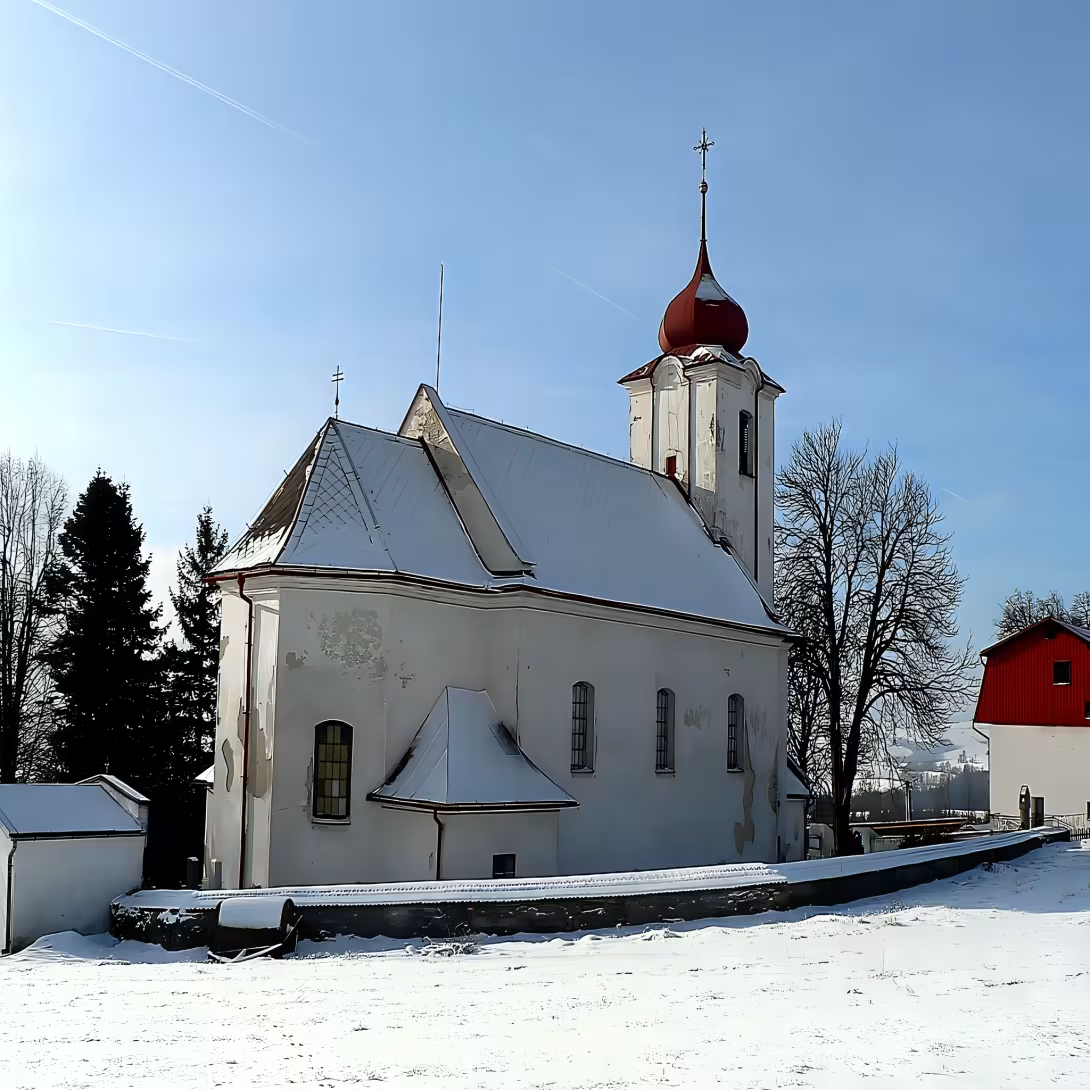
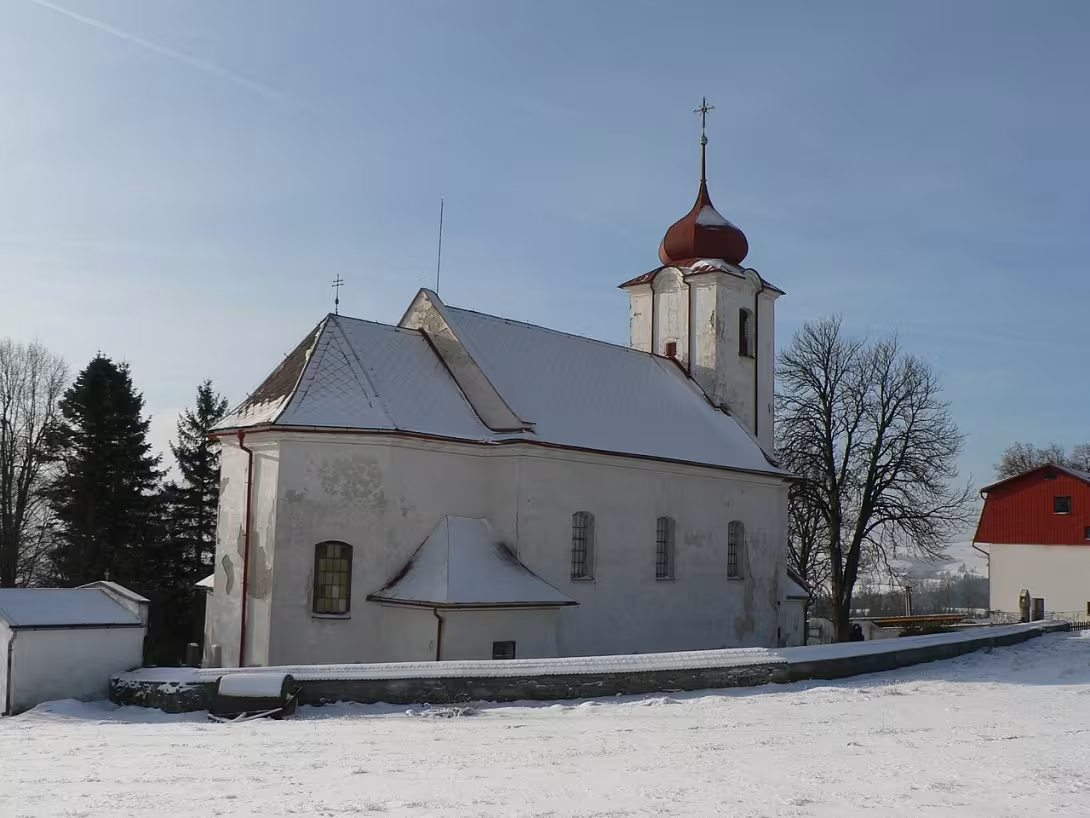
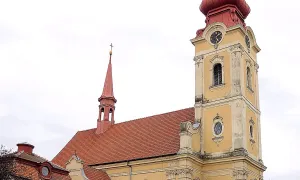
The Church of the Nativity of the Virgin Mary in Vojtíškov is a serene, atmospheric late Baroque building from the early 19th century. Situated at an elevation of 630 meters above sea level, it serves as a filial to the Roman Catholic parish of Malá Morava. Its historical significance stems from replacing an earlier wooden chapel used by local Protestants.
Originally, Vojtíškov housed a wooden chapel built by local Protestants in the 16th century. This structure featured a bell with a Czech inscription, cast by master Eliáš in Hradec Králové and hung in its tower in 1592. After serving Protestant congregations, it was adapted for Catholic services post-1625. By the early 19th century, it had fallen into disrepair, leading to the construction of a new stone church between 1807 and 1809 on land donated by a local farmer.
The current Church is characterized by its late Baroque style, featuring a single nave with a prominent tower and an odsazený presbytář (recessed chancel) that concludes in three sides. The architecture includes a věž (tower) with an obdélníková předsíň (rectangular vestibule), serving as the main entrance. A portál on this tower bears an inscription from 1809, marking its completion and naming its builder, kníže Jan I. z Lichtenštejna.
The interior is predominantly classical in style, with a valené zaklenutí (vaulted ceiling) adorned with výsečemi (groin vaults) and lunetovým závěrem (lunette closure) in the presbytery. The nave features a flat strop (ceiling), while a hudební kruchta (music gallery) housing varhany (pipe organ) is located at its western end. Interior decoration includes an oltářní obraz (altarpiece) depicting Nanebevzetí Panny Marie (Assumption of the Virgin Mary), painted in 1878 by A. Aust.
The church stands surrounded by a stone wall that delineates the cemetery area, with a low mortuary building behind the presbytery and a small bell tower adjacent to the sacristy. During its construction period in the early 19th century, Bohemia was part of the Austrian Empire, experiencing significant cultural and political changes under Habsburg rule.
Today, the Church remains an important religious site and notable landmark within Vojtíškov. Its historical and architectural significance makes it a worthwhile visit for those interested in exploring the region's rich heritage. Visitors are invited to appreciate its serene atmosphere and the craftsmanship evident in its late Baroque design, which continues to stand as a testament to the community's enduring faith and history.
Then and now
Drag the slider to compare how the landmark may have looked when it was built with the view today.
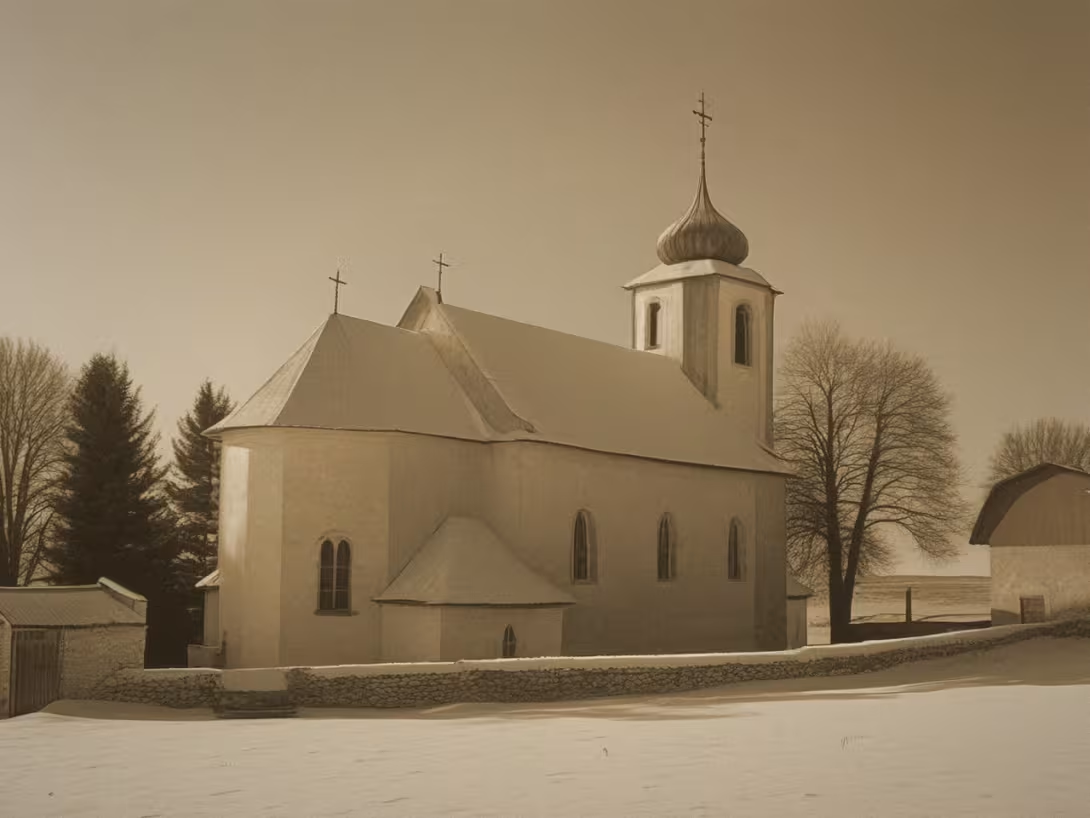
The historical appearance on the left is an AI-generated visualisation and serves as inspiration only.
Historical milestones
- 1809
- The church was completed in 1809, as indicated by the inscription on the portal.
Architectural development
Originally, a wooden chapel built by local Protestants in the 16th century stood on this site. After falling into disrepair and being repurposed for Catholic worship post-1625, it was replaced between 1807 and 1809 with a new stone church. The current structure is characterized by its late Baroque style, featuring a single nave, a prominent tower, and a presbytery with three sides.
Historical events
- 1592
- A bell with a Czech inscription was cast by master Eliáš in Hradec Králové and hung in the tower of the original wooden chapel.
- 1625
- The original chapel was adapted for Catholic services after being used by Protestants.
Owners
Prince Jan I. of Liechtenstein
Points of interest
- The Church of the Nativity of the Virgin Mary replaced a 16th-century wooden chapel that originally served local Protestants, highlighting the religious shifts in Vojtíškov over centuries.
- A bell with a Czech inscription from 1592, cast by master Eliáš in Hradec Králové, was once part of the original wooden chapel's tower before it was replaced by the current stone structure.
- The construction of the new church between 1807 and 1809 was made possible through land donated by a local farmer, reflecting community involvement in preserving religious heritage.
- An inscription on the church's portál from 1809 credits kníže Jan I. z Lichtenštejna as its builder, linking this architectural project to notable historical figures of the time.
- The altarpiece depicting Nanebevzetí Panny Marie was painted in 1878 by A. Aust, adding a layer of artistic history that contributes to the church's cultural significance beyond its architectural features.
Guide
This guide is narrated by a synthetic voice generated by artificial intelligence.
Show guide text
This text was created by artificial intelligence and has not been editorially reviewed. It may contain inaccuracies.
The Church of the Birth of the Virgin Mary stands in the middle of the village of Vojtíškov at an altitude of 630 meters. It is a late baroque building from the beginning of the 19th century and serves as a branch church of the Roman Catholic parish of Malá Morava.
Its predecessor was a wooden prayer house built by local protestants in the 16th century. A bell with a Czech inscription hung in its tower. It was cast by master Eliáš in Hradec Králové in the year 1592. After 1625, the prayer house was adapted for Catholic worship. When it fell into disrepair, a new brick church was built nearby. Construction took place between 1807 and 1809 on land donated by a local farmer. According to the inscription on the portal, the church was commissioned by Prince Jan First of Liechtenstein.
The church is surrounded by a stone wall that marks the boundary of the cemetery. Behind the chancel stands a low building of a mortuary. The church itself is single-nave, with a prominent tower and an offset chancel which ends in three sides. On the northern side of the chancel is a storage room, and a similar quadrangular sacristy adjoins the southern wall.
The tower stands on the axis of the western facade. It contains a rectangular vestibule through which one enters the church. The stone portal bears an engraved date of 1809, the name of the builder and other initials.
The presbytery has a barrel vault with lunettes and a lunette closure, the nave is covered by a flat ceiling. In the western part of the nave is a music gallery with an organ. The church furnishings are largely neoclassical in style. The main altar painting depicts the Assumption of the Virgin Mary. It was painted in 1878 by the painter Aust.
Tips for visitors
The best time to visit the Church of the Nativity of the Virgin Mary in Vojtíškov is during late spring or early autumn when the weather is mild, and the surrounding landscape is lush with greenery. This period offers a serene atmosphere that complements the tranquil ambiance of the church. Additionally, visiting outside peak tourist seasons ensures a more peaceful experience, allowing you to fully appreciate the architectural details without crowds.
The church can be accessed by both private vehicles and public transport.
When planning your visit, consider bringing comfortable walking shoes, especially if you plan to explore the surrounding cemetery area enclosed by the stone wall. A camera with a zoom lens can be beneficial for capturing details of the church's late Baroque architecture and its classical interior. Additionally, carrying a light jacket or sweater is recommended as temperatures can vary, particularly in the early morning or evening.
Photography enthusiasts will find several spots around the church ideal for capturing stunning images. The best lighting conditions are typically during the golden hours—shortly after sunrise or before sunset—when the natural light enhances the architectural features and creates a warm glow. The bell tower adjacent to the sacristy offers an elevated perspective, while the low mortuary building behind the presbytery provides interesting angles for more unique shots.
For families with children visiting the church, consider planning additional activities nearby within a 30-minute drive. Exploring the local cemetery area can be educational and engaging for older children interested in history or architecture. The serene environment is perfect for a leisurely walk, allowing the family to enjoy nature while discussing historical aspects of the site. Ensure that younger children are supervised in these areas for safety.
Frequently asked questions
Can the monument be visited?
Religious buildings are usually open mainly during services; at other times a visit is normally arranged with the parish or the operator. We have not verified specific times.
Where is the monument?
Location: Vojtíškov, Olomoucký kraj. The map on this page shows the exact spot.
Businesses nearby
Do you run a restaurant, accommodation, shop, museum, rental, wellness or other visitor service near this monument? Show yourself directly to the people heading to it — this is how they will see you in the app and on the web:
Nearby
The church is surrounded by a stone wall that delineates the cemetery area. Nearby features include a low mortuary building behind the presbytery and a small bell tower adjacent to the sacristy.
Accommodation nearby
Themed route
Trasa Vojtíškov
1. Kostel Narození Panny Marie (Vojtíškov), historical church, is worth visiting for its unique architecture and history dating back to the 18th century. 2. Mortuary, a low building behind the presbytery, is worth visiting for its unique architecture and as a place where occasional events are held. 3. Bell tower, a small bell tower next to the sacristy, is worth visiting for its unique architecture and as the location of a bell that resonates with beautiful music. 4. Cemetery wall, stone wall surrounding the cemetery, is worth visiting for its unique architecture and as a place where many historical gravestones are located.
Seasonal recommendations
Jaro Spring is the ideal time to visit the Church of the Nativity of the Virgin Mary in Vojtíškov. The atmosphere is full of life and fertility, as if the church has awakened from its winter slumber. Open windows and doors allow fresh air and sounds of nature to permeate. Practical tips: Visit the church in the morning or early afternoon to avoid tourist crowds. Don't forget comfortable walking shoes and clothing for a pleasant stroll around the area.
Léto Summer brings long days and warm weather, perfect for exploring the Church of the Nativity of the Virgin Mary in Vojtíškov. The church is beautifully lit, with sunlight highlighting its architectural details. Practical tips: Arrive early to avoid crowds of tourists, and don't forget an umbrella in case of unexpected rain.
Podzim The autumn season brings a wonderful atmosphere at the Church of the Nativity of the Virgin Mary in Vojtíškov. The lighting is soft and warm, as if the church has intensified its colors. Practical tips: Visit the church in the late afternoon to avoid crowds and enjoy the romantic ambiance.
Zima Winter is a time for peace and quiet, but also for the beauty of snow and crisp air. The Church of the Nativity of the Virgin Mary in Vojtíškov becomes even more spiritually and mystically impressive during winter. Don't forget walking boots and warm clothing to stay comfortable.
Visualizations and artistic views


The visualisations are generated by artificial intelligence and serve as inspiration.
Photos from the area
Real photos taken near the monument


Zdroj a licence jsou uvedeny u každého snímku.
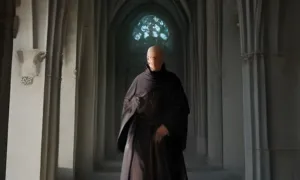
Atmosphere of the place
This atmospheric visualisation of the place and period was generated by artificial intelligence. It is not real footage of the location.
Tips from visitors
No tips yet. Be the first!
Log in and add your tip.
Sources and literature
Photos: Martin Vavřík / Public domain, rozlišení zvýšeno umělou inteligencí — Wikimedia Commons. The author and licence also appear when you hover over the image.
Faktickým podkladem tohoto textu byl článek na Wikipedii, jehož autory jsou přispěvatelé Wikipedie. Článek je dostupný pod licencí CC BY-SA 4.0.
Location on the map
Příběhy a pověsti
Legendy, pověsti a příběhy spjaté s touto památkou
Fotografie návštěvníků
Zatím žádné fotografie. Buďte první, kdo přidá fotografii z návštěvy!
Log in a přidejte svou fotografii nebo hodnoťte.
Za ověřenou návštěvu v aplikaci získáte víc bodů — poznáme podle GPS, že jste na místě.
Reviews and comments