






kostel Nejsvětější Trojice (Bystřice nad Pernštejnem) Church
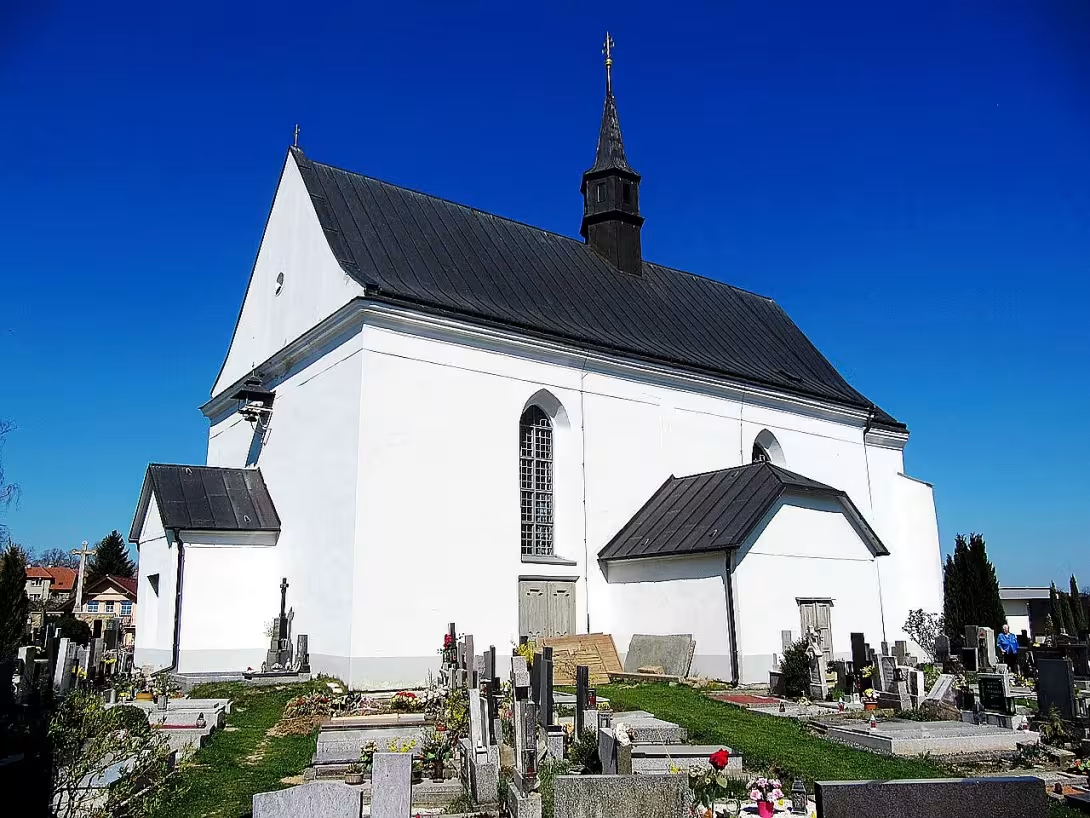
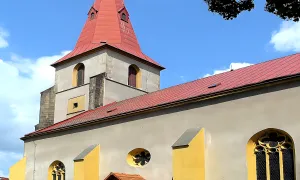
The Church of the Holy Trinity in Bystřice nad Pernštejnem is an outstanding example of late Gothic architecture with significant Baroque influences. Completed in 1615, it is located in the Vysočina region and features a single nave, pentagonal chancel, saddle roof, and six-sided sacristy. Since its completion, it has been protected as a cultural monument due to its historical and architectural importance.
Originally built during early 17th-century religious tensions in Bohemia, the church served the local Lutheran community under Jan Čejka z Olbramovic's patronage. This period was marked by political and social upheaval across Europe, leading up to the Thirty Years' War, which impacted local architecture and religious practices. After this conflict, non-Catholics were expelled, and the church transitioned to Roman Catholic use.
Architecturally, it began as a late Gothic structure with a flat timber roof over its chancel. In 1735, Arnošt Matyáš Mitrovský z Nemyšle led substantial Baroque renovations, adding a new vaulted ceiling and constructing a family crypt. The interior was enhanced in the 18th century with three altars, later updated in 1903.
Ownership shifted from Jan Čejka z Olbramovic in the early 17th century to Arnošt Matyáš Mitrovský z Nemyšle by 1731. Both owners significantly influenced its architectural evolution and religious transformation. The church's history includes intriguing elements, such as a bell weighing one hundred kilograms known as 'Boží', dating from around 1600, and a non-readable marble tombstone with a carpenters' guild symbol found in the late 19th century.
Today, the Church of the Holy Trinity is accessible to visitors, surrounded by a cemetery along Novoměstská Street. Its rich history and architectural beauty make it an attractive destination for those exploring Vysočina's cultural heritage. The church offers insights into its era's religious transformations and stands as a preserved example of historical architecture that continues to captivate with its storied past.
Then and now
Drag the slider to compare how the landmark may have looked when it was built with the view today.
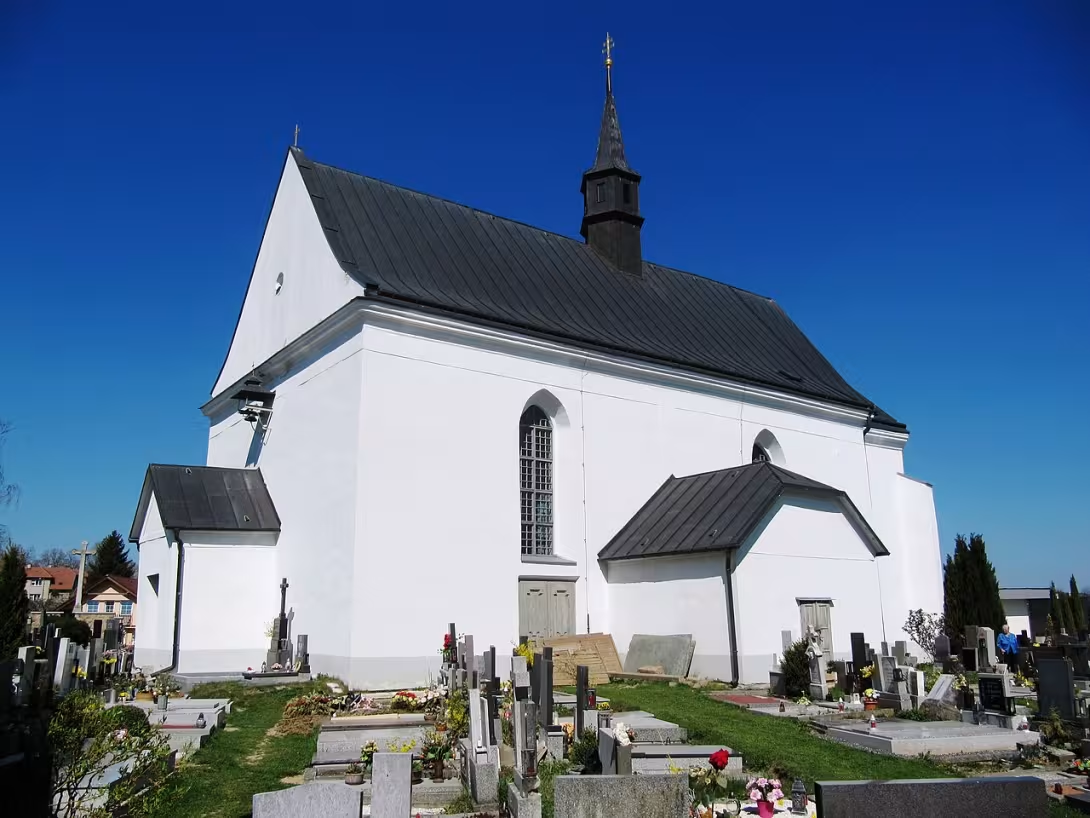
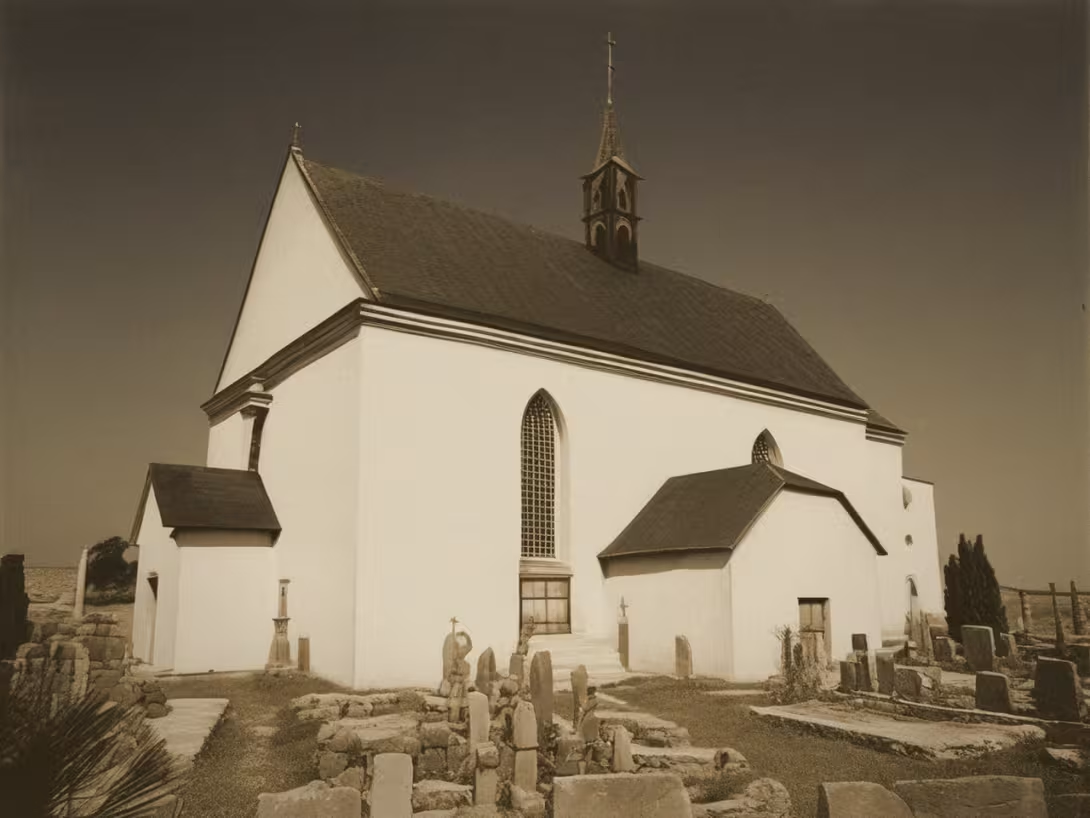
The historical appearance on the left is an AI-generated visualisation and serves as inspiration only.
Historical milestones
- 1615
- Completion of the church as a Lutheran place of worship.
- 1735
- Baroque modifications including a new vaulted ceiling and family crypt construction.
Architectural development
The Church of the Holy Trinity was initially constructed in a late Gothic style with a flat timber roof over the chancel. In 1735, it underwent significant baroque renovations, including the addition of a vaulted ceiling and a family crypt for Arnošt Matyáš Mitrovský z Nemyšle. The church's interior features three altars added in the 18th century, with their current form dating back to 1903.
Historical events
- 1615
- Completion of the church, originally for Lutheran worship.
- 1735
- Significant baroque modifications including a new vaulted ceiling and family crypt construction.
Points of interest
- The Church of the Holy Trinity originally served as a Lutheran place of worship during a time of significant religious tension in Bohemia, reflecting the region's complex interplay between different faiths before being repurposed for Roman Catholic use.
- A mysterious non-readable marble tombstone bearing the symbol of the carpenters' guild was discovered within the church grounds in the late 19th century, adding an enigmatic layer to its historical narrative.
- The bell known as 'Boží', weighing one hundred kilograms and dating from around 1600, is a remarkable feature of the Church of the Holy Trinity, symbolizing both its age and the craftsmanship of the period.
- Arnošt Matyáš Mitrovský z Nemyšle was responsible for significant Baroque renovations in 1735, which included adding a new vaulted ceiling and constructing a family crypt, marking a pivotal transformation in the church's architectural history.
- The transition from Gothic to Baroque architecture within the Church of the Holy Trinity illustrates broader European trends during its time, as it adapted to changing artistic influences while retaining elements of its original design.
Guide
This guide is narrated by a synthetic voice generated by artificial intelligence.
Show guide text
This text was created by artificial intelligence and has not been editorially reviewed. It may contain inaccuracies.
Welcome to the Church of the Holy Trinity in Bystřice nad Pernštejnem, a remarkable testament to the region's rich history and architectural evolution. As you stand before this late Gothic building, take a moment to absorb its serene presence. The church’s single-nave structure rises gracefully with a distinctive pentagonal chancel, capped by a saddle roof that speaks of both function and form. To one side, you'll notice a six-sided sacristy adding to the architectural intrigue.
The Church of the Holy Trinity was completed in 1615 as a Lutheran place of worship during a time when Bohemia was a mosaic of religious beliefs and tensions. It reflects an era where faiths intersected and diverged, embodying the complex interplay between different communities before it transitioned to Roman Catholic use following the expulsion of non-Catholics.
As you explore further, pay attention to the church’s architectural nuances that have survived through centuries. The building's design is a testament to its Gothic origins, with subtle modifications over time adding layers to its story. In 1735, Baroque influences were introduced, including a new vaulted ceiling and the construction of a family crypt, which added an element of grandeur and mystery.
This church has been home to significant historical figures such as Jan Čejka z Olbramovic and Arnošt Matyáš Mitrovský z Nemyšle. These individuals played pivotal roles in shaping not just the religious landscape but also the socio-political fabric of the region during their time.
Now, let your curiosity lead you to one of the church's intriguing mysteries—a mysterious non-readable marble tombstone that has puzzled historians and visitors alike for years. Its enigmatic presence invites speculation about its origins and the stories it might hold.
As we conclude our brief journey through this historic site, I invite you to continue exploring its surroundings and imagine the countless footsteps that have graced these grounds over the centuries. Thank you for joining me today, and may your visit inspire a deeper appreciation of Bystřice nad Pernštejnem's enduring heritage. Safe travels as you continue discovering more hidden gems in this fascinating region.
Frequently asked questions
Can the monument be visited?
Religious buildings are usually open mainly during services; at other times a visit is normally arranged with the parish or the operator. We have not verified specific times.
Where is the monument?
Location: Novoměstská 995, Bystřice nad Pernštejnem, Kraj Vysočina. The map on this page shows the exact spot.
Why is the monument protected?
It is listed in the Central List of Cultural Monuments of the Czech Republic as a cultural monument (register no. 26610/7-3976).
Businesses nearby
Do you run a restaurant, accommodation, shop, museum, rental, wellness or other visitor service near this monument? Show yourself directly to the people heading to it — this is how they will see you in the app and on the web:
Nearby
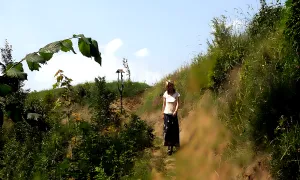
Surrounding the Church of the Holy Trinity is a cemetery located along Novoměstská Street. The area features natural landscapes typical of the Vysočina region, including rolling hills and forests.
Accommodation nearby
Themed route
Tematická výletní trasa: Kostel Nejsvětější Trojice a okolí
1. Kostel Nejsvětější Trojice (Bystřice nad Pernštejnem)
Typ: Náboženský
Proč stojí za návštěvu: Tento barokní kostel je centrem duchovního života v Bystřici nad Pernštejnem. Jeho architektura a historické interiéry nabízejí pohled na bohatou kulturní minulost obce.
2. Hřbitov u kostela Nejsvětější Trojice
Typ: Historický/Tradiční
Proč stojí za návštěvu: Hřbitov, nacházející se podél Novoměstské ulice, je klidným místem plným historie. Zajímavostí jsou starobylé hroby a památníky, které připomínají generace obyvatel Bystřice nad Pernštejnem.
3. Lesní procházka z okolí kostela
Typ: Přírodní
Proč stojí za návštěvu: Okolo kostela se rozprostírají lesy a pahorkatiny, které jsou typickými rysy kraje Vysočina. Krátká procházka nabízí příležitost k relaxaci a užívání si klidné přírodní krásy.
4. Nádvoří kostela Nejsvětější Trojice
Typ: Kulturní/Architektonický
Proč stojí za návštěvu: Nádvoří představuje klidné místo, kde se můžete uvolnit a prohlédnout si architekturu kostela z jiného úhlu. Je to ideální místo pro krátkou pauzu během výletu.
Tato trasa nabízí kombinaci kulturních, historických i přírodních atrakcí, které společně tvoří bohatý obraz místního života a krajiny.
Seasonal recommendations
Spring: Visiting the Church of the Holy Trinity during spring offers a unique experience as nature begins to awaken around Bystřice nad Pernštejnem. The surrounding landscape is adorned with blooming flowers and lush greenery, creating a vibrant backdrop that enhances the church's historical charm. Soft morning light filters through stained glass windows, casting colorful patterns inside the sanctuary. To fully appreciate this natural beauty, it’s advisable to visit early in the day when the lighting is most enchanting. While crowds are generally manageable during this season, wearing comfortable walking shoes and layers can help you navigate comfortably as temperatures may vary.
Summer: The summer months bring a lively atmosphere to the Church of the Holy Trinity, with long daylight hours offering ample time for exploration. This period often sees increased visitor numbers due to its appeal in the peak tourist season. To avoid the largest crowds, consider visiting early in the morning or later in the afternoon. Dressing in light, breathable clothing is recommended to stay comfortable in the warm weather. The surrounding Vysočina region offers plenty of outdoor activities and scenic views, making it a perfect time for those looking to combine their visit with nature walks.
Autumn: Autumn at the Church of the Holy Trinity is marked by a stunning display of fall foliage, painting the landscape in vibrant shades of red, orange, and yellow. This season provides a serene atmosphere as fewer tourists venture out compared to summer. The cooler temperatures make it ideal for leisurely strolls around the church grounds. Visitors should dress warmly in layers to accommodate fluctuating temperatures throughout the day. The soft autumn light creates a cozy ambiance inside the church, perfect for appreciating its architectural details.
Winter: Winter transforms the Church of the Holy Trinity into a picturesque scene with snow-covered surroundings and a quiet atmosphere that invites reflection. It's essential to dress warmly in layers and wear sturdy boots for navigating potentially icy paths. The church’s interior provides warmth and shelter from the cold outside, making it an ideal spot for enjoying a quiet moment surrounded by historical beauty during the colder months.
Visualizations and artistic views


The visualisations are generated by artificial intelligence and serve as inspiration.
Photos from the area
Real photos taken near the monument


Zdroj a licence jsou uvedeny u každého snímku.
Tips from visitors
No tips yet. Be the first!
Log in and add your tip.
Sources and literature
Photos: Palickap / CC BY-SA 4.0 — Wikimedia Commons. The author and licence also appear when you hover over the image.
Faktickým podkladem tohoto textu byl článek na Wikipedii, jehož autory jsou přispěvatelé Wikipedie. Článek je dostupný pod licencí CC BY-SA 4.0.
Location on the map

Příběhy a pověsti
Legendy, pověsti a příběhy spjaté s touto památkou

Fotografie návštěvníků
Zatím žádné fotografie. Buďte první, kdo přidá fotografii z návštěvy!
Log in a přidejte svou fotografii nebo hodnoťte.
Za ověřenou návštěvu v aplikaci získáte víc bodů — poznáme podle GPS, že jste na místě.
Reviews and comments