






Kostel Nejsvětější Trojice (Děčín XIV-Dolní Žleb) Church
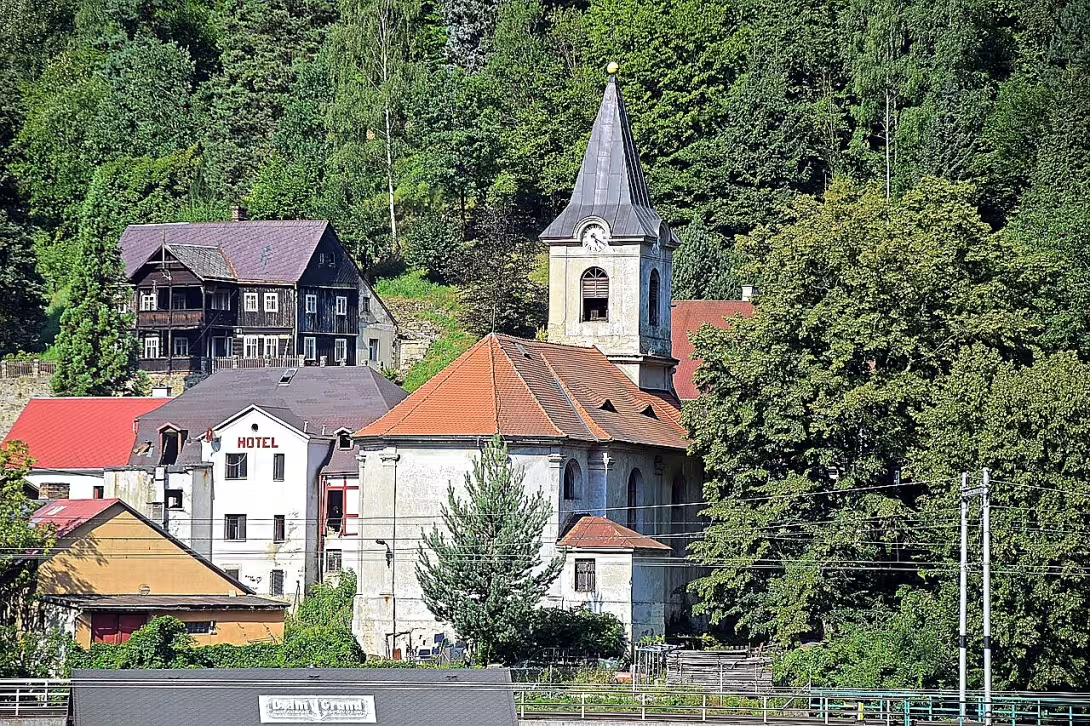
The Church of the Holy Trinity in Dolní Žleb is a late Baroque sacred building with Classical elements, nestled within the rocky Labe canyon. Located in the northernmost part of Děčín XIV-Dolní Žleb on the left bank of the Elbe River, this church stands as one of the most prominent structures in the Czech Republic. Designated as a cultural monument, it serves not only as an architectural highlight but also as a testament to the region's historical and cultural heritage.
The origins of the Church of the Holy Trinity date back to 1747 when the original wooden church was replaced by the current structure. This period marked significant architectural developments across Europe under the Habsburg Monarchy, with Baroque and Classical styles being prominent. The church underwent modifications until its consecration in 1831, reflecting the cultural flourishing experienced during Empress Maria Theresa's reign.
Architecturally, the Church of the Holy Trinity features a single-nave rectangular layout with a narrower three-sided presbytery. Its design incorporates both Baroque and Classical elements, evident in the hipped roof of the tower, pilasters on the façade, and segmented arches. The western façade is divided into three sections, adorned with pilasters and a right-angled portal topped by a triangular pediment. The interior boasts a vaulted ceiling with lunettes, while the presbytery is covered by a large conch with two side lunettes. These architectural details highlight the church's historical significance and artistic value.
Throughout its history, the Church of the Holy Trinity has experienced various fortunes. Following World War II, it fell into disrepair after the expulsion of German-speaking residents in 1945. During the communist era in Czechoslovakia, only essential repairs were conducted, leading to further deterioration. It wasn't until the early 21st century that local civic groups began efforts to restore and preserve this cultural monument.
Today, the Church of the Holy Trinity stands as a testament to resilience and historical significance. Its restoration has ensured its accessibility to visitors who can appreciate its architectural beauty and serene setting within the Labe canyon. The church's interior features a 19th-century main altar with a neo-Rococo style painting, Rococo images on side panels, and an 18th-century late Baroque pulpit. A baptismal font adorned with a Baroque sculpture depicting Christ's Baptism adds to its artistic richness.
Visiting the Church of the Holy Trinity offers a unique opportunity to explore a piece of Czech history set against a picturesque natural backdrop. Its architectural elegance, combined with its historical narrative, makes it a worthwhile destination for those interested in cultural and religious heritage. The church not only stands as a monument to past eras but also invites contemporary visitors to reflect on the enduring legacy of art and architecture.
Then and now
Drag the slider to compare how the landmark may have looked when it was built with the view today.
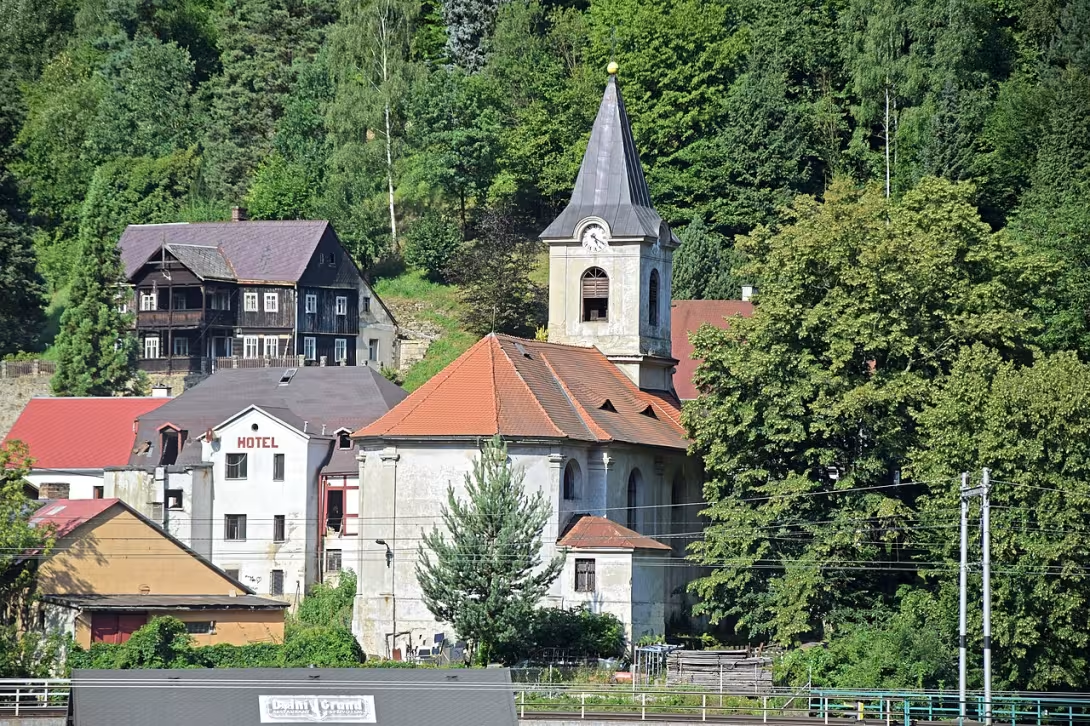
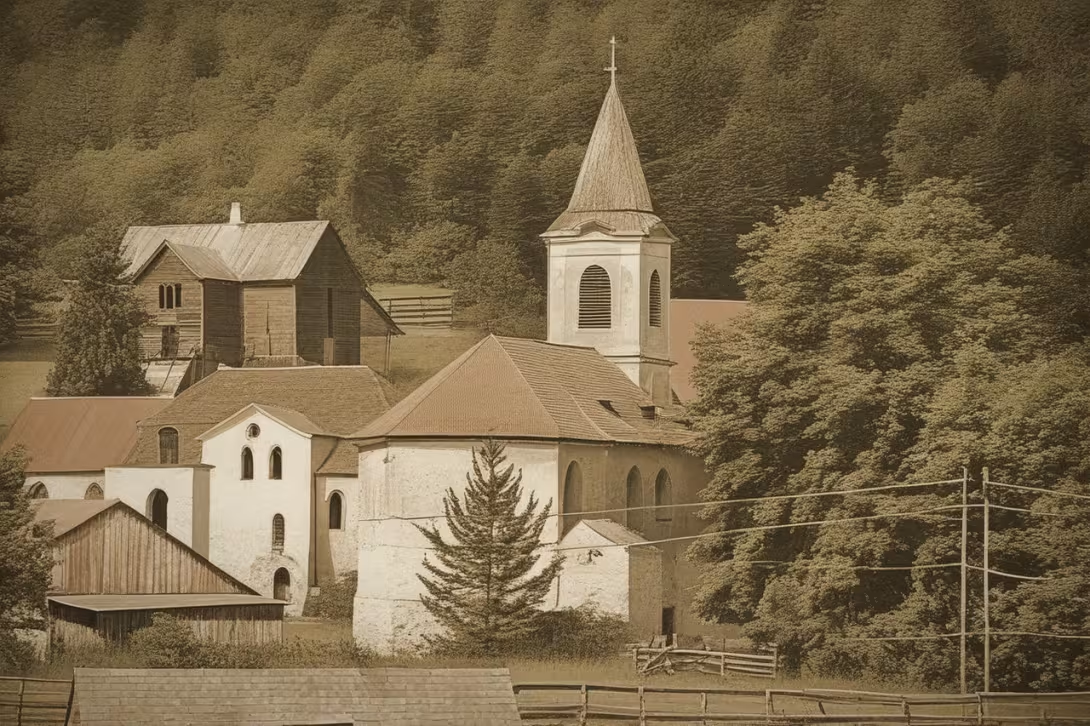
The historical appearance on the left is an AI-generated visualisation and serves as inspiration only.
Historical milestones
- 1747
- The Church of the Holy Trinity was founded, replacing the original wooden church.
- 1831
- The church was consecrated after several renovations.
- 1945
- After World War II, the church began to deteriorate following the expulsion of German-speaking inhabitants.
- 20th century, communist regime
- During communism, only basic repairs were carried out.
- beginning of the 21st century
- Local civic groups began efforts to restore and protect the monument.
Architectural development
The Church of the Holy Trinity features a single-nave rectangular layout with a narrower three-sided presbytery. It underwent several modifications from its construction in 1747 until its consecration in 1831, incorporating Baroque and Classical architectural elements.
Historical events
The original wooden church was replaced by the current structure in 1747, which underwent modifications until 1831 when it was consecrated.
Post-World War II, the church fell into disrepair following the expulsion of German-speaking residents in 1945.
Points of interest
- The Church of the Holy Trinity's initial wooden structure was replaced in 1747 during a period when architectural styles were evolving under the Habsburg Monarchy, reflecting broader European trends.
- Despite its significant cultural value, the church fell into disrepair after World War II due to the expulsion of German-speaking residents and minimal repairs during the communist era, highlighting the impact of political changes on historical sites.
- The restoration efforts in the early 21st century were driven by local civic groups, showcasing community involvement in preserving cultural heritage against a backdrop of previous neglect.
- Within its interior, the church houses a neo-Rococo style main altar from the 19th century and an 18th-century late Baroque pulpit, illustrating a blend of artistic styles that span different periods.
- The baptismal font features a unique Baroque sculpture depicting Christ's Baptism, adding to the church’s artistic richness and providing insight into religious artistry of its time.
Guide
This guide is narrated by a synthetic voice generated by artificial intelligence.
Show guide text
This text was created by artificial intelligence and has not been editorially reviewed. It may contain inaccuracies.
Welcome to the Church of the Holy Trinity in Dolní Žleb, a hidden gem nestled within the dramatic Labe canyon. As you stand here on this serene spot along the left bank of the Elbe River, take a moment to absorb the breathtaking scenery that surrounds you. The church, with its late Baroque architecture infused with Classical elements, stands as one of the northernmost prominent structures in the Czech Republic.
Let's delve into its history. In 1747, this sacred site was born out of necessity when it replaced an earlier wooden structure. This period marked a time of architectural evolution under the Habsburg Monarchy, reflecting broader European trends. The church underwent significant changes and was finally consecrated in 1831 after several modifications.
As you look around, notice how the late Baroque style is evident in the intricate details that grace its façade. Although specific architects remain unknown, their work has stood the test of time, creating an architectural highlight in this picturesque location. The church's resilience through history is remarkable—after World War II, it faced neglect and disrepair following the departure of German-speaking residents. During the communist era, only essential repairs were made, but at the dawn of the 21st century, local citizen groups began efforts to restore and protect this cultural monument.
While we don't have records of specific historical figures associated with its creation, the church's story is intertwined with the broader narrative of regional history and community spirit. Its journey from a wooden structure to a cherished landmark speaks volumes about resilience and dedication.
Here’s an intriguing tidbit: the initial wooden church was replaced during a time when architectural styles were evolving significantly across Europe. This transformation reflects not just local but also continental shifts in design philosophies.
As you continue your exploration, feel free to wander around this serene site, taking in its beauty and imagining the lives of those who have walked these paths before you. We invite you to delve deeper into its history and discover more about this remarkable place. Thank you for visiting the Church of the Holy Trinity—may it leave a lasting impression on your journey through Dolní Žleb.
Tips for visitors
The best time to visit the Church of the Holy Trinity in Dolní Žleb is during late spring or early autumn when the weather is mild, making it ideal for exploring both the church and its scenic surroundings. During these months, you can enjoy pleasant temperatures while taking advantage of the vibrant natural landscape that enhances the picturesque setting of the church nestled within the Labe canyon.
Parking and transportation options are convenient for visitors to Dolní Žleb. The area is accessible by car, with parking available nearby, though it's advisable to check in advance for any restrictions or availability issues. Public transport can also be used to reach this location; however, specific routes should be verified using a transit search tool prior to your visit to ensure a smooth journey.
When planning your visit, consider bringing comfortable walking shoes and weather-appropriate clothing, as you may want to explore the surrounding natural landscape of the Labe canyon. A camera is also recommended to capture the stunning views of the Elbe River and the unique rock formations that frame the church. Additionally, carrying a light jacket or umbrella could be beneficial due to changing weather conditions.
For photography enthusiasts, some of the best spots around the Church of the Holy Trinity include areas where you can capture both the architecture of the church and its natural surroundings. Early morning or late afternoon light provides soft illumination that enhances the textures of the rock formations and the church's Baroque features. Be mindful of lighting conditions to make the most of your photography experience.
Nearby attractions within a 30-minute drive include other scenic spots along the Elbe River, offering opportunities for further exploration of the region’s natural beauty. These areas provide additional picturesque landscapes that complement the setting of Dolní Žleb and are ideal for extending your visit with more outdoor activities or sightseeing.
For families with children, visiting the Church of the Holy Trinity can be a delightful experience. The surrounding area offers plenty of space for kids to explore safely while enjoying the natural environment. Consider planning some time for leisurely walks along the riverbank or through the canyon, where children can appreciate the unique rock formations and perhaps even spot local wildlife.
Businesses nearby
Do you run a restaurant, accommodation, shop, museum, rental, wellness or other visitor service near this monument? Show yourself directly to the people heading to it — this is how they will see you in the app and on the web:
Events nearby

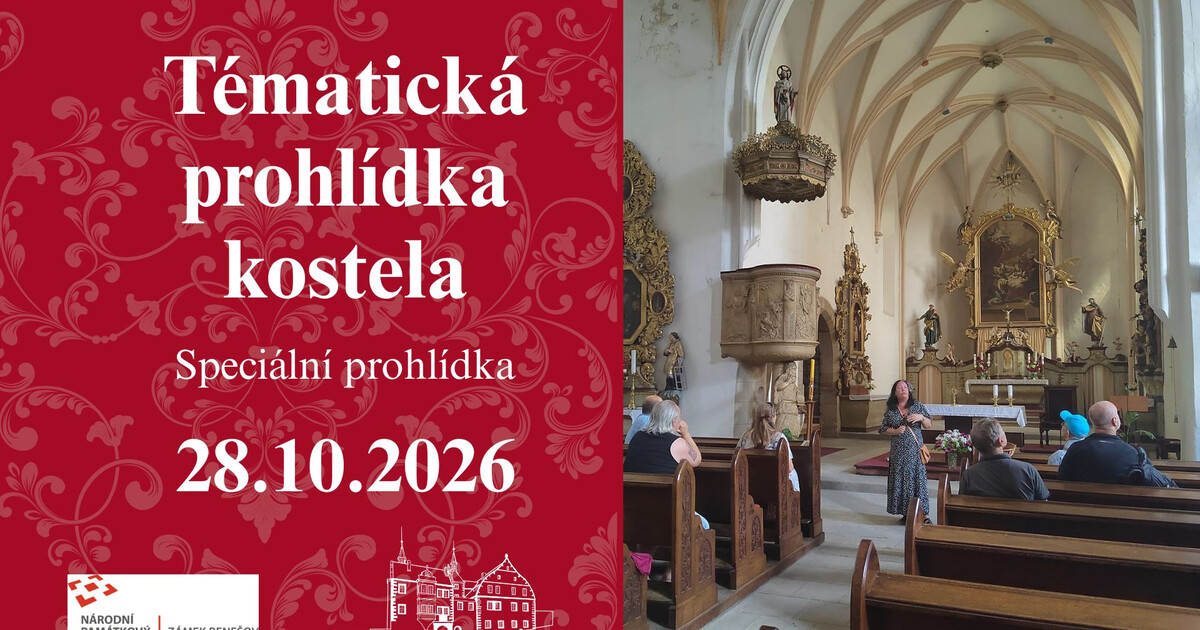

Zdroj akcí: otevřená data měst a obcí ČR (Národní katalog otevřených dat) a kalendář akcí Národního památkového ústavu.
Nearby
Located within a scenic Labe canyon, the church is surrounded by natural rock formations and offers views of the Elbe River. The area's landscape contributes significantly to the church’s picturesque setting.
Accommodation nearby
Trips and activities nearby
Guided tours, tickets and activities nearby from GetYourGuide
Affiliate link: if you buy from the partner, we may receive a commission. The price for you does not change.
Search tours and activities →Themed route
Thematic Walking Tour: The Church of the Holy Trinity and Surroundings
1. Kostel Nejsvětější Trojice (Church of the Holy Trinity) - Type: Religious Site - Why Visit: This stunning church, nestled within a scenic Labe canyon, is renowned for its architectural beauty and serene atmosphere. Surrounded by natural rock formations, it offers breathtaking views of the Elbe River, making it an ideal starting point for your exploration.
2. Natural Rock Formations - Type: Natural Landmark - Why Visit: Just a short walk from the church, these captivating rock formations contribute to the picturesque setting of the area. They offer excellent photo opportunities and provide insight into the geological history that has shaped this unique landscape.
3. Labe Canyon Views - Type: Scenic Viewpoint - Why Visit: As you continue your walk, take time to enjoy panoramic views of the Labe canyon from various vantage points near the church. The interplay between nature and architecture is particularly striking here, offering a peaceful retreat with stunning vistas of the Elbe River.
4. Elbe River Promenade - Type: Walking Path - Why Visit: Follow the path along the banks of the Elbe River for an immersive experience in nature. This promenade is perfect for a leisurely stroll, allowing you to appreciate the tranquil beauty and soundscape of the river flowing through the canyon.
5. Return to Kostel Nejsvětější Trojice - Type: Religious Site - Why Visit: Conclude your tour by revisiting the Church of the Holy Trinity, perhaps spending more time exploring its interior or simply reflecting on the natural beauty and spiritual ambiance you've experienced throughout your journey.
Seasonal recommendations
Spring: Visiting the Church of the Holy Trinity during spring offers a unique experience as nature awakens around Dolní Žleb. The blooming flowers and fresh greenery create a picturesque setting, enhancing the church's historic charm with vibrant colors and gentle breezes. This season is ideal for photography enthusiasts who wish to capture the harmony between architecture and nature. Visitors should dress in layers, as temperatures can vary throughout the day. While crowds are generally manageable, arriving early in the morning can provide a serene atmosphere before more tourists arrive.
Summer: The summer months bring long daylight hours and warm weather, making it perfect for exploring the Church of the Holy Trinity. The lush surroundings are at their peak with verdant landscapes that complement the historical architecture. This is also the high tourist season, so visitors should plan to arrive early in the day to avoid larger crowds. Comfortable walking shoes and light clothing are recommended due to the warmer temperatures. Despite the influx of tourists, summer offers a lively atmosphere with plenty of opportunities for outdoor activities nearby.
Autumn: Autumn transforms Dolní Žleb into a stunning tapestry of reds, oranges, and yellows as the leaves change color around the Church of the Holy Trinity. The cooler weather makes it an ideal time to stroll through the area without the summer heat. The atmosphere is often quieter compared to other seasons, allowing for a more contemplative visit. Visitors should dress warmly in layers to accommodate fluctuating temperatures throughout the day and consider bringing an umbrella as autumn can bring unpredictable rain showers.
Winter: Winter offers a magical experience at the Church of the Holy Trinity, with snow-covered landscapes providing a serene backdrop that enhances its historic beauty. The shorter daylight hours mean visiting early is advisable to make the most of your time. While the church remains open, some nearby attractions may have limited access due to weather conditions. Visitors should dress in warm layers and wear waterproof boots for comfort during their visit. Despite fewer tourists compared to other seasons, winter's charm lies in its quiet beauty and peaceful atmosphere.
Visualizations and artistic views


The visualisations are generated by artificial intelligence and serve as inspiration.
Photos from the area
Real photos taken near the monument

Zdroj a licence jsou uvedeny u každého snímku.
Tips from visitors
No tips yet. Be the first!
Log in and add your tip.
Sources and literature
Fotografie: Jan Kameníček / CC BY-SA 4.0 — Wikimedia Commons. The author and licence also appear when you hover over the image.
Faktickým podkladem tohoto textu byl článek na Wikipedii, jehož autory jsou přispěvatelé Wikipedie. Článek je dostupný pod licencí CC BY-SA 4.0.
Location on the map
More monuments – Děčín XIV-Dolní Žleb
Show all in the municipality

Příběhy a pověsti
Legendy, pověsti a příběhy spjaté s touto památkou

Fotografie návštěvníků
Zatím žádné fotografie. Buďte první, kdo přidá fotografii z návštěvy!
Přihlaste se a přidejte svou fotografii nebo hodnoťte.
Za ověřenou návštěvu v aplikaci získáte víc bodů — poznáme podle GPS, že jste na místě.
Reviews and comments