






Kostel Nejsvětější Trojice (Místo) Church
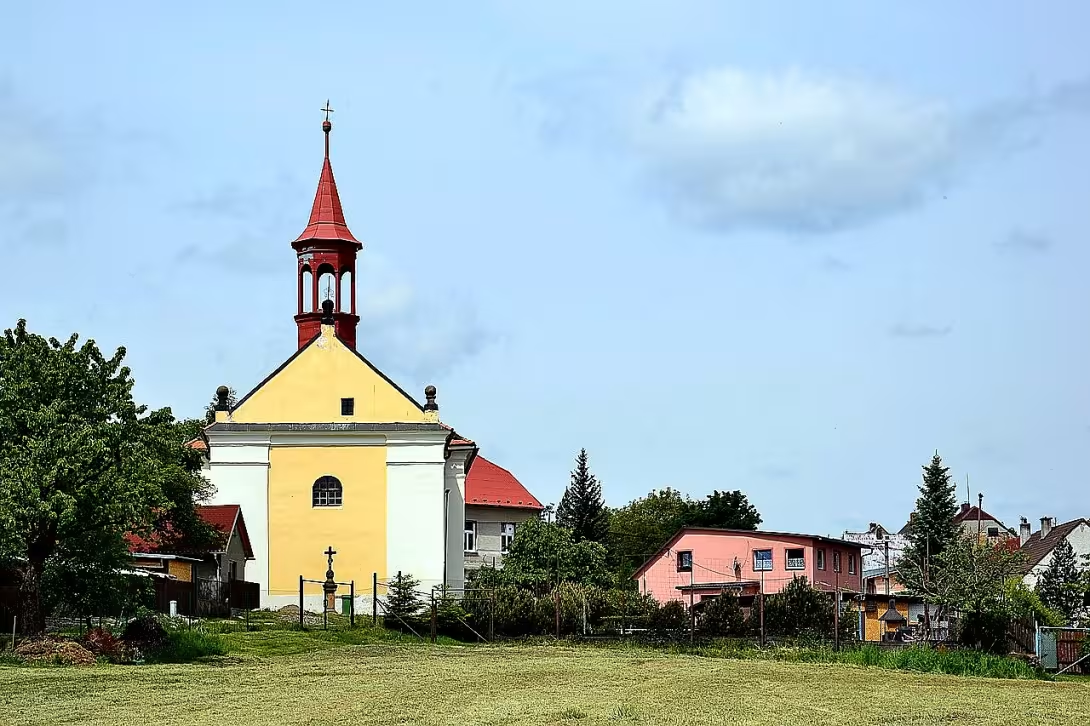
The Church of the Holy Trinity in Místo is an excellent example of Baroque architecture, showing historical significance and artistic elegance. Located in the village Místo in the region Ústecký kraj, it was built between 1691 and 1692 on the southeast edge of the village. Originally replaced the wooden chapel, which had become a previously demolished building, it became a parish church until 1853 after serving as the filial church of St. Peter and Paul in Prunerov. The church, recognized as of cultural significance, has been protected as a monument since 1963.
During the Baroque period, this period was characterised by significant cultural and religious developments throughout Europe, influenced by counter-reform. This movement fueled the flourishing of baroque art and architecture characterized by dramatic speeches and nobility. The Church of the Holy Trinity embodies these properties with its architectural design and artistic features.
It is an architectural structure with a rectangular ground plan supplemented by a rectangular presbytarium. His facades are connected with pilasters that strengthen Baroque aesthetics. Inside, half-circle windows provide lighting, adds to the inner size. A characteristic feature is the polygonal veranda from the mid-eighteenth century, which extends in front of the western facade. Presbytery and western facade end with a gallows, while another sacristy attached to the south side of the presbytery is arched in a way that resembles monastery architecture.
The interior church represents important artistic elements, especially its altar. The main pillar altar from the mid-eighteenth century offers sculptures of James Eberl around 1760, an example of baroque art. In addition, the two late eighteenth century altars are dedicated to St. John and the Virgin Mary, enriched by the church interior with religious iconography.
A baroque column is not far away The Holy Trinity from 1724, originally located in the village square before being moved near the church. In this area, there are several small monuments from villages destroyed due to coal mining in the Mount, including two stone crosses, one of which is protected as a cultural monument.
The Holy Church Today, the threesome remains accessible to visitors interested in its historical and architectural importance. Its preservation as a cultural monument ensures permanent recognition not only for its religious importance, but also as evidence of baroque art and regional history. Visitors are invited to enjoy this remarkable church, which offers a view of the rich Czech cultural tapestries in the Baroque period.
Then and now
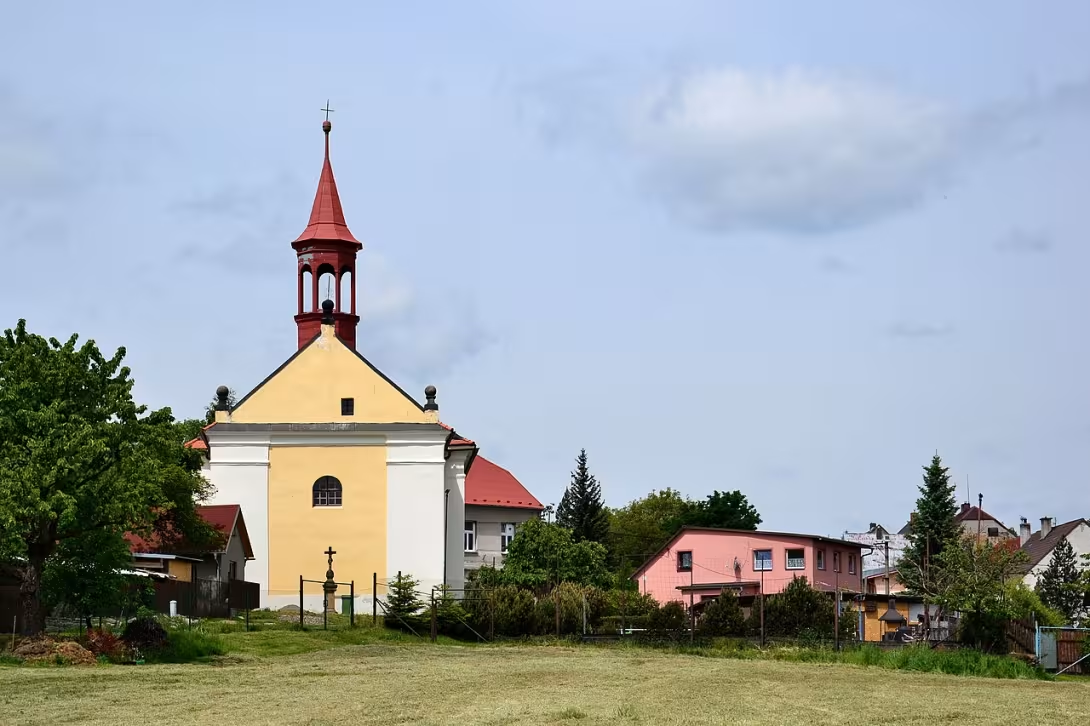
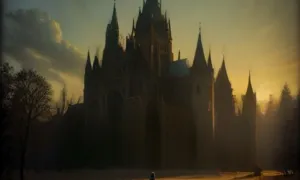
Drag the slider to compare how the landmark may have looked when it was built with the view today.
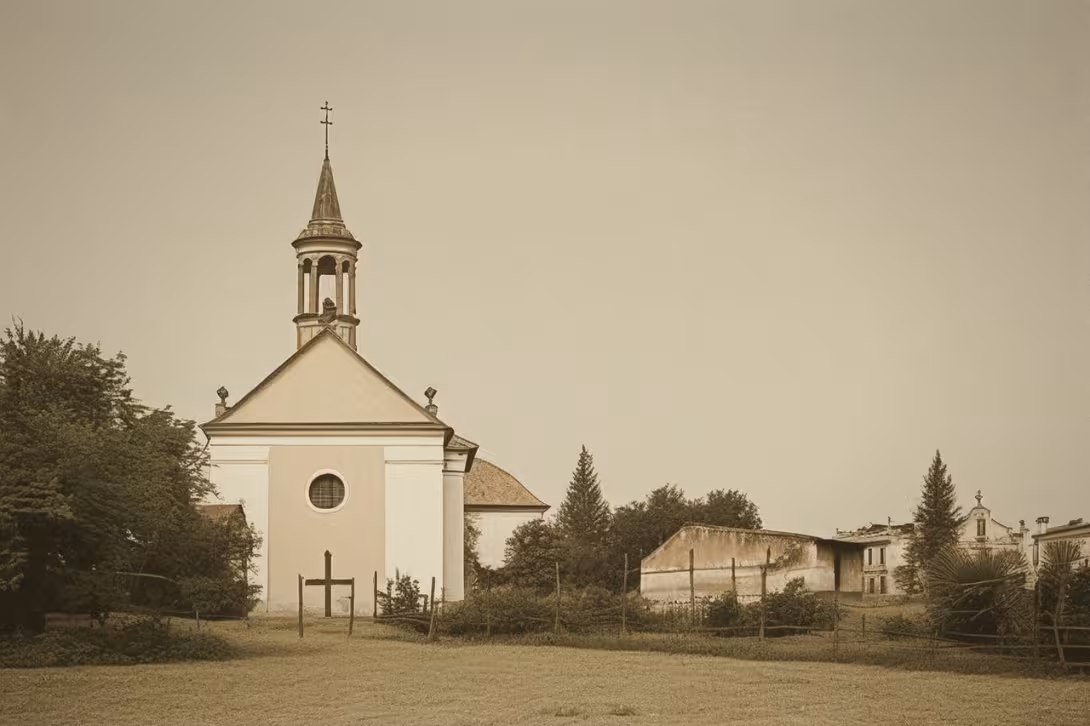
The historical appearance on the left is an AI-generated visualisation and serves as inspiration only.
Historical milestones
- 1691
- Beginning of the skeleton construction The oldest Trinity
- 1692
- Documentation Construction of the Church of the Heavenly Trinity
- 1724
- The status of the baroque riverbed of the Third
- 1853
- Transformation to parish church
- 1963
- Cold as a cultural monument
Architectural development
The Church of the Holy Trinity is a one-ship building with a rectangular plan and rectangular presbytery, overtaken by gallows and sacristy attached to the south side. The facades are articulated with pilasters, while the interior is lit with semi-circular windows. Polygonal veranda from the mid-eighteenth century is situated in front of the western facade.
Historical events
The original church in the square was demolished and replaced by a wooden chapel, followed by a Baroque church in 1691-1692.
In 1853 he became a parish church after he served as a filial church of St. Peter and Paul in Prunéřov.
Points of interest
- Holy Church The Trinity was originally built to replace the wooden chapel, which had previously demolished the structure, highlighting the developing religious architecture of the area. - In 1853, this church changed from a Filial church under St. Peter and Paul in Prunerov to its own parish church, which means a significant change in its church status. - Polygonal veranda added to the western facade in the middle of the eighteenth century is an unusual feature, which gives both architectural interest and historical depth of baroque style of the building. - Jakub Eberle, known for his work on the main pillar altar around 1760, made a significant contribution to the interior of the church with sculptures that show baroque art linking this page to wider European artistic movements. - The Baroque column of the Holy Trinity, originally located in the village square and later moved near the church, serves as evidence of historical religious practices and social gatherings in this area.
Guide
This guide is narrated by a synthetic voice generated by artificial intelligence.
Show guide text
This text was created by artificial intelligence and has not been editorially reviewed. It may contain inaccuracies.
Welcome to the Place! You are standing in front of the Church of the Holy Trinity, an excellent example of Baroque architecture on the southwest edge of this picturesque place in Ústí. This church is not only a spiritual home for the local community, but also a monument with rich history and architectural elements that deserve attention.
The Church of the Holy Trinity has its roots from the middle of the 17th century. Its construction began in 1691 and was completed in the following year and replaced the original wooden chapel. This chapel itself came after it had already destroyed an older facility that reflects the long tradition of religious buildings in this area. After completion, the church became the key spiritual centre of the local villagers, originally served as a filial church under St. Peter and Paul in Prunerov.
Look at the facade of the church to see its elegant baroque elements. Although we cannot specify specific architectural details such as towers or statues, you can take a friendly look at the facade and perceive the atmosphere of the place. In 1724 the Baroque column of the Holy Trinity was built, which further highlighted its religious and architectural importance.
In 1853 there was a significant change when the church was promoted to parish. This transition meant a new chapter in its history and strengthened its role as a community centre. Although particular architects or historical figures associated with its creation are not known, the church is proof of local traditions and spiritual life.
An interesting aspect of this place is its conversion from a simple chapel to a full parish church, which illustrates not only the architectural development but also the development of a community identity. It's fascinating to imagine the lives of those who once walked through his door.
Now that you have immersed yourself in its history and architecture, we urge you to continue to explore this place. Take a look at the surrounding green spaces or walk around the church to find out more nuances. Whether you are looking for a peaceful moment to think about or want to learn more about the history of the Local and Ústí Region, the Church of the Holy Trinity offers many opportunities to discover.
Thanks for coming. We hope this church inspired you and left an impression of its rich history and architecture. May your journey continue with further discoveries!
Businesses nearby
Do you run a restaurant, accommodation, shop, museum, rental, wellness or other visitor service near this monument? Show yourself directly to the people heading to it — this is how they will see you in the app and on the web:
Nearby
Near the church stands a Baroque column The Holy Trinity from 1724, originally located in the town square. Here were moved a few small monuments from villages destroyed by coal mining in the Rise.
Accommodation nearby
Themed route
Thematic walking tour: Místo, Ústecký kraj
1. Church of the Holy Trinity (Church) - Start your journey in the heart of Místo with the Church of the Holy Trinity. This architectural gem offers a view of the region's rich history and religious heritage. Explore its complex design and calm atmosphere, which makes it the basic starting point for understanding local culture.
2. Baroque Column of the Holy Trinity (Memorial) - A short walk from the church, you will find a Baroque column dedicated to the Holy Trinity, built in 1724. Originally located in the town square, this monument stands as evidence of the artistic and spiritual past of the area. Its relocation here adds historical depth and raises considerations about its importance.
3. Monuments from Oncoming Villages (Monument) - Not far from discover a few small monuments that have been moved from villages destroyed by coal mining in the Rise. These radiant comments from the industrial history of the region offer a view of the social and economic changes that shaped Místo. Every monument tells the story of resistance and transformation.
This thematic tour provides a focused survey of historical and cultural monuments Místo, which offers visitors a enrichment experience rooted in local heritage.
Seasonal recommendations
Spring: visit to the Church of the Oldest In the spring period, the triplets are urging for further use on the landscape in question, which is responsible for the okolicky production. Green meadows and which provide live contrast to historical architectural companies of the church. The atmosphere is calm because as it is not possible to obtain tourism, with less crowd and more space for the use of monuments. Proposals from companies not subject to this Decision may only cover contracts with companies under investigation. The best article on the basis that they are in early retirement when the sun is present, but not so strong.
Summer: Summer the Church of the oldest Trinity graduated in a live cil for tourists who are escaping heat. Sunshine world equipment architectural decoliae of the skeleton, which has ideal signatures for photography. They shall be translated so that no proposals can be obtained and relaxed. The wall should be considered as a significant and adjacent covered bra and sunflower to protect themselves from the strong sun. Imported directly into the territory, the abyss avoided some shit and a large crowd.
Autumn: Autumn offers a unique atmosphere around the Church of the Heavenly Trinity with its live hand leaves, which pass on the landscape of the monument. This season is often less of a non-summer period, which means calming down my crowd. The sunny tax exemption is more ideal for supporting churches and is around them, while the cold offers affiliation to use and use. The walls should be considered as significant, a gap with incoming aid, which can plan or rain with itself for cold and wet midday.
Winter: Winter Value Church Oldest The Trinity offers a peaceful and quiet experience where historical elements of the monument are downloaded into the crowd without disturbing crowds. Freezing in the morning can a surplus of beautiful dream surfaces around the church that provide magic and a peaceful feeling. Opening hours are often shorter trips with winter conditions, so it is important to know about the current time will open. Wall materials should be considered as significant and enthusiastic shoes for cold production, can be provided with defensive fingers, can be used as additional studies. The best amount based on which is at times when the sun illuminates the church, which makes it attractive and amplifies itself with its architectural beauty.
Visualizations and artistic views


The visualisations are generated by artificial intelligence and serve as inspiration.
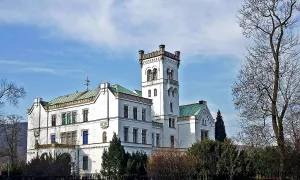
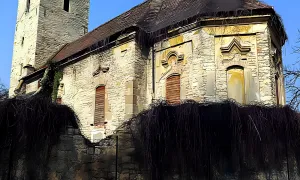
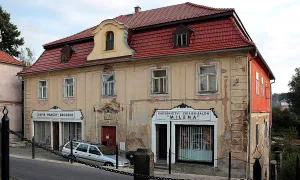
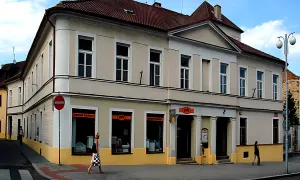
Photos from the area
Real photos taken near the monument


Zdroj a licence jsou uvedeny u každého snímku.
Tips from visitors
No tips yet. Be the first!
Log in and add your tip.
Sources and literature
Photos: Petr Kinšt / CC BY-SA 4.0 — Wikimedia Commons. The author and licence also appear when you hover over the image.
Faktickým podkladem tohoto textu byl článek na Wikipedii, jehož autory jsou přispěvatelé Wikipedie. Článek je dostupný pod licencí CC BY-SA 4.0.
Location on the map

Příběhy a pověsti
Legendy, pověsti a příběhy spjaté s touto památkou
Fotografie návštěvníků
Zatím žádné fotografie. Buďte první, kdo přidá fotografii z návštěvy!
Log in a přidejte svou fotografii nebo hodnoťte.
Za ověřenou návštěvu v aplikaci získáte víc bodů — poznáme podle GPS, že jste na místě.
Reviews and comments