






Kostel Nejsvětější Trojice (Nová Oleška) Church
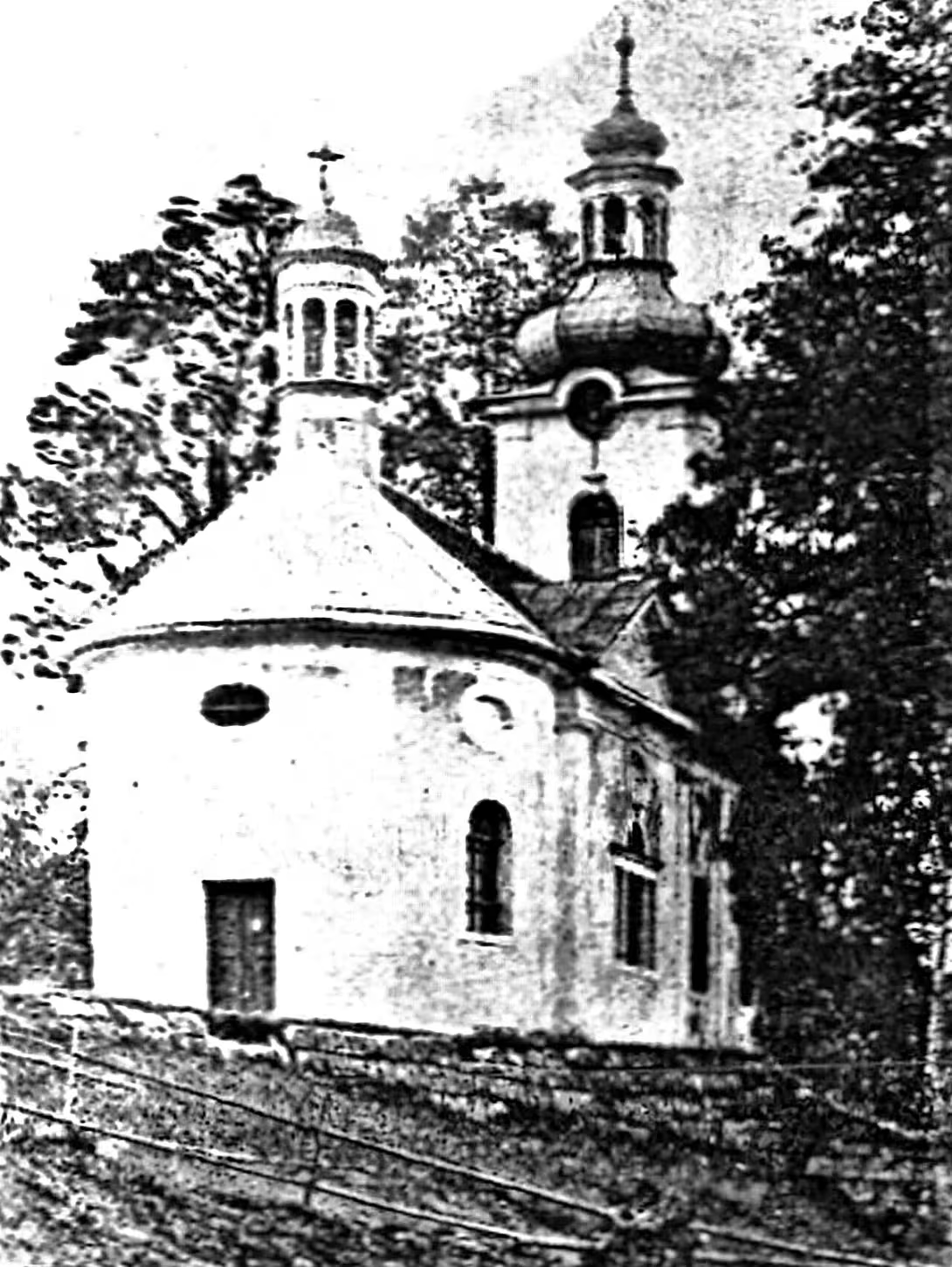
The Church of the Holy Trinity in Nová Oleška was a late Baroque filial church that played an important role in the local community from its construction as a chapel between 1823 and 1825 until its demolition around 1976. Situated in the village of Nová Oleška, part of the Huntířov municipality in Ústecký kraj, this monument is notable for its historical significance and architectural evolution over time.
The origins of the Church of the Holy Trinity date back to a period when Nová Oleška lacked its own chapel. Initially under the jurisdiction of the parish church of St. George in Huntířov and later associated with the church of St. Martin in Markvarticích, there was a clear need for a local place of worship. The establishment of the chapel is credited to Franz Ahne, an entrepreneur, and Benedikt Baudler, a farmer from Nová Oleška. Their initiative led to the construction of the original chapel between 1823 and 1825, with Franz Ahne playing a crucial role in its development. He funded the expansion into a church from 1843 to 1844 and acquired a bell during one of his trips to Bavaria.
Architecturally, the Church of the Holy Trinity began as a simple chapel but underwent significant transformation into a filial church with Baroque elements. The expanded structure featured a two-story bell tower topped with a low onion dome, oblong windows with semi-circular arches, and classicist furnishings from the mid-19th century. Notably, the interior included varnishes dating back to around 1830 by Franz Fellner senior, reflecting the artistic influences of the period.
Throughout its history, the church experienced several key events that shaped its legacy. After its expansion in the early 1840s, it burned down in 1866 but was promptly rebuilt the following year. However, post-World War II neglect led to its gradual deterioration. By 1970, decisions were made to cease repairs, and by 1974, the church's roof was significantly damaged. Ultimately, around 1976, the structure was demolished using a cable tractor from a local farm.
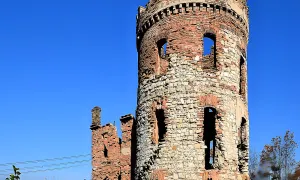
Today, the site of the Church of the Holy Trinity stands as a testament to its historical significance, though it no longer exists in its original form. The remnants include parts of the foundation wall and scattered stones that were repurposed by locals for building homes. Despite its absence, the church's legacy endures through stories of community resilience and transformation.
Visiting Nová Oleška offers a glimpse into the region's rich history and cultural heritage. While the physical structure may no longer be present, the site remains a poignant reminder of the past, inviting visitors to reflect on the enduring impact of local entrepreneurship and faith in shaping community identity.
Then and now
Drag the slider to compare how the landmark may have looked when it was built with the view today.
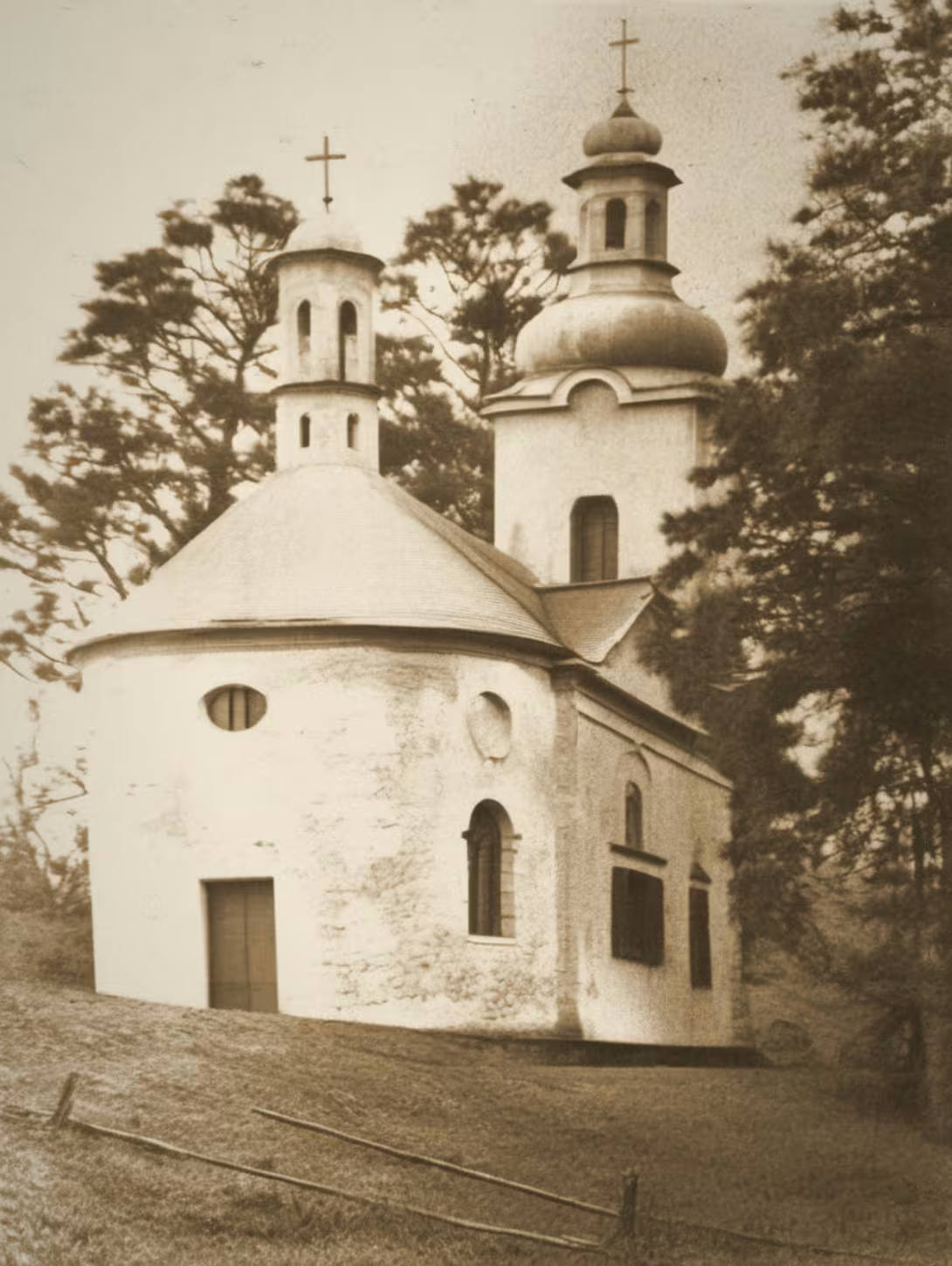
The historical appearance on the left is an AI-generated visualisation and serves as inspiration only.
Historical milestones
- 1825
- The chapel was consecrated on May 30, 1825.
- 1843
- Franz Ahne funded the expansion of the chapel into a church.
- 1866
- The church burned down but was rebuilt in 1867.
- 1970
- Decision made by ONV Děčín to cease repairs on the church.
Architectural development
The Church of the Holy Trinity began as a chapel built between 1823 and 1825. It was expanded into a filial church from 1843 to 1844, featuring Baroque architectural elements such as a two-story bell tower with a low onion dome. The interior included classicist furnishings from the mid-19th century.
Historical events
1823-1825: Construction of the original chapel by Franz Ahne and Benedikt Baudler.
1843-1844: Expansion and transformation into a filial church.
1866: The church burned down but was rebuilt in 1867.
1976: Demolition due to disrepair.
Points of interest
- The Church of the Holy Trinity was originally constructed as a chapel due to the absence of a local place of worship in Nová Oleška, highlighting the community's initiative for religious independence.
- Franz Ahne, an entrepreneur from Bavaria, played a pivotal role not only by funding the expansion into a church but also by acquiring a bell during his travels, showcasing early examples of international influence on local architecture and culture.
Guide
This guide is narrated by a synthetic voice generated by artificial intelligence.
Show guide text
This text was created by artificial intelligence and has not been editorially reviewed. It may contain inaccuracies.
Welcome to the site of the Church of the Holy Trinity in Nová Oleška, a place steeped in history and community spirit. As you stand here, imagine the late Baroque architecture that once graced this location—a testament to the resilience and faith of those who built it.
The story begins in 1823 when this structure was originally constructed as a chapel, not a church. The absence of a local place of worship inspired the residents of Nová Oleška to take matters into their own hands, reflecting a strong desire for religious independence. By 1825, the chapel was consecrated on May 30th, marking its significance in the community.
The transformation from a modest chapel to a church began between 1843 and 1844, thanks to Franz Ahne, an entrepreneur from Bavaria. His funding facilitated this expansion, underscoring his pivotal role in shaping the spiritual landscape of Nová Oleška. This period marked a significant evolution for the building, as it transitioned into a more prominent place of worship.
As you look around, take note of the architectural elements that have withstood time and adversity. The church's history is etched into its very structure—its walls bear witness to both growth and destruction. In 1866, tragedy struck when the church burned down, but the community’s determination saw it rebuilt in just one year, in 1867.
This site also tells tales of key figures like Benedikt Baudler, whose contributions have left an indelible mark on its history. Franz Ahne's legacy is particularly noteworthy, as his investment not only expanded the physical space but also strengthened the community’s spiritual foundation.
One intriguing aspect of this church is how it mirrors the broader narrative of resilience and renewal—a theme that resonates throughout its existence. Despite being neglected in the late 20th century, leading to a decision by ONV Děčín in 1970 to cease repairs, its story continues to captivate those who visit.
As we conclude this auditory journey, I invite you to explore further and reflect on the layers of history that surround you. The Church of the Holy Trinity may no longer stand as it once did, but its spirit remains a powerful reminder of community strength and perseverance. Thank you for joining us today, and enjoy your exploration of Nová Oleška's rich heritage.
Businesses nearby
Do you run a restaurant, accommodation, shop, museum, rental, wellness or other visitor service near this monument? Show yourself directly to the people heading to it — this is how they will see you in the app and on the web:
Events nearby

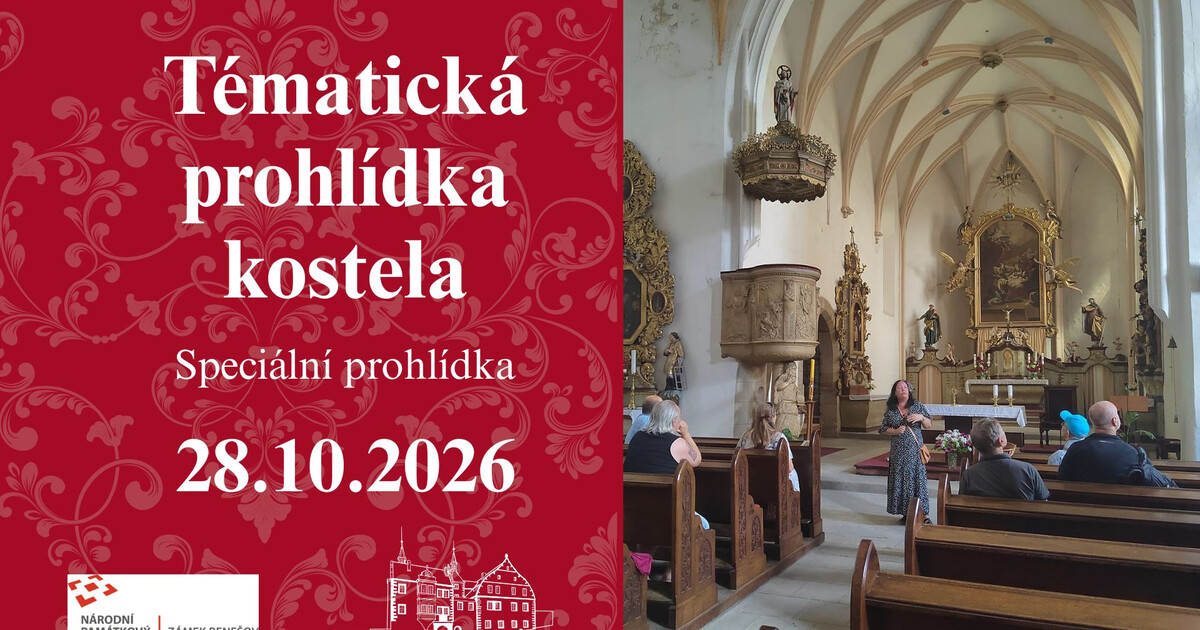

Zdroj akcí: otevřená data měst a obcí ČR (Národní katalog otevřených dat) a kalendář akcí Národního památkového ústavu.
Accommodation nearby
Trips and activities nearby
Guided tours, tickets and activities nearby from GetYourGuide
Affiliate link: if you buy from the partner, we may receive a commission. The price for you does not change.
Search tours and activities →Themed route
Tematická výletní trasa: Kostel Nejsvětější Trojice (Nová Oleška)
1. Kostel Nejsvětější Trojice (Nová Oleška) - Hlavní cíl Typ: Náboženský a historický objekt Proč stojí za návštěvu: Tento barokní kostel, postavený v 18. století, je architektonickou perli s bohatou historií a uměleckými prvky. Jeho interiér přitahuje díky krásným freskám a sochám, které odrážejí bohatou kulturní tradici oblasti.
2. Nádvoří kostela Typ: Historický areál Proč stojí za návštěvu: Nádvoří poskytuje klidnou atmosféru pro pochopení historického kontextu kostela. Zde můžete užít si pohled na venkovní sochy a architektonické prvky, které doplňují interiér.
3. Věž kostela Typ: Architektonický prvek Proč stojí za návštěvu: Vzestup na věž nabízí úchvatný pohled na okolní krajinu a obec Nová Oleška. Je to ideální místo pro pochopení umístění kostela ve středu města a jeho historické role jako orientačního bodu.
4. Park u kostela Typ: Zelený prostor Proč stojí za návštěvu: Park nabízí klidnou zastávku pro relaxaci a reflektování po prozkoumání kostela. Jeho přírodní krása je ideální pro pohled na oblohu nebo pro krátký pohyb, který doplňuje celkové zážitky z návštěvy.
Tato trasa nabízí komplexní pohled na Kostel Nejsvětější Trojice a jeho okolí, umožňujíc návštěvníkům plně se ponořit do historie a kultury tohoto místa.
Seasonal recommendations
Spring: Visiting the site of the Church of the Holy Trinity in Nová Oleška during spring offers a unique experience as nature begins to awaken around the remnants of this historical structure. The landscape is often adorned with blooming wildflowers and budding trees, creating a picturesque setting that contrasts beautifully with the solemnity of the ruins. This season's gentle light and longer days enhance the site's melancholic beauty, perfect for reflective walks. Visitors should dress in layers to accommodate the variable weather, which can range from mild warmth to sudden rain showers. While crowds are generally moderate, arriving early is advisable to enjoy a quieter exploration.
Summer: The summer months bring vibrant life to the area surrounding the Church of the Holy Trinity ruins, with lush greenery and abundant sunshine creating an inviting atmosphere for visitors. This period often sees increased foot traffic as tourists explore the region's rich history during its peak season. To make the most out of your visit, consider coming early in the morning or later in the afternoon to avoid the midday crowds and heat. Comfortable walking shoes and light clothing are recommended, along with sun protection such as hats and sunscreen.
Autumn: Autumn transforms the site into a stunning tapestry of reds, oranges, and yellows, offering a breathtaking backdrop for those interested in photography or simply enjoying nature's beauty. The cooler temperatures make it an ideal time to explore without the summer heat, though visitors should be prepared for occasional rain showers by bringing waterproof jackets or umbrellas. This season tends to attract fewer tourists compared to the summer months, providing a more tranquil experience.
Winter: Winter cloaks the Church of the Holy Trinity ruins in a serene blanket of snow, creating an ethereal and quiet atmosphere that is both hauntingly beautiful and peaceful. The shorter days mean visits are best planned for midday when there's enough light to appreciate the site fully. Visitors should dress warmly in layers, including thermal clothing, gloves, hats, and waterproof boots, as winter conditions can be harsh with potential snowfall or ice. The reduced number of visitors during this time allows for a more intimate encounter with history amidst the wintry landscape.
Visualizations and artistic views


The visualisations are generated by artificial intelligence and serve as inspiration.
Tips from visitors
No tips yet. Be the first!
Log in and add your tip.
Sources and literature
Fotografie: autor neuveden / Public domain — Wikimedia Commons. The author and licence also appear when you hover over the image.
Faktickým podkladem tohoto textu byl článek na Wikipedii, jehož autory jsou přispěvatelé Wikipedie. Článek je dostupný pod licencí CC BY-SA 4.0.
Location on the map
More monuments – Nová Oleška
Show all in the municipality

Příběhy a pověsti
Legendy, pověsti a příběhy spjaté s touto památkou

Fotografie návštěvníků
Zatím žádné fotografie. Buďte první, kdo přidá fotografii z návštěvy!
Přihlaste se a přidejte svou fotografii nebo hodnoťte.
Za ověřenou návštěvu v aplikaci získáte víc bodů — poznáme podle GPS, že jste na místě.
Reviews and comments