






Kostel Povýšení svatého Kříže (Radonice nad Ohří) Church
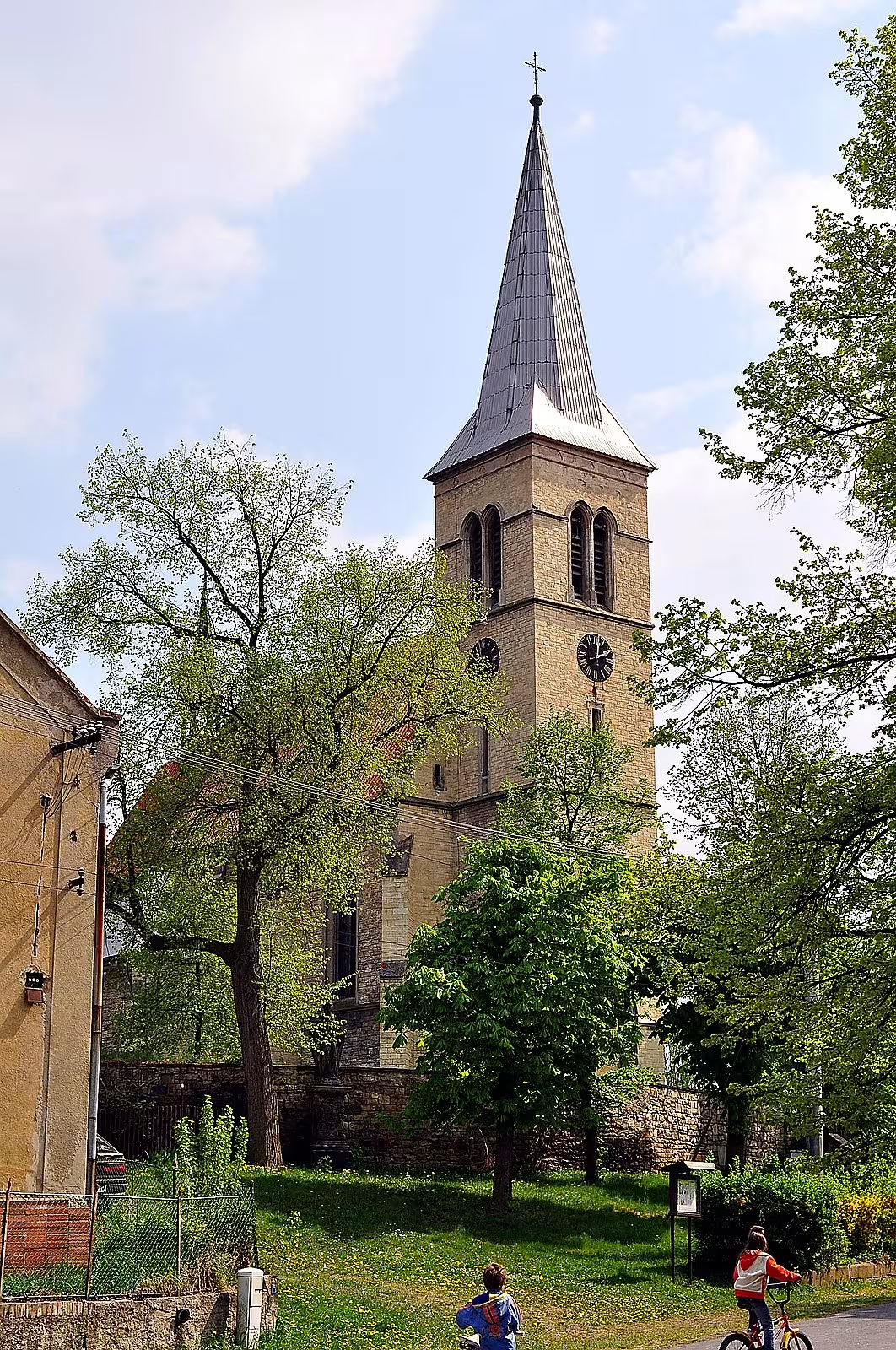
Kostel Povýšení svatého Kříže in Radonice nad Ohří is a notable historical monument recognized as a cultural heritage site. Located in Ústecký kraj, this church has served both the Roman Catholic and Czechoslovak Hussite Churches since its reconstruction between 1905 and 1907. Its significance lies not only in its architectural evolution from Romanesque to Neo-Gothic styles but also in its role within the local religious community.
The origins of Kostel Povýšení svatého Kříže trace back to the end of the 12th century, reflecting Bohemia's rich tradition of Romanesque architecture. Over time, it underwent significant transformations, including Gothic modifications by the mid-14th century and Baroque renovations in 1712 that introduced side chapels and new altars. By the early 20th century, structural instability necessitated its demolition and subsequent reconstruction in a Neo-Gothic style with Romanesque elements, designed by František David.
Architecturally, the church is characterized by its single-nave structure with a polygonal presbytery and a tower at the façade. The interior features cross vaults, except for the sacristy which has a barrel vault with lunettes. Noteworthy artistic contributions include works by Jan Kastner, Václav Mráz, and Augustin Vlček, who created various elements of its richly decorated interior.
Throughout its history, the church has seen changes in administration and ownership. Initially part of the Roman Catholic parish of Zlonice, it began serving the Czechoslovak Hussite Church from 2002. The reconstruction efforts were funded by Strahovský klášter after local communities declined to finance them.
Key events include its Baroque renovations in 1712 and the complete rebuilding between 1905 and 1907 due to structural issues. The church originally housed a Romanesque baptismal font, and Alžběta z Roggendorfu, a notable patron, commissioned several artworks that are now part of the National Museum in Prague.
Today, Kostel Povýšení svatého Kříže stands as a testament to architectural resilience and religious continuity. Visitors can appreciate its historical significance and artistic heritage while exploring its Neo-Gothic design. This monument offers a unique glimpse into the evolving cultural landscape of the region, making it a worthwhile destination for those interested in history and architecture.
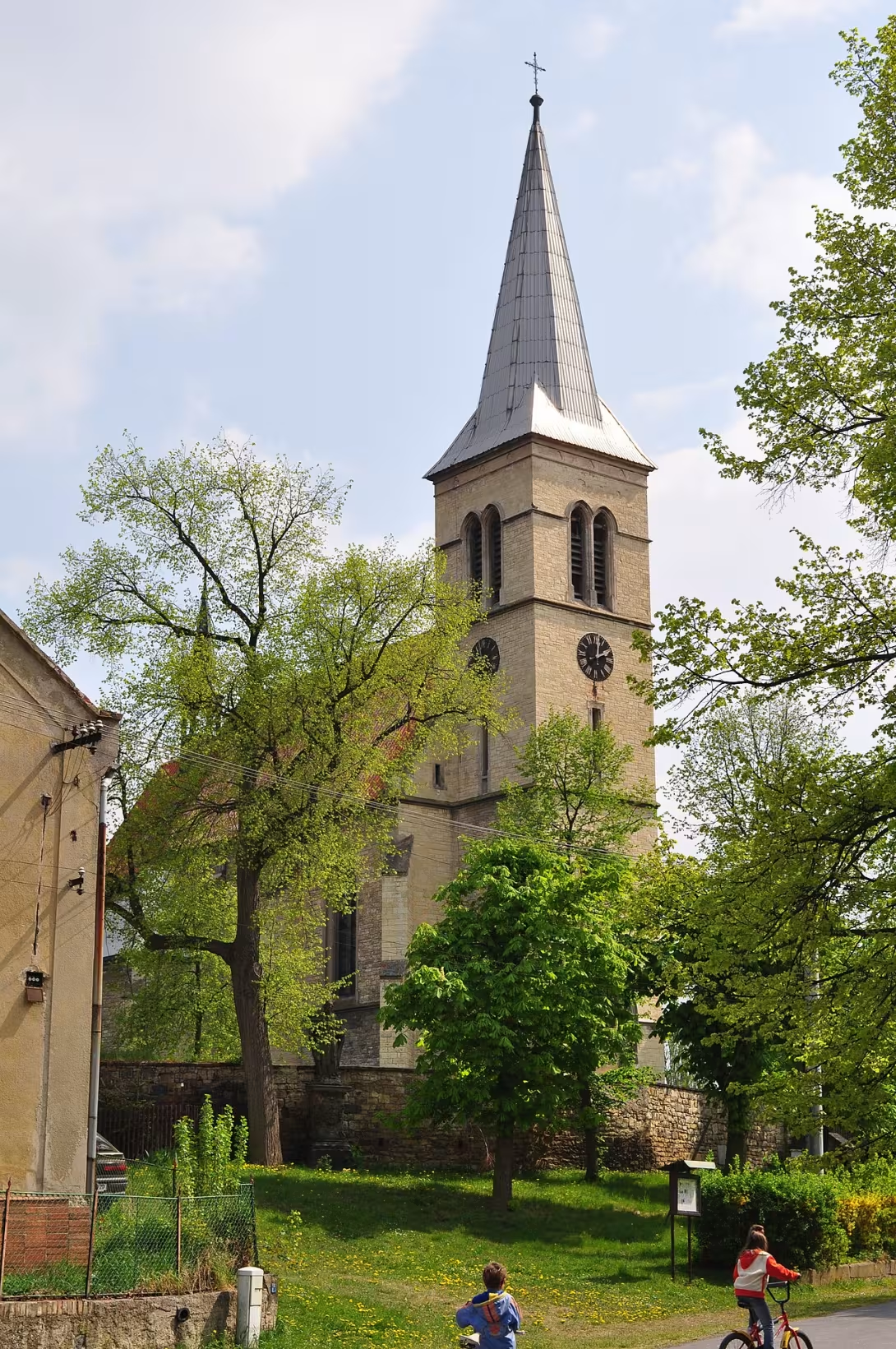
Then and now
Drag the slider to compare how the landmark may have looked when it was built with the view today.
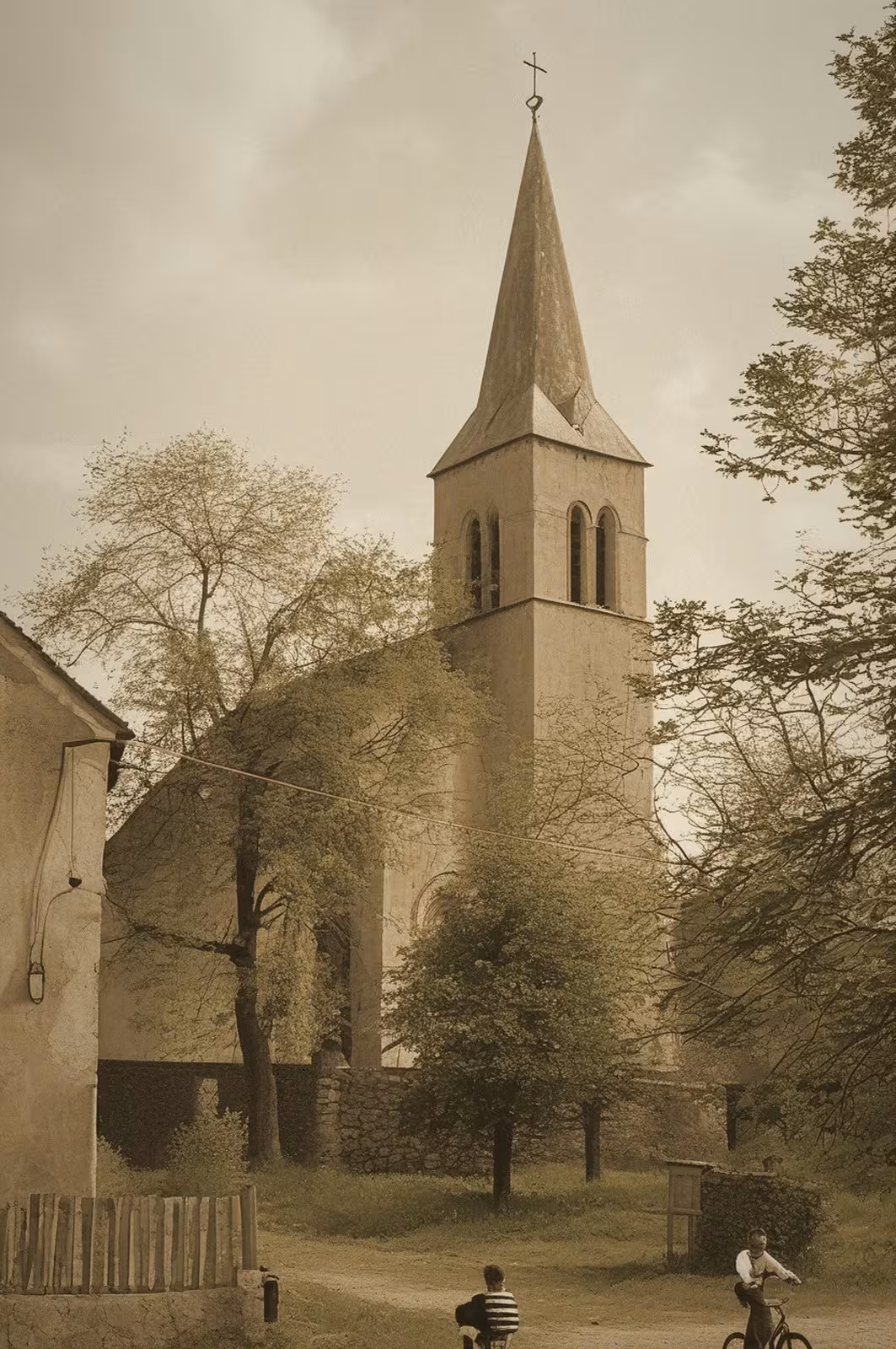
The historical appearance on the left is an AI-generated visualisation and serves as inspiration only.
Historical milestones
- konec 12. století
- Založení kostela Povýšení svatého Kříže
- polovina 14. století
- Gothická přestavba kostela
- 1712
- Barokní renovace s přidáním kaplí a oltářů
- 1905-1907
- Demolice a rekonstrukce v neo-gotickém stylu
- 2002
- Přechod pod správu Československé církve husitské
Architectural development
Initially constructed in Romanesque style with Gothic modifications by the mid-14th century, the church featured frescoes and a Christological cycle. Baroque renovations in 1712 added side chapels and altars. Due to structural instability, it was demolished in 1905 and rebuilt in Neo-Gothic style with some Romanesque elements by František David.
Historical events
In 1712, the church underwent Baroque renovations which included adding side chapels and new altars.
The church was demolished in 1905 due to structural issues and rebuilt between 1905-1907.
Points of interest
- The church's architectural journey is marked by a unique blend of styles; it started as Romanesque and evolved through Gothic modifications to Baroque renovations before being reconstructed in a Neo-Gothic style with Romanesque elements.
- Alžběta z Roggendorfu, an influential patron from the 14th century, commissioned several artworks for the church. These pieces are now preserved at the National Museum in Prague, highlighting her significant contribution to its artistic legacy.
- The funding of the reconstruction between 1905 and 1907 by Strahovský klášter is a notable aspect of the church's history, as local communities declined to finance it, showcasing an interesting dynamic in historical preservation efforts.
- Originally part of the Roman Catholic parish of Zlonice, Kostel Povýšení svatého Kříže transitioned to serve the Czechoslovak Hussite Church from 2002, reflecting broader religious and cultural shifts within the region over time.
- A distinctive feature of its interior is that while most areas have cross vaults, the sacristy uniquely features a barrel vault with lunettes, illustrating an intriguing architectural detail amidst its overall design.
Guide
This guide is narrated by a synthetic voice generated by artificial intelligence.
Show guide text
This text was created by artificial intelligence and has not been editorially reviewed. It may contain inaccuracies.
Welcome to the historic site of Kostel Povýšení svatého Kříže in Radonice nad Ohří, a remarkable testament to architectural evolution and spiritual heritage. As you stand here, enveloped by the serene landscape of Ústecký kraj, take a moment to absorb your surroundings. The church before you is more than just an edifice; it's a narrative woven through centuries, echoing stories of faith, artistry, and transformation.
Our journey begins at the end of the 12th century when this sacred site was first established. Originally conceived as a Roman Catholic church, its purpose has evolved over time, reflecting broader historical shifts. By the mid-14th century, Gothic modifications were introduced, adding layers of complexity to its architectural narrative. This period marked an era of significant change in Europe, and our church here mirrored that transformation through its evolving design.
Fast forward to 1712, when Baroque renovations infused new life into the structure with the addition of chapels and altars, enhancing both its spiritual function and aesthetic appeal. However, the passage of time takes a toll on all things, and by the early 20th century, the medieval fabric of this church was in dire need of attention. Between 1905 and 1907, under the vision of architect František David, the original structure was demolished to make way for a new incarnation. This reconstruction embraced a Neo-Gothic style while thoughtfully incorporating Romanesque elements, offering a bridge between past and present.
As you gaze upon the church today, notice how its architectural journey manifests in the harmonious blend of styles that define its current form. The průčelí (facade) stands as a testament to this unique synthesis, inviting admiration for both its historical depth and aesthetic beauty. It's an embodiment of resilience and adaptability, standing proudly amidst the changing tides of time.
Among the many stories woven into the fabric of Kostel Povýšení svatého Kříže is that of Alžběta z Roggendorfu, a notable patron whose influence left a lasting imprint on this sacred site. Her legacy, intertwined with the church's history, adds a layer of personal connection to our exploration.
Now, let your imagination wander as you consider the mysteries and tales hidden within these walls. What secrets do they hold? How have countless generations found solace and inspiration here? The church has been under the stewardship of the Československá církev husitské since 2002, marking another chapter in its rich history.
As we conclude our audio tour, I invite you to linger a little longer, to explore further, to let your senses fully engage with this remarkable place. Kostel Povýšení svatého Kříže is not just an architectural marvel but a living monument to the enduring spirit of faith and community. Thank you for joining me on this journey through time and history. May your visit here inspire reflection, wonder, and perhaps even a deeper connection with the past.
Businesses nearby
Do you run a restaurant, accommodation, shop, museum, rental, wellness or other visitor service near this monument? Show yourself directly to the people heading to it — this is how they will see you in the app and on the web:
Events nearby


Zdroj akcí: otevřená data měst a obcí ČR (Národní katalog otevřených dat) a kalendář akcí Národního památkového ústavu.
Accommodation nearby
Themed route
Tematická výletní trasa: Kostel Povýšení svatého Kříže a okolí Radonice nad Ohří
1. Kostel Povýšení svatého Kříže (Radonice nad Ohří) *Typ:* Historická památka *Proč stojí za návštěvu:* Tento barokní kostel je architektonickou perli s bohatým historickým pozadím. Jeho významná interiérová dekorace a krásné fresky přitahují návštěvníky, kteří mají zájem o duchovní a uměleckou historii oblasti.
2. Kaple svatého Jiljí (Radonice nad Ohří) *Typ:* Kaple *Proč stojí za návštěvu:* Tato malebná kaple je známá svou klidnou atmosférou a krásným výhledem na okolní krajinu. Je to ideální místo pro odpočinek a reflexi, kde si můžete užít poklidného okamžiku po návštěvě kostela.
3. Přírodní park Ohře *Typ:* Přírodní rezervace *Proč stojí za návštěvu:* Tato oblast nabízí krásné příležitosti pro pochopení místní ekologie a biodiverzity. Je to ideální místo pro milovníky přírody, kteří si užijí pohybu v klidném prostředí s možností pozorovat různé druhy rostlin a zvířat.
4. Nádvoří kostela Povýšení svatého Kříže *Typ:* Nádvoří *Proč stojí za návštěvu:* Toto místo nabízí klidnou atmosféru pro relaxaci a užívání si venkovního prostoru. Je to také ideální místnost pro fotografování historických budov v různých světelných podmínkách.
Tato trasa nabízí kombinaci kulturních, duchovních a přírodních zážitků, které jsou perfektně propojeny v malém, ale bohatém okolí Radonice nad Ohří.
Seasonal recommendations
Spring: The arrival of spring at the Church of the Exaltation of the Holy Cross in Radonice nad Ohří brings a rejuvenating atmosphere as nature awakens around this historic site. The surrounding landscape is adorned with vibrant wildflowers and budding trees, creating a picturesque backdrop that enhances the church's architectural beauty. As daylight extends, visitors can enjoy the soft morning light filtering through stained glass windows, casting colorful patterns on the stone floor. This period often sees fewer tourists compared to summer, offering a more tranquil experience. It’s advisable to wear comfortable layers as temperatures can vary, and early visits are recommended to avoid any potential rain showers typical of spring.
Summer: Summer at Radonice nad Ohří is characterized by lush greenery and warm sunshine that highlight the church's intricate details and historical significance. The longer days provide ample opportunity for extended exploration, both inside the church and in its serene surroundings. This season attracts more visitors due to the pleasant weather, so it’s wise to arrive early or later in the afternoon to avoid crowds. Comfortable walking shoes and breathable clothing are recommended, along with sunscreen and a hat to protect against the sun. The vibrant atmosphere of summer makes it an ideal time for those looking to experience the church amidst a lively natural setting.
Autumn: Autumn transforms Radonice nad Ohří into a tapestry of warm colors, as leaves turn shades of red, orange, and gold around the Church of the Exaltation of the Holy Cross. The cooler temperatures create a crisp atmosphere that is perfect for leisurely strolls through the historic site’s grounds. This season offers a quieter experience compared to summer, with fewer visitors enjoying the scenic beauty. Layered clothing is recommended to accommodate fluctuating temperatures, and a light jacket can be useful during early morning or late afternoon visits when it tends to get cooler.
Winter: Winter at Radonice nad Ohří presents the Church of the Exaltation of the Holy Cross in a serene, almost mystical setting as snow blankets the landscape. The church's architecture is particularly striking against the stark white backdrop, with icicles and frost adding an enchanting touch. This season typically sees fewer visitors, offering a peaceful experience for those who appreciate quiet reflection amidst winter’s beauty. Visitors should dress warmly in layers, including gloves and a hat, to stay comfortable during their visit. Due to shorter daylight hours, it is advisable to plan your visit during the daytime, as some facilities may have reduced operating hours.
Visualizations and artistic views


The visualisations are generated by artificial intelligence and serve as inspiration.
Photos from the area
Real photos taken near the monument

Zdroj a licence jsou uvedeny u každého snímku.
Tips from visitors
No tips yet. Be the first!
Log in and add your tip.
Sources and literature
Fotografie: Jirka Dl / CC BY-SA 3.0 — Wikimedia Commons. The author and licence also appear when you hover over the image.
Faktickým podkladem tohoto textu byl článek na Wikipedii, jehož autory jsou přispěvatelé Wikipedie. Článek je dostupný pod licencí CC BY-SA 4.0.
Location on the map
More monuments – Radonice nad Ohří
Show all in the municipality
Příběhy a pověsti
Legendy, pověsti a příběhy spjaté s touto památkou

Fotografie návštěvníků
Zatím žádné fotografie. Buďte první, kdo přidá fotografii z návštěvy!
Přihlaste se a přidejte svou fotografii nebo hodnoťte.
Za ověřenou návštěvu v aplikaci získáte víc bodů — poznáme podle GPS, že jste na místě.
Reviews and comments