






Kostel svaté Kateřiny (Hora Svaté Kateřiny) Church
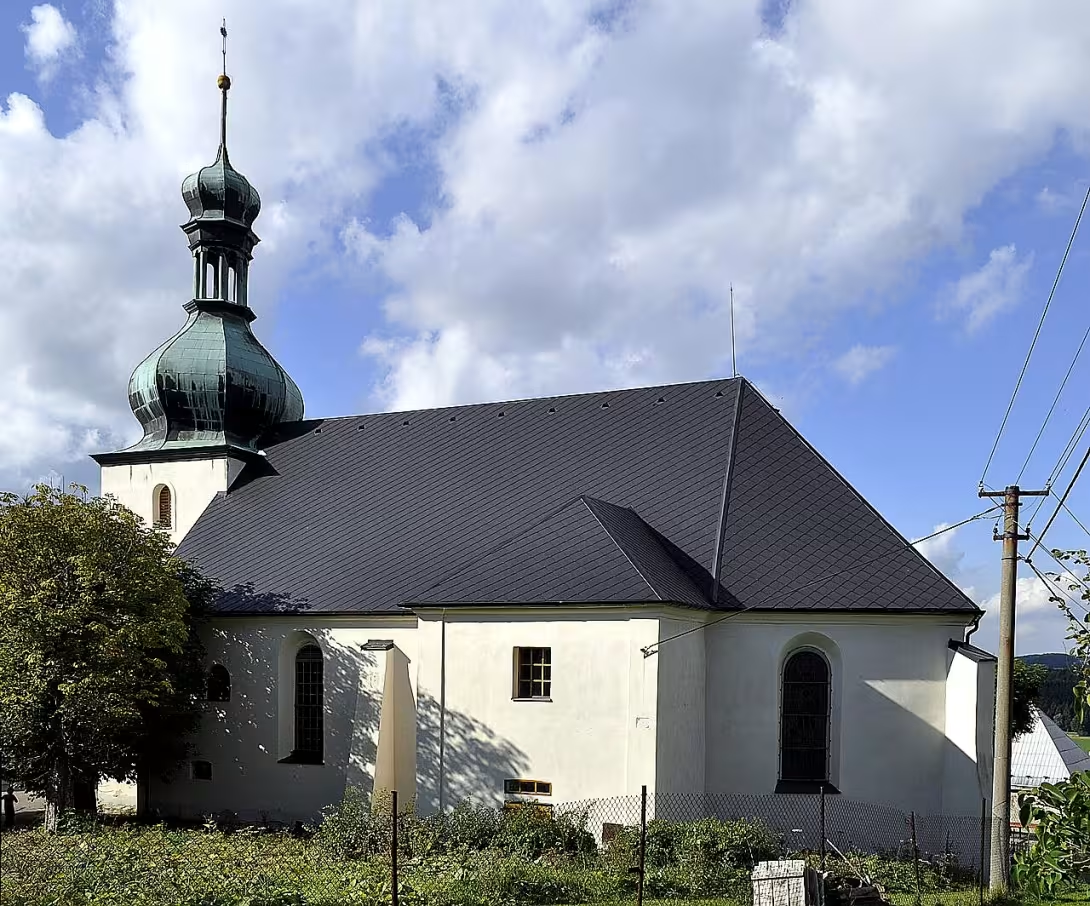
The Church of Saint Catherine in Hora Svaté Kateřiny stands as a testament to the region's rich religious history. This Roman Catholic church, dedicated to Saint Catherine, has undergone significant transformations over the centuries, reflecting broader historical shifts within Bohemia.
Originally constructed around the mid-16th century during a period marked by religious upheaval due to the Protestant Reformation, it was reconstructed as a Lutheran church by 1607 and completed in 1612. In 1627, following the obnovené zřízení zemského, the church transitioned to Catholicism under Jesuit administration from Chomutov. The last evangelical pastor departed for Seiffen in Saxony that same year.
Significant Baroque renovations occurred between 1785 and 1786, including a tower addition, transforming it into its current late Baroque style. This period coincided with Counter-Reformation influences under Catholic Habsburg rule, impacting the region's religious architecture.
Architecturally, the church features an oblong structure with a three-sided presbytery and a northern sacristy housing an oratory. A vestibule adorns the southern side, while a prominent hranolová tower graces the western façade, featuring small circular windows and a cibulovou báň. Inside, classicist frescoes by J. Fuchs from 1786 depict scenes from Christ's life with floral motifs. Medallions of a lamb symbolizing Christ and a dove representing the Holy Spirit are on the side walls. The presbytery features painted illusionistic altar architecture with figures of Saint Peter and Saint Paul.
The church's interior includes elements from both the late 18th century and modern times. A historicizing main altar, crafted in 1926 by F. Eschner, displays an image of Saint Catherine by J. Fuchs from 1785. Rokoko side altars feature contemporary images of the Virgin Mary and Saint Joseph, accompanied by sculptures of Saints Anne and Joachim, as well as Saints John Nepomucene and Francis Xavier. The pulpit dates back to the latter half of the 18th century. In the oratory, statues of Saints Florian and Sebastian from a former main altar are preserved.
Surrounding the church is an area rich with historical structures. A late Baroque chapel near the eastern edge of the town features a polygonal exterior and semi-circular interior structure with pilasters, a segmented cornice, and a triangular pediment with a niche. The chapel's vaulted ceiling includes lunettes, while its conclusion has a conch-shaped dome. Additionally, there is a niche chapel in the village featuring a statue of Saint John Nepomucene from the same period.
In front of the church stands a Pieta sculpture dating to 1729, and on the square lies a baroque column topped with an Immaculata sculpture from 1714. These elements enrich the historical tapestry surrounding the Church of Saint Catherine.
Today, the church is recognized as a cultural monument since 1963, though its parish was dissolved in January 2013, making it a filial to the parish in Horní Jiřetín. Despite these changes, the Church of Saint Catherine remains an important site for visitors interested in exploring the religious and architectural history of the region.
The church's enduring legacy as a symbol of historical transformation makes it a compelling destination for those keen on understanding the interplay between architecture and faith over centuries. Visitors are invited to explore this remarkable monument and immerse themselves in its storied past.
Then and now
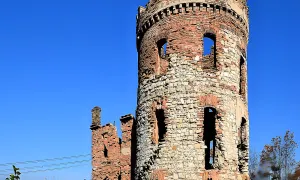
Drag the slider to compare how the landmark may have looked when it was built with the view today.
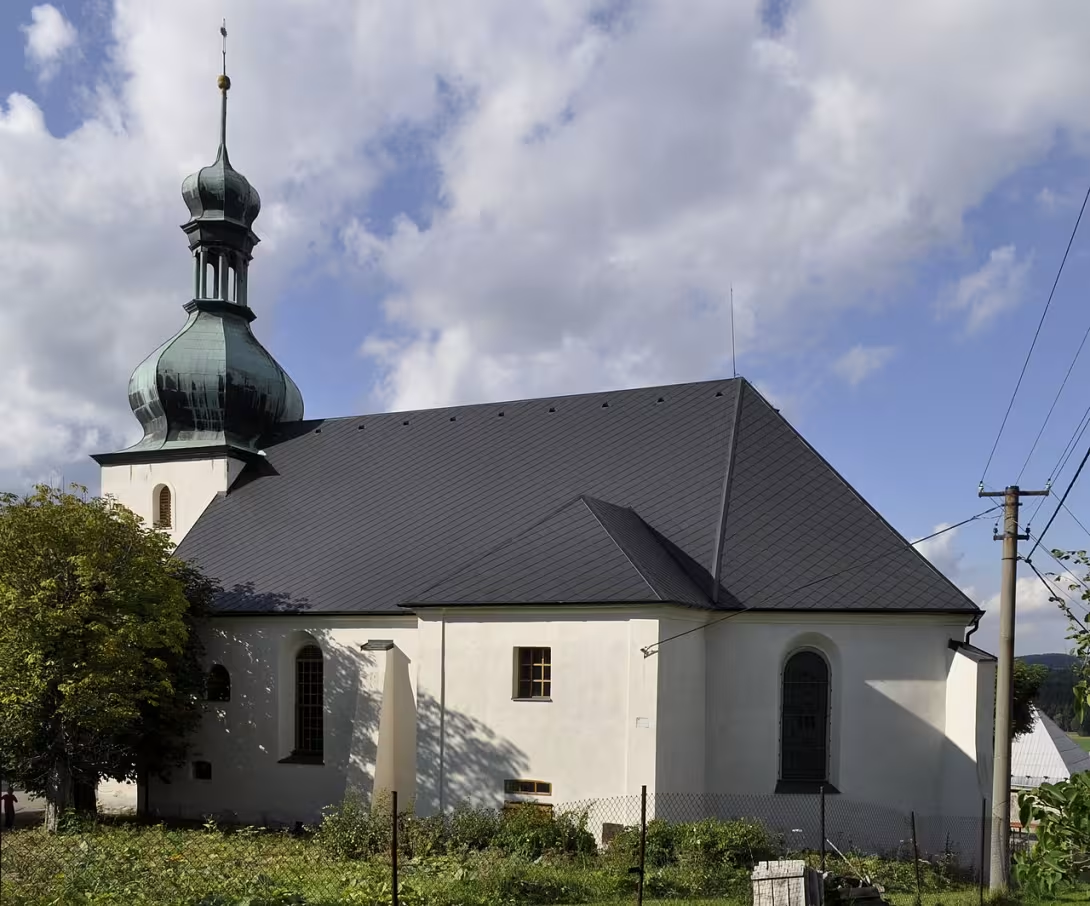
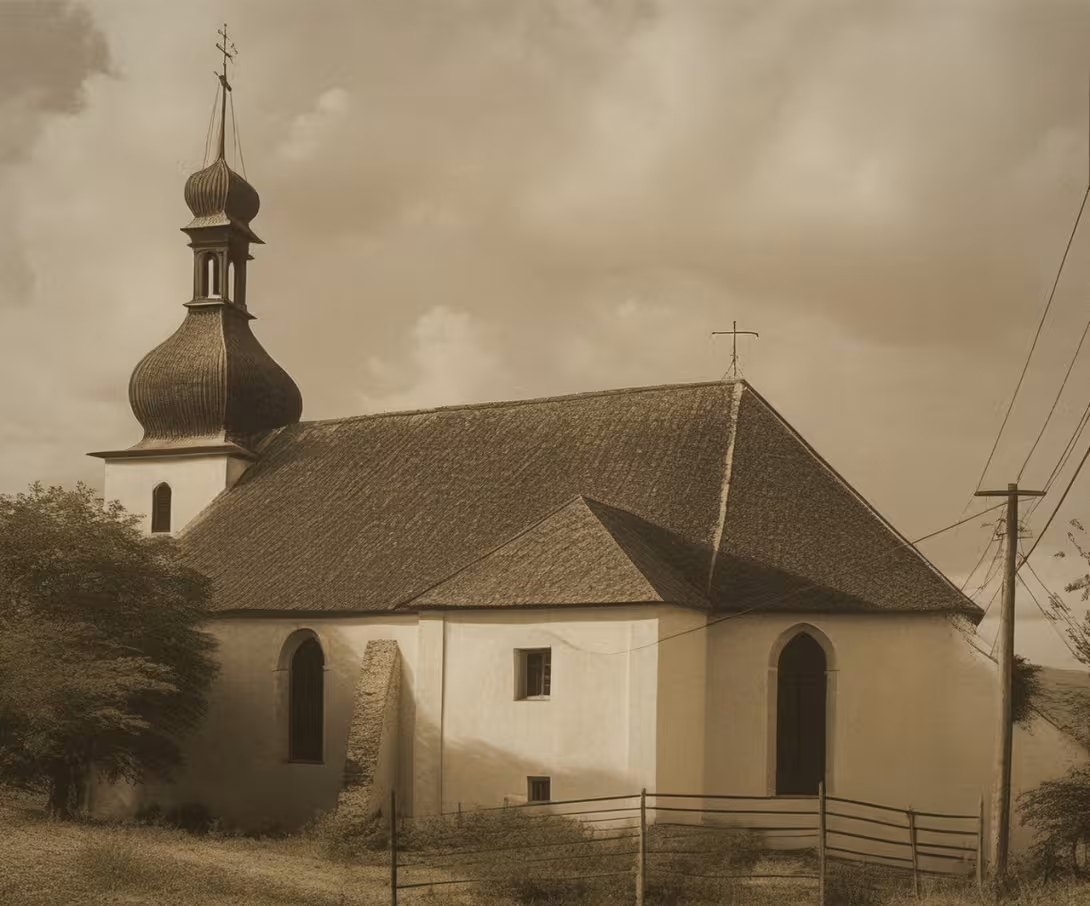
The historical appearance on the left is an AI-generated visualisation and serves as inspiration only.
Historical milestones
- 1607
- Reconstruction as a Lutheran church began.
- 1612
- Completion of reconstruction as a Lutheran church.
- 1627
- Conversion to Catholicism under Jesuit administration.
- 1785
- Baroque renovations commenced.
- 1786
- Completion of Baroque renovations and addition of a tower.
Architectural development
The Church of Saint Catherine has undergone several architectural phases. Initially built around the mid-16th century, it was reconstructed as a Lutheran church in the early 17th century. In 1627, it became Catholic under Jesuit control and was later transformed into its current Baroque style between 1785 and 1786, including the addition of a tower.
Historical events
The original church was built around the mid-16th century.
Reconstructed as a Lutheran church between 1607 and 1612.
Converted to Catholicism in 1627 under Jesuit administration.
Baroque renovations completed between 1785 and 1786.
Points of interest
- The Church of Saint Catherine underwent a significant transformation from its initial construction in the mid-16th century as a Catholic church to being reconstructed as a Lutheran church by 1607. This change reflects the broader religious upheaval during the Protestant Reformation, highlighting the region's shifting religious landscape.
- In an intriguing twist of history, the last evangelical pastor left for Seiffen in Saxony in 1627 when the church transitioned back to Catholicism under Jesuit administration. This departure marked the end of Lutheran influence at this site following the obnovené zřízení zemského.
- The Baroque renovations between 1785 and 1786, including the addition of a tower, were part of the Counter-Reformation efforts under Catholic Habsburg rule. These architectural changes not only altered the church's appearance but also symbolized the reinforcement of Catholic dominance in the region during that period.
- Inside the Church of Saint Catherine, the frescoes by J. Fuchs from 1786 are remarkable for their classicist style and depiction of scenes from Christ's life intertwined with floral motifs. These artistic elements provide a vivid glimpse into the religious artistry of late Baroque Bohemia.
- A unique feature outside the church is the Pieta sculpture dating to 1729, complemented by a baroque column topped with an Immaculata sculpture from 1714 on the square. Together, these sculptures create a poignant historical and artistic narrative that enhances the cultural significance of the site.
Guide
This guide is narrated by a synthetic voice generated by artificial intelligence.
Show guide text
This text was created by artificial intelligence and has not been editorially reviewed. It may contain inaccuracies.
On a hillside above Hora Svaté Kateřiny, on the site where the first cemetery once stood, there is a Roman Catholic church dedicated to Saint Catherine. A church had already been standing here around the middle of the sixteenth century. The present building was erected between 1607 and 1612 as a Lutheran church. In 1627, following the renewal of the territorial constitution, it became Catholic and came under the administration of the Jesuit college in Chomutov. The last Protestant pastor left a year later for Seiffen in Saxony.
The church acquired its Baroque appearance during reconstructions in 1785 and 1786. It was then that a tower was added to it. Since 1963 it has been a protected cultural monument. At the beginning of 2013, the local parish was abolished and the church has since belonged as a subsidiary to the parish in Horní Jiřetín.
It is a late Baroque rectangular structure with a three-sided choir. A sacristy adjoins it from the north, and on the floor of the sacristy there is an oratory. On the southern side there is a vestibule with a flat ceiling. The western façade is dominated by a massive prism-shaped tower with small round windows and an onion dome.
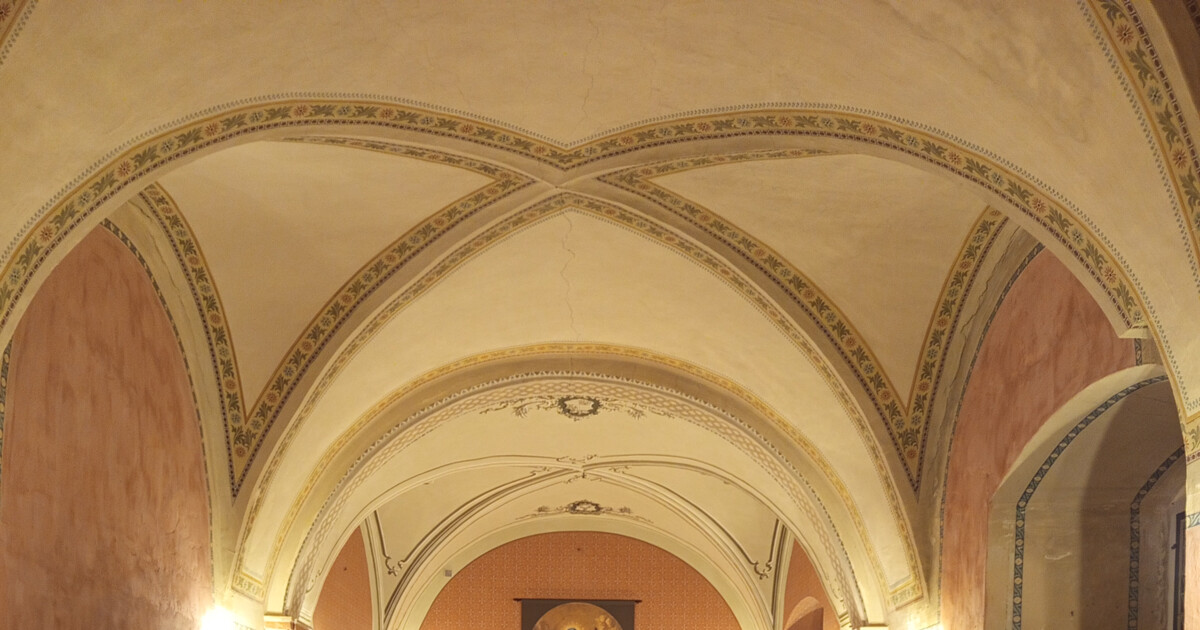
The nave and chancel are covered by a common ceiling. It is decorated with Classicist frescoes depicting scenes from Christ's life and floral ornaments. On the side walls of the nave are painted medallions with a lamb, symbolizing Christ, and with a dove, a symbol of the Holy Spirit. In the chancel is a painted illusory altar architecture with figures of Saint Peter and Saint Paul and an inscription. The entire fresco decoration was created in 1786 by the painter Fuchs.
The church furnishings are partly from the second half of the eighteenth century and partly modern. The main altar in a historicizing style was made in 1926 by Eschner. It bears an image of Saint Catherine painted by Fuchs in 1785. The side altars are Rococo and have modern paintings of the Virgin Mary and Saint Joseph. On the altars stand statues of Saint Anne and Saint Joachim, Saint John of Nepomuk, and Saint Francis Xavier. The pulpit dates from the second half of the eighteenth century. From the same period are the statues of Saint Florian and Saint Sebastian in the oratory. They originally belonged to the old main altar.
In front of the church stands a statue of Pietà from 1729. In the square rises a Baroque column with a statue of the Immaculate Conception from 1714. At the roadside on the eastern edge of the town is a late Baroque chapel from the second half of the eighteenth century. It has a triangular gable with a niche and a barrel vault inside. In the village there is also a niche chapel with a statue of Saint John of Nepomuk from the same period.
Tips for visitors
The best time to visit the Church of Saint Catherine is during late spring or early autumn when the weather is pleasant, allowing for a comfortable exploration of both the church and its surroundings. During these seasons, the natural light enhances the beauty of the surrounding chapels and statues, making it an ideal period for photography enthusiasts.
It's advisable to verify current routes and schedules via an online travel planner before your visit.
When visiting the Church of Saint Catherine, it's recommended to bring comfortable walking shoes as you may want to explore the surrounding chapels and statues. Additionally, consider bringing a camera or smartphone for capturing the picturesque views and intricate details of the historical site. A light jacket might also be useful, especially if you plan to visit during cooler months.
For photography enthusiasts, some of the best spots include the late Baroque chapel and the niche chapel with the statue of Saint John Nepomucene. The natural lighting in these areas is particularly favorable during the morning hours. Capturing the Pieta statue from 1729 and the baroque column with an Immaculata sculpture can also provide stunning visual compositions.
Nearby attractions within a 30-minute drive include other historical sites and scenic landscapes characteristic of the Ústecký kraj region. Exploring these areas can complement your visit to the Church of Saint Catherine, offering a broader perspective on local history and culture.
Frequently asked questions
Can the monument be visited?
Religious buildings are usually open mainly during services; at other times a visit is normally arranged with the parish or the operator. We have not verified specific times.
Where is the monument?
Location: Hora Svaté Kateřiny, Ústecký kraj. The map on this page shows the exact spot.
Why is the monument protected?
It is listed in the Central List of Cultural Monuments of the Czech Republic as a cultural monument (register no. 42630/5-333).
Businesses nearby
Do you run a restaurant, accommodation, shop, museum, rental, wellness or other visitor service near this monument? Show yourself directly to the people heading to it — this is how they will see you in the app and on the web:
Events nearby
Zdroj akcí: otevřená data měst a obcí ČR (Národní katalog otevřených dat) a kalendář akcí Národního památkového ústavu.
Nearby
The area around the Church of Saint Catherine includes a late Baroque chapel and a niche chapel with a statue of Saint John Nepomucene. A Pieta statue from 1729 and a baroque column with an Immaculata sculpture from 1714 are also located nearby.
Accommodation nearby
Themed route
Thematic Walking Tour: Hora Svaté Kateřiny
1. Kostel svaté Kateřiny (Church of Saint Catherine)
Type: Historic Church
Why Visit: Begin your journey at the heart of Hora Svaté Kateřiny with this stunning church that stands as a testament to the region's rich religious heritage. Its architecture and serene atmosphere offer a glimpse into the spiritual life of the community.
2. Late Baroque Chapel
Type: Chapel
Why Visit: Just a short walk from the Church of Saint Catherine, this late Baroque chapel showcases intricate architectural details typical of the period. It's an ideal spot to appreciate the craftsmanship and artistry that define Baroque religious structures in the area.
3. Niche Chapel with Statue of Saint John Nepomucene
Type: Niche Chapel
Why Visit: Nearby, you'll find a charming niche chapel featuring a statue of Saint John Nepomucene. This site is perfect for those interested in local saints and their stories, offering a unique blend of art and devotion.
4. Pieta Statue (1729)
Type: Sculpture
Why Visit: Continue your exploration to discover the Pieta statue from 1729. This poignant sculpture captures the sorrowful beauty of Mary holding Jesus, providing visitors with an opportunity to reflect on themes of sacrifice and compassion.
5. Baroque Column with Immaculata Sculpture (1714)
Type: Sculptural Monument
Why Visit: Conclude your tour at this baroque column adorned with the Immaculata sculpture from 1714. The detailed craftsmanship highlights the artistic excellence of the Baroque era, making it a must-see for art and history enthusiasts.
This thematic walking tour offers a comprehensive look into the religious and cultural landmarks surrounding Hora Svaté Kateřiny, providing insights into its historical significance and architectural beauty.
Seasonal recommendations
Spring: The spring season at Hora Svaté Kateřiny is marked by a lush and vibrant landscape as nature awakens from its winter slumber. The surrounding forests are draped in fresh green foliage, while wildflowers begin to dot the meadows with color. This time of year offers a serene atmosphere, ideal for visitors seeking tranquility amidst natural beauty. As the days grow longer, the costal light enhances the architectural details of the Church of Saint Catherine, creating picturesque scenes perfect for photography. Visitors should consider wearing comfortable walking shoes and layers that can be adjusted to accommodate fluctuating temperatures typical of spring weather.
Summer: Summer at Hora Svaté Kateřiny is characterized by warm sunshine and longer days, making it an excellent time for exploring the historical church and its surroundings. The lush greenery reaches its peak, providing a stunning backdrop for the church's architecture. This season often attracts more visitors due to school holidays and favorable weather conditions, so arriving early in the day can help avoid larger crowds. It’s advisable to wear light clothing and comfortable footwear, along with sun protection such as hats and sunscreen, to ensure an enjoyable experience during your visit.
Autumn: Autumn brings a stunning display of colors to Hora Svaté Kateřiny, with the surrounding landscape transforming into shades of red, orange, and gold. The cooler temperatures create a crisp atmosphere that enhances the historical ambiance of the Church of Saint Catherine. This season is particularly magical for those who appreciate nature's changing palette and quieter visiting hours as school terms resume. Visitors should dress in layers to accommodate the cooling weather and consider bringing a light jacket or sweater for evening visits, when temperatures can drop more significantly.
Winter: Winter at Hora Svaté Kateřiny offers a unique charm with its snow-covered landscapes that create a picturesque setting around the Church of Saint Catherine. The shorter days mean visiting hours are limited, so it’s best to plan your visit during daylight hours for optimal lighting and accessibility. The atmosphere is serene and tranquil, often accompanied by the soft sound of falling snow or frosty air. Practical advice includes wearing warm clothing such as coats, hats, gloves, and thermal layers to stay comfortable in the cold weather.
Visualizations and artistic views


The visualisations are generated by artificial intelligence and serve as inspiration.
Photos from the area
Real photos taken near the monument


Zdroj a licence jsou uvedeny u každého snímku.
Tips from visitors
No tips yet. Be the first!
Log in and add your tip.
Sources and literature
Photos: Jirka Dl / CC BY-SA 3.0 — Wikimedia Commons. The author and licence also appear when you hover over the image.
Faktickým podkladem tohoto textu byl článek na Wikipedii, jehož autory jsou přispěvatelé Wikipedie. Článek je dostupný pod licencí CC BY-SA 4.0.
Location on the map
More monuments – Hora Svaté Kateřiny
Show all in the municipality

Příběhy a pověsti
Legendy, pověsti a příběhy spjaté s touto památkou
Fotografie návštěvníků
Zatím žádné fotografie. Buďte první, kdo přidá fotografii z návštěvy!
Log in a přidejte svou fotografii nebo hodnoťte.
Za ověřenou návštěvu v aplikaci získáte víc bodů — poznáme podle GPS, že jste na místě.
Reviews and comments