






kostel svaté Kunhuty (Polom) Church
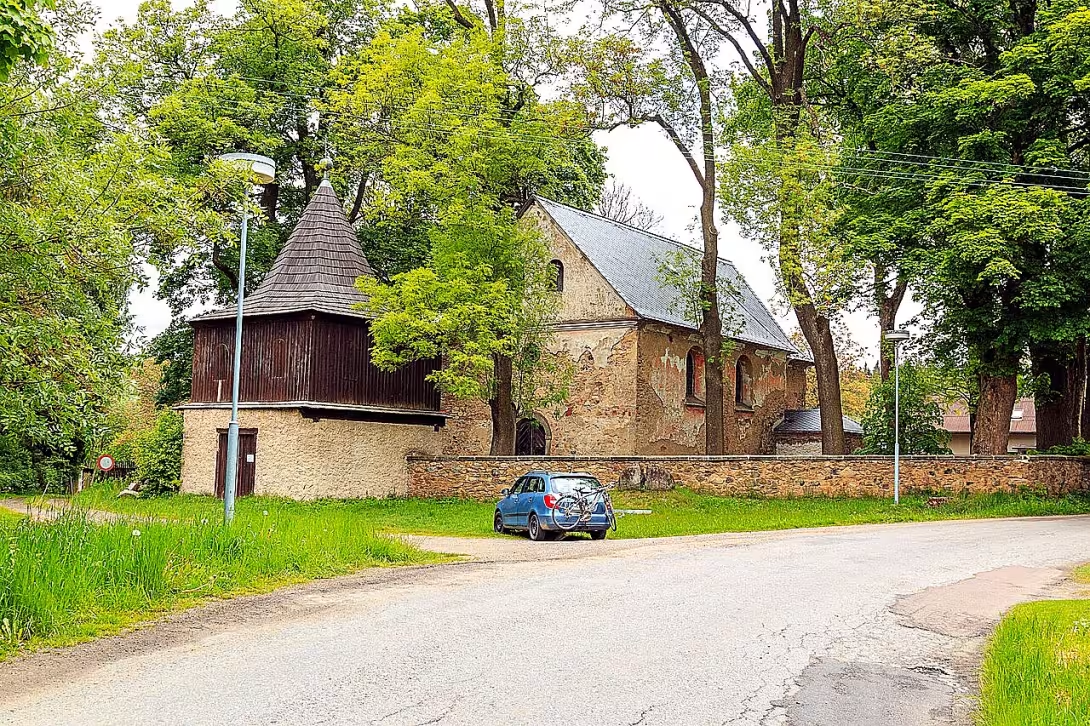
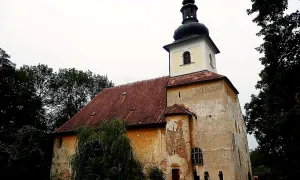
The Church of Saint Kunhuta in Polom is a notable example of rural sacred architecture from the late Renaissance period, featuring significant Baroque modifications around 1750. Situated in the village of Polom under Trhová Kamenice in the Chrudim District, this single-nave, towerless church reflects Bohemia's architectural and cultural shifts during its transition from medieval to modern forms. Recognized for its historical importance, it has been protected as a cultural monument since 2003.
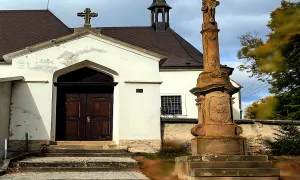
The origins of the Church of Saint Kunhuta date back to the late Renaissance at the turn of the 17th and 18th centuries. It underwent significant Baroque modifications around 1750, mirroring stylistic changes in Bohemia during that era. The church's southern main entrance once faced a village square that has nearly disappeared, highlighting its historical role as a central community landmark.
Architecturally, the church began as a Renaissance structure and received Baroque renovations to enhance its aesthetic appeal and functionality. In 1833, its roof and shingles were replaced for structural integrity against the elements. By 1896, a stone fence was constructed around it, further fortifying its presence in the village. Architect Jan Schmoranz played a crucial role during this period by overseeing repairs that included replacing wooden windows with special alloy ones to withstand harsh weather conditions and reinforcing ceilings with brick vaults for increased durability.
Ownership of the Church of Saint Kunhuta has seen notable changes over time. In 2003, it was designated as a protected cultural monument, highlighting its importance in regional heritage. By 2008, the church had fallen into disrepair but was purchased by František Václavík for a symbolic price from the church authorities. As of 2021, it is owned by the Polom association, which has taken responsibility for its preservation and maintenance.
The church's history includes several key events that underscore its resilience and adaptability. The Baroque modifications around 1750 marked a significant transformation in its architectural style. Subsequent renovations in 1833 and 1896 ensured its survival through changing times and environmental challenges. These efforts, particularly those led by Jan Schmoranz, have allowed the church to endure as a historical monument.
Today, the Church of Saint Kunhuta stands as a preserved piece of history, offering visitors a glimpse into the architectural evolution from the Renaissance to the Baroque period in rural Bohemia. Its current state reflects both its historical significance and the efforts made by local communities and individuals like František Václavík to maintain its legacy. The church is accessible to those interested in exploring the cultural heritage of the region, making it a worthwhile visit for anyone intrigued by architectural history and rural Bohemian culture.
The Church of Saint Kunhuta in Polom not only serves as a historical monument but also symbolizes community dedication to preserving cultural heritage. Its journey through time—from its Renaissance origins to Baroque modifications and modern-day preservation—invites visitors to appreciate the rich tapestry of history embedded within its walls. Whether you are an architecture enthusiast or simply curious about Bohemian history, this church offers a unique opportunity to connect with the past and reflect on the enduring legacy of cultural transformation.
Then and now
Drag the slider to compare how the landmark may have looked when it was built with the view today.
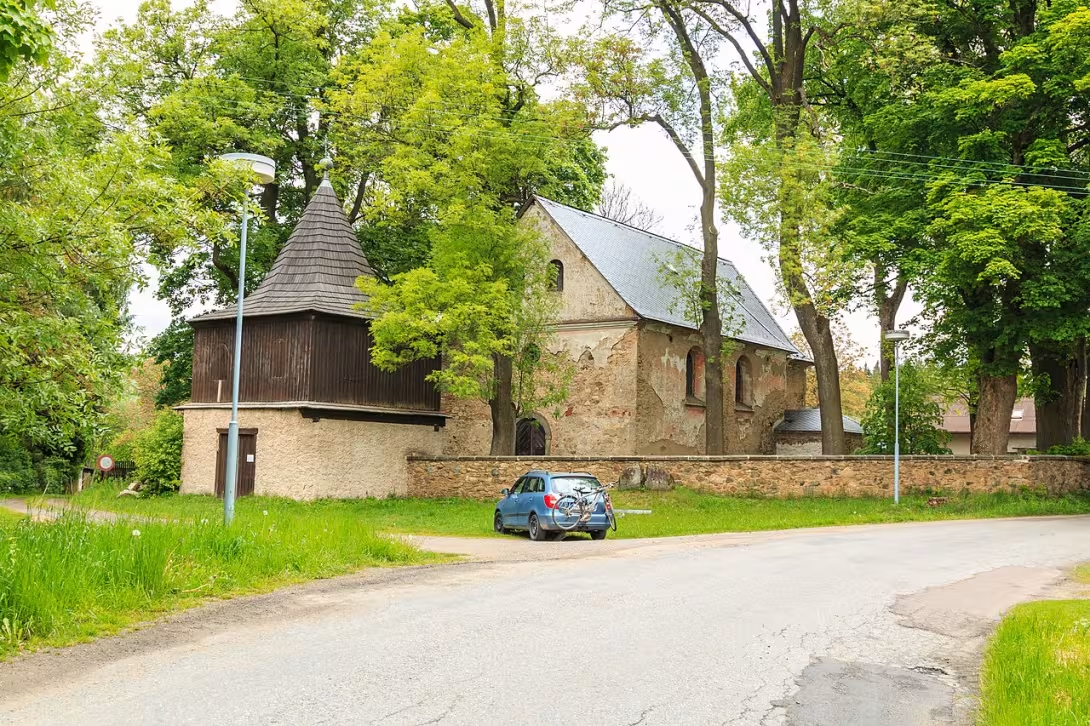
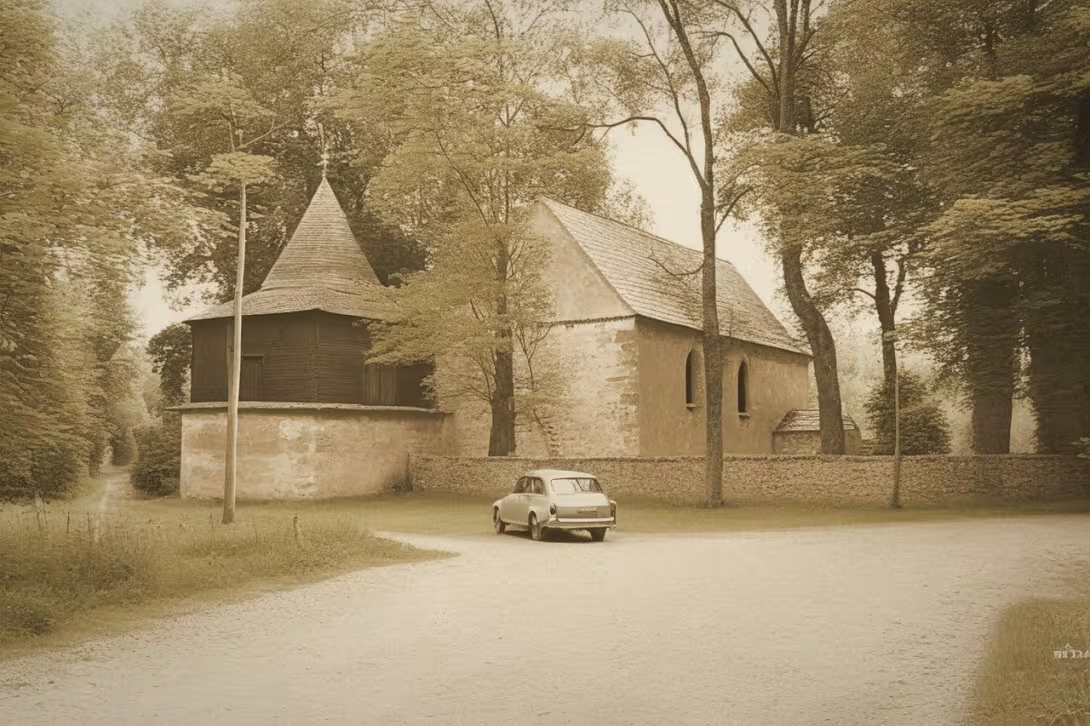
The historical appearance on the left is an AI-generated visualisation and serves as inspiration only.
Historical milestones
- 1750
- The church underwent Baroque modifications.
- 1833
- Replacement of the roof and shingles.
- 1896
- Construction of a stone fence and repairs by Jan Schmoranz.
Architectural development
The Church of Saint Kunhuta began as a Renaissance structure at the end of the 17th century. It received Baroque renovations around 1750. In 1833, its roof and shingles were replaced, and in 1896, a stone fence was added. Architect Jan Schmoranz oversaw repairs in 1896, replacing wooden windows with special alloy ones and reinforcing ceilings with brick vaults to enhance durability.
Historical events
Around 1750, the church underwent Baroque modifications.
In 1833, the roof and shingles were replaced.
In 1896, a stone fence was constructed.
Owners
In 2003, the church became a protected cultural monument. In 2008, it was purchased by František Václavík for a symbolic price from the church and is currently owned by the Polom association as of 2021.
Guide
This guide is narrated by a synthetic voice generated by artificial intelligence.
Show guide text
This text was created by artificial intelligence and has not been editorially reviewed. It may contain inaccuracies.
Welcome to the Church of Saint Kunhuta in Polom, a remarkable testament to the architectural evolution from the Renaissance into the Baroque period. As you stand here, enveloped by the serene landscape of Pardubický kraj, take a moment to absorb the simplicity and elegance that surrounds this single-nave structure. Notice how it gracefully lacks a tower, an uncommon feature for Bohemian churches of its time.
The origins of this church trace back to the late Renaissance era, with construction beginning around the turn of the 17th and 18th centuries. It was during the mid-18th century, specifically around 1750, that it underwent significant Baroque modifications, transforming its aesthetic and spiritual ambiance. This period marked a pivotal moment in its history, reflecting broader cultural shifts within the region.
As you gaze upon the church's southern main entrance, which once faced what was believed to be a village square, consider the architectural details before you. The absence of a tower directs your attention to other elements that define this sacred space. Its design and modifications over time speak volumes about the era's religious and social dynamics.
Jan Schmoranz played a crucial role in the church's history, particularly in 1896 when he was responsible for constructing a stone fence around it and undertaking repairs. This intervention not only preserved the structure but also added to its historical narrative, connecting past generations with those of today.
One fascinating aspect of this church is its unique transition from Renaissance to Baroque style without ever having had a tower. This architectural choice sets it apart in the landscape of Bohemian sacred buildings and invites reflection on the reasons behind such decisions during that period.
As you continue to explore, let your curiosity guide you through the layers of history embedded within these walls. Each stone tells a story, each modification marks an era, and together they weave a rich tapestry of cultural heritage waiting to be discovered.
We invite you to delve deeper into the mysteries and stories this church holds. As our audio journey concludes, we hope it has inspired you to further explore not only the Church of Saint Kunhuta but also the broader historical landscape of Polom and beyond. Thank you for joining us on this exploration of history, architecture, and spirituality.
Tips for visitors
The best time to visit the Church of Saint Kunhuta in Polom is during late spring or early autumn when the weather is mild, making it ideal for exploring both indoors and outdoors. These seasons offer pleasant temperatures and natural lighting that enhances the architectural beauty of this Renaissance church. Additionally, visiting outside peak summer months can mean fewer crowds, allowing for a more intimate experience with the site's history and architecture.
Parking near Polom is generally available in local areas; however, it's advisable to check ahead for any restrictions or availability issues, especially during weekends or holidays when visitors are more frequent. Public transportation options may be limited, so planning your trip with this in mind could save time and hassle. Consider using a combination of regional bus services that connect major towns to Polom, ensuring you verify the latest schedules online before departure.
When visiting the Church of Saint Kunhuta, it's recommended to bring comfortable walking shoes as exploring historical sites often involves some walking on uneven surfaces. A camera is essential for capturing the unique architectural details and serene atmosphere of the church. Since photography inside religious buildings may be restricted or require permission, checking these guidelines in advance can prevent any inconvenience.
For families with children visiting the Church of Saint Kunhuta, consider bringing along a small activity book related to history or architecture to keep them engaged while exploring the site. The area around Polom is peaceful and offers a chance for family walks after visiting the church. Exploring nearby historical sites within 30 minutes can extend your visit into an educational day trip, offering insights into the region's rich cultural heritage.
Businesses nearby
Do you run a restaurant, accommodation, shop, museum, rental, wellness or other visitor service near this monument? Show yourself directly to the people heading to it — this is how they will see you in the app and on the web:
Accommodation nearby
Themed route
Thematic Walking Tour: Discovering the Charm of Polom
1. Kostel svaté Kunhuty (Polom) - Church Begin your journey at the heart of Polom with the enchanting Kostel svaté Kunhuty, a stunning example of Baroque architecture that dates back to the 18th century. This church is renowned for its intricate frescoes and beautiful interior design, offering visitors a glimpse into the rich cultural heritage of the region.
2. Polom Village Square - Public Space A short walk from the church will lead you to the charming village square at the center of Polom. This quaint public space serves as a focal point for community gatherings and offers a serene setting to relax and enjoy the peaceful ambiance of this picturesque village.
3. Local Historical Museum (if available) - Museum If there's a local historical museum in Polom, make sure to visit it next. Although not explicitly listed, such museums often provide valuable insights into the history and traditions of the area through exhibits that highlight local artifacts, photographs, and stories from past generations.
4. Polom Cemetery - Historical Site Conclude your tour with a reflective walk through the Polom cemetery, which is typically located near historical sites like churches. This place offers not only a quiet space for contemplation but also an opportunity to appreciate the gravestones and memorials that tell stories of those who have shaped the community over the years.
This thematic walking tour allows you to immerse yourself in the cultural and historical essence of Polom, offering both architectural beauty and a sense of connection with the past.
Seasonal recommendations
Spring: Visiting the Church of Saint Kunhuta during spring offers a unique experience as nature awakens around Polom, with blooming flowers and lush greenery enhancing the historical charm of the church. The soft light filtering through budding trees creates an ethereal atmosphere, perfect for photography enthusiasts. Springtime is generally less crowded than summer, allowing visitors to appreciate the site's tranquility. It’s advisable to wear layers as temperatures can vary, and carry a jacket in case it gets chilly. Early mornings are ideal for exploring before the day warms up.
Summer: Summer at the Church of Saint Kunhuta is characterized by long daylight hours and vibrant natural surroundings, making it an excellent time for outdoor activities nearby. The lush landscapes provide a picturesque backdrop to the church's architecture. However, this is also peak tourist season, so expect larger crowds and plan your visit accordingly. Arriving early in the morning or later in the afternoon can help avoid the busiest times. Comfortable walking shoes and light clothing are recommended due to warmer temperatures, along with sun protection such as hats and sunscreen.
Autumn: The autumn months bring a stunning palette of colors to the Church of Saint Kunhuta, with fiery reds, oranges, and yellows enveloping the landscape in Polom. This season offers a peaceful yet visually captivating experience, ideal for those who appreciate nature’s beauty. While the weather is generally mild, it can be unpredictable, so dressing in layers is wise. The cooler temperatures make it comfortable to explore without the summer heat, and fewer visitors mean less crowded conditions. Late afternoons provide the perfect lighting for capturing the church against the autumn sky.
Winter: Visiting the Church of Saint Kunhuta during winter offers a serene and magical atmosphere as snow blankets Polom, transforming the landscape into a picturesque scene reminiscent of a storybook setting. The church's architecture is beautifully accentuated by the snowy surroundings, creating a unique visual experience. However, be prepared for shorter opening hours due to the cold weather, and ensure you have warm clothing, including a coat, gloves, and a hat, to stay comfortable during your visit. Winter can also mean fewer visitors, providing a more intimate exploration of this historic site.
Visualizations and artistic views


The visualisations are generated by artificial intelligence and serve as inspiration.
Photos from the area
Real photos taken near the monument


Zdroj a licence jsou uvedeny u každého snímku.
Tips from visitors
No tips yet. Be the first!
Log in and add your tip.
Sources and literature
Fotografie: Petr1888 / CC BY-SA 4.0 — Wikimedia Commons. The author and licence also appear when you hover over the image.
Faktickým podkladem tohoto textu byl článek na Wikipedii, jehož autory jsou přispěvatelé Wikipedie. Článek je dostupný pod licencí CC BY-SA 4.0.
Location on the map

Příběhy a pověsti
Legendy, pověsti a příběhy spjaté s touto památkou
Fotografie návštěvníků
Zatím žádné fotografie. Buďte první, kdo přidá fotografii z návštěvy!
Přihlaste se a přidejte svou fotografii nebo hodnoťte.
Za ověřenou návštěvu v aplikaci získáte víc bodů — poznáme podle GPS, že jste na místě.
Reviews and comments