






Kostel svaté Máří Magdalény (Liberec III-Jeřáb) Church
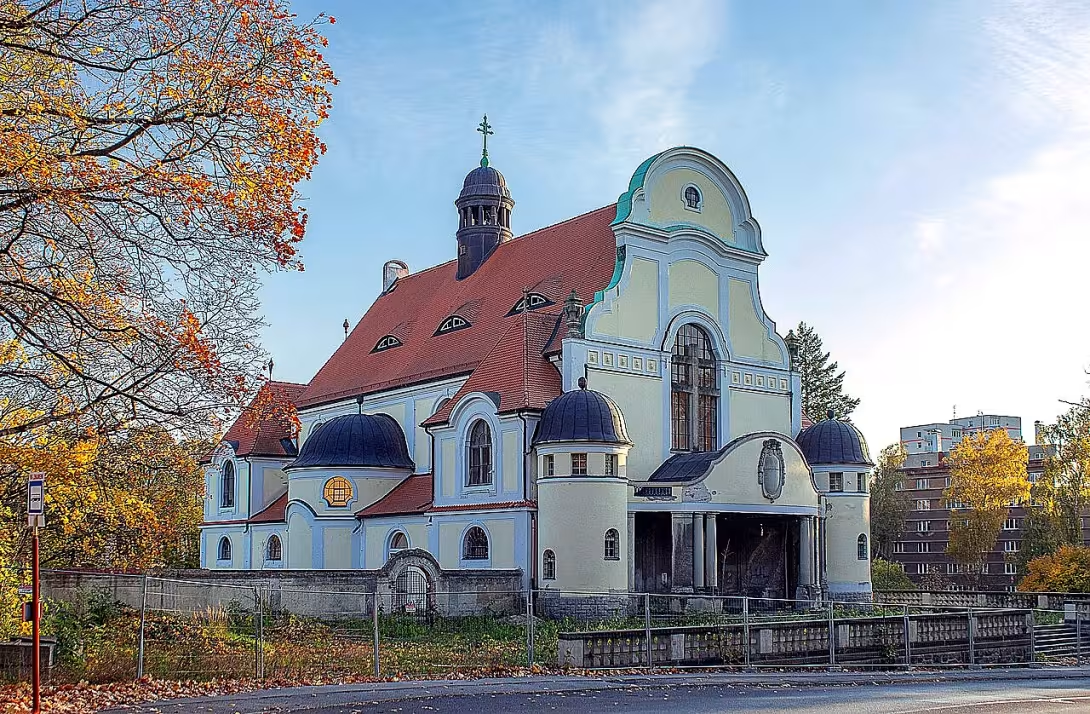
Kostel svaté Máří Magdalény, also known as the Jubilejní kostel, is a historical monument located at the intersection of Jungmannova Street in Liberec. It marks the boundary between Nové Město and Jeřáb districts. Constructed from 1908 to 1911, this former Capuchin monastery church features a unique blend of Neo-Baroque style with Secessionist elements. The church is notable for its architectural design and historical significance as a cultural monument designated in 1966.
The origins of Kostel svaté Máří Magdalény are rooted in the early 20th century, during a period celebrating Emperor Franz Joseph I's reign. Built to commemorate his sixtieth anniversary, it is often referred to as the Jubilejní kostel. The church replaced an earlier chapel dedicated to Zvěstování Panny Marie from 1735, located on a route leading from Františkova to Liberec's center. Despite challenges posed by its steeply sloped site at Keilův vrch, architects Albert Hübner and Max Kühn, along with Heinrich Fanta, successfully designed the structure.
Architecturally, the church features a spacious vaulted nave that is 28 meters long and 20 meters wide, culminating in a semicircular chancel. Instead of a traditional main tower, it boasts a secession-style sacristy. Flanking the nave are three chapels on each side, adding to its distinctive design. The church's southern side was later expanded with a small Capuchin monastery surrounded by a garden.
Ownership and administration have changed over time. Initially belonging to the Capuchin order, it served various secular purposes during socialism, including as a storage facility, depositary, and private residence. In 2006, the Iberus company acquired the building, and in 2011, GEPO began its reconstruction. However, this effort faced challenges due to financial discrepancies, leaving the project incomplete.
Throughout its history, Kostel svaté Máří Magdalény has witnessed several key events. It was consecrated on June 11, 1911, by Bishop Josef Gross of Litoměřice and later gained recognition as a cultural monument in 1966. The church's varied roles during socialism reflect the broader historical context of the region.
Today, Kostel svaté Máří Magdalény remains an intriguing site for visitors interested in architectural history and cultural heritage. Although its reconstruction is incomplete, the building stands preserved, offering a glimpse into early 20th-century Bohemian architecture. Its unique design and storied past make it a worthwhile destination for those exploring Liberec's rich historical landscape.
Kostel svaté Máří Magdalény embodies both architectural innovation and historical resilience, making it an essential part of Liberec's cultural fabric. Visitors are invited to explore this remarkable monument, appreciating its significance in the context of regional history and architecture.
Then and now
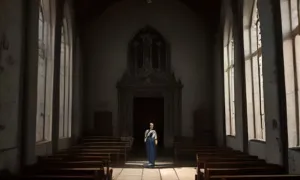
Drag the slider to compare how the landmark may have looked when it was built with the view today.
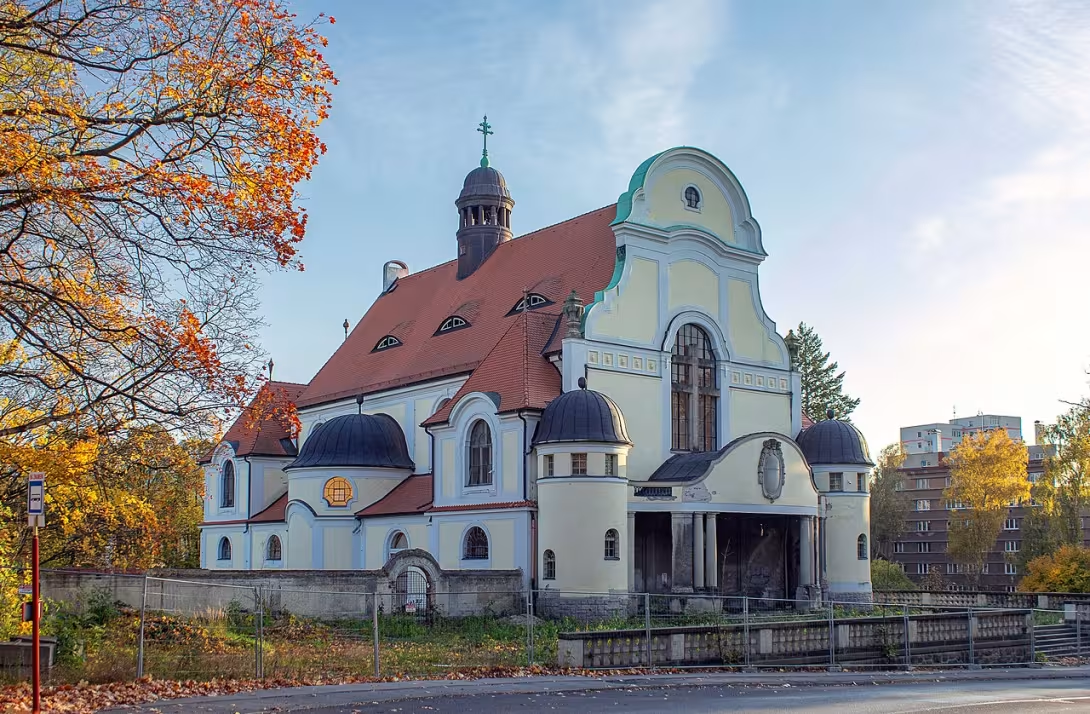
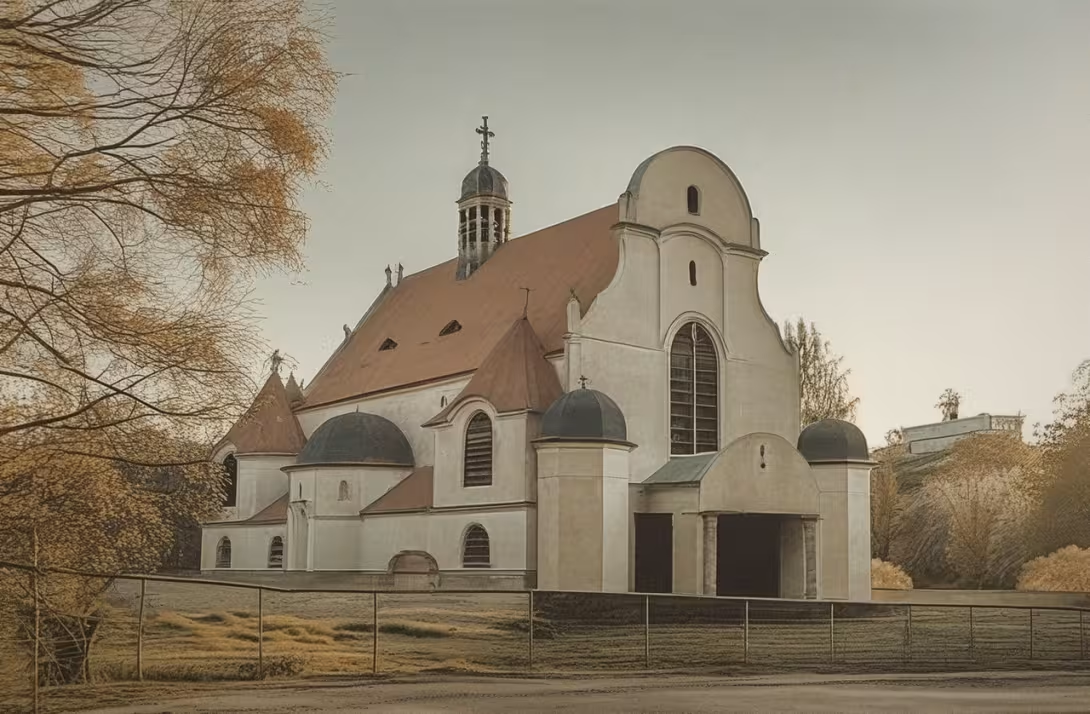
The historical appearance on the left is an AI-generated visualisation and serves as inspiration only.
Historical milestones
- 1911
- The church was consecrated by Bishop Josef Gross.
- 1966
- It was designated as a cultural monument.
Architectural development
Originally built in the Neo-Baroque style with Secessionist influences between 1908 and 1911, the church underwent significant changes during socialism when it served various secular purposes. A Capuchin monastery was added to its southern side post-construction. The building faced neglect for decades before a stalled reconstruction effort began in 2011.
Historical events
The church was consecrated on June 11, 1911, by Bishop Josef Gross of Litoměřice.
In 1966, it was designated as a cultural monument.
Owners
Originally owned by the Capuchin order, it later served various secular purposes including as a storage facility, depositary, private residence, and was eventually acquired by the Iberus company in 2006. The building is currently under reconstruction managed by GEPO.
Points of interest
- The Kostel svaté Máří Magdalény was originally built to commemorate Emperor Franz Joseph I's sixtieth anniversary, earning it the nickname "Jubilejní kostel," which highlights its connection to a significant historical event in the Austro-Hungarian Empire.
- Despite being constructed on a steeply sloped site at Keilův vrch, architects Albert Hübner and Max Kühn, along with Heinrich Fanta, successfully designed the church's unique architectural layout, showcasing their innovative approach to overcoming challenging terrain.
- The church replaced an earlier chapel dedicated to Zvěstování Panny Marie from 1735, indicating a transition in religious and community focus over nearly two centuries within the Liberec region.
- During socialism, Kostel svaté Máří Magdalény served various secular purposes such as a storage facility, depositary, and private residence, reflecting the broader socio-political changes impacting religious buildings in Czechoslovakia during that era.
- The incomplete reconstruction efforts by GEPO in 2011 due to financial discrepancies highlight ongoing challenges in preserving historical monuments while balancing modern economic realities.
Guide
This guide is narrated by a synthetic voice generated by artificial intelligence.
Show guide text
This text was created by artificial intelligence and has not been editorially reviewed. It may contain inaccuracies.
Welcome to the Kostel svaté Máří Magdalény, also known as the Jubilejní kostel, a remarkable piece of architectural history nestled in Liberec III-Jeřáb. As you stand here, take a moment to absorb the grandeur before you—a testament to faith and artistry from over a century ago.
The story of this church begins between 1908 and 1911 when it was constructed as part of a Capuchin monastery complex. Designed by architects Albert Hübner, Max Kühn, and Heinrich Fanta, the building is a fusion of Neo-Baroque style with Secessionist elements—a rare blend that speaks to its unique origins. It was built to commemorate Emperor Franz Joseph I's sixtieth anniversary in power, a significant event in the Austro-Hungarian Empire, which earned it the nickname "Jubilejní kostel."
As you look around, notice the spacious vaulted nave that gracefully ends in a semicircular chancel. On either side of this central area are three chapels, each with its own character and charm. Instead of a traditional sacristy, there's a Secession-style structure—a nod to the architectural influences of the time.
In 1911, Bishop Josef Gross consecrated the church, marking it as a place of worship and community. By 1966, its cultural significance was recognized when it was designated as a cultural monument, ensuring its preservation for future generations.
While there are no specific historical figures tied to this site beyond those involved in its creation, the church itself is a character in the story of Liberec. Its construction during a period of significant change and celebration within the empire adds layers to its history.
One intriguing aspect of Kostel svaté Máří Magdalény is its location on a steep slope—a challenging site that required innovative architectural solutions, contributing to its distinctive appearance.
As you continue your exploration, let yourself be drawn into the atmosphere of this sacred space. Feel the echoes of history and artistry around you, and imagine the community gatherings and solemn ceremonies it has witnessed over the years.
We invite you to delve deeper into the stories and details that make Kostel svaté Máří Magdalény a treasure in Liberec. Thank you for joining us on this journey through time and architecture. Safe travels as you continue your exploration of this historic site.
Tips for visitors
The best time to visit the Church of Saint Mary Magdalene is during late spring or early autumn when the weather is pleasant, and the surrounding green spaces are particularly beautiful. This period also tends to have fewer tourists compared to summer months, allowing for a more serene experience. The church's Neo-Baroque architecture can be appreciated without the crowds, and the natural light enhances its intricate details.
Parking near the Church of Saint Mary Magdalene is limited due to its urban location at the intersection of Jungmannova Street in Liberec. Visitors are advised to use nearby public parking facilities or consider using public transportation for convenience. The church is accessible by various modes of transport, including buses and trams, with routes that can be checked on local transit websites or apps.
When visiting the Church of Saint Mary Magdalene, it's advisable to wear comfortable walking shoes as you may want to explore the surrounding area, which includes Keilův vrch hill. Bringing a camera is recommended for capturing the church’s architectural beauty and the picturesque urban landscapes nearby. For those interested in photography, early morning or late afternoon light provides soft illumination that enhances the building's features.
For families with children, the Church of Saint Mary Magdalene offers an interesting historical site to explore together. The area around Keilův vrch hill can be a delightful spot for a family walk or picnic, providing both cultural and recreational activities in close proximity. Additionally, the urban setting means there are cafes and shops nearby where families can take breaks.
In addition to visiting the Church of Saint Mary Magdalene, consider exploring Keilův vrch hill within 30 minutes. This area offers panoramic views of Liberec and is a great spot for a leisurely walk or bike ride. The combination of historical architecture in the city center and natural landscapes nearby makes for a well-rounded visit.
Businesses nearby
Do you run a restaurant, accommodation, shop, museum, rental, wellness or other visitor service near this monument? Show yourself directly to the people heading to it — this is how they will see you in the app and on the web:
Nearby
Located in Liberec at the intersection of Jungmannova Street, the church is near Keilův vrch hill. The area features urban landscapes with historical buildings and green spaces.
Accommodation nearby
Trips and activities nearby
Guided tours, tickets and activities nearby from GetYourGuide
Affiliate link: if you buy from the partner, we may receive a commission. The price for you does not change.
Search tours and activities →Themed route
Tematická výletní trasa: Kostel svaté Máří Magdalény a okolí
1. Kostel svaté Máří Magdalény - *Typ:* Náboženská památka - *Proč stojí za návštěvu:* Tento barokní kostel, nacházející se na křižovatce Jungmannova ulice, je nejen významnou architektonickou památkou Liberce, ale také poskytuje pohled na historii a duchovní život města. Jeho bohaté interiér a umělecké prvky jsou fascinující pro každého návštěvníka.
2. Keilův vrch - *Typ:* Místní výšina - *Proč stojí za návštěvu:* Tato malebná výšina, nacházející se nedaleko kostela, nabízí pohled na Liberec a jeho okolí. Je ideálním místem pro krátkou procházku nebo relaxaci ve zeleni, což přidává k urbanistickému prostředí Liberce nádech klidu.
3. Historické budovy v okolí - *Typ:* Urbanistický areál - *Proč stojí za návštěvu:* Obklopující kostel se nachází řada historických domů a budov, které odrážejí bohatou architektonickou minulost Liberce. Procházka tímto obvodem nabídne návštěvníkům příležitost prozkoumat místní urbanismus a historii prostřednictvím zachovaných staveb.
4. Zelené prostory v okolí - *Typ:* Městské zelené plochy - *Proč stojí za návštěvu:* V oblasti kolem kostela a Keilova vrchu se nachází i malebné zelené prostory, které poskytují místo k odpočinku a příležitost si užít klidné chvilky v přírodě. Tyto plochy jsou ideální pro krátké relaxační pauzy během návštěvy Liberce.
Tato trasa nabízí kombinaci historických, kulturních a přírodních atrakcí v centru Liberce, což umožňuje návštěvníkům prozkoumat město z různých úhlů.
Seasonal recommendations
Spring: Visiting the Church of Saint Mary Magdalene during spring offers a breathtaking view as nature awakens around Liberec III-Jeřáb. The surrounding landscape is adorned with vibrant flowers and budding trees, creating a picturesque setting that enhances the church's historical charm. As daylight extends, the natural light beautifully illuminates both the exterior and interior of the church, making it an ideal time for photography enthusiasts. Visitors should be prepared for occasional rain showers typical of spring, so wearing layers and carrying an umbrella is advisable. This season sees moderate crowds, allowing for a more relaxed exploration.
Summer: The summer months bring long days and warm weather to the Church of Saint Mary Magdalene, making it perfect for leisurely visits during the day. The lush greenery surrounding the church provides a serene backdrop, while the increased daylight hours offer ample time to appreciate both the ongoing reconstruction efforts and the historical architecture. This is also the peak tourist season, so arriving early in the morning can help avoid larger crowds. Comfortable walking shoes and light clothing are recommended due to the warmer temperatures.
Autumn: Autumn transforms Liberec III-Jeřáb into a canvas of warm colors with its rich palette of reds, oranges, and yellows. The church stands as a stunning focal point amidst the falling leaves, offering a magical atmosphere that is particularly enchanting during this season. As days grow shorter, planning your visit to coincide with daylight hours ensures you make the most of the natural lighting. Cooler temperatures mean visitors should dress warmly in layers, and carrying a light jacket can be beneficial for those chilly autumn evenings.
Winter: Winter at the Church of Saint Mary Magdalene is characterized by its quiet beauty, as snow blankets the surrounding landscape, creating a serene and almost mystical atmosphere. The shorter days mean that visits are best planned during daylight hours to fully appreciate the church's architecture against the snowy backdrop. Wintertime sees fewer visitors, providing an intimate experience with the site. It’s essential to dress warmly in layers, wear waterproof boots for any snow or ice, and be prepared for potential closures due to weather conditions.
Visualizations and artistic views


The visualisations are generated by artificial intelligence and serve as inspiration.
Photos from the area
Real photos taken near the monument


Zdroj a licence jsou uvedeny u každého snímku.
Tips from visitors
No tips yet. Be the first!
Log in and add your tip.
Sources and literature
Fotografie: VitVit / CC BY-SA 4.0 — Wikimedia Commons. The author and licence also appear when you hover over the image.
Faktickým podkladem tohoto textu byl článek na Wikipedii, jehož autory jsou přispěvatelé Wikipedie. Článek je dostupný pod licencí CC BY-SA 4.0.
Location on the map
Příběhy a pověsti
Legendy, pověsti a příběhy spjaté s touto památkou
Fotografie návštěvníků
Zatím žádné fotografie. Buďte první, kdo přidá fotografii z návštěvy!
Přihlaste se a přidejte svou fotografii nebo hodnoťte.
Za ověřenou návštěvu v aplikaci získáte víc bodů — poznáme podle GPS, že jste na místě.
Reviews and comments