






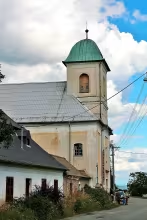
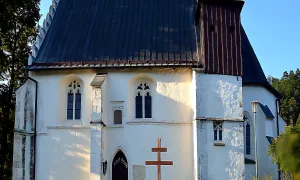
The Church of Saint Bartholomew in Dlouhá Lhota stands as a testament to religious devotion and architectural evolution within the Blansko District of the Czech Republic. This Roman Catholic church is not only a place of worship but also a cultural monument, recognized for its historical significance and unique design. Constructed in 1804, it replaced earlier structures that had served the community since at least the fifteenth century. Its architecture features a single-nave layout with a square presbytery and an attached sacristy, both covered by distinctive Prussian vaults.
Dlouhá Lhota traces its origins back to the 13th century, marking it as one of the older settlements in the region. The parish was established in 1784 and elevated to full status in 1858. This timeline reflects the evolving religious landscape of the area, particularly during a period when Bohemia was part of the Austrian Empire. The early 19th century, marked by significant political upheavals such as the Napoleonic Wars and the Congress of Vienna, provided the backdrop for constructing the current church building.
Architecturally, the Church of Saint Bartholomew is notable for its single-nave design with a square presbytery. The use of Prussian vaults in both the nave and the presbytery adds to its distinctiveness. These architectural elements reflect the styles and techniques prevalent at the time of its construction. Additionally, the church houses significant artifacts such as a liturgical chalice crafted in 1503 and two bells cast in 1496 and 1518, respectively, which add historical depth to the site.
Throughout its history, the church has seen various administrative changes. Initially, Dlouhá Lhota had its own spiritual leader until 1625 when it became part of the Bořitov parish. This arrangement lasted until 1784 when a local chaplaincy was established, eventually leading to an independent parish in 1858. These shifts highlight the dynamic nature of ecclesiastical administration in response to broader social and political changes.
The church has witnessed several key events that underscore its historical importance. The crafting of the liturgical chalice in 1503 and the casting of bells in 1496 and 1518 are notable milestones, reflecting both religious practices and local craftsmanship. These artifacts not only serve functional purposes but also connect present-day visitors with the church's storied past.
Today, the Church of Saint Bartholomew remains a vital part of Dlouhá Lhota’s cultural heritage. It continues to function as an active parish church, welcoming worshippers and tourists alike. Its status as a protected cultural monument ensures its preservation for future generations. Visitors are drawn not only by its religious significance but also by the opportunity to explore a piece of architectural history that has stood the test of time.
The Church of Saint Bartholomew in Dlouhá Lhota is more than just a place of worship; it is a living monument encapsulating centuries of history, artistry, and community life. Its preservation as a cultural landmark invites both reflection on its past and appreciation for its enduring presence. For those interested in exploring the rich tapestry of Czech history and architecture, a visit to this remarkable church offers an insightful glimpse into the region's heritage.
Historical milestones
- 1503
- The liturgical chalice used in the church was crafted.
- 1496
- A bell cast for the church tower.
- 1518
- Another bell was dated to this year.
Architectural development
Originally, there were religious structures on this site by at least the fifteenth century. The current church was constructed in 1804, featuring a single nave with a square presbytery and sacristy, both covered by Prussian vaults.
Historical events
First mention of Dlouhá Lhota dates back to the 13th century.
The parish was established in 1784 and elevated to a full parish in 1858.
Points of interest
- The Church of Saint Bartholomew features Prussian vaults in both its nave and presbytery, a distinctive architectural element that reflects the construction styles prevalent at the time of its building in 1804.
- Among its historical artifacts is a liturgical chalice crafted in 1503, which not only serves religious functions but also connects visitors to the church's rich history and local craftsmanship traditions from centuries ago.
Guide
Show guide text
Welcome to the Church of Saint Bartholomew in Dlouhá Lhota, a serene and historic gem nestled within this charming village in the Blansko District. As you stand here, take a moment to soak in the tranquil presence of this Roman Catholic parish church, which is recognized as a cultural monument of the Czech Republic.
The current structure dates back to 1804, replacing earlier religious buildings that have stood since at least the fifteenth century. This single-nave church stands as a testament to the enduring faith and community spirit of Dlouhá Lhota over centuries. As you look around, notice its simple yet elegant architecture—a reflection of both its time and purpose.
Now, let your gaze sweep across the interior where Prussian vaults grace both the nave and presbytery. These distinctive architectural elements are a hallmark of the church's construction style from 1804, creating an atmosphere that feels both grand and intimate. The craftsmanship is evident in every detail, inviting you to explore further.
The church holds treasures within its walls, including a liturgical chalice crafted in 1503—a remarkable artifact that whispers stories of past ceremonies and devout gatherings. Nearby, the echoes of history resonate with the presence of bells cast for this very tower—one from 1496 and another dated to 1518. These bells have likely called the faithful together through countless seasons.
While specific architects or historical figures associated with the church remain unknown, their legacy is alive in every stone and artifact that you encounter here today. Each element tells a story of faith, community, and continuity across generations.
As we conclude this brief journey, I invite you to linger a little longer, perhaps to imagine the lives that have intersected within these walls or simply to appreciate the quiet beauty surrounding us. Thank you for exploring with me, and may your visit inspire reflection and discovery as you continue through Dlouhá Lhota.
Farewell, until we meet again in another place of wonder and history.
Tips for visitors
The best time to visit the Church of Saint Bartholomew in Dlouhá Lhota is during late spring or early autumn when the weather is pleasant, allowing for a comfortable exploration of both the church and its surroundings. These seasons offer vibrant natural scenery that enhances the experience. Additionally, visiting on weekdays can provide a quieter atmosphere compared to weekends.
Parking is available in Dlouhá Lhota, but it's advisable to check local resources or maps prior to your visit for specific locations. The village is accessible by public transport; however, you should verify current routes and schedules using a transportation search tool to ensure smooth travel. Combining both methods can offer flexibility depending on your needs.
When visiting the church, consider bringing comfortable walking shoes as you may want to explore the area around Dlouhá Lhota. A camera is recommended for capturing the architectural details of the church and the picturesque landscapes nearby. Additionally, a light jacket might be useful due to variable weather conditions in these seasons.
For photography enthusiasts, the best spots include the exterior façade of the Church of Saint Bartholomew during golden hour (early morning or late afternoon) when natural lighting accentuates its features. Inside, capturing the interior details can benefit from softer daylight entering through windows. Be mindful of any restrictions on flash photography inside the church.
Nearby, within a 30-minute drive, you might explore other historical sites in the Blansko District that offer cultural insights and scenic beauty. While specific recommendations are not provided here, local tourist information centers can suggest additional attractions to complement your visit to Dlouhá Lhota.
Businesses nearby
Do you run a restaurant, accommodation, shop, museum, rental, wellness or other visitor service near this monument? Show yourself directly to the people heading to it — this is how they will see you in the app and on the web:
Accommodation nearby
Trips and activities nearby
Guided tours, tickets and activities nearby from GetYourGuide
Search tours and activities →Themed route
Tematická výletní trasa: Kostel svatého Bartoloměje ve Dlouhé Lhotě
1. Kostel svatého Bartoloměje (Dlouhá Lhota) *Typ:* Náboženská památka *Proč stojí za návštěvu:* Tento barokní kostel je nejvýraznější architektonickou památkou ve Dlouhé Lhotě. Jeho bohatě zdobené interiéry a historie přitahují návštěvníky, kteří mají zájem o duchovní i kulturní dědictví regionu.
2. Kaple svaté Anny (Dlouhá Lhota) *Typ:* Kaple *Proč stojí za návštěvu:* Tato kaple, nacházející se nedaleko kostela svatého Bartoloměje, je známá svým klidným prostředím a historickou architekturou. Je ideální pro ty, kteří hledají místo na odpočinek a reflexi.
3. Náves ve Dlouhé Lhotě *Typ:* Místní centrum *Proč stojí za návštěvu:* Náves je srdcem obce, kde se nachází místní obchody a restaurace. Poskytuje příležitost prozkoumat místní gastronomii a zapojit se do života komunity.
4. Oblast kolem kostela (nádvoří) *Typ:* Bezprostřední okolí památky *Proč stojí za návštěvu:* Nádvoří před kostelem nabízí klidné prostory, kde si můžete užít krásných zahrad a možná i náhodného koncertu nebo akce. Je to ideální místo pro relaxaci po prozkoumání kostela.
5. Místní muzeum (Dlouhá Lhota) *Typ:* Místní kulturní instituce *Proč stojí za návštěvu:* Muzeum nabízí exponáty, které osvětlují historii a kulturu obce. Je to skvělý způsob, jak se dozvědět více o místním dědictví a životě v minulosti.
Tato trasa nabízí komplexní pohled na kulturní a historické aspekty Dlouhé Lhoty, přičemž se soustředí na hlavní památku i její okolí.
Seasonal recommendations
Spring: The arrival of spring at the Church of Saint Bartholomew in Dlouhá Lhota is marked by a vivid transformation as nature awakens around this historic site. The surrounding landscape bursts into color with blooming wildflowers and lush greenery, creating an enchanting backdrop for visitors. This season offers a gentle atmosphere, ideal for leisurely exploration without the crowds typical of peak tourist periods. To fully enjoy your visit, consider wearing comfortable walking shoes and layers that can be adjusted to accommodate fluctuating temperatures throughout the day.
Summer: Summer at the Church of Saint Bartholomew is characterized by long days filled with warm sunlight, making it a perfect time for outdoor activities in the picturesque Jihomoravský region. The lush greenery surrounding the church provides a serene setting, while the pleasant weather invites visitors to linger and explore the area's natural beauty. However, this season also attracts more tourists, so arriving early can help you avoid larger crowds. Light clothing is recommended to stay comfortable in the summer heat.
Autumn: Autumn brings a stunning display of colors as the leaves around the Church of Saint Bartholomew turn into vibrant shades of red, orange, and gold. This picturesque setting creates a cozy and tranquil atmosphere, perfect for photography enthusiasts and nature lovers alike. The cooler temperatures make it an ideal time to visit without the summer crowds, allowing for a more relaxed experience. Dressing in layers is advisable as the weather can be quite variable during this season.
Winter: Winter transforms the Church of Saint Bartholomew into a serene and magical site, with snow often blanketing the surrounding landscape, adding a touch of enchantment to its historic architecture. The shorter days mean that visits should be planned for daylight hours, and the colder weather necessitates warm clothing. While fewer tourists visit during this time, it's important to check opening hours as they may vary in winter. This season offers a unique opportunity to experience the church in a peaceful setting, away from the bustle of busier times.
Visualizations and artistic views

Vizualizace jsou generovány umělou inteligencí a slouží jako inspirace.


Tips from visitors
No tips yet. Be the first!
Log in and add your tip.


Reviews and comments