






kostel svatého Ondřeje (Popice) Church
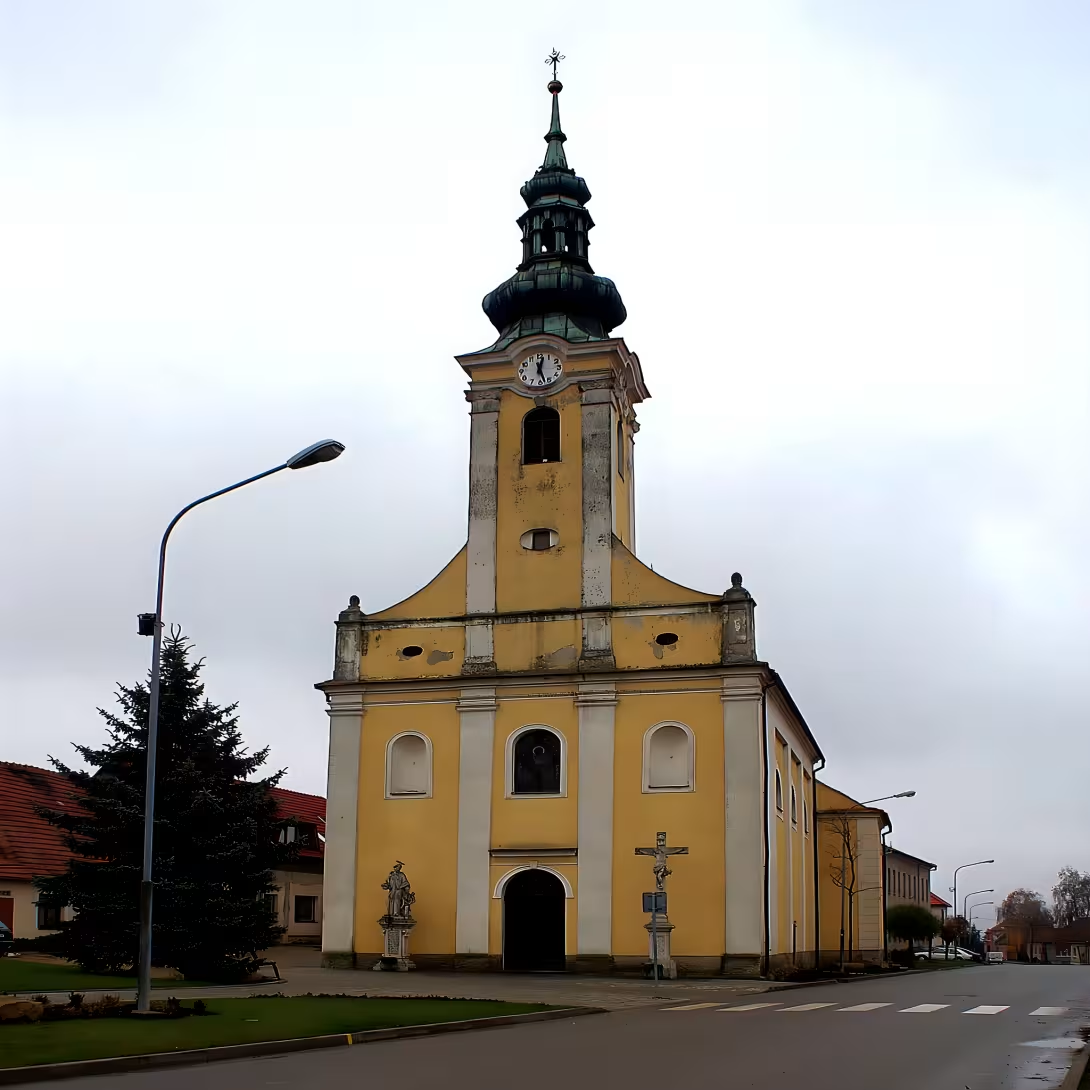
The Church of Saint Andrew in Popice is a remarkable example of architectural evolution, showcasing both historical significance and cultural heritage within the Czech Republic. Situated in the village of Popice in the Břeclav District, this Roman Catholic church serves as a place of worship and is recognized as a designated cultural monument. Initially built in the Romanesque style, it has undergone significant transformations over the centuries to its current Baroque form. These changes were influenced by aesthetic trends and practical needs following events like fires that required reconstruction.
The origins of the Church of Saint Andrew date back to the Romanesque period when Bohemia was part of the Holy Roman Empire. This era saw considerable cultural and architectural development, laying the groundwork for the church's initial construction. Although specific details about its earliest history are not extensively documented, it is evident that the church has been a vital community fixture since its inception. The Baroque transformations occurred during Habsburg rule, reflecting broader European trends towards more ornate artistic expressions.
Architecturally, the Church of Saint Andrew began as a Romanesque structure but underwent significant changes between 1696 and 1699. During this period, it was extended, and a new tower was constructed. However, in 1716, a fire destroyed the original shingled tower, leading to its reconstruction with a bulbous shape by Andreas Voith in 1781. This design choice not only restored the church but also added a distinctive architectural feature that remains notable today. Another fire in 1806 necessitated further modifications, resulting in the current form of the tower established in 1860.
Throughout its history, the Church of Saint Andrew has been an important religious site for the local community. It serves as the parish church for the farnost Popice u Hustopečí, maintaining its role as a center for worship and community gatherings. The interior is adorned with Baroque elements, featuring side altars dedicated to Our Lady of Perpetual Help and Saint Anthony of Padua, enhancing its spiritual and artistic significance.
Today, the Church of Saint Andrew remains accessible to visitors interested in exploring its rich history and architectural beauty. As a cultural monument, it offers insights into the historical transformations that have shaped not only the church itself but also the broader region. Its designation as a protected site underscores its importance within the Czech Republic's cultural heritage.
Visiting the Church of Saint Andrew provides an opportunity to witness firsthand the blend of Romanesque and Baroque architectural styles, each telling a story of resilience and adaptation through centuries. The church stands not only as a place of worship but also as a historical landmark that invites exploration and appreciation for its enduring legacy.
Then and now
Drag the slider to compare how the landmark may have looked when it was built with the view today.
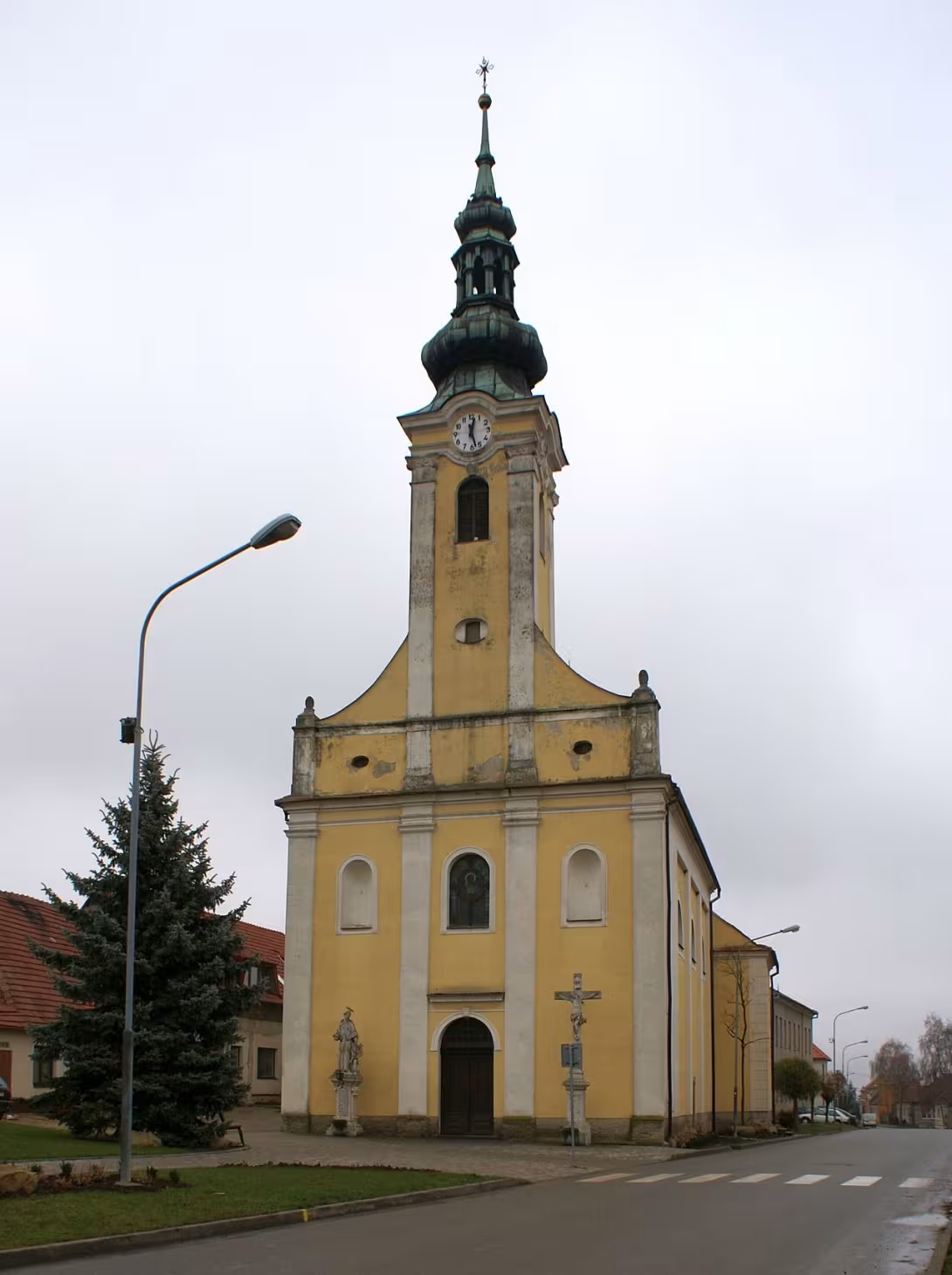

The historical appearance on the left is an AI-generated visualisation and serves as inspiration only.
Historical milestones
- 1696
- The church was extensively rebuilt and extended.
- 1716
- A fire destroyed the original shingled tower.
- 1781
- The tower was reconstructed with a bulbous shape by Andreas Voith.
- 1806
- Another fire led to further modifications of the tower.
- 1860
- The current form of the tower was established.
Architectural development
The Church of Saint Andrew began as a Romanesque structure and underwent significant changes between 1696 and 1699 when it was extended and received a new tower. The original shingled tower burned down in 1716, leading to its reconstruction with a bulbous design by Andreas Voith in 1781. A subsequent fire in 1806 necessitated further modifications, culminating in the current form of the tower established in 1860.
Historical events
The church was extensively rebuilt between 1696 and 1699, during which it was extended and a new tower was constructed.
A fire in 1716 destroyed the original shingled tower, leading to its reconstruction with a bulbous shape by Andreas Voith in 1781.
Another fire in 1806 led to further modifications, resulting in the current form of the tower established in 1860.
Guide
This guide is narrated by a synthetic voice generated by artificial intelligence.
Show guide text
This text was created by artificial intelligence and has not been editorially reviewed. It may contain inaccuracies.
The Church of Saint Andrew is a Roman Catholic church in Popice in the Břeclav district. It serves as the parish church of the Popice u Hustopečí parish and is protected as a cultural monument of the Czech Republic.
The building has Romanesque origins. Between 1696 and 1699, it underwent extensive reconstruction. The church was lengthened at that time and received a new tower covered with shingles. However, it did not last long – it burned down during a fire in the village in 1716.
In 1781, the tower received an onion-shaped dome. It was built by Andreas Voith from Popice. In 1806, the tower burned down for the second time, and it has had its present appearance since 1860.
The interior of the church is Baroque in style. The side altars are dedicated to the Virgin Mary Help of Christians and Saint Anthony of Padua.
Tips for visitors
The best time to visit the Church of Saint Andrew in Popice is during late spring or early autumn. During these months, the weather is typically mild and pleasant, making it ideal for exploring both the church's interior and its surrounding areas. Additionally, visiting outside of peak tourist seasons ensures a quieter experience, allowing you to appreciate the historical architecture without large crowds.
This ensures a smooth journey to this serene location nestled within the Břeclav District.
When visiting the Church of Saint Andrew, consider bringing comfortable walking shoes as you may want to explore the surrounding village of Popice. A camera is also recommended for capturing the intricate Romanesque details of the church's architecture and any picturesque views in the area. Additionally, carrying a light jacket can be useful if weather conditions change unexpectedly.
For photography enthusiasts, the best spots around the Church of Saint Andrew are during the golden hours—shortly after sunrise or before sunset—when natural lighting enhances the textures and colors of the church's architecture. Inside, capturing the stained glass windows in soft daylight provides a vibrant contrast against the stone structure. Families with children will find the peaceful atmosphere conducive to exploration, and there may be local legends or stories about the church that can engage young visitors.
In the vicinity of Popice, you can visit other historical sites within a 30-minute drive. These include nearby castles or manor houses that offer insights into regional history and architecture. Exploring these places provides a broader understanding of the area's cultural heritage and is an excellent way to spend a day immersed in history.
Frequently asked questions
Can the monument be visited?
Religious buildings are usually open mainly during services; at other times a visit is normally arranged with the parish or the operator. We have not verified specific times.
Where is the monument?
Location: Popice, Jihomoravský kraj. The map on this page shows the exact spot.
Why is the monument protected?
It is listed in the Central List of Cultural Monuments of the Czech Republic as a cultural monument (register no. 1000129271).
Businesses nearby
Do you run a restaurant, accommodation, shop, museum, rental, wellness or other visitor service near this monument? Show yourself directly to the people heading to it — this is how they will see you in the app and on the web:
Accommodation nearby
Themed route
Thematic Walking Tour: Popice and Surroundings
1. Kostel svatého Ondřeje (Popice) - Church Begin your journey at the heart of Popice with the Church of Saint Andrew, a stunning example of Baroque architecture. This church is not only a spiritual center but also a historical monument that offers insight into the region's rich cultural heritage. Explore its intricate interior and enjoy the peaceful ambiance.
2. Popice Village Square - Public Space A short walk from the church, visit the charming village square in Popice. This area serves as the community hub where locals gather for events and markets. Take a moment to appreciate the traditional architecture of surrounding buildings and imagine life in this quaint village through different eras.
3. Local Farmsteads - Agricultural Sites Venture slightly outside the village center to explore nearby farmsteads that dot the landscape around Popice. These sites offer a glimpse into the rural lifestyle and agricultural practices that have sustained the community for generations. Observe traditional farming techniques and perhaps interact with local farmers who can share stories about their way of life.
4. Walking Trail through Countryside - Nature Path Conclude your tour by following a walking trail through the picturesque countryside surrounding Popice. This path provides an opportunity to enjoy the natural beauty of Jihomoravský kraj, with its rolling fields and serene landscapes. It's a perfect way to reflect on the day’s experiences while taking in fresh air and tranquility.
This thematic tour offers a blend of cultural, historical, and natural exploration, providing a comprehensive experience of Popice and its immediate surroundings.
Seasonal recommendations
Spring: Visiting the Church of St. Andrew in Popice during spring offers a unique experience as nature awakens around this historical site. The surrounding landscape is adorned with blooming flowers and lush greenery, creating an enchanting atmosphere that complements the serene beauty of the church. With longer daylight hours, you can enjoy the soft morning light filtering through stained glass windows, enhancing their vibrant colors. Springtime may bring increased visitor numbers as people flock to enjoy the rejuvenating environment, so arriving early is advisable. Comfortable walking shoes and layers are recommended due to variable weather conditions.
Summer: Summer at the Church of St. Andrew in Popice provides a warm and inviting atmosphere for visitors. The church grounds become vibrant with lush greenery, making it an ideal time for outdoor exploration. However, this season also attracts larger crowds, especially during peak tourist hours, so planning your visit early in the morning or later in the afternoon can help avoid the busiest times. Light, breathable clothing is recommended to stay comfortable under the summer sun, and carrying water is essential. The extended daylight allows ample time for a leisurely visit.
Autumn: Autumn brings a picturesque setting to the Church of St. Andrew in Popice, with vibrant fall foliage creating a stunning backdrop for visitors. The changing leaves provide a warm, golden hue that enhances the historical charm of the church. Cooler temperatures make it an ideal season for a comfortable stroll around the area. As visitor numbers tend to decrease compared to summer months, you can enjoy a more tranquil experience. Dressing in layers is advisable due to fluctuating weather conditions, and bringing a light jacket or sweater can ensure comfort during your visit.
Winter: The Church of St. Andrew in Popice offers a serene and mystical atmosphere during winter. Snowfall transforms the surroundings into a picturesque landscape, with the church standing as a timeless beacon amidst the quiet beauty of the season. However, shorter daylight hours mean that visits should be planned earlier in the day to fully appreciate the site's features before closing time. Winter also brings colder temperatures, so dressing warmly is essential, including wearing hats and gloves for added comfort. While visitor numbers may be lower, it’s important to check ahead as operating hours might be reduced during this season.
Visualizations and artistic views


The visualisations are generated by artificial intelligence and serve as inspiration.
Photos from the area
Real photos taken near the monument


Zdroj a licence jsou uvedeny u každého snímku.
Tips from visitors
No tips yet. Be the first!
Log in and add your tip.
Sources and literature
Photos: feťour / Public domain, rozlišení zvýšeno umělou inteligencí — Wikimedia Commons. The author and licence also appear when you hover over the image.
Faktickým podkladem tohoto textu byl článek na Wikipedii, jehož autory jsou přispěvatelé Wikipedie. Článek je dostupný pod licencí CC BY-SA 4.0.
Location on the map




Příběhy a pověsti
Legendy, pověsti a příběhy spjaté s touto památkou
Fotografie návštěvníků
Zatím žádné fotografie. Buďte první, kdo přidá fotografii z návštěvy!
Log in a přidejte svou fotografii nebo hodnoťte.
Za ověřenou návštěvu v aplikaci získáte víc bodů — poznáme podle GPS, že jste na místě.
Reviews and comments