






kostel svatého Bartoloměje (Jevíčko) Church
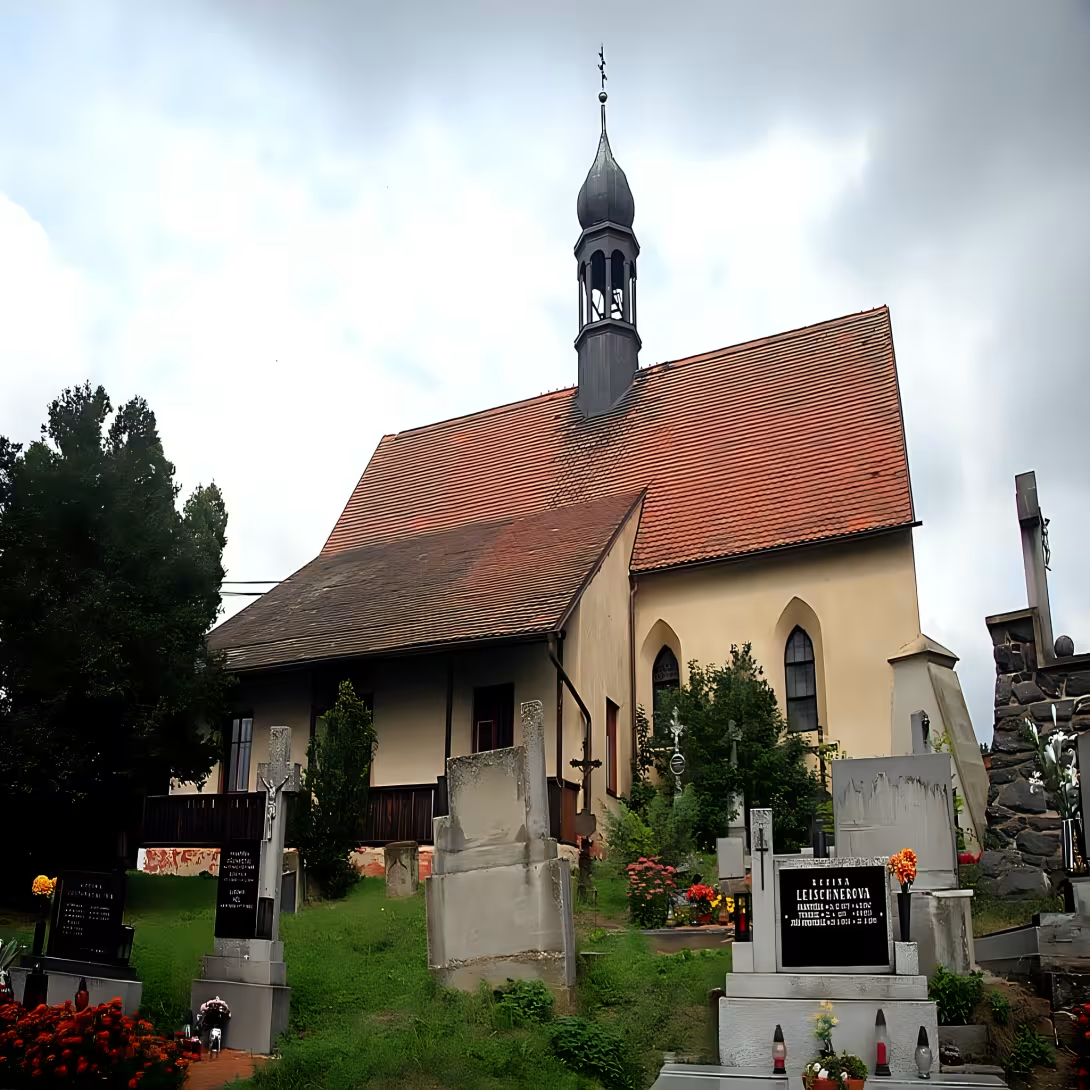
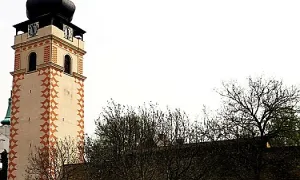
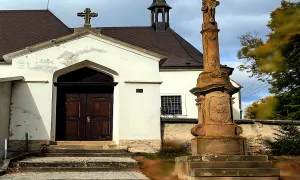
The Church of Saint Bartholomew in Jevíčko is a filial church located about 1.5 km from the city center in the direction of Zadní Arnoštov. This historical monument stands on a small hill with a modest cemetery and has the only access path to it. It is the oldest preserved structure in the cadastral area of Jevíčko, which indicates the former medieval settlements that preceded the city itself. The architectural style of the church is first and foremost Gothic, although it has undergone several modifications for centuries.
The Church of Saint Bartholomew was probably built at the turn of the 13th and 14th centuries, which refers to its historical importance as medieval structures. This period in Bohemia, in the part of the Holy Roman Empire, has seen significant religious and political changes, with Gothic architecture reflecting wider European trends. The existence of the church suggests an earlier settlement in front of Jevíčko itself. Historical sources show that stoneware fragments from missing communities such as Martinov and Ursedel were found nearby, with the latest mention of these settlements from 1258.
The company church is an architecturally single-boat building with a Gothic core, on which after 1600 a sloping roof with bell tower joined. In 1906 there were significant changes, including the removal of the side altar dedicated to the Holy Trinity and the replacement of his wooden fence around the cemetery by a brick wall. The big fire on June 15, 1936, probably caused by lightning, led to extensive repairs under the supervision of Karel Mackerl. They included renovation of the roof and renovation of the interior, resulting in an annex for housing.
Throughout his history the church saw various inhabitants and events that shaped his story. In 1763 the hermit was reported to live near the church until the 19th century, while Antonín Giessel was the last local hermit who died in 1892. His grave is next to the wall of the church. The interior of the church reflects changes in time, originally living a late baroque altar with a painting of the martyrdom of St. Bartholomew around 1670, later acquired organs from Olomouc's church of St. Michael in 1896, although they were placed on the ground floor due to spatial constraints.
Today the church is under the administration of the Roman Catholic parish Jevíčko and since 1958 it has been protected as a cultural monument. Regular services do not take place here; Instead, an annual pilgrimage is held in honor of St. Bartholomew. The surrounding cemetery serves communities as Bělá, Rear Arnoštov and Víska. The memorial plate at the entrance resembles its history, while the stop on the literary trail "Travelling beyond Krhomilka," which was founded in 2016, marks the end of this cultural journey near the cemetery.
Visitors to St. Bartholomew's Church can appreciate its historical significance and architectural evolution. Its peaceful setting and connections with local traditions make it a valuable destination for interested people to explore the rich tapestry of Czech history. The church stands as proof of the continuing heritage of medieval architecture and community life and invites visitors to reflect on their historical past while enjoying a peaceful environment.
Then and now
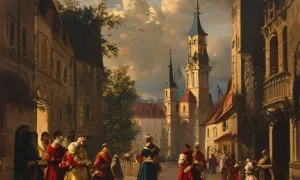
Drag the slider to compare how the landmark may have looked when it was built with the view today.
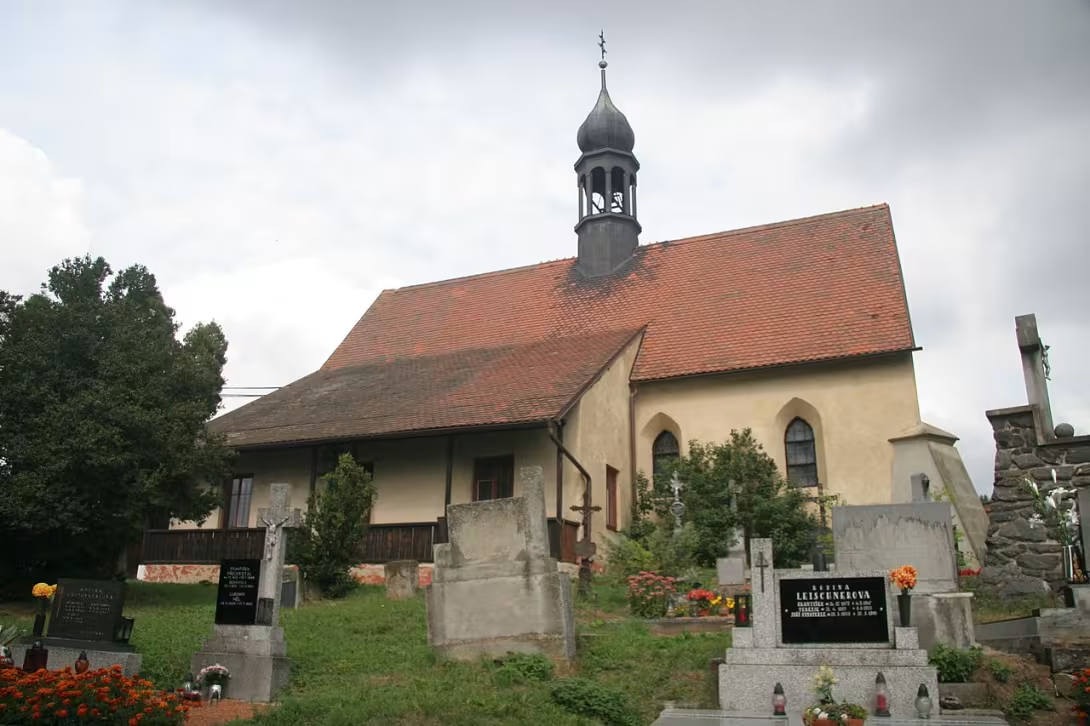
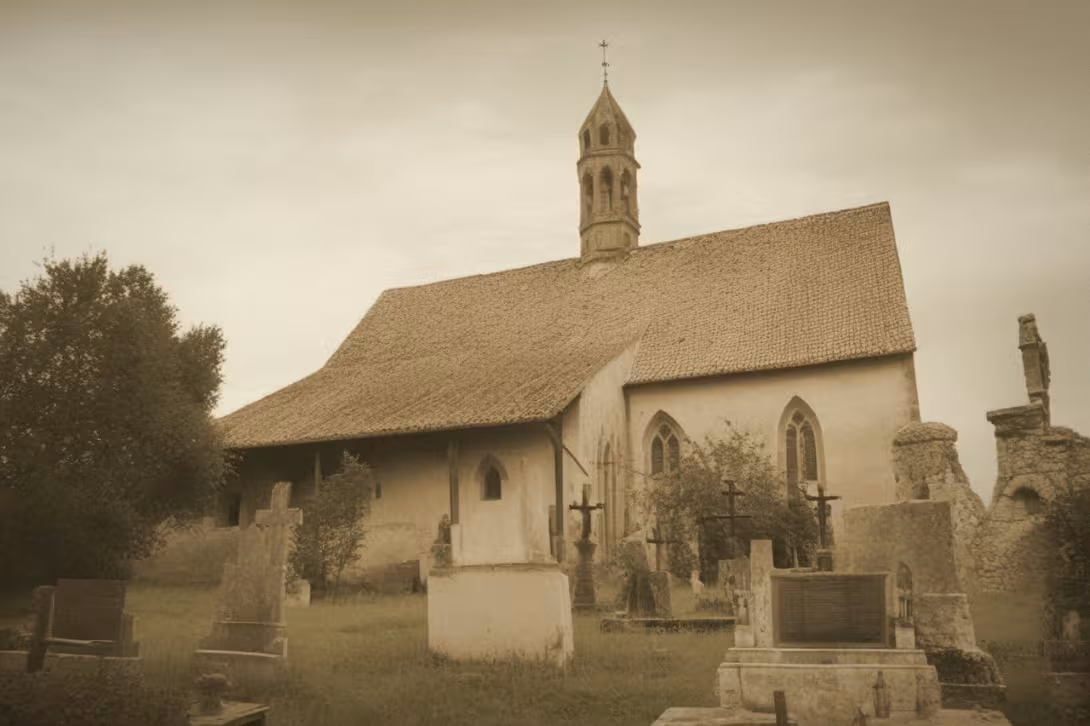
The historical appearance on the left is an AI-generated visualisation and serves as inspiration only.
Historical milestones
- 1763
- Reported presence of hermitage near the church.
- 1906
- Significant reconstruction involving structural changes.
- 1936
- the church burned down and underwent extensive repairs.
Architectural development
Originally built at the turn of the 13th and 14th century with Gothic core, the church underwent several modifications. There were significant changes in 1906, such as removing the side altar and replacing the wooden fence behind the brick wall. The significant fire in 1936 led to extensive repairs including roof and interior, resulting in an annex for living.
Historical events
the church was probably built at the turn of the 13th and 14th centuries, which denotes its historical significance as a medieval structure.
In 1763 the hermit was reported to have lived near the church until the 19th century, while Antonín Giessel was the last local hermit who died in 1892.
In 1906 there was a major reconstruction involving structural changes and the replacement of a wooden fence around the cemetery brick wall.
Points of interest
- The Church of Saint Bartholomew is built on a site that was once part of the missing medieval communities, such as Martinov and Ursedel, with the latest records dating back to 1258, pointing to its deep historical roots.
- The unique aspect of the history of the church includes hermit who lived nearby until the end of the 19th century; Antonín Giessel, the last local hermit, died in 1892 and his grave is still visible next to the wall church.
- the church undergone a significant transformation after the fire on June 15, 1936, which was probably caused by lightning. This event led to complex repairs within the Ing. The supervision of Karl Mackerl, including reconstruction of the roof and reconstruction of the interior.
- Originally living a late Baroque altar with a painting of St. Bartholomew's martyr from 1670, the church later acquired organs from the Olomouc Church of St. Michael in 1896, although they were located on the ground floor due to space constraints.
- Saint Bartholomew Church serves as a cultural and spiritual monument with its annual pilgrimage dedicated to St. Bartholomew, even though there is no regular transport; It also marks the end of the literary trail "Travelling for Krchomilka," which was founded in 2016.
Guide
This guide is narrated by a synthetic voice generated by artificial intelligence.
Show guide text
This text was created by artificial intelligence and has not been editorially reviewed. It may contain inaccuracies.
Welcome to St. Bartholomew's Church in Jevíčko, a quiet and historic place nestled on a small hill with a modest cemetery nearby. As you stand here, about 1.5 km from the city centre towards the Back Arnoštov, take a moment to immerse yourself in peace around this remarkable building. It seems that the only access path leading to it attracts you into his ancient past.
Saint Bartholomew Church is not just an architectural monument; It's proof of history itself. There is a difference between the oldest preserved building in the Jevíčko cadastral area, which suggests the presence of medieval settlements that were once prosperous. The origin of this church is deeply intertwined with lost communities such as Martinov and Ursedel, with records dating back to 1258.
The history of this sacred place is marked by significant events. In 1763, herdsmen were reported to have lived near the church, adding a layer of mystique to his already fascinating narrative. The church quickly moved to 1906 and underwent a major reconstruction involving structural changes that ensured its survival in changing times. In 1936, however, a tragedy occurred when the church burned down. It was followed by extensive repairs that restored it to its former glory.
As you look around, notice the simplicity and resilience of his architecture. While specific details of its architectural style are not documented, the presence of a modest cemetery adds to the festive atmosphere. The surrounding landscape with mild slopes leading up to the church, invites to contemplate nature and history.
The story of the hermit who once lived nearby is particularly interesting. These lonely figures contributed to the spiritual aura, which seems to remain around this place. Their presence until recent times connects us to a way of life that values solitude and reflection.
Now let your imagination wander, as you consider the mysteries this church holds. What stories could these ancient stones tell if they could speak? History here is rich in stories about community, faith and resilience.
At the end of our visit, I invite you to explore further, perhaps wander through the cemetery or simply sit quietly at his walls. This place has timeless quality that supports reflection and discovery. Thank you for joining me on this journey to the past, and may your research continue with curiosity and wonder.
Tips for visitors
The best time to visit the church of St. Bartholomew in Jevíčko is late in spring or early autumn when the weather is mild, and the surrounding landscape is especially beautiful with flowering flowers or pulsating falling colors. Visiting in these times also tends to be less crowded, which allows a calmer experience. In addition, lighting conditions are ideal for photography, especially in the morning, when sunlight gently illuminates the church and its surroundings.
Bartholomew's church is quite comfortable because there are several places available on a fine slope where the church stands. For those who prefer public transport, local buses can be used to reach Jevíčko, with a short walk from the city centre to the church. It is advisable to check the current plans of buses and routes in advance to plan your visit effectively.
When visiting St. Bartholomew's Church, it is recommended to bring comfortable walking shoes as you will probably explore the surroundings and the cemetery. A camera or smartphone is also designed for photography, especially if you are interested in photography. Don't forget the hat and sunscreen during the sun days, and maybe umbrella or raincoat in case of unexpected showers.
For photographic enthusiasts, some of the best places include the front entrance church, where the morning light creates beautiful shadows on the facade as well as a cemetery that offers a peaceful and picturesque view. The gentle slope provides a natural view to capture the church and its surroundings in one frame. Experiment with different angles capture unique architecture and landscape.
Close to Jevíčko, about 30 minutes drive or walk, you can visit nearby communities such as Bela, Back Arnoštov and Viska. These areas offer a view of local life and culture, with charming landscapes and possibly some small historical sites worth exploring. For families with children, these places are an opportunity for peaceful walks and exploration in a safe environment.
Frequently asked questions
Can the monument be visited?
Religious buildings are usually open mainly during services; at other times a visit is normally arranged with the parish or the operator. We have not verified specific times.
Where is the monument?
Location: Kostelíček 500, Jevíčko, Pardubický kraj. The map on this page shows the exact spot.
Why is the monument protected?
It is listed in the Central List of Cultural Monuments of the Czech Republic as a cultural monument (register no. 29612/6-3066).
Businesses nearby
Do you run a restaurant, accommodation, shop, museum, rental, wellness or other visitor service near this monument? Show yourself directly to the people heading to it — this is how they will see you in the app and on the web:
Nearby
the church is located on a mild slope to the northwest of the center of Jevíčko. The surrounding area includes small communities such as Bělá, Rear Arnoštov and Víska, which use its cemetery.
Accommodation nearby
Themed route
Thematic walking tour: Discovering the charm Jevíčko and its surroundings
1. Church of St. Bartholomew (Jevíčko) * Type: * Historical mark The Church of Saint Bartholomew, located on a mild slope northwest of the centre of Jevíčko, is the centre of this tour. This architectural jewel offers visitors a view of the region's rich history and cultural heritage. Its quiet setting provides an ideal starting point for exploring surrounding areas.
2. The cemetery of St. Bartholomew * Type: * Historic site Next to the church, the cemetery is not only a place of rest, but also a historical place that reflects local traditions and history. Walk through this quiet area offers a moment of reflection and an opportunity to appreciate the complicated tombstones and monuments that tell stories of past generations.
3. * Type: * Small community A short walk from Jevíčko, Víska is a picturesque village known for its traditional architecture and peaceful atmosphere. A survey of this community provides a view of rural life in the Pardubický kraj region. The spell of the village lies in its simplicity and warm hospitality of its inhabitants.
4. Back Ernest * Type: * Villages The rear Arnoštov continues from the Viska and offers a picturesque environment with traditional Czech village life. This small community is ideal for those interested in experiencing local culture and architecture. There is a peaceful escape in the quiet streets and historic buildings of the village.
5. White * Type: * Villages After the tour it stands White as another charming village near Jevíčko. Known for its picturesque landscapes and traditional houses, offers visitors a chance to immerse themselves in the natural beauty of the region. Walking through Belou is ideal for those who want to end their journey by a peaceful walk in the middle of nature.
This thematic walking tour invites you to explore the historical and cultural wealth of Jevíčko and its surrounding villages, which offers a mixture of history, architecture and rural charm.
Seasonal recommendations
Spring: In the spring proceedings, St. Bartolomie's church is being initiated by one-way devices, which relate to all products and solar rays. This season is ideal for those that are intended for production because the surrounding area is promoted in a lively variety of spring colors. It should be adapted in such a way that, on the basis of the date on which they set a deadline for submission, it is not possible to set a time limit for submission of applications. Clothes should be mild and important for promotion measures, taking into account that this possibility includes cold days.
Summer: Summer recalculates the long sunny days and levels of difficulty for the church of St. Bartholomew, which outlines living energy. When it's cold on the bridge, the sun lights up the interior by depicting historical details and art elements of architecture. In this season it is delivered to place a dame intended by day or later in afternoon hours to avoid the peak of the crowd. The intruders should be dressed lightly and transported with the sun's edge, such as a hat or a parallelogram, for maximum use.
Autumn: In autumn, the church of St. Bartholomew offers a quiet number and atmosphere that is listed in the promenade statement. Leaves may cover different colours from gold to merové as regards beautiful background for photography and relaxation outdoors. The ingredients should be converted into cold temperatures and the possibility of rain with suitable clothes such as common jackets or sails. This means that this ideal for those to be listed without superior crowds.
Winter: The building of St. Bartholomew in the winter cities offered a unilateral settlement, where weak sun rays extracted as part of the project and new architectural construction. The local landscape can also be used other than lubricating leaves, which means that the romantic value is up to above. Inventory subjects should be considered significant in all fur and noise, and this surplus on Snow's support or glaciers to be aware that this contribution is not applicable.
Visualizations and artistic views


The visualisations are generated by artificial intelligence and serve as inspiration.
Tips from visitors
No tips yet. Be the first!
Log in and add your tip.
Sources and literature
Photos: Petr1888 / CC BY-SA 3.0, rozlišení zvýšeno umělou inteligencí — Wikimedia Commons. The author and licence also appear when you hover over the image.
Faktickým podkladem tohoto textu byl článek na Wikipedii, jehož autory jsou přispěvatelé Wikipedie. Článek je dostupný pod licencí CC BY-SA 4.0.
Location on the map

Příběhy a pověsti
Legendy, pověsti a příběhy spjaté s touto památkou
Fotografie návštěvníků
Zatím žádné fotografie. Buďte první, kdo přidá fotografii z návštěvy!
Log in a přidejte svou fotografii nebo hodnoťte.
Za ověřenou návštěvu v aplikaci získáte víc bodů — poznáme podle GPS, že jste na místě.
Reviews and comments