






Kostel svatého Bartoloměje (Podmoky) Church
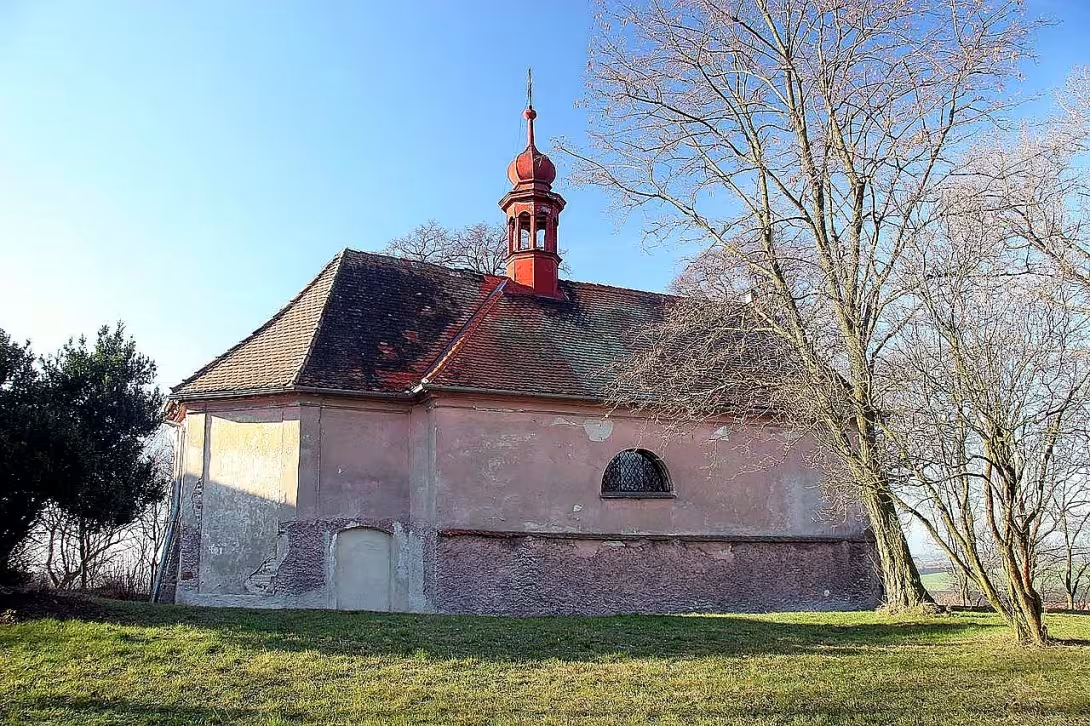
The Church of Saint Bartholomew in Podmoky is a small yet historically significant church with Gothic origins, constructed between 1817 and 1818. Situated on a hilltop at the center of an old cemetery within the Nymburk District, this monument reflects both its medieval roots and early 19th-century reconstruction efforts. Its historical importance is highlighted by records dating back to 1305.
The church's origins trace back to at least 1305 when it was first mentioned in documents, suggesting a connection with a nearby manor house. This link implies that the church likely served both religious and social roles for the local community during medieval times. However, after being destroyed post-1634, the structure underwent significant reconstruction between 1817 and 1818. This rebuilding period coincided with broader European changes following the Napoleonic Wars when Classical architectural influences began to spread in Bohemia.
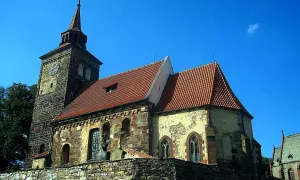
Architecturally, the Church of Saint Bartholomew combines Gothic origins with Classical elements introduced during its early 19th-century reconstruction. The structure features a rectangular nave and a pentagonal presbytery, constructed from stone blocks and bricks. Its roof includes a small tower topped with a bulbous dome and double cross, adding to the church's distinctive silhouette against the Central Bohemian countryside.
Throughout its history, the church has experienced several significant changes. After its initial construction in the 19th century, it underwent a complete renovation in 1903, which included updates to its interior furnishings and fixtures. These renovations have helped preserve the church as an important cultural and historical site within Podmoky.
Today, the Church of Saint Bartholomew remains a notable landmark in Podmoky, reflecting both its medieval heritage and early modern architectural influences. Its hilltop location offers visitors not only insights into the region's past but also picturesque views of the surrounding landscape. The church is accessible to those interested in exploring Central Bohemian history and architecture, making it a worthwhile destination for anyone visiting the area.
Visiting this monument provides an opportunity to appreciate its historical significance and architectural beauty. Its blend of Gothic origins with Classical elements offers insight into the cultural transitions that have shaped the region over centuries. As such, the Church of Saint Bartholomew in Podmoky stands as both a historical treasure and a serene place for reflection amidst the tranquil Central Bohemian countryside.
Then and now
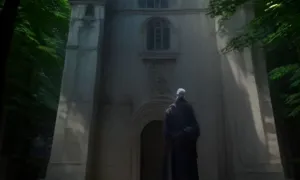
Drag the slider to compare how the landmark may have looked when it was built with the view today.
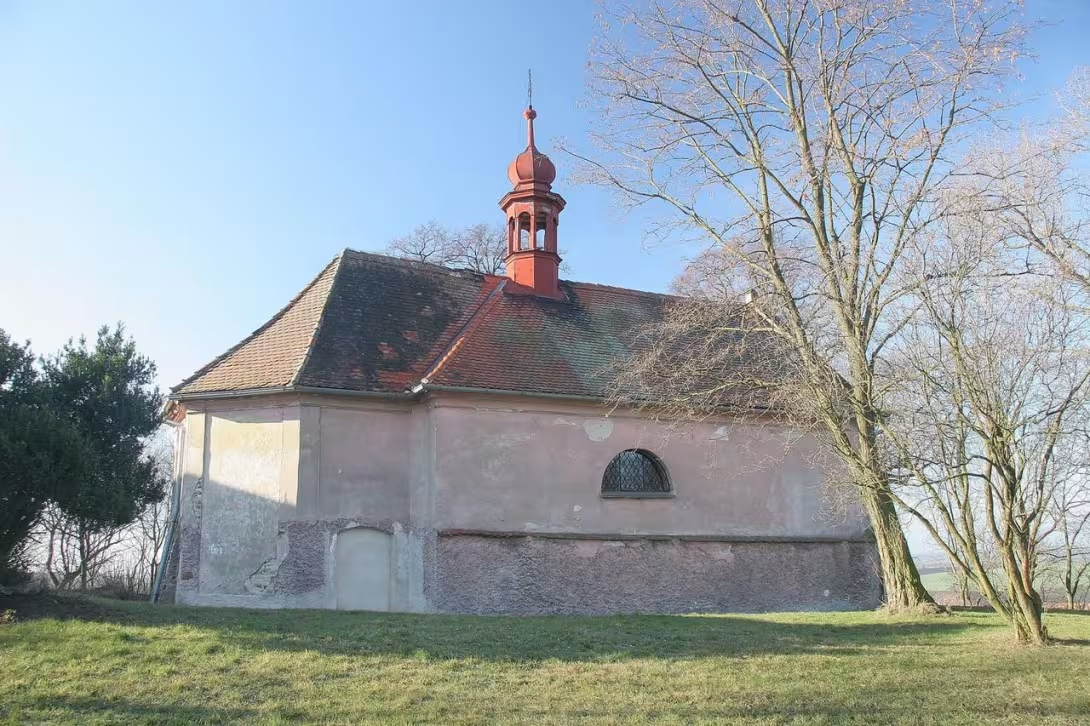

The historical appearance on the left is an AI-generated visualisation and serves as inspiration only.
Historical milestones
- 1305
- First mention of the church in documents.
- after 1634
- The church was destroyed and later restored.
- 1817
- Begins reconstruction of the church.
- 1818
- Completion of the church's reconstruction.
- 1903
- Complete renovation of the church, including the interior.
Architectural development
The church was originally Gothic but underwent significant reconstruction in the early 19th century with Classical influences. It features a rectangular nave and a pentagonal presbytery, constructed from stone blocks and bricks. The roof includes a small tower topped with a bulbous dome and double cross.
Historical events
Mentioned as early as 1305, indicating its long-standing historical presence.
Destroyed after 1634 and subsequently rebuilt between 1817-1818.
Guide
This guide is narrated by a synthetic voice generated by artificial intelligence.
Show guide text
This text was created by artificial intelligence and has not been editorially reviewed. It may contain inaccuracies.
The Church of Saint Bartholomew in Podmokách in the Nymbursk region is a protected monument. It was founded back in the Gothic period, but today's structure dates from the beginning of the nineteenth century.
The first mention of the church is from the year thirteen hundred and five. Its origin was most likely connected to the neighboring fortified manor. After sixteen thirty-four, the church was demolished and rebuilt between eighteen seventeen and eighteen eighteen. In nineteen hundred and three, it underwent a complete reconstruction. Its interior furnishings date from that time.
The small church stands on a hill in the middle of the former cemetery. It consists of a rectangular nave and a pentagonal presbytery. The masonry is made of sandstone and bricks, and the windows have a semicircular shape. The doors on the north side of the presbytery were bricked up. On the roof there is a small turret with an onion-shaped roof and a double cross.
Frequently asked questions
Can the monument be visited?
Religious buildings are usually open mainly during services; at other times a visit is normally arranged with the parish or the operator. We have not verified specific times.
Where is the monument?
Location: Podmoky, Středočeský kraj. The map on this page shows the exact spot.
Why is the monument protected?
It is listed in the Central List of Cultural Monuments of the Czech Republic as a cultural monument (register no. 21242/2-3152).
Businesses nearby
Do you run a restaurant, accommodation, shop, museum, rental, wellness or other visitor service near this monument? Show yourself directly to the people heading to it — this is how they will see you in the app and on the web:
Nearby
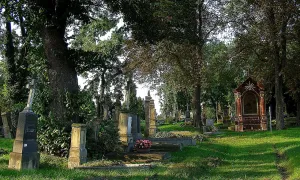
Located on a hilltop at the center of an old cemetery, the church is situated in Podmoky within Nymburk District. The surrounding landscape includes typical Central Bohemian countryside features.
Accommodation nearby
Trips and activities nearby
Guided tours, tickets and activities nearby from GetYourGuide
Affiliate link: if you buy from the partner, we may receive a commission. The price for you does not change.
Search tours and activities →Themed route
Tematická výletní trasa Podmoky
1. Kostel svatého Bartoloměje (Podmoky) - Typ: Kostel - Proč stojí za návštěvu: Tento historický kostel je umístěn na vrcholu kopce uprostřed starého hřbitova, což nabízí pohledy na typickou středočeskou krajinu. Je to centrální památka obce Podmoky a slouží jako výchozí bod pro prozkoumání okolního areálu.
2. Starý hřbitov - Typ: Hřbitov - Proč stojí za návštěvu: Okolo kostela se rozprostírá starý hřbitov, který je nejen pohřebištěm místních obyvatel, ale také historickou památkou. Jeho starobylé kříže a náhrobní desky představují bohatou historii obce.
3. Kostelní věž - Typ: Věž - Proč stojí za návštěvu: Kostel svatého Bartoloměje je domovem významné kostelní věže, kterou lze navštívit. Poskytuje úchvatný pohled na okolní krajinu a sloužila jako důležitá orientační bod pro místní obyvatele.
4. Nádvoří kostela - Typ: Nádvoří - Proč stojí za návštěvu: Nádvoří kostela sloužilo jako místo setkávání pro místní komunitu po staletí. Je to klidné a idylické místo, kde si můžete užít poklidných chvil v přírodním prostředí.
5. Cesta kolem kostela - Typ: Procházka - Proč stojí za návštěvu: Krátká procházka kolem kostela a hřbitova nabízí příležitost prozkoumat okolní zelené plochy. Je to ideální místo pro relaxaci a užívání si klidného prostředí v centru obce.
Tato trasa nabízí návštěvníkům možnost seznámit se s historií a kulturou Podmok, zatímco si užijí krásný pohled na středočeskou krajinu.
Seasonal recommendations
Spring: The arrival of spring at the Church of Saint Bartholomew in Podmoky brings a rejuvenating atmosphere, with blooming flowers and fresh greenery enhancing the natural beauty surrounding this historic site. The soft, warm light of the season casts a gentle glow on the church’s architecture, making it an ideal time for photography enthusiasts. Visitors should be prepared for occasional showers, so wearing layers is advisable to stay comfortable during their exploration. While crowds are generally manageable in spring, arriving early can help ensure a more peaceful experience.
Summer: Summer at the Church of Saint Bartholomew offers vibrant daylight that highlights the intricate details and colors of its historic architecture. The lush greenery around Podmoky provides a picturesque backdrop for visitors enjoying the outdoors. This season is perfect for picnics in nearby parks, but it's important to be mindful of larger crowds due to the peak tourist season. Arriving early or visiting during weekdays can help avoid the busiest times. Dressing in light, breathable clothing and bringing sunscreen are practical tips to enhance comfort.
Autumn: Autumn transforms the Church of Saint Bartholomew with a warm palette of reds, oranges, and yellows as the leaves change color around Podmoky. The cooler temperatures create a cozy atmosphere ideal for leisurely strolls through the historic site. As daylight hours shorten, visitors should plan to arrive earlier in the day to fully appreciate the church’s beauty under natural light. Layered clothing is recommended to accommodate fluctuating temperatures throughout the day.
Winter: Winter at the Church of Saint Bartholomew offers a serene and magical atmosphere, with snow-covered landscapes providing a striking contrast against its historic architecture. The shorter days mean that visitors should plan their visit during daylight hours to fully experience the site. Wearing warm clothing is essential due to the cold temperatures, and it's wise to check opening times as they may be reduced in winter. Despite potentially fewer crowds, ensuring you have sturdy footwear for snowy or icy paths will make your visit more enjoyable.
Visualizations and artistic views


The visualisations are generated by artificial intelligence and serve as inspiration.
Photos from the area
Real photos taken near the monument


Zdroj a licence jsou uvedeny u každého snímku.
Tips from visitors
No tips yet. Be the first!
Log in and add your tip.
Sources and literature
Photos: neuveden / CC BY 2.5 — Wikimedia Commons. The author and licence also appear when you hover over the image.
Faktickým podkladem tohoto textu byl článek na Wikipedii, jehož autory jsou přispěvatelé Wikipedie. Článek je dostupný pod licencí CC BY-SA 4.0.
Location on the map
Příběhy a pověsti
Legendy, pověsti a příběhy spjaté s touto památkou
Fotografie návštěvníků
Zatím žádné fotografie. Buďte první, kdo přidá fotografii z návštěvy!
Log in a přidejte svou fotografii nebo hodnoťte.
Za ověřenou návštěvu v aplikaci získáte víc bodů — poznáme podle GPS, že jste na místě.
Reviews and comments