






Kostel svatého Filipa a Jakuba (Kutná Hora) Church
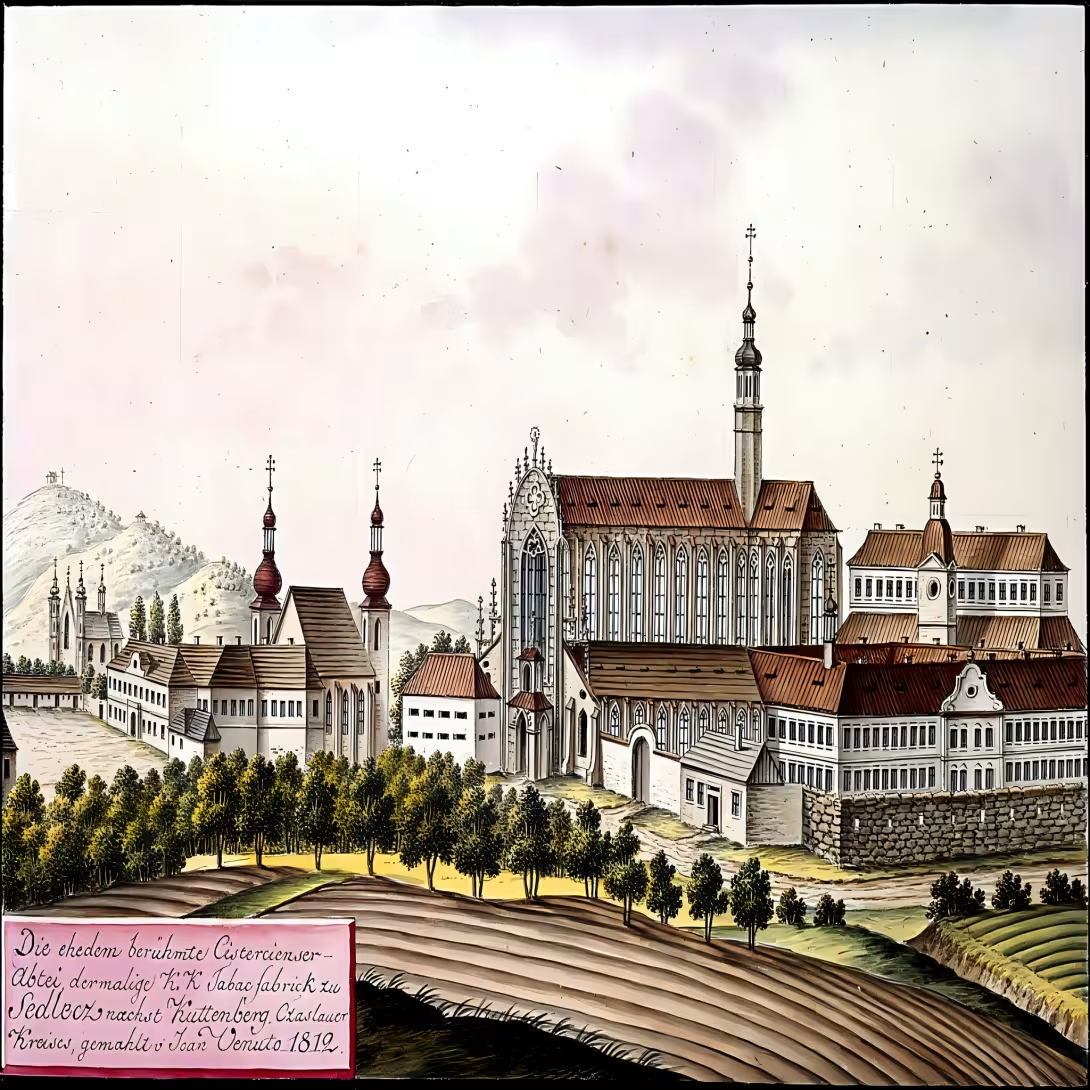
Objekt se nedochoval — na místě dnes nestojí. Následující text popisuje jeho historii, ne současnou návštěvu.
Church of St. Philip and James in Sedce, Kutná Hora, an example of Gothic architecture and monastery history in the Czech Republic. Located near the former Cistercian monastery site, served by lay members associated with the Order. The first recorded in 1267, significantly expanded by 1389 before its dissolution in 1783 and demolition in 1817.
The medieval persistence of Kutná Hora thanks to silver mines affected the origin of the church. Originally serving members of the Custercian- associated clan, the 1267 records confirm this role. The expansion of Post-1389 involved further closure of ships and polygons, which increased its social importance.
Architecturally, it was a single-boat structure with an undivided closing of width and height, with a western tower. After 1389, the changes added the second northern ship and the connecting tower between presbyters and nave. Today the remnants of its walls are preserved inside the covered walls of Castle Square, which offer historical knowledge.
Key events shaped his legacy: the dissolution of the Cistercian monastery in 1783 during the European secularisation effort led to his demolition in 1817 under restructuring initiatives. Despite today's absence, artifacts such as the tower of the monastery from 1390 of Peter Parléř's workshop are preserved in the monastery Sedlec.
Its historical importance persists through cultural heritage. Visitors can explore the architectural remains and learn about his told past. The church offers a view of the religious and architectural history of Kutná Hora, which attracts interested people about Gothic structures and monastic life.
The monument captures historians and tourists and invites to explore its historical value. In Castle Square, fragments of history await discovery for visitors eager to immerse themselves in the past.
Then and now
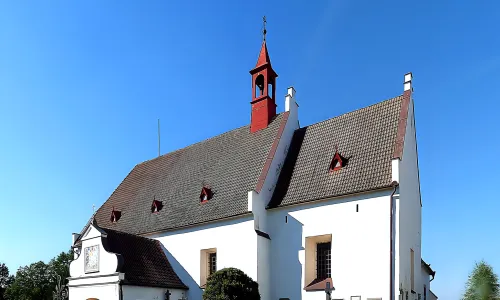
Drag the slider to compare how the landmark may have looked when it was built with the view today.
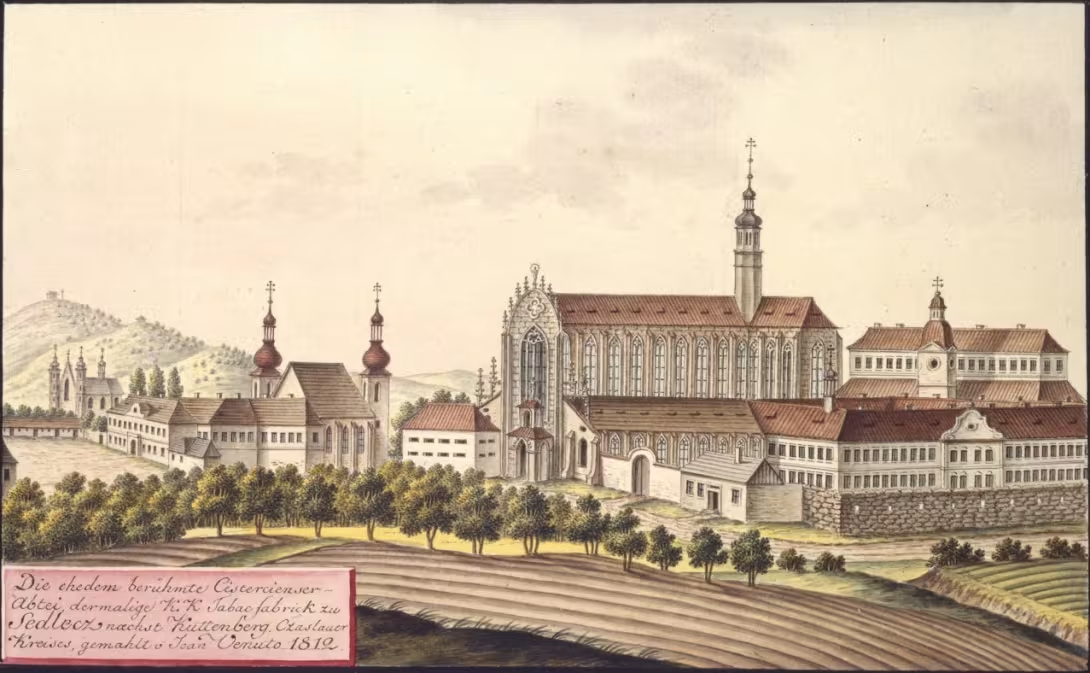
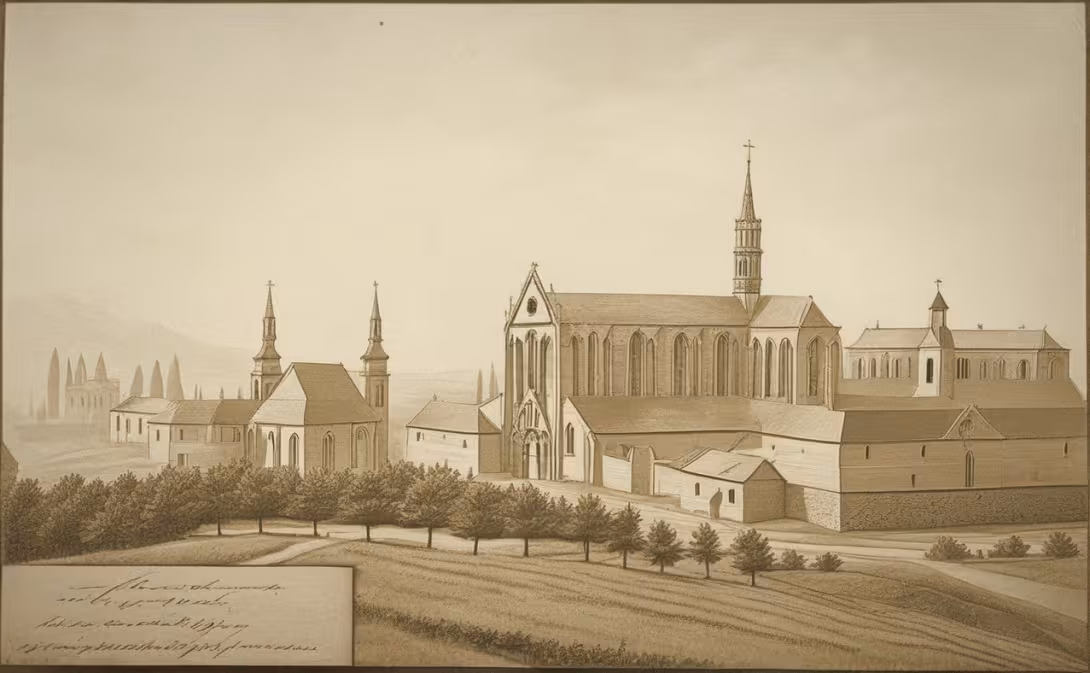
The historical appearance on the left is an AI-generated visualisation and serves as inspiration only.
Historical milestones
- 1267
- The church was first recorded as serving lay members associated with the Cistercian order.
- 1389
- Significant expansion with additional closure of ships and polygon.
- 1783
- The dissolution of the church along with the Cistercian monastery.
- 1817
- Demolition church under restructuring initiatives.
Architectural development
the church was initially a one-ship building with an undivided closure, featuring the west tower. After 1389 there was a significant expansion when a second and polygonal ship was added to the north side, along with the connecting tower between the presbyter and the ship. The remains of its walls are preserved inside the enclosed walls of Castle Square.
Historical events
The first mentioned in the records in 1267 as a service to the needs of lay members associated with the order of the Custercian.
After 1389 it was extended by another shipping and polygon, reflecting its growing importance.
Dissolved along with the Cistercian monastery in 1783 during secularization efforts.
Destroyed in 1817 as part of a restructuring effort.
Points of interest
- Church St. Philip and James were originally connected to members of the Custercian Order's lay, highlighting a unique blend of monastery influence in a non-monastery environment.
- Despite its demolition in 1817, the architectural legacy of the church will remain thanks to the preserved fragments of the walls within Castle Square, which offer a tangible view of the Gothic design and historical context.
- The surviving artifact from 1390 is the tower monastery created by Peter Parléř, who connects the church with one of the most famous medieval artists in the Czech Republic.
- The expansion of the church in 1389, which included another northern ship and connecting tower, underlines its evolving role as a community centre before its possible dissolution.
- His history is linked to the silver mining prosperity of Kutna Hora, which shows how economic factors have influenced religious architecture in the Middle Ages.
Guide
This guide is narrated by a synthetic voice generated by artificial intelligence.
Show guide text
This text was created by artificial intelligence and has not been editorially reviewed. It may contain inaccuracies.
Welcome to the historic place of St. Philip and James Church in Sedlec, Kutná Hora. As you stand here, imagine the peaceful aura that once surrounded this important Gothic church, a beacon for lay members associated with the order of the Tistercians. Although it no longer stands since his demolition in 1817, the essence of this sacred place persists through preserved fragments inside the Chateau.
Let's immerse ourselves in its origins and historical context. The Church of St. Philip and James were first recorded in 1267 and served as a spiritual sanctuary for lay members associated with the Czechoslovak Order. Over time, it underwent significant architectural expansion around 1389 with additional shutdown of ships and polygons, reflecting its growing importance within the community.
As you explore this site today, focus on the remains of his past grandeur. While the church itself is no longer standing, preserved wall fragments give us a view of its original structure. These pieces are silent storytellers and invite you to think about the architectural ability that once defined this sacred space.
Although specific historical figures associated with this church remain unknown, its role in the order of the Cistercians underlines a unique blend of monastic influence in a non-monastic environment - a fascinating aspect worth wondering how to browse the site. The dissolution of the church and the monastery in 1783 meant the end of an era, but their legacy persists.
The astounding element here is the continuing architectural legacy despite its physical absence. The story of this church is not only about the building, but about the people it served and the spiritual life it has lived for centuries.
As you conclude your visit to this evocative web site, we invite you to continue exploring Kutna Hora, where history whispers for every corner. Thank you for joining us on this journey to the past, and may your curiosity lead you to discover more hidden treasures in this historic city.
Businesses nearby
Do you run a restaurant, accommodation, shop, museum, rental, wellness or other visitor service near this monument? Show yourself directly to the people heading to it — this is how they will see you in the app and on the web:
Nearby
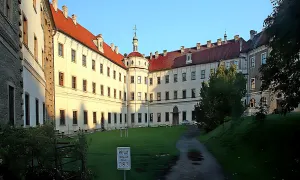
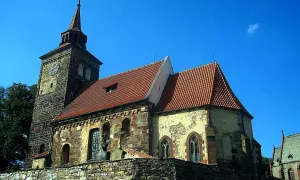
the church is located in the area of Sedlec Kutná Hora, near Sedlec monastery.
Visualizations and artistic views


The visualisations are generated by artificial intelligence and serve as inspiration.
Photos from the area
Real photos taken near the monument


Zdroj a licence jsou uvedeny u každého snímku.
Tips from visitors
No tips yet. Be the first!
Log in and add your tip.
Sources and literature
Faktickým podkladem tohoto textu byl článek na Wikipedii, jehož autory jsou přispěvatelé Wikipedie. Článek je dostupný pod licencí CC BY-SA 4.0.
Location on the map
Příběhy a pověsti
Legendy, pověsti a příběhy spjaté s touto památkou
Fotografie návštěvníků
Zatím žádné fotografie. Buďte první, kdo přidá fotografii z návštěvy!
Log in a přidejte svou fotografii nebo hodnoťte.
Za ověřenou návštěvu v aplikaci získáte víc bodů — poznáme podle GPS, že jste na místě.
Reviews and comments