






Kostel svatého Floriána (Oskava) Church
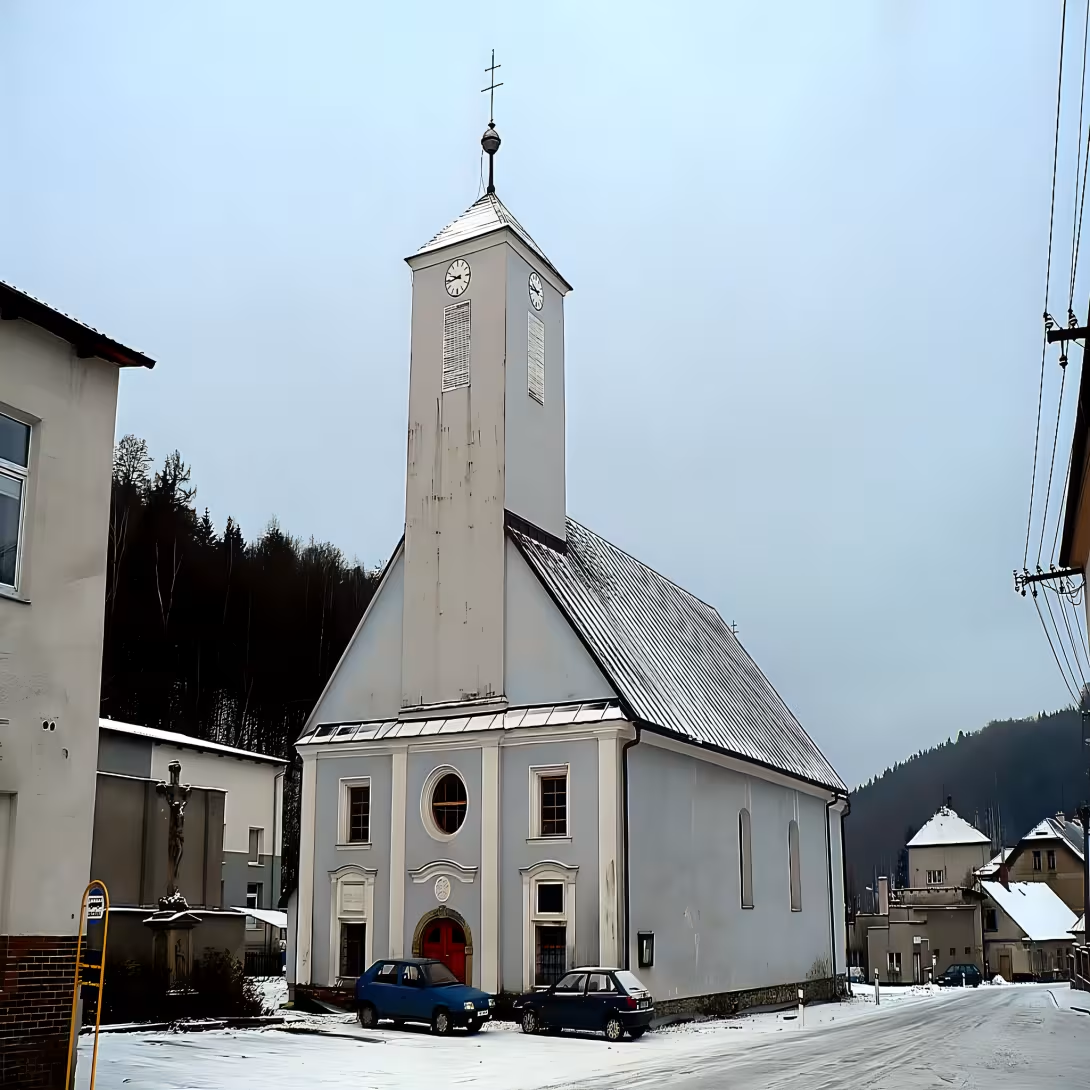
The Church of Saint Florian in Oskava stands as a testament to late 18th-century ecclesiastical architecture, blending Classicism and Empire styles. Located in the village of Oskava within the Olomoucký kraj region, this church was constructed in 1785 on the site of a former Liechtenstein ironworks. It serves as an important landmark for both locals and visitors due to its unique wooden roof structure and historical significance.
The origins of the Church of Saint Florian are rooted in the late 18th century when Bohemia was part of the Habsburg Monarchy, experiencing significant cultural and political changes influenced by Enlightenment ideals. The original wooden church, built in 1775, served the local community that previously had to travel far for religious services. However, due to its deteriorating condition and insufficient capacity for a growing parish, it was replaced by the new stone church constructed in 1785. Páter Caspar Langer played a pivotal role as the main organizer of this construction, with financial contributions from both Prince Liechtenstein and local citizens.
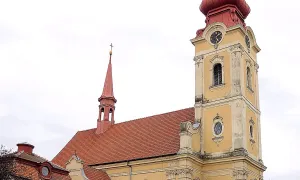
Architecturally, the Church of Saint Florian is characterized by its simple design featuring an oblong ground plan with a slightly narrower, semi-circular presbytery. The church is not traditionally oriented; instead, it features a square tower on the northern side adorned with clock faces, topped with a low spire and finial. Its roof is gabled, with a pedimented extension over the presbytery. A rectangular sacristy adjoins the rear of the building. The façade is smooth but segmented by pilasters, while the nave windows are rectangular with arches, and two presbytery windows are adorned with stained glass.
Throughout its history, the church has undergone several renovations that have shaped its current form. Notably, in 2004, a re-roofing project led to the removal of the original flat ceiling, leaving an exposed wooden roof structure that gives the interior the appearance of an inverted ship's hull. In 2016, significant work was done on the façade and entrance front. The church also houses a memorial plaque commemorating Páter Caspar Langer, installed in 1935 to mark 150 years since its construction.
The Church of Saint Florian became a parish church by 1843, reflecting its growing importance within the community. Over time, it has witnessed various changes and events, including the loss and subsequent replacement of its bells during both World Wars. The interior remains simple yet significant, featuring an image of Saint Florian on the main altar framed in richly carved woodwork, with side nave walls adorned by relief depictions of the Stations of the Cross.
Today, the Church of Saint Florian is not only a place of worship but also a historical monument that offers visitors insight into the architectural and cultural shifts of its time. Its unique features and storied past make it an intriguing destination for those interested in history and architecture. Visitors are invited to explore this remarkable site, where the blend of styles and historical narratives come together to tell the story of a community's spiritual journey through centuries.
Then and now
Drag the slider to compare how the landmark may have looked when it was built with the view today.
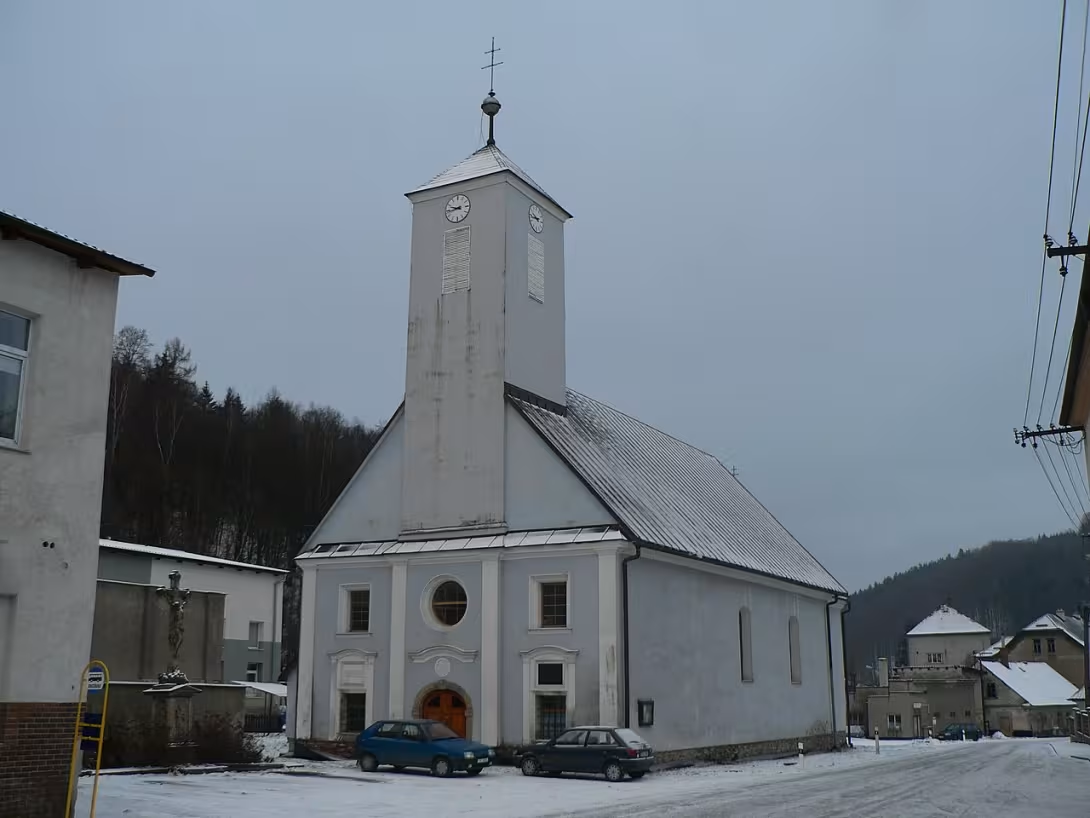

The historical appearance on the left is an AI-generated visualisation and serves as inspiration only.
Historical milestones
- 1775
- Construction of the original wooden church.
- 1785
- Consecration of the new stone church.
Architectural development
The original wooden church constructed in 1775 was expanded by adding a wooden annex under the guidance of Páter Caspar Langer. The new stone church built in 1785 replaced this structure due to its deteriorating condition and insufficient capacity for the growing parish. Over the years, it has seen various renovations including re-roofing in 2004 and facade restoration in 2016.
Historical events
In 1785, the church was solemnly consecrated after being built with contributions from local citizens and Prince Liechtenstein.
By 1843, it became a parish church.
Points of interest
– The Church of Saint Florian was originally built on the site of a former Liechtenstein ironworks, indicating its transformation from an industrial to a religious landmark. – Páter Caspar Langer not only organized the construction but also played a key role in securing financial support for the church, reflecting his significant influence within the community. – The church's unique wooden roof structure was revealed during a 2004 renovation when the original flat ceiling was removed, giving it an interior reminiscent of an inverted ship's hull. – Despite its historical significance and architectural beauty, the Church of Saint Florian lost its bells during both World Wars, necessitating their replacement in later years. – A memorial plaque inside the church commemorates Páter Caspar Langer, marking 150 years since the construction of the church in 1935, highlighting his lasting legacy.
Guide
This guide is narrated by a synthetic voice generated by artificial intelligence.
Show guide text
This text was created by artificial intelligence and has not been editorially reviewed. It may contain inaccuracies.
The Church of Saint Florian in Oskava in the Šumperk region dates from 1785 and features elements of Classicism and Empire style. It has been a parish church since 1843.
Its story begins ten years earlier. In 1775 a wooden church was built in Oskava on the site of a former iron forge belonging to Prince Liechtenstein. The local people no longer had to walk an hour to Mladoňov for Mass. A year later the village obtained permission to have its own cemetery.
Father Caspar Langer played a major role. He worked in Oskava from 1778 as the first chaplain. He expanded the church with a wooden extension, furnished it with ecclesiastical objects and furniture, and a new altar painting of Saint Florian. In 1779 he began building a parsonage and a school. In 1783 the parish was joined by the villages of Elend, today's Nemrlov, and Moskelle, today's Mostkov.
The old church was deteriorating and too small for the growing number of parishioners. Father Langer therefore organized the construction of a new one. Prince Liechtenstein provided the funds, but the locals also contributed with small amounts of money or their craft skills. In September 1785 the new church was formally consecrated. Langer died two years later. A memorial plaque with his name was placed on the wall in 1935, marking the hundred and fiftieth anniversary of the construction.
The cemetery by the church ceased to exist in 1874. The fate of the bells is typical for this region. Two original bells were taken away during the First World War. In 1926 three new bells were consecrated, but two of them were requisitioned during the Second World War and only the smallest one remained.
The church is a simple rectangular building with a narrower presbytery ending in a semicircle. It is not oriented towards the east. A square tower with a clock stands on the north side and ends with a low spire topped with an ornamental knob and a cross. The portal in the front has stone framing and at its apex an arch with the carved date 1803. The façades are smooth, only the front is articulated by pilasters. Two windows of the presbytery are decorated with stained glass and a stone cross with Christ stands by the church.
The most interesting transformation occurred in the interior. When the roof was repaired in 2004 the flat ceiling was removed and the wooden framework was revealed, so the space resembles the inside of an upturned boat. The main altar is decorated with a painting of Saint Florian in an elaborately carved frame. On either side of the nave hang reliefs of the Stations of the Cross and on the gallery with a carved railing stand the original organ. In 2012 the church was repainted and in 2016 the façade was restored.
Tips for visitors
The best time to visit the Church of Saint Florian in Oskava is during late spring or early autumn when the weather is pleasant, allowing you to comfortably explore both the church's interior and its surroundings. During these seasons, the natural light enhances the architectural details inside the church, making it an ideal period for photography enthusiasts.
Public transport may offer convenient access, but always verify current routes and schedules through a reliable travel app or website.
When planning your visit, consider bringing comfortable walking shoes as you might want to explore the area around Oskava. A camera can capture the unique architectural features of the church, especially its wooden roof structure. Additionally, carrying a water bottle is recommended, particularly if visiting during warmer months.
For photography enthusiasts, early morning or late afternoon provides the best natural lighting for capturing the Church of Saint Florian's exterior and interior. The soft light accentuates the textures and details of the Classicism and Empire styles. Inside, look for angles that highlight the unique wooden roof structure against the church’s classic architectural elements.
Families with children will find the area around Oskava inviting for a leisurely day out. While there are no specific attractions listed within 30 minutes of the Church of Saint Florian, the natural beauty and tranquility of the Olomoucký region offer opportunities for picnics or short walks in nature. Always ensure that any activities planned are suitable and safe for children.
Frequently asked questions
Can the monument be visited?
Religious buildings are usually open mainly during services; at other times a visit is normally arranged with the parish or the operator. We have not verified specific times.
Where is the monument?
Location: Oskava, Olomoucký kraj. The map on this page shows the exact spot.
Businesses nearby
Do you run a restaurant, accommodation, shop, museum, rental, wellness or other visitor service near this monument? Show yourself directly to the people heading to it — this is how they will see you in the app and on the web:
Accommodation nearby
Themed route
Tematická výletní trasa: Kostel svatého Floriána (Oskava)
1. Kostel svatého Floriána, Oskava
Typ: Náboženská památka
Proč stojí za návštěvu: Tento barokní kostel je nejvýraznějším architektonickým dílem v obci Oskava. Jeho bohaté historie a umělecká hodnota činí z něj nezbytnou návštěvu pro každého, kdo se zajímá o kulturní památky Olomouckého kraje.
2. Kaple svaté Anny
Typ: Náboženská kaple
Proč stojí za návštěvu: Kaple svaté Anny, nacházející se v blízkosti kostela svatého Floriána, je malým duchovním útočištěm s jednoduchou architekturou. Je perfektním místem pro klidnou meditaci a pohled na malebný okolí.
3. Mikulášské náměstí
Typ: Městské náměstí
Proč stojí za návštěvu: Toto centrální náměstí v Oskavě je ideálním místem pro odpočinek po prohlídce kostela. Náměstí nabízí přehledné panorama obce a je vhodným místem k procházkám nebo relaxaci na jednom z nádherných laviček.
4. Oskavské okolí
Typ: Městské okolí
Proč stojí za návštěvu: Procházka po ulicích Oskavy nabídne pohled na tradiční českou architekturu a příležitost prozkoumat místní obchody a kavárny. Tento okruh vám umožní seznámit s každodenním životem a atmosférou malého města.
Tato trasa nabídne komplexní pohled na kulturní i každodenní aspekty Oskavy, přičemž hlavním zaměřením zůstává kostel svatého Floriána.
Seasonal recommendations
Spring: Visiting the Church of Saint Florian in Úsov during spring offers a unique experience as nature begins to awaken around this historic site. The soft light filtering through budding trees creates a gentle, ethereal atmosphere that enhances the church's architectural beauty. Spring is an excellent time for photography enthusiasts looking to capture the contrast between the vibrant greens and the stone structures. However, be prepared for unpredictable weather; mornings can still be chilly while afternoons warm up quickly. Wearing layers is advisable, allowing you to adjust comfortably as temperatures change throughout your visit.
Summer: The summer months bring a lively atmosphere to the Church of Saint Florian in Úsov, with longer daylight hours perfect for exploring this historic site at leisure. This season offers an opportunity to enjoy outdoor activities and nature trails surrounding the church, which are lush and vibrant during this time. However, be mindful that this is also peak tourist season; arriving early can help you avoid larger crowds. Light clothing is recommended due to warmer temperatures, but don't forget sunglasses and a hat for sun protection.
Autumn: Autumn in Úsov provides a picturesque setting for visiting the Church of Saint Florian, with the surrounding landscape painted in rich hues of reds, oranges, and yellows. The crisp air and mellow sunlight create an inviting atmosphere that is perfect for leisurely strolls around the church grounds. As the days begin to shorten, it's wise to plan your visit during daylight hours to fully appreciate the natural beauty. Layered clothing will keep you comfortable as temperatures can vary significantly between morning and afternoon.
Winter: The Church of Saint Florian in Úsov takes on a serene and almost mystical quality during winter months when snow blankets the landscape, transforming the area into a quiet, reflective space. The soft glow of lights illuminating the church against the snowy backdrop creates an enchanting atmosphere ideal for those seeking peace and tranquility. Planning your visit during midday can ensure better lighting and a more enjoyable experience.
Visualizations and artistic views


The visualisations are generated by artificial intelligence and serve as inspiration.
Photos from the area
Real photos taken near the monument

Zdroj a licence jsou uvedeny u každého snímku.
Tips from visitors
No tips yet. Be the first!
Log in and add your tip.
Sources and literature
Photos: Martin Vavřík / Public domain, rozlišení zvýšeno umělou inteligencí — Wikimedia Commons. The author and licence also appear when you hover over the image.
Faktickým podkladem tohoto textu byl článek na Wikipedii, jehož autory jsou přispěvatelé Wikipedie. Článek je dostupný pod licencí CC BY-SA 4.0.
Location on the map

Příběhy a pověsti
Legendy, pověsti a příběhy spjaté s touto památkou
Příběh: Kostel svatého Floriána (Oskava)
Bylo to v pondělí ráno, kdy Martin zjistil, že jeho cesta do Oskavy se prodlužuje mimo obvyklý čas kvůli nečekanému tahu na silnici. Zastaviv kolem kostela s…
Číst příběh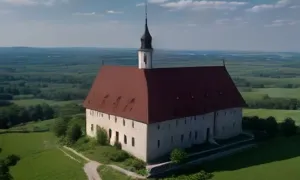
Pověst: Kostel svatého Floriána (Oskava)
Podle místní pověsti, kterou staří obyvatelé Okavy předávali z pokolení na pokolení, nebyla volba místa pro nový kostel věcí náhody ani pouhého rozumu. Říkal…
Číst příběhFotografie návštěvníků
Zatím žádné fotografie. Buďte první, kdo přidá fotografii z návštěvy!
Log in a přidejte svou fotografii nebo hodnoťte.
Za ověřenou návštěvu v aplikaci získáte víc bodů — poznáme podle GPS, že jste na místě.
Reviews and comments