






Kostel svatého Gotharda (Bubeneč) Church
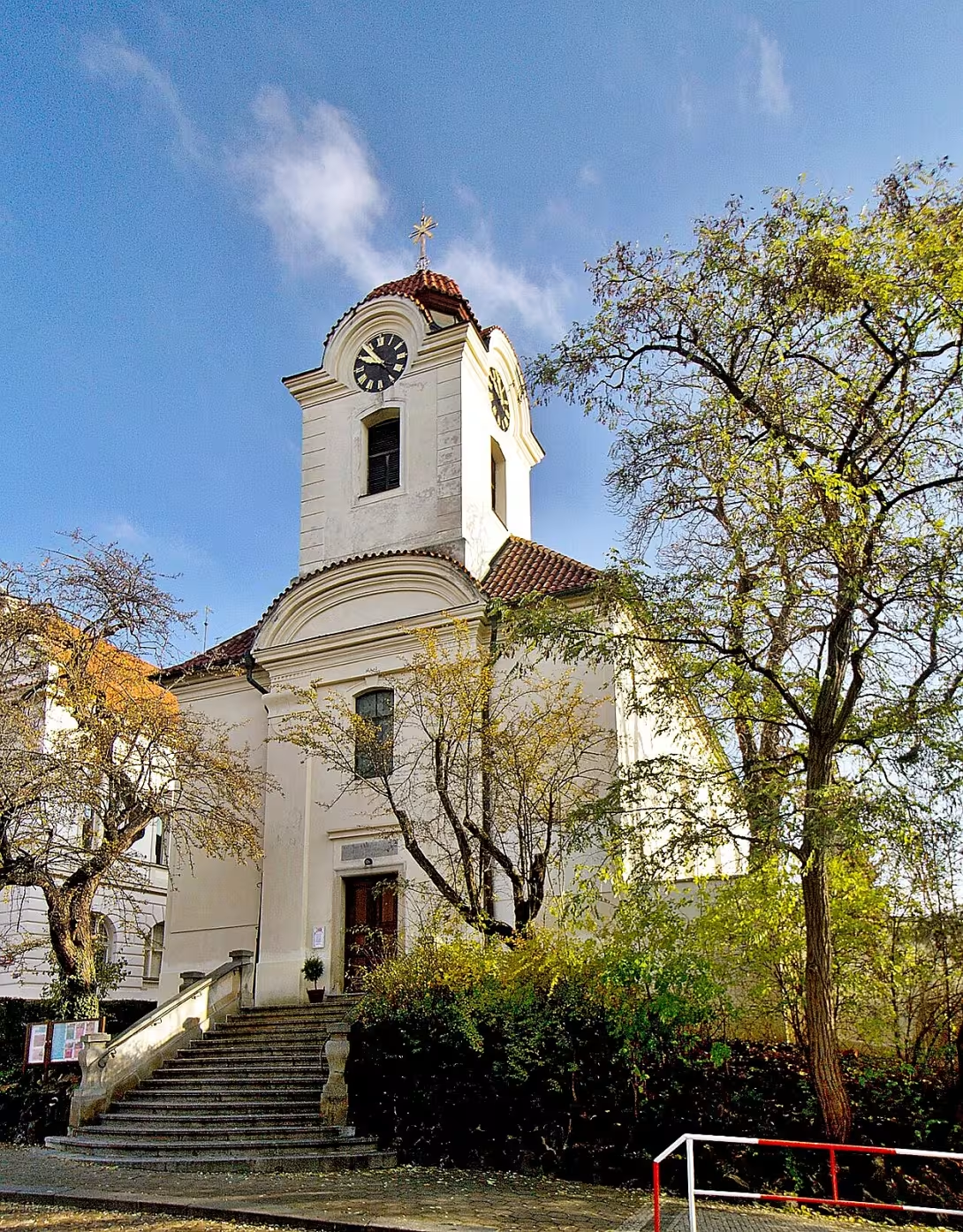
The Church of Saint Gothard in Bubeneč, Prague 6, is a Roman Catholic parish church situated on Krupkova Square, named after local dean František Krupka. The church's history dates back to the 12th century, with the first written records of its existence found in 1313. This historic church underwent significant transformations over the centuries, including a period of decline and abandonment during the Hussite Wars, and eventual rebuilding and restoration in the 18th century.
The church's early history is not well-documented, but the first written records date back to 1313, when a priest named Vlk was the local farrier. The original building was likely a Romanesque rotunda, similar to other churches in the area. However, its original structure has not been preserved. The church's strategic location on the route from the river to Prague Castle made it a key point, and its proximity to the royal hunting grounds meant it was often affected by the comings and goings of armies. The church's fortunes declined in the 14th century, and it was plundered and destroyed by Jan Žižka's forces in 1420. The church remained abandoned for over three centuries until 1786, when the parish was re-established and plans were made to build a new church on the site.
The current building of the Church of Saint Gothard was constructed in 1801, on baroque foundations, in a classicist style. František Václav Kager ze Štampachu, the highest purveyor of the Czech Kingdom, initiated the new building, as the old one was deemed unsuitable. The church has undergone several transformations and rebuilds over the centuries, with its current building reflecting the changing cultural and religious landscape of the region.
The Church of Saint Gothard is dedicated to Saint Gothard, a 7th-century saint and abbot, and its history is closely tied to the Benedictine monks who founded the nearby Břevnov Monastery in 993. The church has a rich history, and its current building is a notable example of classicist architecture in Prague. Located in the Bubeneč district, near the Vltava River, the church is worth visiting for its historical significance and architectural interest.
Today, the Church of Saint Gothard is a functioning parish church, where visitors can explore its interior and learn about its rich history. The church is a significant part of Prague's cultural heritage, and its story is a testament to the city's complex and often tumultuous past. Visitors can appreciate the church's architecture, its historical significance, and its role in the city's development, making it a must-see destination for anyone interested in history, architecture, and culture.
Then and now
Drag the slider to compare how the landmark may have looked when it was built with the view today.
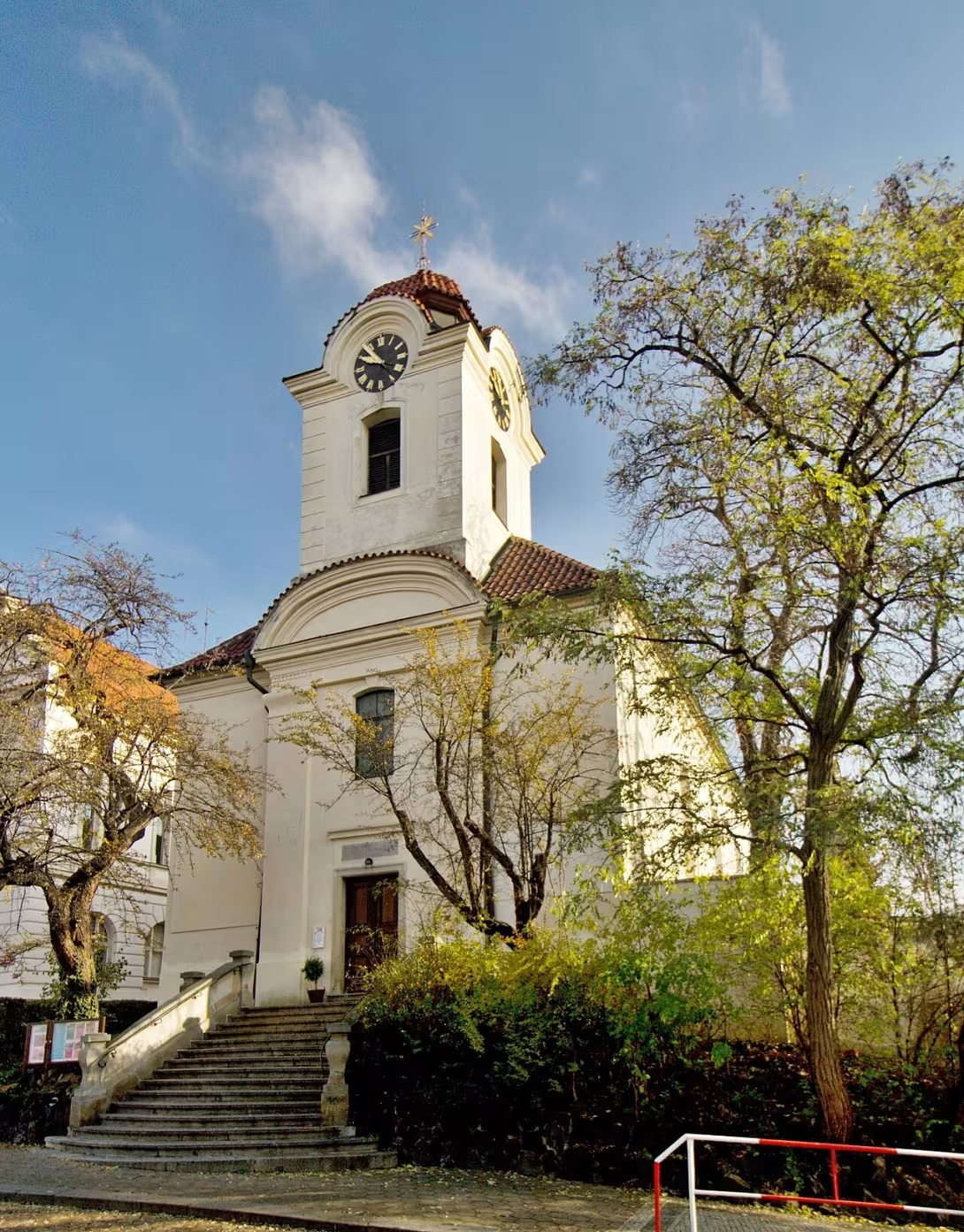
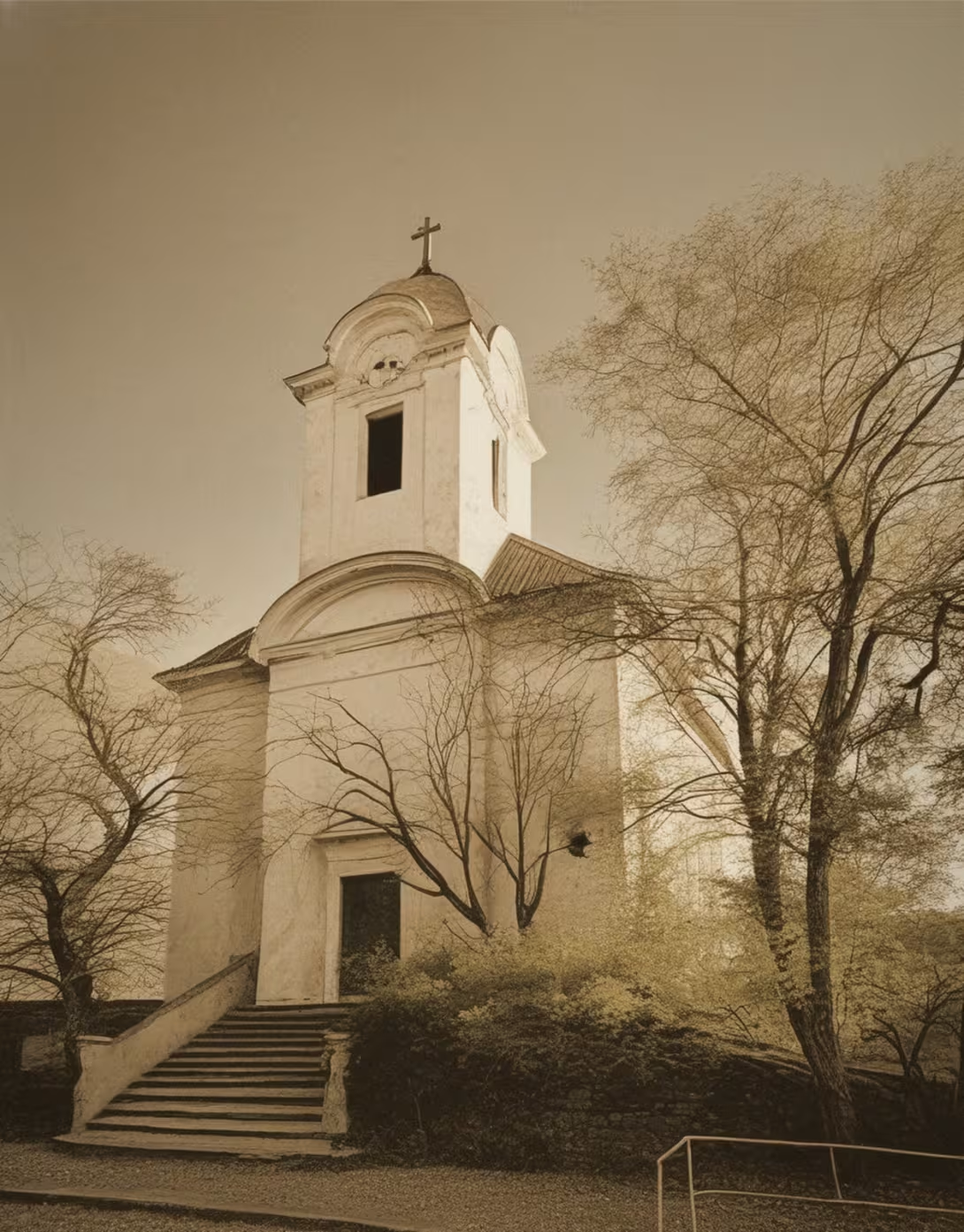
The historical appearance on the left is an AI-generated visualisation and serves as inspiration only.
Historical milestones
- 993
- The Břevnov Monastery was founded
- 999
- The monastery on Ostrov u Davle was founded
- 1313
- First written records of the church's existence
- 1420
- The church was plundered and destroyed by Jan Žižka's forces during the Hussite Wars
- 1801
- The current building was constructed
Architectural development
The church has undergone several transformations and rebuilds over the centuries. The current building is a classicist structure built on baroque foundations. The church's original building was likely a Romanesque rotunda, similar to other churches in the area.
Historical events
- 1313
- First written records of the church's existence
- 1420
- The church was plundered and destroyed by Jan Žižka's forces during the Hussite Wars
- 1801
- The current building was constructed
Points of interest
– The Church of Saint Gothard in Bubeneč has a unique connection to the nearby Břevnov Monastery, which was founded by Benedictine monks in 993, and its history is closely tied to the monastery's development.
– The church's strategic location made it a key point on the route from the river to Prague Castle, and its proximity to the royal hunting grounds meant it was often affected by the comings and goings of armies.
Guide
This guide is narrated by a synthetic voice generated by artificial intelligence.
Show guide text
This text was created by artificial intelligence and has not been editorially reviewed. It may contain inaccuracies.
Welcome to the Church of Saint Gothard in Buben. You stand before a beautiful historical monument that boasts a rich history dating back to the 12th century. The first written records of the church's existence date from 1313, but its history began much earlier.
Let us go back to the 12th century when the church was located near Břevnov Monastery, founded by Benedictine monks in 993. The Church of Saint Gothard was a key point on the route from the river to Prague, and its strategic location made it an important stop for travelers.
Now pay attention to the architecture of the church. In its current form, it dates back to 1801 and is a classic building constructed on Baroque foundations. Take a look at the façade where you can see beautiful details and patterns. Also notice the atmosphere that prevails within the church.
The Church of Saint Gothard has a unique connection with Břevnov Monastery, which was founded by Benedictine monks in 993. The history of the church is closely linked to the monastery and its development.
Let us return to some of the most important events in the church's history. In 1420, the church was destroyed and plundered by Jan Žižka during the Hussite Wars. This led to its reconstruction and rebuilding.
An interesting fact is that the Church of Saint Gothard has a unique connection with Břevnov Monastery. Take a look around and consider how the church and monastery collaborated and influenced each other.
Allow me to invite you to further explore this beautiful church and its rich history.
Businesses nearby
Events nearby

Zdroj akcí: otevřená data měst a obcí ČR (Národní katalog otevřených dat) a kalendář akcí Národního památkového ústavu.
Nearby
The church is located in the Bubeneč district of Prague, near the Vltava River.
Accommodation nearby
Trips and activities nearby
Guided tours, tickets and activities nearby from GetYourGuide
Affiliate link: if you buy from the partner, we may receive a commission. The price for you does not change.
Search tours and activities →Themed route
Here's a suggested itinerary for a thematic tour around the Kostel svatého Gotharda (Bubeneč):
1. Kostel svatého Gotharda (Bubeneč): This 14th-century church is a beautiful example of Gothic architecture and a significant cultural landmark in Prague. Its stunning architecture and peaceful atmosphere make it a must-visit destination. 2. Vltava River: Take a short walk along the Vltava River, which runs alongside the church, and enjoy the scenic views of the river and the surrounding cityscape. You can also stop by the riverbank and take a moment to relax and enjoy the tranquility of the area. 3. Bubenečská ulice: This charming street is lined with historic buildings and offers a glimpse into the local culture and way of life. Take a stroll down the street and admire the beautiful architecture, visit local shops and cafes, and soak up the atmosphere. 4. Bubenečská náves: This picturesque square is located near the church and offers a peaceful retreat from the hustle and bustle of the city. Take a seat on a bench, enjoy the views, and relax in the serene atmosphere.
Seasonal recommendations
Jaro
Spring is the ideal time to visit St. Gothard's Church because nature around the church awakens from its winter slumber during this period. The green trees and blooming flowers create a pleasant atmosphere that complements the historical ambiance of the church. A tour of the church can be combined with a walk in Bubeneč Park, which is full of life and color during the spring season.
Practical Tips: The best time to visit the church is in the morning or late afternoon when there are fewer people. We recommend wearing comfortable shoes for walking through the park and around the church grounds.
Léto
Summer is the main tourist season for Prague, including St. Gothard's Church. The church is full of tourists who want to see this historical landmark during summer. We recommend visiting early before the church gets crowded so you can explore it without the crowds.
Practical Tips: The best time to visit the church is in the morning when there are still few people around. We suggest bringing sunglasses and comfortable shoes, as you will likely be walking through the park.
Podzim
Fall is a beautiful season for visiting St. Gothard's Church. The church is surrounded by colorful leaves, creating an atmosphere of calm and peace. A tour of the church can be combined with a walk in Bubeneč Park, which is full of colors and scents during the fall season.
Practical Tips: The best time to visit the church is in the morning or late afternoon when there are fewer people around. We recommend wearing comfortable shoes for walking through the park and around the church grounds.
Zima
Winter is a quiet season for visiting St. Gothard's Church. The church is enveloped in darkness and calm during winter, creating a pleasant atmosphere for touring. We suggest bringing warm clothing and shoes as the church can be cold during this time.
Practical Tips: The best time to visit the church is in the morning or late afternoon when it is open and there are fewer people around. We recommend wearing warm clothing and shoes so you feel comfortable.
Visualizations and artistic views


The visualisations are generated by artificial intelligence and serve as inspiration.
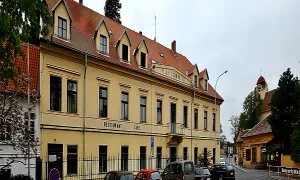
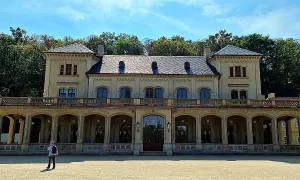
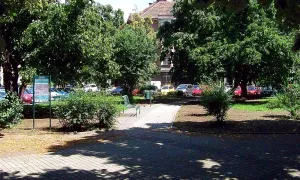
Photos from the area
Real photos taken near the monument

Zdroj a licence jsou uvedeny u každého snímku.
Tips from visitors
No tips yet. Be the first!
Log in and add your tip.
Sources and literature
Fotografie: VitVit / CC BY-SA 4.0 — Wikimedia Commons. The author and licence also appear when you hover over the image.
Faktickým podkladem tohoto textu byl článek na Wikipedii, jehož autory jsou přispěvatelé Wikipedie. Článek je dostupný pod licencí CC BY-SA 4.0.
Location on the map


Příběhy a pověsti
Legendy, pověsti a příběhy spjaté s touto památkou

Fotografie návštěvníků
Zatím žádné fotografie. Buďte první, kdo přidá fotografii z návštěvy!
Přihlaste se a přidejte svou fotografii nebo hodnoťte.
Za ověřenou návštěvu v aplikaci získáte víc bodů — poznáme podle GPS, že jste na místě.
Reviews and comments