



kostel svatého Gotharda v Krupé Church
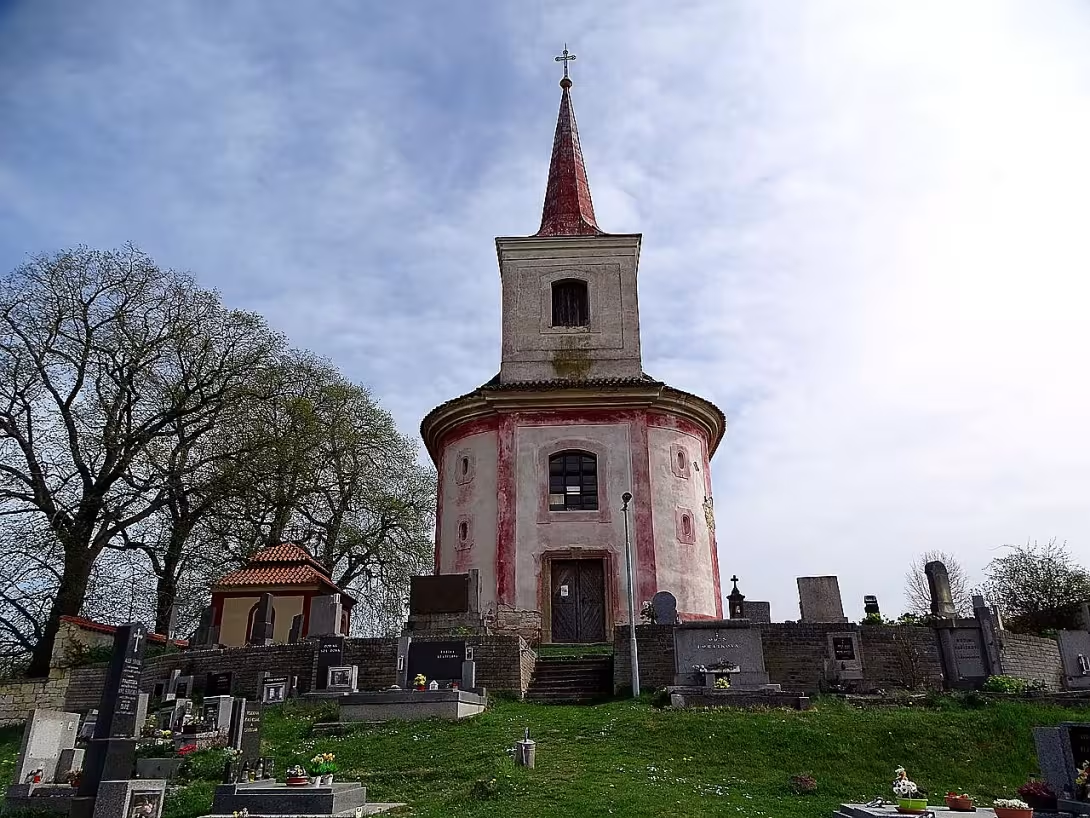
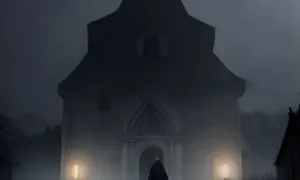
The Church of Saint Gothard in Krupá is a remarkable Baroque monument, located slightly outside the village itself, nestled within the local cemetery. Originally built in Gothic style, it was transformed into its present Baroque form in the first half of the 18th century. This church designs visitors because of its isolated location and rich legends around it.
The Church's origin dates back to when Gothic architecture prevailed in Europe. But with the rise of the Baroque movement in the early 18th century, this church adopted a new style. The transformation from Gothic to Baroque reflects wider European trends after major events, such as the Thirty Years' War, which brought religious and political changes to the Czech Republic.
Architecturally, the church is proof of the transition between these styles. Originally built with vertical and pointed arches typical of Gothic architecture, later decorated with decorative details and a magnificent characteristic of baroque design. The reasons for its isolated position remain speculative; One theory suggests that the epidemic required a burial site far from populated areas, which affected the location of the cemetery and the church itself.
the church is surrounded by several local legends that add to its mystery. One story summarises the attempts of the villagers to build a church in the center of the village, only to be mysteriously dismantled by an unknown force every night, leading them to its construction at its present location. Another legend talks about two bells in a church that rings whenever a disaster occurs over an area like the plague or the war, believed it would reflect a storm. Plus, there's a story about a local man who witnessed the night figures that led the mass to the church, which added a terrifying dimension to his history.
Today, the Church of St. Gothard remains a place of historical and cultural interest. His Baroque architecture offers visitors a view of the artistic transformations of the 18th century, while his legends provide a fascinating story that enriches the experience. The church is a somewhat remote place adding to its charm, inviting visitors to think about the mysteries it holds.
The Church of Saint Gothard in Krupá is not only an architectural miracle, but also a repository of local folklore and history. Its unique blend of Gothic origin and baroque transformation together with interesting legends makes it a convincing destination for anyone interested in exploring the rich cultural tapestry of the Czech Republic. Visitors are encouraged to experience this remarkable first-hand place where history and legend intertwine to create an unforgettable journey through time.
Then and now
Drag the slider to compare how the landmark may have looked when it was built with the view today.
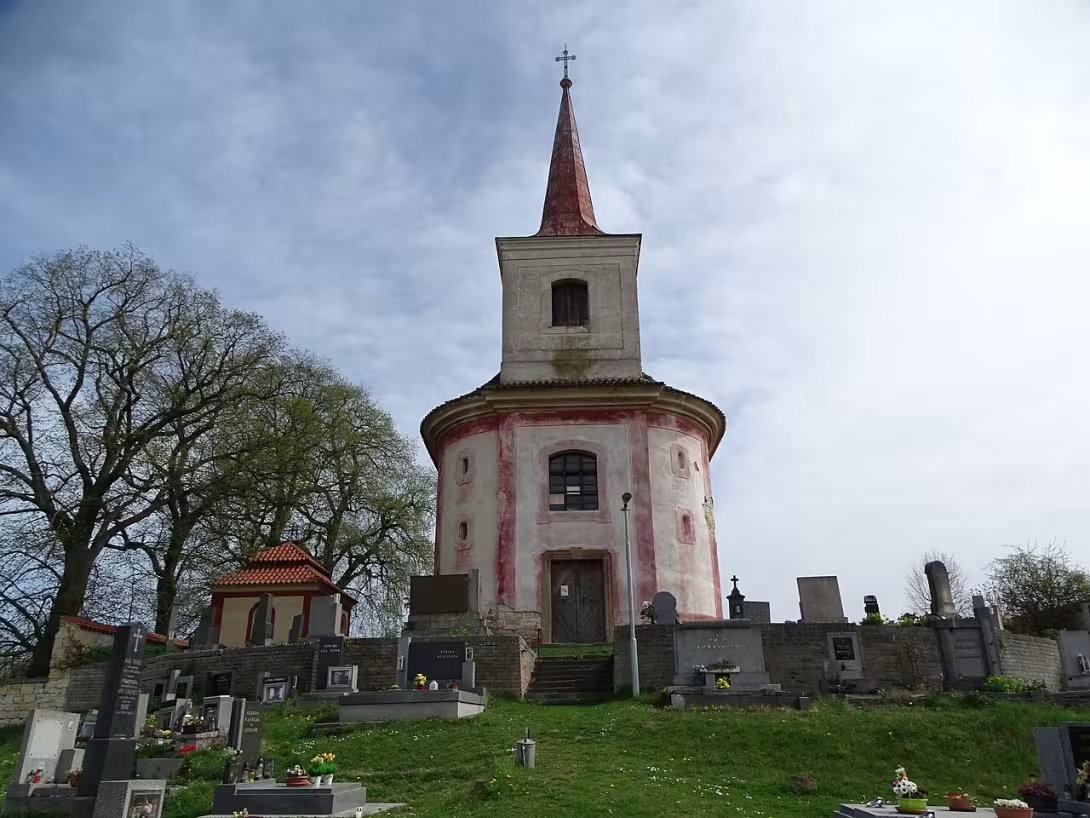
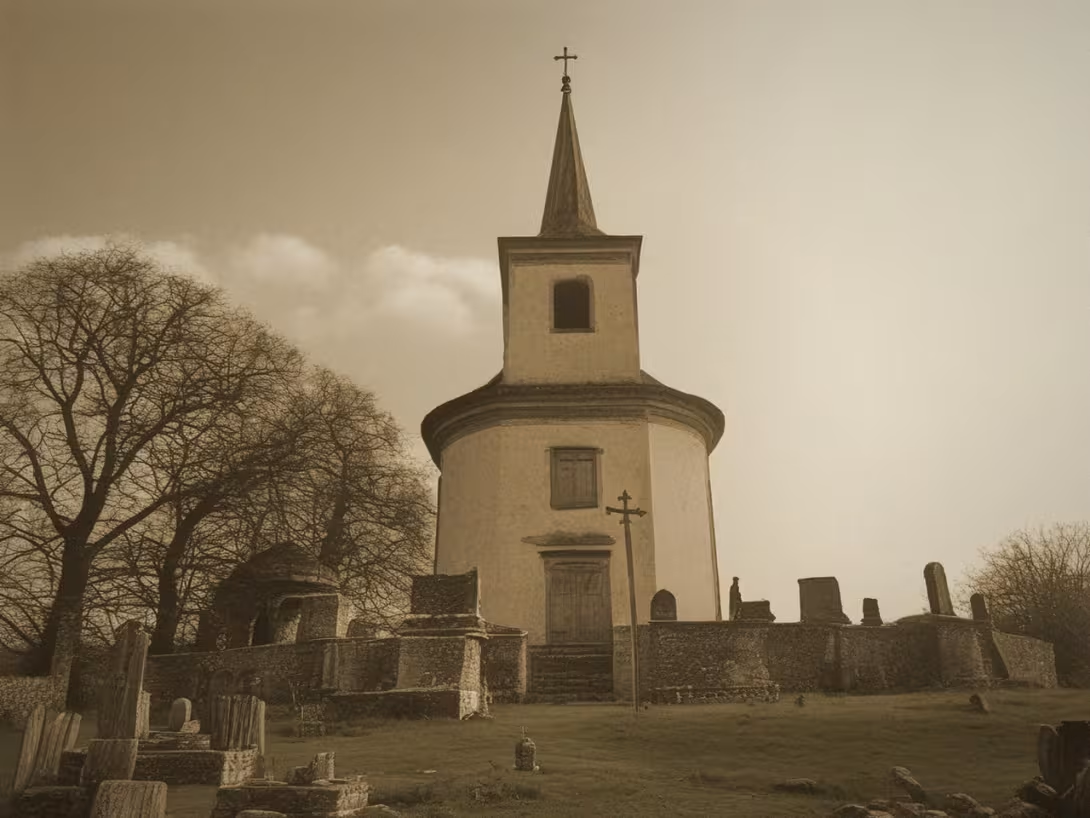
The historical appearance on the left is an AI-generated visualisation and serves as inspiration only.
Historical milestones
- Around 14th century
- Torch construction of the Gothic skeleton.
- 1618-1648
- The Thirty Years' War affects the religious and political landscape of Bohemia.
- 1st half of the 18th century
- Turning the church into a baroque bed.
Architectural development
In the first half of the 18th century, when St. Götebard's church was converted into baroque design, it was originally built in Gothic style. The reasons for its isolated location remain speculative, while one theory suggests that the epidemic affected its location.
Historical events
the church was originally gothic and later transformed into a baroque style in the early 18th century.
Points of interest
- One less well-known fact about St. Gothard's Church is that it was originally built in a Gothic style than it was transformed into baroque architecture during the 18th century. This reflects the broader European trend for major historical events, such as the Thirty Years' War, which has influenced religious and political change.
A strange legend connected to the church involves villagers trying to build it in the center of the village just to be mysteriously dismantled every night by an unknown force. This led to its construction on its present isolated location inside the cemetery.
- Another interesting story is about two bells in the church, which is said to ring whenever a disaster occurs over an area like the plague or war. These bells are believed to have a protective function, reward storms and disasters.
- There's also the story of a local man who supposedly witnessed the night figures that led the mass in the church, adding a terrifying dimension to his history and strengthening his mystery between locals and visitors.
- The reasons for the isolated location of the church are speculative; One theory suggests that the epidemic required a burial site far from populated areas. This affected the location of the cemetery and the construction of the church itself, reflecting historical health concerns at certain times.
Guide
This guide is narrated by a synthetic voice generated by artificial intelligence.
Show guide text
This text was created by artificial intelligence and has not been editorially reviewed. It may contain inaccuracies.
Welcome to the church of St. Gothard in Krupá, a quiet and captivable Baroque structure, slightly nestled on one side from the village itself at the local cemetery. As you stand here, take a moment to absorb your surroundings - the isolated location of the church adds air of mystery and peace.
The origin of this sacred place dates back to the 14th century when it was originally built in Gothic style. This period meant a period when Gothic architecture flourished throughout Europe, characterised by pointed arches and complex patterns. However, as you look at the church today, what attracts your attention is not these early features, but rather the transformation that took place in the first half of the 18th century. It was at the time that the church underwent significant metamorphosis into its present baroque form - a style known for its spectacular and dramatic use of space.
Let's dive deeper into this architectural evolution. The Baroque period followed a stormy 30-year war that significantly influenced the religious and political landscape throughout Europe, including Bohemia. The consequences of this war have seen a shift in artistic expressions, with many structures redesigned to reflect renewed hope and grandiousness associated with baroque style.
As you walk through this beautiful structure, observe how its components speak of resistance and renewal. The facade church, although not detailed in our records, probably has ornaments typical of baroque architecture - curves, elaborate decoration and a sense of movement that attracts your eyes up and out.
While particular architects remain unknown, their work has left an indelible mark on the cultural heritage Krupá. The transformation from Gothic to Baroque reflects wider European trends during the period of reconstruction and redefinition after major historical events such as the Thirty Years' War.
There is a less well-known fact about this church, which adds another layer to its rich history: it was originally built in a Gothic style before transforming into Baroque architecture in the 18th century. This change is a symbol of how historical events can affect architectural trends, leading communities to adapt and develop their sacred space over time.
As you continue your research, let your imagination wander about the stories of this place - generations who have gathered here to worship, celebrate and comfort. The isolated location of the church triggered various theories, including one that suggested that the epidemic at that time required its distance from the center of the village.
Before we complete our journey together, think about how history is encapsulated in this structure - every stone tells stories of change and continuity. We invite you to explore further, perhaps wander around the cemetery or dare to go to Krupá itself and find out more about this charming area.
Thank you for joining us at St. Gothard's Church. Let your visit be both enlightening and inspiring as you continue to uncover the layers of history that surround you. Safe travels on your journey through time and space!
Tips for visitors
The best time to visit St. Götebard's church in Krupá is at the end of spring or early autumn when the weather is pleasant, allowing you to conveniently explore both the church and its surrounding cemetery. These seasons offer mild temperatures and beautiful natural lighting, improving your experience as you admire baroque architecture against the background of flowering flora or colorful falling leaves.
For those who prefer public transport, it is advisable to check the current routes via an online search engine and find the best connections from large cities in the region of Central Bohemia. This flexibility ensures that you can plan your visit according to your preferred travel method.
When visiting, consider bringing comfortable walking shoes and a zoom camera. The background church offers several picturesque places for photography, especially during the golden hour, when sunlight gently illuminates the baroque facade and complex details. A survey of the cemetery can also provide unique angles and compositions to capture the quiet atmosphere of this historic place.
For families with children, St. Gothard's Church provides a peaceful environment for joint exploration. While there are no special attractions in the church area that would be sewn for young visitors, the surrounding area offers plenty of space for peaceful walks or picnics. Involving children in the history and architectural elements of the church can make a visit educational and fun.
When it comes to surrounding attractions within a 30-minute drive, you can consider visiting other historical monuments or natural landscapes that show rich cultural heritage of the Central Bohemian region. Although there are no specific recommendations available, examining local maps or travel guides could reveal interesting places to visit after a visit to the church.
Frequently asked questions
Can the monument be visited?
Religious buildings are usually open mainly during services; at other times a visit is normally arranged with the parish or the operator. We have not verified specific times.
Where is the monument?
Location: Krupá, Středočeský kraj. The map on this page shows the exact spot.
Why is the monument protected?
It is listed in the Central List of Cultural Monuments of the Czech Republic as a cultural monument (register no. 22727/2-2667).
Businesses nearby
Do you run a restaurant, accommodation, shop, museum, rental, wellness or other visitor service near this monument? Show yourself directly to the people heading to it — this is how they will see you in the app and on the web:
Nearby
ITEX Show interactive overview of the surroundings - restaurants, accommodation, rentals and other places within a 15 km radius.
Data: OpenStreetMap contributors, 15 km radius.
‡ Historical monuments
- Jan Hus (3.4 km)
- Ruins Jban (5.6 km)
- sv Jan Nepomucký (5.9 km)
- Kounovsky stone lines (6.1 km)
- Statue of the Virgin Marie (6.7 km)
- Pegas (6.9 km)
- Gibbon (7.0 km)
- Kounovsky stone lines (7.0 km)
Restaurant and catering
- Krusovice (3.2 km)
- Krusovice (3.2 km)
- Krusovice (3.2 km)
- Podjban Brewery (3.4 km - Big Page 2)
- U Banks (4.0 km)
- Lebeda (4.0 km)
- Samson café (6.7 km - V Brance 233)
- Šalanda (6.8 km - Husovo Square 53)
Accommodation
- Motorest Na Šustné (1.2 km)
- Lions - training center (2.9 km - 31)
- Panský Mlýn (6.7 km - Dukel heroes 65)
- Wine apartment (6.7 km - U Deep well 138)
- Accommodation Caff (6.9 km)
- Pension No thanks (7.0 km)
- Hotel Svoboda (7.0 km)
- guesthouse Šebába (7.1 km)
› Rental and sports
- JK Falco Krusovice (3.5 km)
- JK Falco Krusovice (3.7 km)
- Sportisimo (6.1 km)
- Fun Family Fitness s.r.o. (6.5 km - V Jamce 2479)
- Profi Fitness Millennium (6.7 km - Vladislava 2584)
- Wheels Rezek - Rezkova (6.8 km - Martinovský 182)
- Kola Safranek (6.9 km - Railway station 4)
- Dr.Cyclo (7.0 km - Vladislavova 407)
© Tourism and nature
- Louštín (4.8 km)
- Lodenice (4.9 km)
- Pod Jbanem (rozc.) (5.7 km)
- Small Louštín (6.2 km)
- Rivničská Lísa (6.3 km)
- Merkovka (6.3 km)
- Pod Small Louštěm (7.2 km)
- Pravda (8.4 km)
Accommodation nearby
Themed route
Thematic cruise route around St. Gothard's Church in Krupé
1. Church of St. Gothard, Krupá - * Type *: Church - * The reason behind the visit *: This historic baroque church is the centre of my belonging and offers rich architecture from the 18th century. Its interior is home to beautiful sculptures and production times that pass to other areas that are both historical and mandatory.
2. Local park near the church - * Type *: Park - * Behavior *: Unleavened, overlying to the church, this park offers a resting area for relaxation and a lie-in to the surrounding countryside. It is an ideal place for a short walk or get a rest after a challenging cube.
3. Krupsky Chateau - * Type *: Chateau - * Why stands behind the wall *: This historic chateau is one of the oldest and most usable monuments in the area. It is an architecture reflected by historical similarities, which is also a factor for milestones of history and architecture.
4. Krupa pond - * Type *: Pond - * Why is it worth the effort *: This small pond is an ideal bridge for relaxation, which has been used on natural beauties and possible for the determination of estuary. It's a place where you can enjoy a quiet moment in nature.
5. Krupsky Square - * Type *: Square - * Why is it worth a visit *: The city's central data is located in various historical buts and modernization. It's an ideal place to pierce a small life and maybe stop at a restaurant or cafe.
This route offers combined cultures, historical and natural attractions, enabling the production of Krup's own product and its surroundings.
Seasonal recommendations
Spring: The arrival of spring brings delicate warmth and flowering flora surrounding the church of St. Gothard in Krupá, creating a charming atmosphere as nature awakens. Visitors can enjoy filtering soft light through promising trees, casting fine shadows on the historical architecture of the church. It is advisable to wear layers because temperatures may vary throughout the day. Morning visits are recommended to avoid larger crowds and fully appreciate the calm beauty of the landscape in bloom.
Summer: In summer, St. Götebard's church heats up in long hours and offers a lively background to explore its historical features. Refreshing greenery and warm sun highlight the magic of the church, making it an ideal time to photograph enthusiasts. However, this is also the peak of the tourist season, so coming soon can help avoid the busiest times. Comfortable walking shoes and light clothes are recommended to stay calm while enjoying the site.
Autumn: Autumn transforms the church of St. Götebard with a palette of warm colors like leaves to color gold and red. Sharp air and softer light create a picturesque environment, ideal for peaceful walks around the countryside. This season often sees fewer visitors, which allows a calmer experience. The layered clothing is suitable to adjust the fluctuating temperatures and the afternoon visit can capture rich shades of autumn leaves.
Winter covers the church of St. Gothard in a quiet snow blanket that offers a magical and peaceful atmosphere that contrasts with its usual vibrancy. The snow landscape provides a unique background for the award of architectural details church. However, shorter opening times may apply as a result of the season, so a forward check is recommended. Warm clothes, including hats and gloves, are essential and a visit during the midday can ensure better light conditions because the morning is often colder and darker.
Visualizations and artistic views


The visualisations are generated by artificial intelligence and serve as inspiration.
Photos from the area
Real photos taken near the monument


Zdroj a licence jsou uvedeny u každého snímku.
Tips from visitors
No tips yet. Be the first!
Log in and add your tip.
Sources and literature
Photos: ŠJů / CC BY 4.0 — Wikimedia Commons. The author and licence also appear when you hover over the image.
Faktickým podkladem tohoto textu byl článek na Wikipedii, jehož autory jsou přispěvatelé Wikipedie. Článek je dostupný pod licencí CC BY-SA 4.0.
Location on the map





Příběhy a pověsti
Legendy, pověsti a příběhy spjaté s touto památkou
Fotografie návštěvníků
Zatím žádné fotografie. Buďte první, kdo přidá fotografii z návštěvy!
Log in a přidejte svou fotografii nebo hodnoťte.
Za ověřenou návštěvu v aplikaci získáte víc bodů — poznáme podle GPS, že jste na místě.
Reviews and comments