






Kostel svatého Gotharda (Vysoké Chvojno) Church
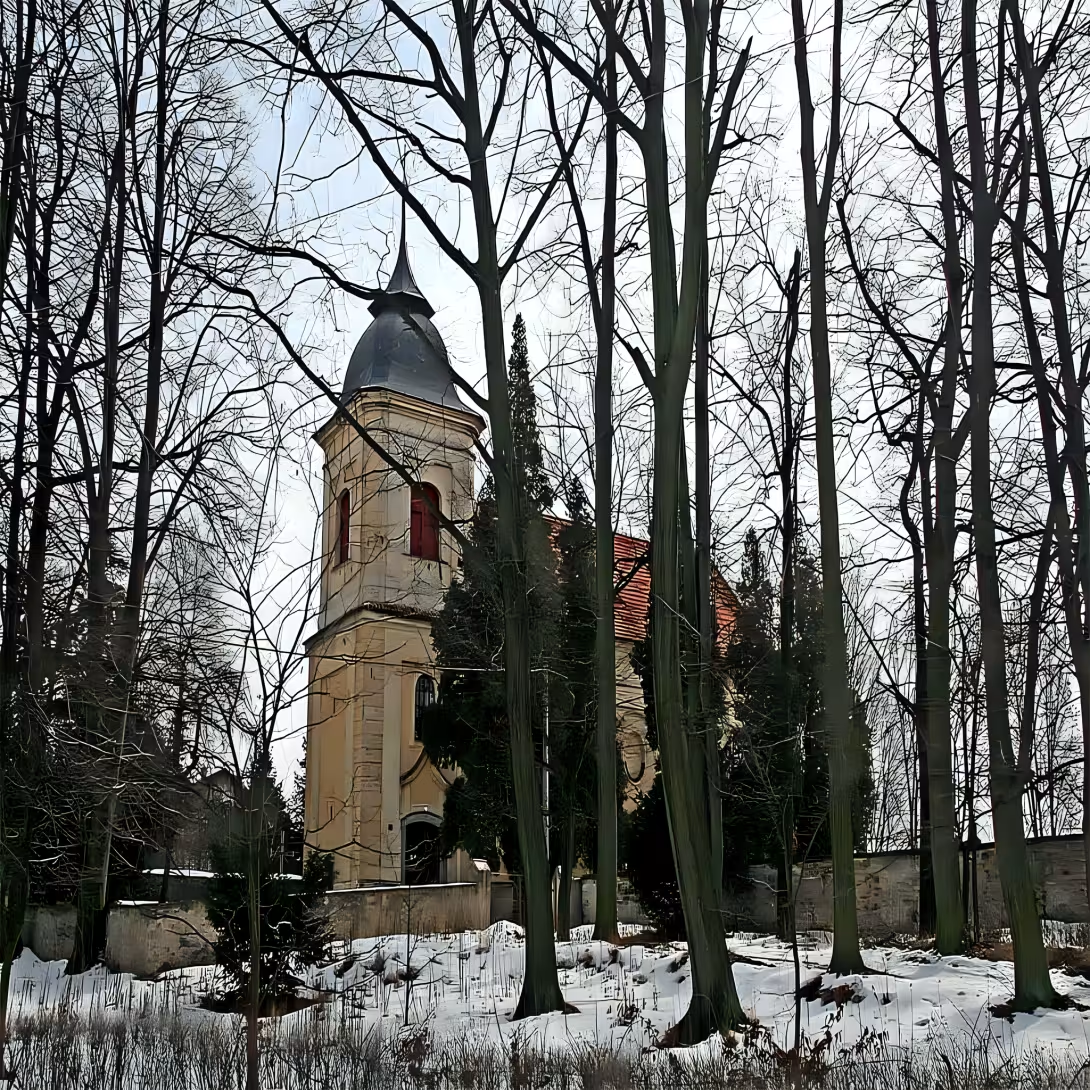
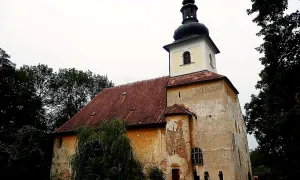
The Church of Saint Gothard in Vysoké Chvojno is a notable example of Baroque architecture in the Pardubice region. Built between 1733 and 1735, this stone church replaced an earlier wooden structure that had fallen into disrepair. Along with its adjacent former parsonage, it is recognized as a cultural monument in the Czech Republic, underscoring its architectural significance and historical importance.
The origins of the Church of Saint Gothard date back to the 14th century when the first wooden parish church was mentioned. However, during the Hussite Wars, this structure was destroyed, leading to annexation by Holice parish. A subsequent wooden church was built but eventually demolished due to disrepair. The current stone edifice began construction in 1733 based on a design by Tomáš Haffenecker, later modified by Kilián Ignác Dientzenhofer. This transition marked an architectural evolution from wood to stone, reflecting the Baroque style of the period.
Architecturally, the Church of Saint Gothard has undergone several renovations and restorations throughout its history. Major changes occurred in 1898 and 1928, with facade repairs in 1968 and electrical updates in 1993. The exterior was restored again in 2014 to preserve its Baroque elements. The church's design features a nearly north-south orientation, with a square tower on the northern side and a sanctuary at the southern end of the nave.
The church houses several notable artifacts, including a valuable Renaissance tin baptismal font from 1615 and a bell cast in 1590. This bell, one of the original five, bears inscriptions and was complemented by a smaller bell added in 1935. Additionally, the church's belfry contains two-manual mechanical pipe organs with a positive in the gallery, constructed in 1864 by Josef Andrýs.
The surrounding area includes a baroque former parsonage located about 70 meters west of the church. A small park features a baroque statue of Saint John of Nepomuk, adding to the site's historical and cultural richness. The farnost is currently administered excurrendo from Holice, reflecting its ongoing religious significance.
Today, the Church of Saint Gothard remains an accessible and noteworthy destination for visitors interested in Baroque architecture and Czech history. Its preservation efforts ensure that it continues to be a key cultural landmark in the region. Visitors are invited to explore this historical monument, appreciating its architectural beauty and rich history.
Then and now
Drag the slider to compare how the landmark may have looked when it was built with the view today.
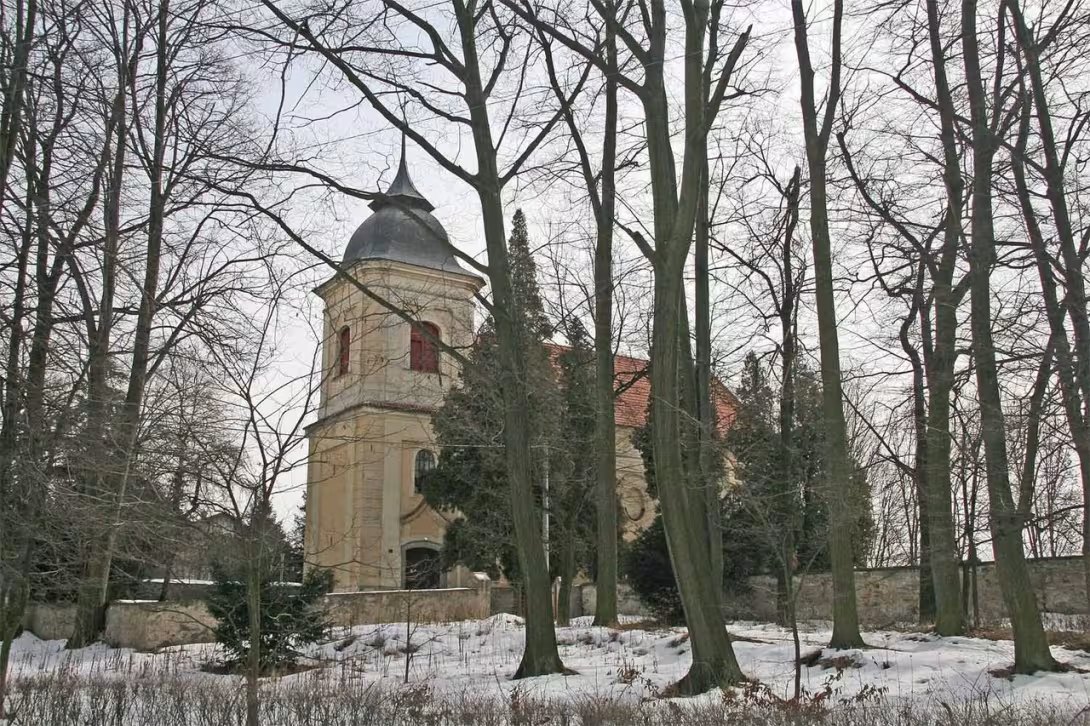
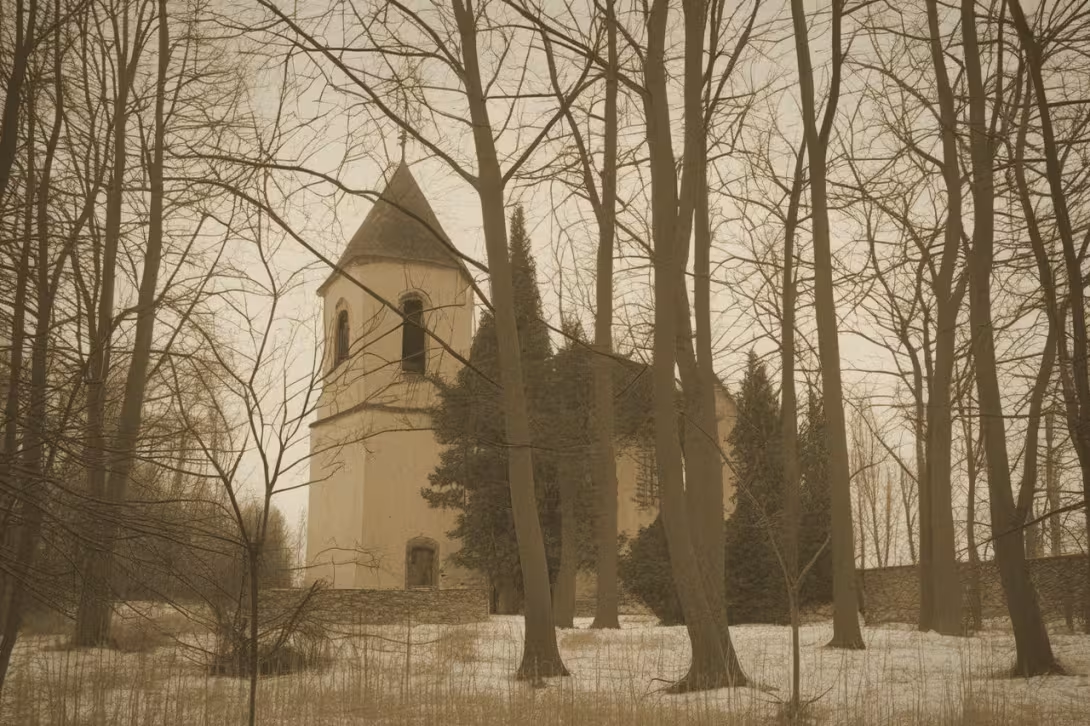
The historical appearance on the left is an AI-generated visualisation and serves as inspiration only.
Historical milestones
- 1735
- The church was consecrated at the beginning of September.
- 1898
- Major renovations were carried out.
- 1928
- Further significant renovations took place.
- 1968
- The facade was repaired.
- 1993
- New electrical installation and repainting of the church were completed.
- 2014
- Exterior restoration of the church was completed.
Architectural development
The Church of Saint Gothard underwent significant architectural changes from its initial wooden structure to the current stone edifice designed in the Baroque style. Major renovations occurred in 1898 and 1928, with facade repairs in 1968 and electrical updates in 1993. The exterior was restored again in 2014.
Historical events
The original wooden parish church was first mentioned in the 14th century but was destroyed during the Hussite Wars, leading to its territory being annexed by Holice parish. A new wooden church was later built and subsequently demolished due to disrepair.
Construction of the current stone church began in 1733 based on a design by Tomáš Haffenecker, which was modified by Kilián Ignác Dientzenhofer. The church was consecrated at the beginning of September 1735.
Points of interest
- The Church of Saint Gothard's transition from wood to stone architecture reflects the broader Baroque movement in Europe during the 18th century, marking a significant shift in building materials and styles.
- Despite its Baroque style, the church houses a Renaissance tin baptismal font from 1615, showcasing an intriguing blend of artistic periods within a single structure.
- The bell cast in 1590 is one of the original five bells and features inscriptions that provide historical insights into the era's craftsmanship and religious practices.
- In addition to its architectural significance, the site includes a baroque statue of Saint John of Nepomuk located in a small park nearby, adding another layer of cultural and spiritual history to the area.
- The church’s belfry contains two-manual mechanical pipe organs with a positive in the gallery, constructed in 1864 by Josef Andrýs, representing an important piece of musical heritage from the period.
Guide
This guide is narrated by a synthetic voice generated by artificial intelligence.
Show guide text
This text was created by artificial intelligence and has not been editorially reviewed. It may contain inaccuracies.
The Church of Saint Gothard, together with the nearby building of the former rectory, is a landmark of Vysoký Chvojn in the Pardubice region. It can be seen from far away above the Labe River plain. Both the church and the rectory are protected as cultural monuments.
The original wooden parish church is first mentioned in the fourteenth century. During the Hussite Wars it was demolished and the parish was transferred to Holice. Later a new church was built, again wooden, but it deteriorated over time and had to be torn down. The decision to rebuild the parish church was made in seventeen hundred and ten, and the first entry in the parish register dates from seventeen hundred and eleven. Master builder Tomáš Haffenecker submitted a project for a stone building in seventeen hundred and twenty-nine. However, the church was built between seventeen thirty-three and seventeen thirty-five according to a design adapted by Kilián Ignác Dientzenhofer. The construction was led by builder Roček from nearby Dašice, and at the beginning of September seventeen thirty-five the church was consecrated. It cost fifty-two hundred guilders. For comparison, a peasant farm cost eighty to one hundred guilders at that time.
The site was apparently settled much longer ago. According to some historians, a report from the year eleven hundred and thirty-nine relates to a castle here. At that time the Czech prince Soběslav is said to have fallen ill here, and he then died in February eleven hundred and forty. However, this interpretation is not unanimous.
The church underwent major repairs in eighteen ninety-eight and nineteen twenty-eight. In nineteen sixty-eight the façade was restored and in nineteen ninety-three the church received new electrical installation and was repainted. The exterior façade was renewed in twenty fourteen.
The church is oriented almost from north to south. On the north side stands a tower with a square ground plan, the chancel is at the southern end of the nave. The middle one of the original five bells was cast in fifteen ninety by master Elías, a bellmaker in Hradec nad Labem. The second, smaller bell dates from nineteen thirty-five. A valuable monument is a Renaissance tin font from sixteen fifteen. Two-manual organ in the choir was built in eighteen sixty-four by Josef Andrýs from Neznášov. Behind it three original wedge-shaped bellows have been preserved.
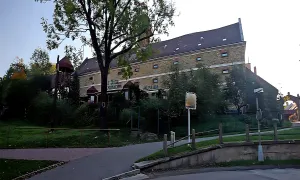
About seventy meters west of the church stands a baroque rectory building with a mansard roof from seventeen eighty-six. Since the nineteen eighties it has been in private hands. In a small park in front of the church stands a baroque statue of Saint John of Nepomuk. Around the church extends a small cemetery. The parish is now administered from Holice.
Saint Gothard was born in the year nine hundred and sixty in Bavaria into the family of a poor farmer. As a boy he entered the Benedictine order and in nine hundred and ninety-six he became abbot. From ten twenty-two until his death in ten thirty-eight he was bishop in Hildesheim. He is venerated mainly in Germany and Switzerland, where a well-known Alpine pass bears his name.
Frequently asked questions
Can the monument be visited?
Religious buildings are usually open mainly during services; at other times a visit is normally arranged with the parish or the operator. We have not verified specific times.
Where is the monument?
Location: Vysoké Chvojno, Pardubický kraj. The map on this page shows the exact spot.
Why is the monument protected?
It is listed in the Central List of Cultural Monuments of the Czech Republic as a cultural monument (register no. 29917/6-2175).
Businesses nearby
Do you run a restaurant, accommodation, shop, museum, rental, wellness or other visitor service near this monument? Show yourself directly to the people heading to it — this is how they will see you in the app and on the web:
Nearby
The church area includes a baroque former parsonage located about 70 meters west of the church. A small park features a baroque statue of Saint John of Nepomuk.
Accommodation nearby
Themed route
Tematická výletní trasa: Kostel svatého Gotharda a jeho okolí
1. Kostel svatého Gotharda (Vysoké Chvojno) - Kostel Začněte svou cestu u kostela svatého Gotharda, který je nejen duchovním centrem obce Vysoké Chvojno, ale také architektonickou perli s bohatou historií. Jeho sakrální prostor a výrazná barokní architektura nabízejí pohled na minulost a umělecké hodnoty regionu.
2. Barokní bývalá fara - Budova Přibližně 70 metrů západně od kostela se nachází barokní bývalá fara, která je důležitou součástí historického komplexu. Její elegantní design a historický význam představují zajímavý kontrast k kostelu a nabízejí vhled do života faraře a jeho rodiny během barokní éry.
3. Malá zahrada s barokním pomníkem svatého Jana Nepomuckého - Park Odkudkoliv se vracíte k kostelu, můžete navštívit malou zahradu umístěnou blízko kostela. V jejím středu je barokní pomník svatého Jana Nepomuckého, který přitahuje pozornost svou historickou a uměleckou hodnotou. Tento místo nabízí klidnou zastávku pro relaxaci a reflektaci v krásné přírodě.
Tato trasa nabízí pohled na kulturní a duchovní bohatství obce Vysoké Chvojno, zaměřený na hlavní památku a její okolí.
Seasonal recommendations
Spring: Visiting the Church of Saint Gothard during spring offers a unique experience as nature awakens around Vysoké Chvojno. The surrounding landscape is painted with vibrant colors as wildflowers bloom and trees regain their lush greenery, creating an idyllic backdrop for exploring this historic site. The soft light filtering through budding branches enhances the church's architectural details, providing a serene atmosphere perfect for reflection and photography. Visitors should consider wearing comfortable walking shoes to explore the area fully, and bring a light jacket as temperatures can vary. Early morning visits are recommended to enjoy the tranquility before larger crowds arrive.
Summer: Summer is an ideal time to visit the Church of Saint Gothard, with its long daylight hours allowing for extended exploration of both the church and the picturesque surroundings. The lush greenery and blooming gardens create a vibrant atmosphere that complements the historic architecture. However, this season also attracts more visitors, so planning ahead is crucial. Arriving early in the morning can help avoid crowds and ensure a peaceful experience. Comfortable walking shoes are recommended for exploring the area, along with sun protection such as hats and sunscreen to enjoy the warm weather comfortably.
Autumn: Autumn brings a magical transformation to the Church of Saint Gothard, as the surrounding landscape turns into a tapestry of reds, oranges, and yellows. The changing leaves create a stunning contrast against the historic architecture, making it a perfect time for photography enthusiasts. The cooler temperatures are ideal for leisurely walks around the church grounds, allowing visitors to fully appreciate the serene atmosphere. Layered clothing is advisable due to fluctuating weather conditions, and an umbrella might be useful in case of unexpected showers. Late afternoon visits can offer beautiful lighting as the sun sets behind the colorful foliage.
Winter: Winter offers a unique charm at the Church of Saint Gothard, with snow-covered landscapes providing a picturesque setting for this historic site. The stark beauty of bare trees against a crisp winter sky creates an atmospheric backdrop that enhances the church's architectural features. Visitors should dress warmly in layers and wear sturdy boots to navigate potentially icy paths. Due to shorter daylight hours, planning your visit during midday will maximize time spent exploring the area. While some services might be affected by the weather, the peacefulness of a winter visit can offer an intimate experience with fewer crowds.
Visualizations and artistic views


The visualisations are generated by artificial intelligence and serve as inspiration.
Photos from the area
Real photos taken near the monument


Zdroj a licence jsou uvedeny u každého snímku.
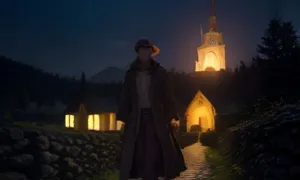
Atmosphere of the place
This atmospheric visualisation of the place and period was generated by artificial intelligence. It is not real footage of the location.
Tips from visitors
No tips yet. Be the first!
Log in and add your tip.
Sources and literature
Photos: Zp at Czech Wikipedia / CC BY-SA 3.0, rozlišení zvýšeno umělou inteligencí — Wikimedia Commons. The author and licence also appear when you hover over the image.
Faktickým podkladem tohoto textu byl článek na Wikipedii, jehož autory jsou přispěvatelé Wikipedie. Článek je dostupný pod licencí CC BY-SA 4.0.
Location on the map
More monuments – Vysoké Chvojno
Show all in the municipality

Příběhy a pověsti
Legendy, pověsti a příběhy spjaté s touto památkou
Fotografie návštěvníků
Zatím žádné fotografie. Buďte první, kdo přidá fotografii z návštěvy!
Log in a přidejte svou fotografii nebo hodnoťte.
Za ověřenou návštěvu v aplikaci získáte víc bodů — poznáme podle GPS, že jste na místě.
Reviews and comments