






Kostel svatého Hippolyta Church
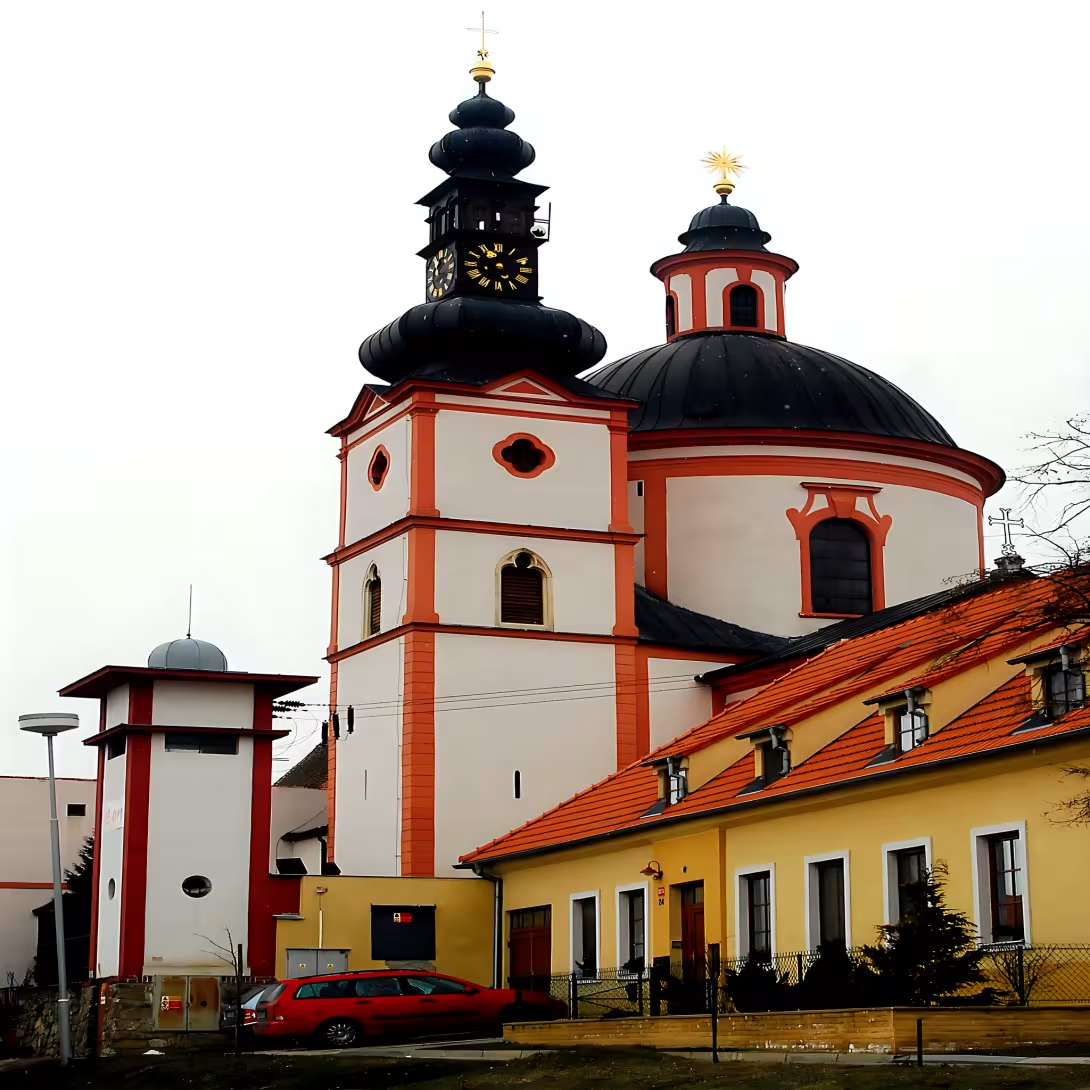
The Church of Saint Hippolytus in Znojmo is a Roman Catholic church located in the Hradiště district. It holds historical significance dating back to the Great Moravian Empire and features a Baroque-Classical form today. Built on an original rotunda's foundations, it stands as a protected cultural monument. Archaeological findings suggest early ecclesiastical structures from the 11th century.
The church's origins are linked with Znojmo's Přemyslid princes in the mid-11th century. The original rotunda served as a significant structure for these rulers. By the late 13th century, the Knights Hospitaller took over and established a monastery there, marking a pivotal moment reflecting broader historical shifts.
Architecturally, the church underwent significant changes over centuries. After the Thirty Years' War, it was extensively reconstructed in the 18th century to its present Baroque-Classical appearance. It is dedicated to Saint Hippolytus, a relatively rare honor for a Roman martyr. The church also features an exquisite fresco by baroque painter F. A. Maulbertsch.
Ownership and administration have changed dramatically over time. Initially linked with Znojmo's Přemyslid princes, the site became associated with the Knights Hospitaller in 1240, who maintained control until 1963. During their tenure, they constructed a complex of canons' buildings around the church, completed by 1766.
Key events include archaeological discoveries that have illuminated its ancient origins. In 1998, research led by Bohuslav Klíma uncovered parts of the original rotunda's foundations. Further exploration in 2021 revealed a circular structure from the mid-11th century beneath the church, confirming its historical depth and significance.
Today, the Church of Saint Hippolytus stands as a testament to Znojmo's rich history. Its architectural beauty and historical layers make it a compelling site for visitors interested in exploring the cultural heritage of the South Moravian Region. The church's preservation ensures that its story continues to be told, inviting those who wish to delve into the past while appreciating its enduring legacy.
Then and now
Drag the slider to compare how the landmark may have looked when it was built with the view today.
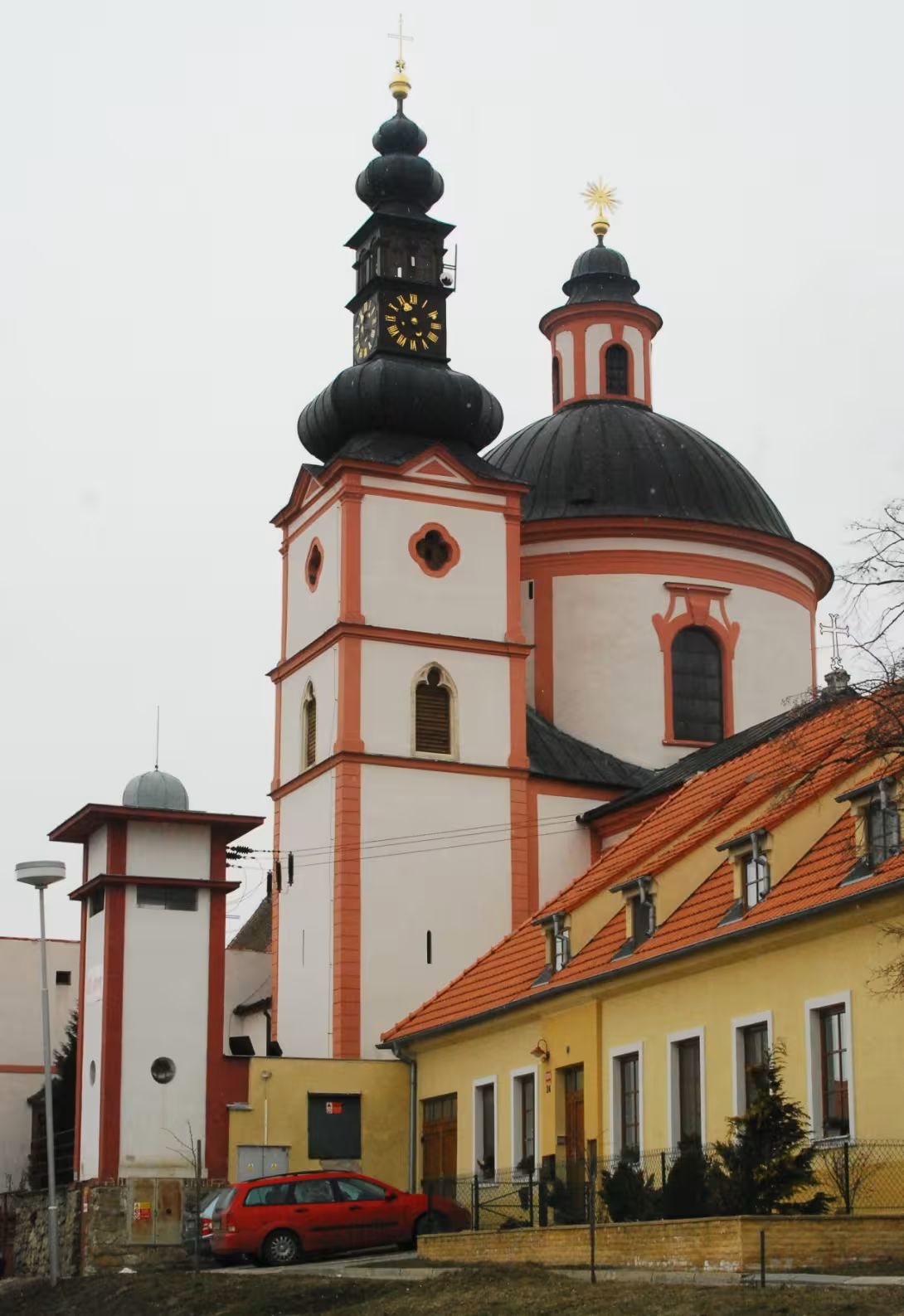
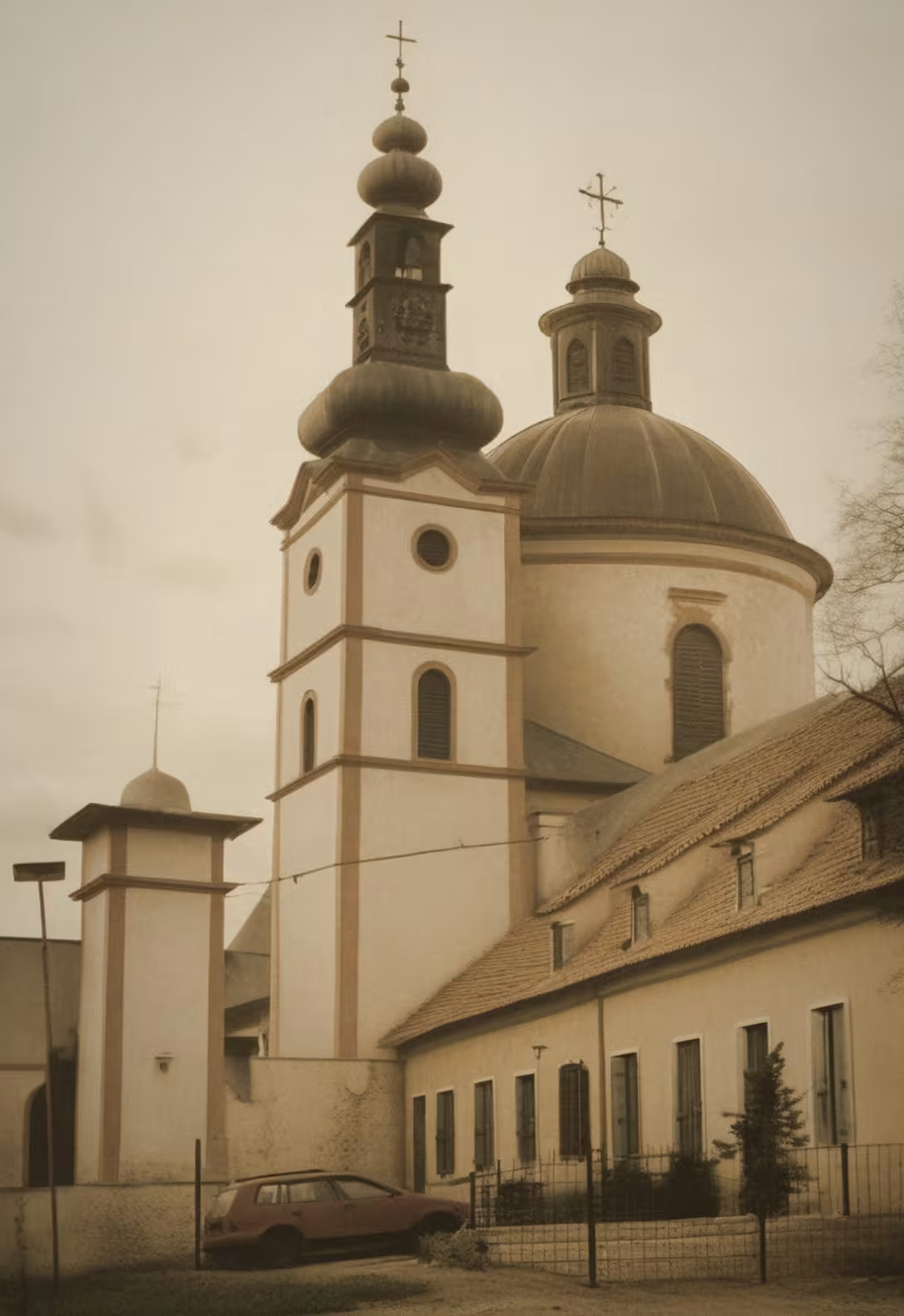
The historical appearance on the left is an AI-generated visualisation and serves as inspiration only.
Historical milestones
- 1050
- Založení původní rotundy spojené s Přemyslovci.
- 1240
- Kněží svatého Jana Jeruzalémského převzali kostel a založili klášter.
- 1766
- Dokončení budov kanovnických kolem kostela.
- 1998
- Nalezení zbytků původní rotundy Bohuslavem Klímou.
- 2021
- Objevení kruhové struktury z poloviny 11. století pod kostelem.
Architectural development
The church underwent significant reconstruction after the Thirty Years' War, acquiring its present Baroque-Classical appearance in the 18th century. It features a rare dedication to Saint Hippolytus, a Roman martyr, and is adorned with a fresco by baroque painter F. A. Maulbertsch.
Historical events
In the mid-11th century, an original rotunda was used by Znojmo's Přemyslid princes.
In the late 13th century, the Knights Hospitaller took over the site and established a monastery.
Owners
The church was initially associated with Znojmo's Přemyslid princes in the 11th century. In the late 13th century, it became a possession of the Knights Hospitaller (Order of the Cross with the Red Star), who established a monastery and provostship there.
Points of interest
- The Church of Saint Hippolytus is dedicated to Saint Hippolytus, a Roman martyr whose veneration in this location is relatively uncommon compared to other saints more frequently honored in churches across Europe.
- In 1998, archaeological research led by Bohuslav Klíma uncovered parts of the original rotunda's foundations, providing tangible evidence of the church’s ancient origins and its connection to early ecclesiastical structures from the Great Moravian Empire era.
- The Knights Hospitaller took control of the site in 1240, marking a significant shift in ownership. They maintained this control until 1963, during which time they constructed a complex of canons' buildings around the church, completed by 1766, reflecting their lasting influence on the area's development.
- In 2021, further archaeological exploration revealed a circular structure from the mid-11th century beneath the current church. This discovery confirmed the site’s historical depth and its importance as one of Znojmo's earliest ecclesiastical buildings.
- The fresco within the Church of Saint Hippolytus was created by baroque painter F. A. Maulbertsch, adding an artistic dimension to the site that complements its architectural significance and highlights the church’s cultural heritage within the South Moravian Region.
Guide
This guide is narrated by a synthetic voice generated by artificial intelligence.
Show guide text
This text was created by artificial intelligence and has not been editorially reviewed. It may contain inaccuracies.
The Church of Saint Hippolytus stands in the Znojemská district of Hradiště. It is a Roman Catholic church protected as a cultural monument and built on the foundations of an older rotunda.
The Hradiště of Saint Hippolytus was once an important center of the Great Moravian Empire. Therefore, it was believed that one of the oldest church buildings in the territory of today's Czech Republic might be located here: a rotunda with one apse, surrounded by a burial ground. In 1998, archaeologist Bohuslav Klíma conducted excavations at the site. Behind the wall of the presbytery, that is the sanctuary, he discovered part of the supposed foundations and an adjacent burial ground. The rotunda apparently served the Znojemský Premyslid princes even in the eleventh century.
Excavations beneath the church foundations, which the company Archaia carried out in 2021, however, reconsidered Klíma's discovery. Archaeologists found a circular structure two meters below the floor level with a diameter of thirteen and a half meters. They dated it to the middle of the eleventh century. It is therefore similarly old as the rotunda of Saint Catherine on Znojemský castle, or even older. Its dedication to the Roman martyr Saint Hippolytus is also rare.
The rotunda was most likely demolished after Czech troops plundered the seat of the Znojemský prince Conrad the Second in 1146. A late Romanesque church was later built on its site. Czech King Václav First donated it in 1240 to the Knights of the Red Star. In the thirteenth century, they established a monastery and provostry here.
The church underwent major renovation after the Thirty Years' War. It acquired its present Baroque Classicist appearance in the eighteenth century. The interior is decorated with a ceiling fresco of the Finding of the Holy Cross by the Baroque painter Maulbertsch.
Tips for visitors
The best time to visit the Church of Saint Hippolytus is during late spring or early fall, when the weather is pleasant for walking around the Hradiště quarter. This period offers a comfortable climate and fewer crowds, allowing you to appreciate the serene atmosphere and historical architecture more fully. Additionally, these seasons provide optimal lighting conditions for photography, capturing the church's intricate details without harsh shadows.
Public transportation options are accessible and may offer a more convenient way to reach the site. You can use local buses or trams; however, it's advisable to check the current routes and schedules in advance using an online search tool for the most up-to-date information.
When visiting, consider bringing comfortable walking shoes as you'll likely explore the surrounding historical buildings and cultural sites within a 5 km radius. A camera is recommended to capture the architectural beauty of the church and its surroundings. Additionally, carrying a light jacket or sweater can be useful, especially if you plan to spend several hours exploring the area.
For photography enthusiasts, some of the best spots include the exterior view of the church's rotunda structure, which offers a unique perspective against the backdrop of Znojmo’s skyline. Early morning or late afternoon light provides soft illumination that enhances the textures and colors of the building. Inside the church, capturing the stained glass windows during these times can result in stunning images.
Nearby attractions within a 30-minute walk include other historical sites and cultural landmarks in the Hradiště quarter. Exploring these areas allows visitors to delve deeper into Znojmo's rich history and architecture. For families with children, consider planning your visit around local events or activities that might be taking place in the area, as they can provide an engaging experience for all ages.
Frequently asked questions
Can the monument be visited?
Religious buildings are usually open mainly during services; at other times a visit is normally arranged with the parish or the operator. We have not verified specific times.
Where is the monument?
Location: Křížovnická 3071/26, Znojmo, Jihomoravský kraj. The map on this page shows the exact spot.
Why is the monument protected?
It is listed in the Central List of Cultural Monuments of the Czech Republic as a cultural monument (register no. 32603/7-6945). It is protected as part of a larger listed ensemble.
Businesses nearby
Do you run a restaurant, accommodation, shop, museum, rental, wellness or other visitor service near this monument? Show yourself directly to the people heading to it — this is how they will see you in the app and on the web:
Nearby
The Church of Saint Hippolytus is located in the Hradiště district of Znojmo, surrounded by historical sites and natural landscapes typical of the South Moravian Region.
Accommodation nearby
Themed route
Znojmo Historical and Cultural Walk
1. Kostel svatého Hippolyta (Hippolytus Church) The main attraction of the walk, this church is a beautiful example of Baroque architecture and a significant cultural and historical landmark in the region.
2. Hradiště (Hradiště district) Explore the charming streets and historic buildings of this picturesque district, which surrounds the church and offers a glimpse into Znojmo's rich history.
3. Znojmo City Walls Walk along the remnants of the medieval city walls, which once protected the city and now provide a unique glimpse into its past.
4. Znojmo Castle (Znojmská hradba) Visit the castle, which has played a significant role in the city's history and offers stunning views of the surrounding area.
5. Znojmo Old Town End your walk in the charming Old Town, where you can explore the narrow streets, visit local shops and cafes, and soak up the city's atmosphere.
Seasonal recommendations
Jaro: In May and June, the Church of Saint Hippolytus is surrounded by beautiful nature as nearby parks and gardens begin to bloom. The atmosphere is calm and peaceful, ideal for visiting the church. We recommend visiting in the morning when there are fewer people, and enjoying the tranquil environment. Don't forget to bring a jacket, as the weather can be unpredictable during May and June.
Summer: In summer, the Church of Saint Hippolytus is most visited, so it's best to arrive early to avoid large crowds. The ideal time to visit is in June and July when the weather is warmest. The atmosphere is relaxed and pleasant, perfect for exploring the church and its surroundings. Don't forget to bring sunglasses and an umbrella to protect against the sun.
Autumn: In September and October, the Church of Saint Hippolytus is surrounded by beautiful autumn nature as tree leaves turn into stunning colors. The atmosphere is calm and peaceful, ideal for visiting the church. We recommend visiting in the morning when there are fewer people, and enjoying the tranquil environment. Don't forget to bring a jacket, as the weather can be chilly during these months.
Winter: In winter, the Church of Saint Hippolytus is open only during limited hours, so it's best to check opening times in advance. The atmosphere is calm and quiet, ideal for visiting the church. We recommend visiting in the morning when there are fewer people, and enjoying the tranquil environment. Don't forget to bring a jacket and boots to protect against cold and wet weather.
Visualizations and artistic views


The visualisations are generated by artificial intelligence and serve as inspiration.
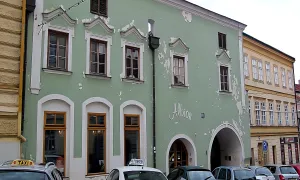
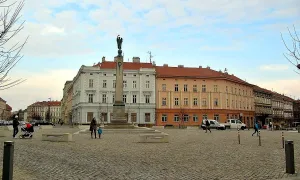
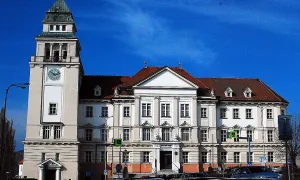
Photos from the area
Real photos taken near the monument


Zdroj a licence jsou uvedeny u každého snímku.
Tips from visitors
No tips yet. Be the first!
Log in and add your tip.
Sources and literature
Photos: GuentherZ / CC BY 3.0, rozlišení zvýšeno umělou inteligencí — Wikimedia Commons. The author and licence also appear when you hover over the image.
Faktickým podkladem tohoto textu byl článek na Wikipedii, jehož autory jsou přispěvatelé Wikipedie. Článek je dostupný pod licencí CC BY-SA 4.0.
Location on the map

Příběhy a pověsti
Legendy, pověsti a příběhy spjaté s touto památkou

Fotografie návštěvníků
Zatím žádné fotografie. Buďte první, kdo přidá fotografii z návštěvy!
Log in a přidejte svou fotografii nebo hodnoťte.
Za ověřenou návštěvu v aplikaci získáte víc bodů — poznáme podle GPS, že jste na místě.
Reviews and comments