



Kostel svatého Jakuba (Poniklá) Church
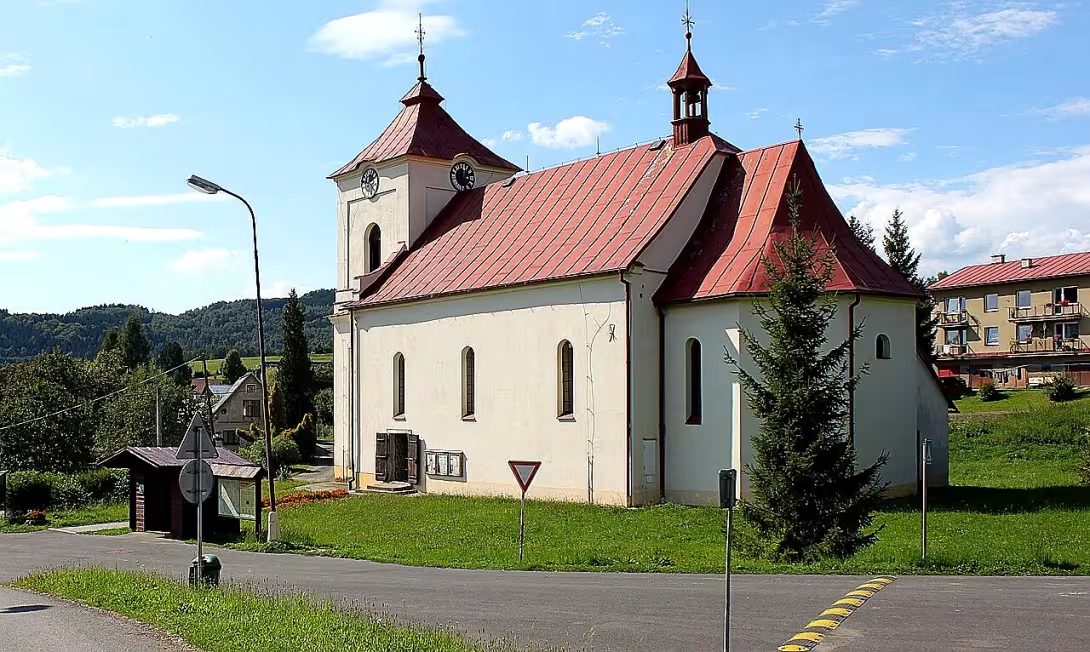
The Church of Saint James the Greater in Poniklá is a significant cultural monument within the village, located in the Liberec Region. This Roman Catholic parish church is among the oldest in Western Krkonoše, with historical importance dating back to 1384 when it was first mentioned as a parish church dedicated to Saint Nicholas. Constructed in its current form in 1682 on the site of an earlier wooden structure, this baroque-style building reflects both its historical roots and subsequent modifications.
The origins of the Church of Saint James trace back to the late medieval period, initially established as a parish church dedicated to Saint Nicholas. Historical records from 1384 mention this original wooden church, highlighting its significance in the local religious landscape. In 1682, the current structure was erected on the same site, marking a transition from wood to stone and reflecting broader architectural trends of the time. This period coincided with significant political and religious shifts across Europe following the Thirty Years' War, which concluded with the Peace of Westphalia in 1648. During this era, Bohemia was part of the Habsburg Monarchy, an influential entity that shaped much of Central European history.
Architecturally, the Church of Saint James exemplifies baroque design principles, characterized by its single nave and oblong shape. The church's presbytery is polygonal, adding a distinctive element to its overall structure. Initially built without a tower in 1682, a bell tower was later added to the western façade in 1804, enhancing both its functionality and aesthetic appeal. Inside, the church showcases predominantly neoclassical elements from the 19th century, with murals painted by Ludvík Nejedlý in 1894 adding artistic depth to its interior.
Throughout its history, the Church of Saint James has undergone various changes reflecting broader historical trends and local developments. Until 1907, it was surrounded by a cemetery, indicating its role as a central place for both religious worship and community gatherings. The church's bell tower houses three notable bells: 'Maria,' weighing 490 kg and cast in 1986; an older bell from 1555 weighing 380 kg, crafted by Master Peter; and 'Jakub,' weighing 150 kg, also cast by the Manoušková family in 1982. These bells not only serve a functional purpose but also connect the church to its historical lineage.
Today, the Church of Saint James remains an active place of worship, with regular services held on Sundays at 10:30 AM and Wednesdays at 6:00 PM. Its status as a cultural monument ensures that it is preserved for future generations, offering visitors a glimpse into the region's rich religious and architectural heritage. The church's historical significance, combined with its beautiful baroque architecture and neoclassical interior, make it a worthwhile destination for those interested in exploring the cultural landmarks of Western Krkonoše.
Visiting the Church of Saint James provides an opportunity to connect with the past while appreciating the enduring legacy of this remarkable structure. Its preservation as a cultural monument underscores its importance not only to local history but also to broader European heritage, inviting visitors to explore and reflect on its storied past.
Then and now
Drag the slider to compare how the landmark may have looked when it was built with the view today.
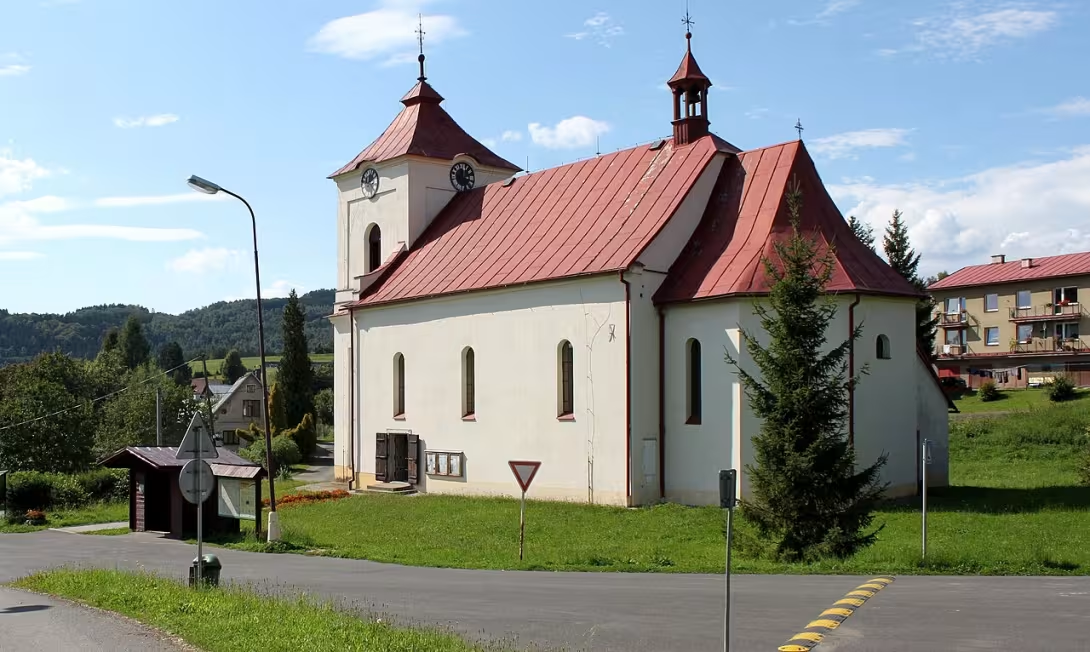

The historical appearance on the left is an AI-generated visualisation and serves as inspiration only.
Historical milestones
- 1384
- The original wooden church dedicated to Saint Nicholas was mentioned as a parish church.
- 1682
- Construction of the current Church of Saint James began on the site of the previous structure.
- 1804
- A bell tower was added to the western façade of the church.
- 1894
- The interior murals were painted by Ludvík Nejedlý.
Architectural development
The Church of Saint James underwent significant architectural changes over time. Initially constructed without a tower in 1682, a bell tower was added to the western façade in 1804. The church's interior is predominantly neoclassical from the 19th century, with murals painted by Ludvík Nejedlý in 1894.
Historical events
The original wooden church dedicated to Saint Nicholas is mentioned as a parish church in 1384.
A new Church of Saint James was built on the site in 1682, replacing the earlier structure.
Points of interest
- The Church of Saint James was originally dedicated to Saint Nicholas before its dedication changed in 1682, reflecting the fluid nature of religious patronage during that era.
- Despite being constructed in the baroque style in 1682, the church's interior murals were added much later in 1894 by Ludvík Nejedlý, showcasing a blend of architectural and artistic styles over centuries.
- The bell tower was not part of the original structure built in 1682; it was only added in 1804, indicating evolving needs or aesthetic preferences within the community at that time.
- One of the church's bells, 'Jakub,' was cast by the Manoušková family in 1982, linking the church to a modern tradition of bell-making and preserving local craftsmanship through generations.
- Until 1907, the Church of Saint James was surrounded by a cemetery, highlighting its historical role as not just a place of worship but also a community gathering spot for significant life events.
Guide
This guide is narrated by a synthetic voice generated by artificial intelligence.
Show guide text
This text was created by artificial intelligence and has not been editorially reviewed. It may contain inaccuracies.
Welcome to the Church of Saint James in Poniklá, a remarkable cultural monument nestled in this picturesque village within the Liberec Region. As you stand before its venerable facade, take a moment to absorb the serene atmosphere that surrounds this historic site. The church, with its baroque elegance, is among the oldest churches in Western Krkonoše, inviting us on a journey through time.
Our story begins in 1384 when the original wooden church dedicated to Saint Nicholas was first mentioned as a parish church. It served the community faithfully until 1682, marking the start of an era with the construction of the current Church of Saint James on its site. This transformation reflects not only architectural evolution but also changes in religious patronage during that period.
As you gaze upon the church's single nave and baroque architecture, imagine the skilled craftsmen who shaped this structure over three centuries ago. The addition of a bell tower to the western façade in 1804 further enhanced its majestic appearance, serving as a beacon for the village.
Inside, the church holds secrets of artistic endeavor from a later period. In 1894, the interior murals were painted by Ludvík Nejedlý, adding layers of color and narrative to this sacred space. These artworks invite you to pause and reflect on their beauty and the stories they tell.
While much about the architects and historical figures associated with this church remains shrouded in mystery, it's these unknowns that add an intriguing depth to its history. The transition from a dedication to Saint Nicholas to Saint James the Greater speaks volumes of the fluid nature of religious devotion and community identity through the ages.
As we conclude our brief exploration, let the Church of Saint James inspire you to delve deeper into its past and appreciate the layers of history it represents. Whether you're drawn by architectural beauty, artistic expression, or historical curiosity, there's always more to discover in places like these. Thank you for joining me on this journey through time, and I encourage you to continue exploring the rich tapestry of stories that Poniklá has to offer.
Farewell, until our paths cross again at another historic site.
Tips for visitors
The best time to visit the Church of Saint James the Greater in Poniklá is during late spring or early autumn when the weather is pleasant, allowing for a comfortable exploration of both the church and its serene surroundings. These seasons offer mild temperatures and beautiful natural scenery, enhancing your experience as you admire the architectural details of this historic site. Additionally, visiting outside peak tourist season can provide a quieter atmosphere, making it easier to appreciate the cultural significance of the church.
Visitors should check local transportation websites or apps for current schedules and routes that connect to Poniklá.
A camera is recommended for capturing the intricate details and picturesque views around the church. Additionally, carrying a light jacket can be useful as temperatures may vary throughout the day.
For photography enthusiasts, the best lighting conditions are during the golden hours of early morning or late afternoon when sunlight softly illuminates the church's façade and interior features. These times provide ideal natural lighting for capturing stunning images.
Families with children can enjoy a pleasant day out at Poniklá, where the peaceful village atmosphere is perfect for leisurely strolls. Nearby attractions within a 30-minute drive include other cultural sites in the Liberec Region that offer educational experiences suitable for all ages. Exploring these nearby locations can make for an enriching family outing.
Frequently asked questions
Can the monument be visited?
Religious buildings are usually open mainly during services; at other times a visit is normally arranged with the parish or the operator. We have not verified specific times.
Where is the monument?
Location: Poniklá, Liberecký kraj. The map on this page shows the exact spot.
Why is the monument protected?
It is listed in the Central List of Cultural Monuments of the Czech Republic as a cultural monument (register no. 14280/6-2736).
Businesses nearby
Do you run a restaurant, accommodation, shop, museum, rental, wellness or other visitor service near this monument? Show yourself directly to the people heading to it — this is how they will see you in the app and on the web:
Accommodation nearby
Themed route
Tematická výletní trasa: Kostel svatého Jakuba (Poniklá)
1. Kostel svatého Jakuba
Typ: Historický kostel
Proč stojí za návštěvu: Tento barokní kostel je nejen duchovním centrem obce Poniklá, ale také architektonickou perli s bohatou historią. Jeho výzdoba a interiér nabízejí pohled na minulost a umělecké hodnoty regionu.
2. Obecní úřad Poniklá
Typ: Historická budova
Proč stojí za návštěvu: Tato budova, která sloužila jako centrum místní správy, je příkladem tradiční architektury obce. Její historie a význam pro komunitu ji činí zajímavým cílem pro ty, kteří se zajímají o místní dějiny.
3. Kaple svaté Anny
Typ: Kaple
Proč stojí za návštěvu: Tato kaple je místo klidu a útulku, kde si můžete užít poklidné chvilky. Její prostorové uspořádání a vnitřní dekorace přinášejí pocit historického kontextu obce.
4. Náves obce Poniklá
Typ: Místní náměstí
Proč stojí za návštěvu: Náves je srdcem místní komunity, kde se konají různé akce a trhy. Je to ideální místo pro poznání každodenního života obyvatel Poniklé a pro setkání s místními tradicemi.
5. Památník válečných obětí
Typ: Památník
Proč stojí za návštěvu: Tento památník je věnován památce těch, kteří ztratili život během válek. Je to místo pro reflexi a uznání historických událostí, které formovaly dnešní obec.
Tato trasa nabízí pohled na kulturní a historický bohatství Poniklé, přičemž každé zastavení přináší nové poznatky o místním životě a dějinách.
Seasonal recommendations
Spring: Visiting the Church of Saint Jacob (Poniklá) during spring offers a unique experience as nature awakens around this historical site. The landscape is adorned with blooming wildflowers and lush greenery, creating an enchanting atmosphere that enhances the beauty of the church's architecture. The soft light filtering through budding trees provides a serene backdrop for photography or quiet reflection. Visitors should be prepared for occasional showers by wearing layers and bringing rain gear. Early mornings are ideal to avoid larger crowds, as the site becomes more popular with tourists enjoying the pleasant spring weather.
Summer: Summer at the Church of Saint Jacob is characterized by vibrant greenery and long daylight hours that illuminate the church in a warm glow, making it perfect for photography enthusiasts. The surrounding landscape is lush, and visitors can enjoy picnics or walks in the nearby countryside. However, this season also brings larger crowds, especially on weekends and during peak tourist times, so arriving early in the day is recommended to avoid congestion. Comfortable walking shoes and light clothing are advisable due to warmer temperatures, along with a hat and sunscreen for sun protection.
Autumn: Autumn at the Church of Saint Jacob offers a stunning palette of reds, oranges, and yellows as the leaves change color around this historic site. The cooler weather provides an ideal setting for exploring the church without the summer crowds, allowing visitors to fully appreciate its architectural details in the soft autumn light. This season also brings fewer tourists, making it a great time for those seeking a more peaceful experience. Visitors should dress warmly and consider bringing a jacket or sweater as temperatures can drop significantly, especially in the evenings.
Winter: Winter transforms the Church of Saint Jacob into a picturesque scene with snow-covered surroundings that highlight its architectural beauty against a stark, serene landscape. The shorter daylight hours mean visitors should plan their visit to make the most of the available light, and it's wise to arrive early as opening times may be reduced during this season. Winter attire is essential, including warm layers, gloves, hats, and sturdy boots for walking on potentially icy paths. Despite fewer tourists, the cold weather can deter some visitors, offering a quieter experience for those who do venture out in the colder months.
Visualizations and artistic views


The visualisations are generated by artificial intelligence and serve as inspiration.
Photos from the area
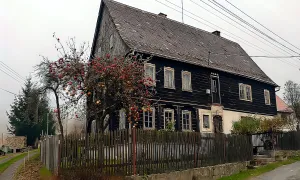
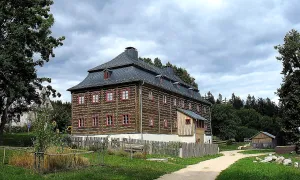
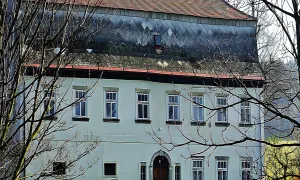
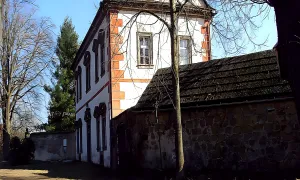
Real photos taken near the monument


Zdroj a licence jsou uvedeny u každého snímku.
Tips from visitors
No tips yet. Be the first!
Log in and add your tip.
Sources and literature
Photos: ariannesmidt / CC BY-SA 3.0 — Wikimedia Commons. The author and licence also appear when you hover over the image.
Faktickým podkladem tohoto textu byl článek na Wikipedii, jehož autory jsou přispěvatelé Wikipedie. Článek je dostupný pod licencí CC BY-SA 4.0.
Location on the map
Příběhy a pověsti
Legendy, pověsti a příběhy spjaté s touto památkou

Fotografie návštěvníků
Zatím žádné fotografie. Buďte první, kdo přidá fotografii z návštěvy!
Log in a přidejte svou fotografii nebo hodnoťte.
Za ověřenou návštěvu v aplikaci získáte víc bodů — poznáme podle GPS, že jste na místě.
Reviews and comments