






kostel Svatého Jakuba Staršího (Stračov) Church
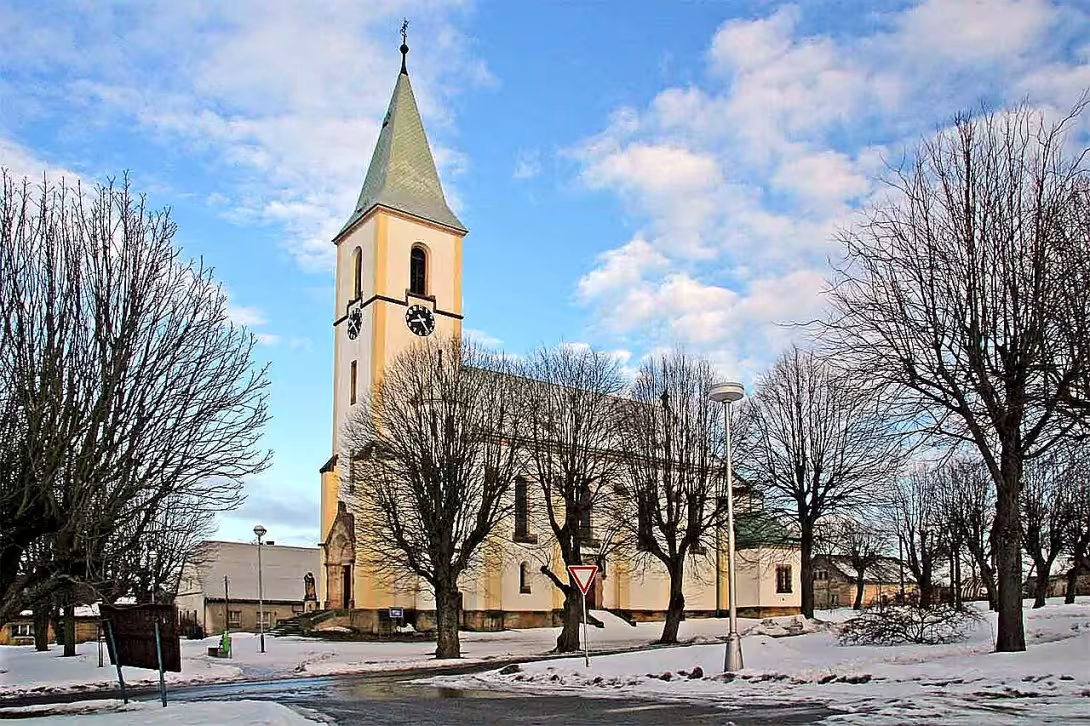
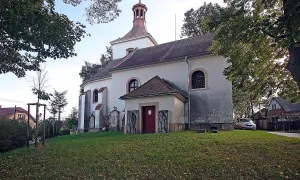
The Church of Saint James the Elder in Stračov is a prominent Romanesque Revival structure that dominates the village's landscape. Located in Stračov within the Královéhradecký kraj region, this church features an illuminated tower visible from afar and serves as a significant landmark. The current building represents the fourth iteration on this site, reflecting a rich history of reconstruction and architectural evolution.
The origins trace back to a Romanesque-style structure first mentioned in records from 1361. This initial church was destroyed by fire during the Thirty Years' War in 1639. A second church, constructed in 1667 by Václav Záruba, also succumbed to fire in 1830. The third iteration, built in Neo-Gothic style in 1844 by Count František Arnošt Harrach, suffered from poor foundations and was demolished starting in 1903.
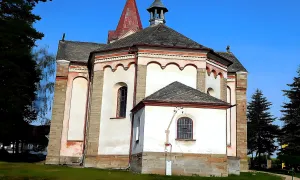
The current church, constructed between 1903 and 1905, was designed by Václav Dyk. It is positioned closer to the castle than its predecessors. The construction was overseen by František Zvěřina, who incorporated Romanesque Revival style elements such as cross vaulting, allowing for taller structures and a more robust architectural form.
Throughout its history, the church has seen various owners and administrators, with significant contributions from figures like Count František Arnošt Harrach. The bell tower houses a small bell added in 1887 and a Harrach family bell, adding to its historical significance. Additionally, Václav Harrach's high-quality organ, over 150 years old, continues to be used within the church.
Key events include the solemn blessing of the foundation stone on July 10, 1904, and the completion of construction in November 1905 with the installation of a metal cross atop the tower. These milestones mark important phases in the church's development and its enduring presence in the community.
Today, the Church of Saint James the Elder remains accessible to visitors, offering insights into its architectural beauty and historical significance. Its Romanesque Revival style, combined with elements from previous iterations, makes it a fascinating destination for those interested in history and architecture. The church's rich past and continued use as a place of worship underscore its importance to the local community and beyond.
Visitors are invited to explore this remarkable monument, where history and architectural innovation converge, offering a glimpse into the cultural heritage of Stračov and the broader region.
Then and now
Drag the slider to compare how the landmark may have looked when it was built with the view today.
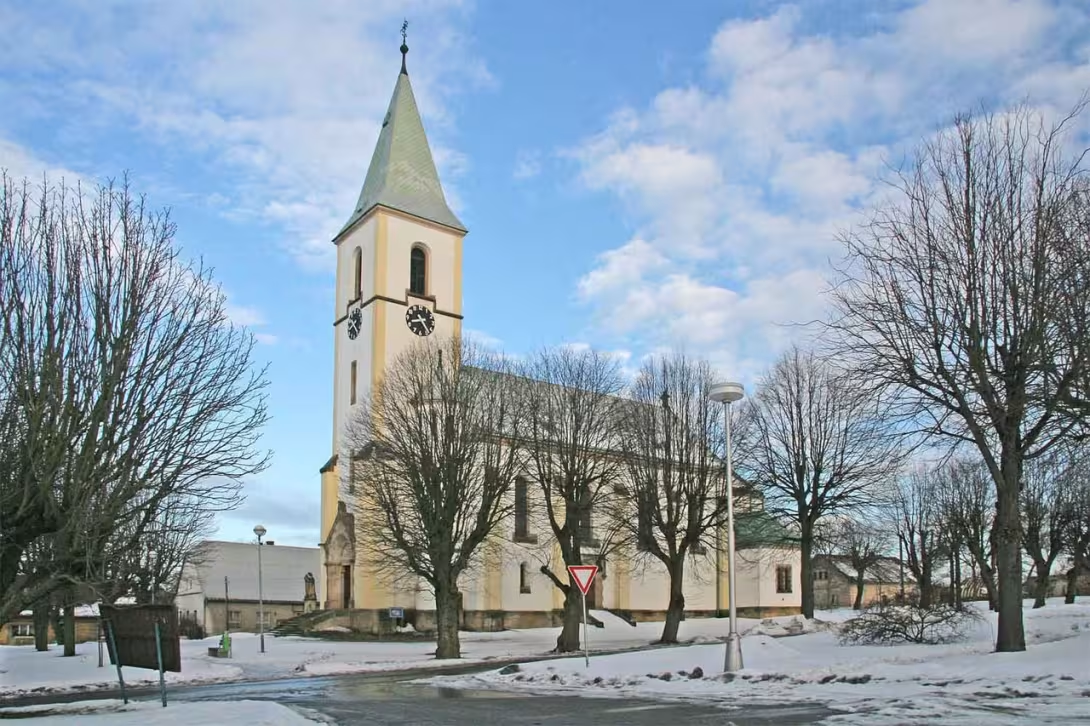
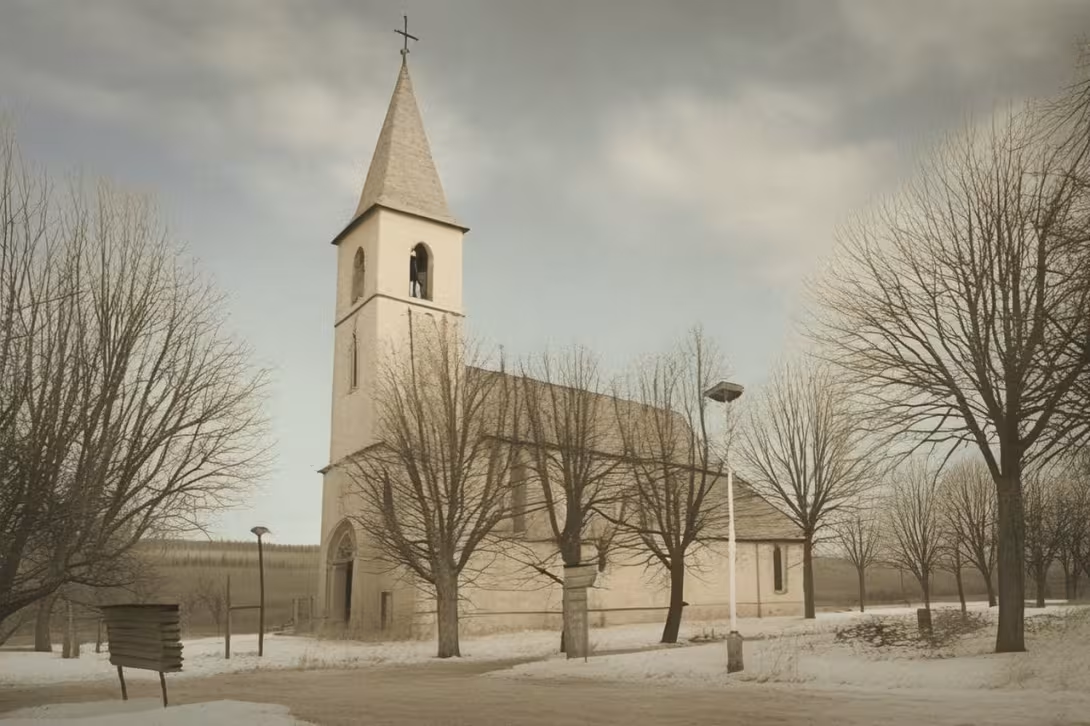
The historical appearance on the left is an AI-generated visualisation and serves as inspiration only.
Historical milestones
- 1904
- The foundation stone of the new church was solemnly blessed on July 10.
- 1905
- Construction of the church concluded in November with the installation of a metal cross atop the tower.
Architectural development
The current Church of Saint James the Elder was constructed between 1903 and 1905, designed by Václav Dyk. It was built closer to the castle than its predecessors, with František Zvěřina overseeing construction. The church incorporates Romanesque Revival style elements such as cross vaulting, which allows for taller structures.
Historical events
The first church in Stračov was built in the Romanesque style and mentioned in records from 1361. It was destroyed by fire during the Thirty Years' War in 1639.
A second church, constructed in 1667 by Václav Záruba, was also destroyed by a fire in 1830.
The third church, built in Neo-Gothic style in 1844 by Count František Arnošt Harrach, suffered from poor foundations and was demolished starting in 1903.
Points of interest
- The Church of Saint James the Elder has had four different structures on its site, each reflecting a distinct architectural style and era, showcasing a unique evolution from Romanesque to Neo-Gothic and finally to Romanesque Revival.
- Despite multiple reconstructions due to fires in 1639 and 1830, the church's bell tower still houses a small bell added in 1887 and a Harrach family bell, linking its history with significant local families and events.
- The current Romanesque Revival structure was designed by Václav Dyk and constructed between 1903 and 1905, featuring cross vaulting that allowed for a taller and more robust architectural form compared to previous iterations.
- An interesting historical note is the solemn blessing of the foundation stone on July 10, 1904, marking an important ceremonial milestone in the church's history before its completion in November 1905 with the installation of a metal cross atop the tower.
- The church's high-quality organ, crafted by Václav Harrach over 150 years ago, continues to be used today, adding a layer of historical continuity and musical heritage to its ongoing role as a place of worship.
Guide
This guide is narrated by a synthetic voice generated by artificial intelligence.
Show guide text
This text was created by artificial intelligence and has not been editorially reviewed. It may contain inaccuracies.
Welcome to the Church of Saint James the Elder in Stračov, a remarkable testament to architectural evolution and history. As you stand here, take a moment to absorb your surroundings—the illuminated tower of this Romanesque Revival structure reaches skyward, casting a warm glow over the village below. It's not just a building; it's a beacon that has guided generations.
The story of this church begins centuries ago, with its foundations deeply rooted in history. The current edifice marks the fourth iteration on this site, each version reflecting the architectural trends and necessities of its time. The latest structure was born out of necessity and vision when the foundation stone was solemnly blessed on July 10, 1904. By November 1905, construction concluded with a metal cross proudly adorning the tower's peak.
As you gaze upon this church, crafted by architects Václav Dyk and František Zvěřina, notice its robust walls—a hallmark of Romanesque architecture that speaks to both strength and endurance. The design is a blend of historical styles, culminating in the Romanesque Revival aesthetic we see today.
The church's history is one of resilience; it has risen from ashes not once but twice—after fires in 1639 and again in 1834. Each reconstruction brought with it new challenges and opportunities to reflect contemporary architectural ideals, transitioning through styles like Neo-Gothic before arriving at its current form.
While specific historical figures tied to this church remain unnamed, the spirit of those who built and rebuilt it is palpable in every stone. The church stands as a testament not just to faith but also to human tenacity and creativity across generations.
As you continue your exploration, consider the journey this site has undergone—from its earliest iterations to the beacon we see today. Each layer of history adds depth to our understanding of the past and enriches our appreciation for what stands before us.
We invite you to delve deeper into the stories that echo through these walls and the landscape they dominate. As you wander, let your curiosity guide you to uncover more about this remarkable site. Thank you for joining us on this journey; we hope it inspires a lasting connection with the history of Stračov and its cherished Church of Saint James the Elder. Safe travels as you continue exploring!
Tips for visitors
The best time to visit the Church of Saint James the Elder in Stračov is during late spring or early autumn when the weather is mild, and the surrounding landscape is particularly picturesque. These seasons offer comfortable temperatures for walking around the village and exploring the church grounds. Additionally, visiting outside of peak tourist season means fewer crowds, allowing for a more intimate experience with this Romanesque Revival structure.
Parking and transportation options are convenient for visitors to Stračov. There is parking available in the vicinity of the church, making it accessible by car. For those preferring public transport, there are bus services that can bring you close to the village. It's advisable to check current routes and schedules through a local transit search tool or app before your visit.
When planning your visit, consider bringing comfortable walking shoes as you may wish to explore not only the church but also the charming streets of Stračov. A camera is recommended for capturing the illuminated tower of the church, especially during sunset when the light creates dramatic effects. Additionally, a small backpack with water and snacks can enhance your experience, particularly if you plan to spend several hours exploring.
Photography enthusiasts will find the best spots around the church's exterior, where the interplay of natural light at different times of day highlights its architectural features. The illuminated tower is especially striking in the evening. For families with children, the village offers a serene environment for leisurely walks and exploration. Nearby attractions within 30 minutes include other historic sites that provide educational opportunities and additional photo opportunities.
Businesses nearby
Do you run a restaurant, accommodation, shop, museum, rental, wellness or other visitor service near this monument? Show yourself directly to the people heading to it — this is how they will see you in the app and on the web:
Events nearby
Zdroj akcí: otevřená data měst a obcí ČR (Národní katalog otevřených dat) a kalendář akcí Národního památkového ústavu.
Accommodation nearby
Themed route
Tematická výletní trasa: Kostel Svatého Jakuba Staršího (Stračov)
1. Kostel Svatého Jakuba Staršího (Stračov) - *Typ:* Historická památka, kostel - *Proč stojí za návštěvu:* Tento barokní kostel je nejvýraznějším historickým a architektonickým dílem v obci Stračov. Jeho bohaté interiér a historie nabízejí hluboký pohled do minulosti této oblasti.
2. Kaple Panny Marie Sněžné - *Typ:* Kaple - *Proč stojí za návštěvu:* Tato kaple je známá svou klidnou atmosférou a krásným umístěním, což ji činí ideálním místem pro odpočinek po navštívění kostela. Je to místo plné duchovního klidu.
3. Nádvoří Kostela - *Typ:* Historické nádvoří - *Proč stojí za návštěvu:* Nádvoří kostela nabízí pohled na historický kontext a architektonickou krásu okolního prostředí. Je to ideální místo pro relaxaci, fotografování nebo prohlížení detailů kostelní stavby.
4. Věž Kostela - *Typ:* Historická věž - *Proč stojí za návštěvu:* Výhled z věže nabízí jedinečný pohled na obec Stračov a okolní krajinu. Je to nejen vizuální odměna, ale také příležitost prozkoumat historii a architekturu kostela z jiného úhlu.
Tato trasa nabízí návštěvníkům komplexní pohled na kulturní a duchovní bohatství obce Stračov, zaměřený především na její hlavní památku.
Seasonal recommendations
Spring: Visiting the Church of Saint James the Elder during spring offers a unique experience as nature awakens around Stračov. The surrounding landscape is adorned with blooming flowers and fresh greenery, creating an enchanting atmosphere that complements the historic charm of the church. This season often sees mild temperatures, making it comfortable for exploring both indoors and outdoors. Visitors should take advantage of the pleasant weather by wearing light layers to accommodate any temperature fluctuations throughout the day. While spring can attract a moderate number of tourists, arriving early in the morning helps avoid larger crowds and allows for a more peaceful visit.
Summer: Summer is an ideal time to explore the Church of Saint James the Elder due to its long daylight hours and warm weather, which enhance the beauty of the surrounding natural landscape. The lush greenery and vibrant blooms create a picturesque setting perfect for photography enthusiasts. However, this season also brings larger crowds, especially during peak tourist times, so planning your visit early in the morning or later in the afternoon can help avoid the busiest periods. Dressing in comfortable, breathable clothing is recommended to stay cool while exploring.
Autumn: Autumn at the Church of Saint James the Elder offers a stunning display of fall foliage with vibrant reds, oranges, and yellows surrounding the historic site. The cooler temperatures make it an ideal time for walking tours around Stračov, providing a serene atmosphere as nature prepares for winter. While fewer tourists visit during this season compared to summer, it's still wise to check opening hours in advance, as they may be shorter due to the changing weather. Wearing layers is advisable to adapt to the fluctuating temperatures throughout the day.
Winter: The Church of Saint James the Elder takes on a magical quality during winter, with snow often blanketing the area and creating a picturesque setting that enhances its historic charm. Visiting in this season offers a quieter experience, as fewer tourists venture out in the colder weather. However, it's important to dress warmly, wearing layers, hats, gloves, and sturdy footwear for comfort while exploring. Be mindful of shorter opening hours during winter months, so plan your visit accordingly to ensure you can fully enjoy the tranquil beauty of Stračov in its wintry splendor.
Visualizations and artistic views


The visualisations are generated by artificial intelligence and serve as inspiration.
Photos from the area
Real photos taken near the monument

Zdroj a licence jsou uvedeny u každého snímku.
Atmosphere of the place
This atmospheric visualisation of the place and period was generated by artificial intelligence. It is not real footage of the location.
Tips from visitors
No tips yet. Be the first!
Log in and add your tip.
Sources and literature
Fotografie: Zp at Czech Wikipedia / CC BY-SA 3.0 — Wikimedia Commons. The author and licence also appear when you hover over the image.
Faktickým podkladem tohoto textu byl článek na Wikipedii, jehož autory jsou přispěvatelé Wikipedie. Článek je dostupný pod licencí CC BY-SA 4.0.
Location on the map

Příběhy a pověsti
Legendy, pověsti a příběhy spjaté s touto památkou
Fotografie návštěvníků
Zatím žádné fotografie. Buďte první, kdo přidá fotografii z návštěvy!
Přihlaste se a přidejte svou fotografii nebo hodnoťte.
Za ověřenou návštěvu v aplikaci získáte víc bodů — poznáme podle GPS, že jste na místě.
Reviews and comments