






Kostel svatého Jana Křtitele (Orlické Záhoří) Church
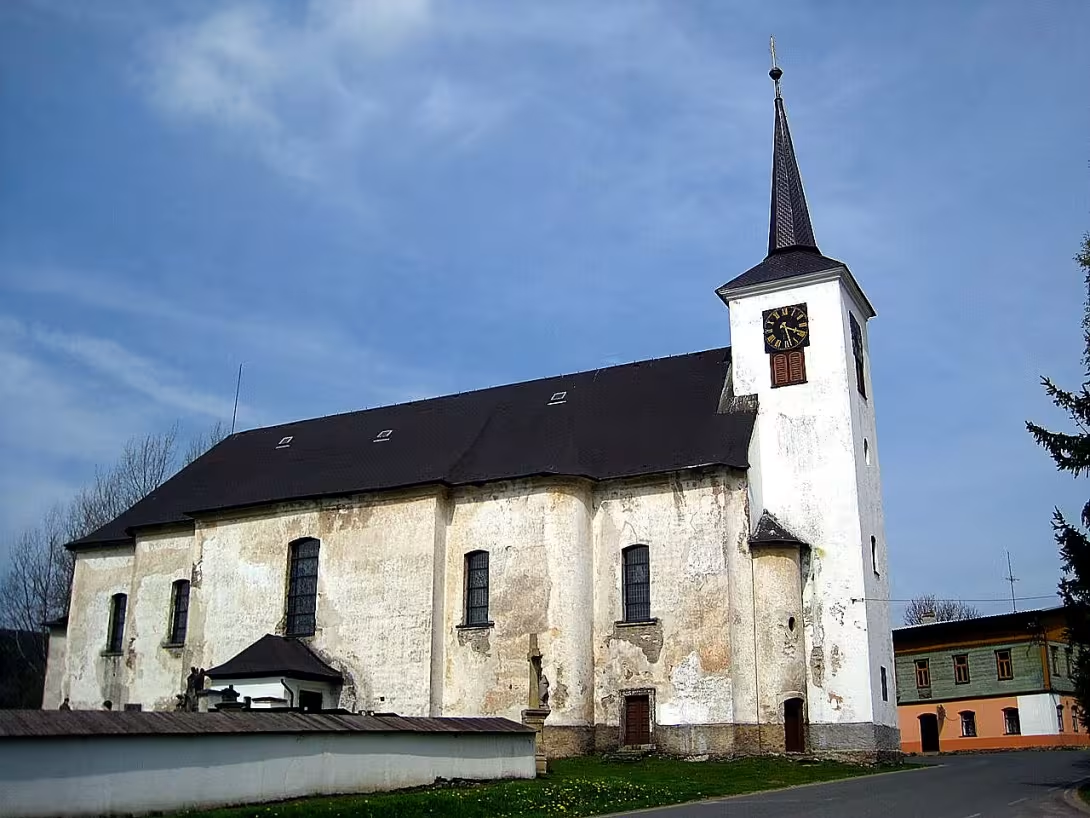
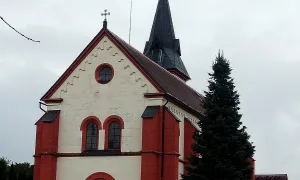
The Church of Saint John the Baptist in Orlické Záhoří is a notable late Baroque church with cultural heritage status in the Czech Republic. Situated centrally in this mountain village within the Upper Wild Orlice Valley, it serves as an architectural and urbanistic focal point. Originally documented as a wooden structure in 1612, today's church stands as a testament to historical evolution and artistic expression from around 1770.
The origins of the Church of Saint John the Baptist trace back to 1612 when a wooden church was recorded in the area. Over time, it evolved into its current form, reflecting changes in architectural styles and community needs. This transformation underscores its historical importance within the region.
Architecturally, the Church of Saint John the Baptist is characterized by its late Baroque style, featuring rounded corners and an attached polygonal tower adjoining the rectangular presbytery. This design highlights the period's emphasis on grandeur and symmetry. The interior reflects a baroque-classical influence from around 1770, showcasing main altars adorned with sculptures of significant saints such as Saint John Nepomucene, Sigismund, Wenceslas, and Adalbert. Additionally, two pseudoromanesque altars contribute to the church's rich artistic heritage.
Ownership and administration of the church have remained within the local community, specifically under the municipality of Orlické Záhoří. This continuity ensures that the church remains a central part of the village's cultural and spiritual life. Its status as a protected cultural monument further emphasizes its significance to the region's heritage.
An intriguing aspect of the church's surroundings is the nearby cemetery chapel, which originally housed a late Gothic Calvary from 1500. This piece was later moved to the Church of Saint Cross in Klášterec nad Orlicí, adding an element of historical curiosity to the site. The chapel itself is a single-nave, rectangular building with a flat roof and shingle vaulting, contributing to the area's architectural diversity.
Today, the Church of Saint John the Baptist remains accessible to visitors, offering services on the first Sunday of each month at 8:00 AM. Its cultural heritage status and historical significance make it a worthwhile destination for those interested in exploring Czech history and architecture. The church not only serves as a place of worship but also stands as a testament to artistic and architectural developments over centuries.
Visiting this monument provides an opportunity to appreciate its historical depth and architectural beauty, making it a valuable addition to any itinerary exploring the cultural landscapes of the Czech Republic.
Then and now
Drag the slider to compare how the landmark may have looked when it was built with the view today.
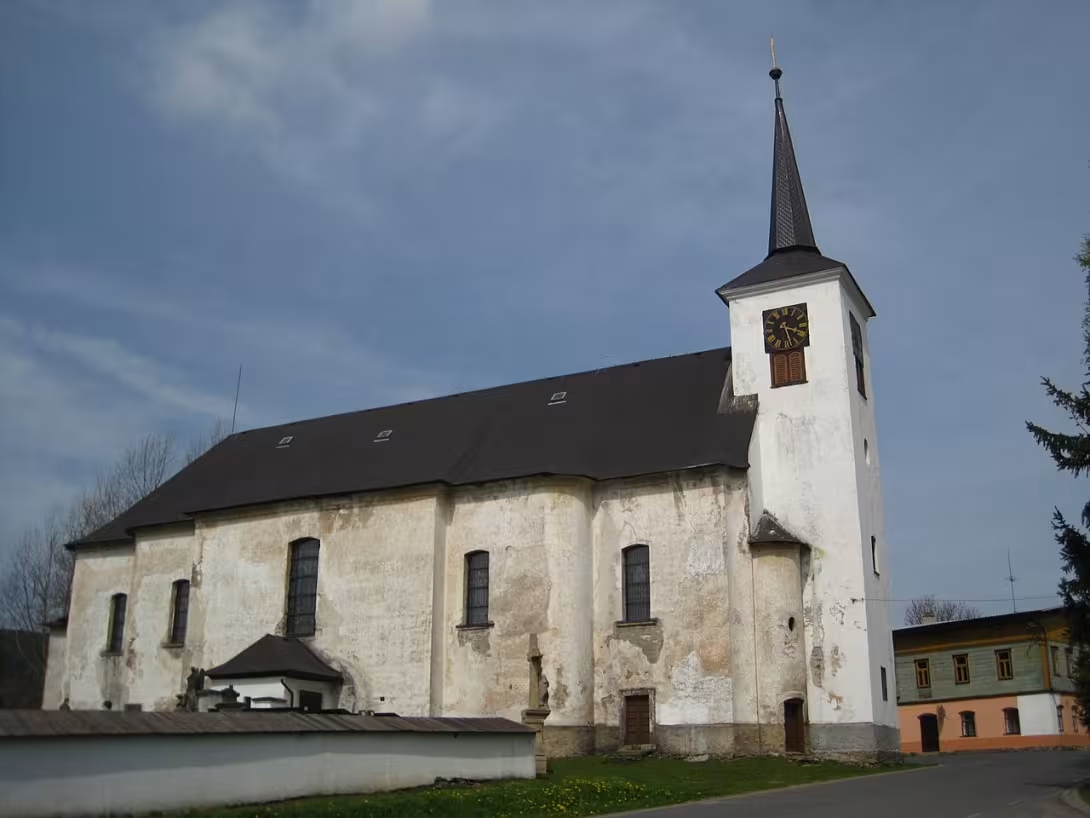
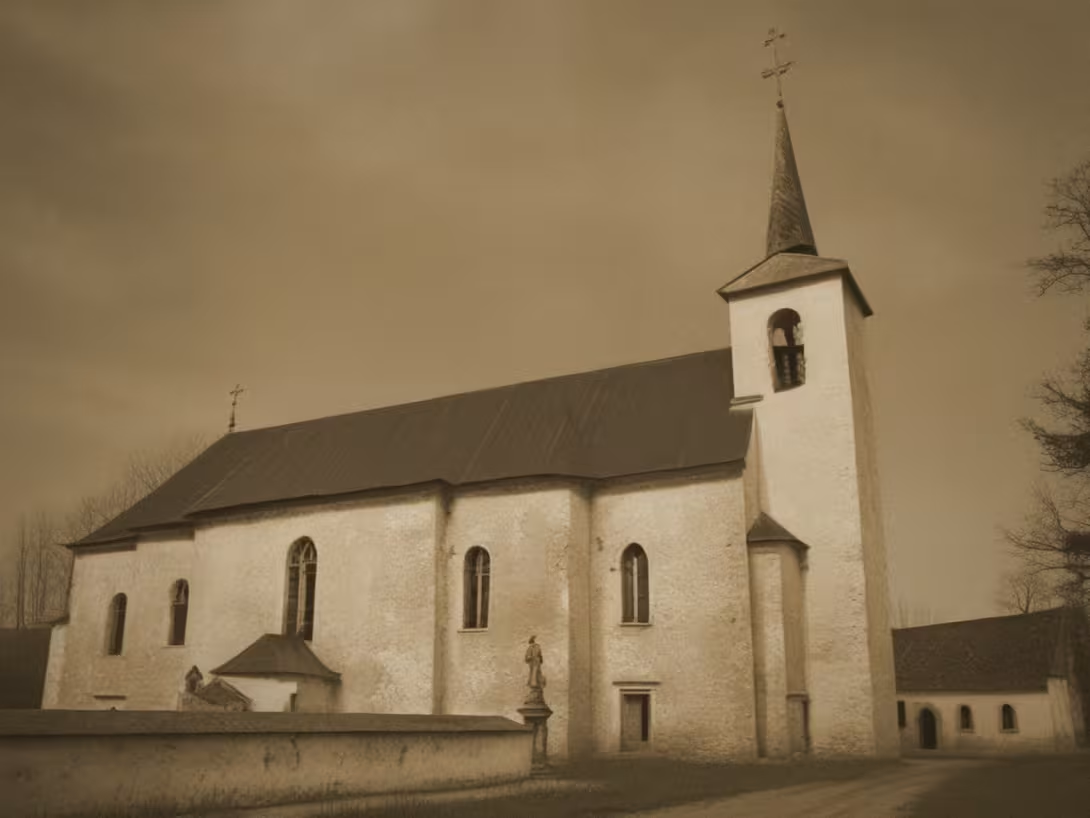
The historical appearance on the left is an AI-generated visualisation and serves as inspiration only.
Historical milestones
- 1612
- První zmínka o dřevěném kostele.
- 1500
- Původní umístění gotického Kalvárie v blízkosti kaple hřbitovní.
- 1770
- Vznik současné barokně-klassické interiéru kostela.
Architectural development
The Church of Saint John the Baptist is characterized by its late Baroque architecture with rounded corners and a polygonal tower. The interior reflects baroque-classical design from around 1770, featuring main altars with sculptures of significant saints.
Historical events
In 1612, a wooden church was documented in the area.
Owners
The church is owned by the municipality of Orlické Záhoří.
Guide
This guide is narrated by a synthetic voice generated by artificial intelligence.
Show guide text
This text was created by artificial intelligence and has not been editorially reviewed. It may contain inaccuracies.
Welcome to the Church of Saint John the Baptist in Orlické Záhoří, a gem nestled within Kunštát in the Královéhradecký kraj region. As you stand here, take a moment to absorb the serene beauty that surrounds this late Baroque masterpiece. The church stands as a testament to both historical resilience and architectural elegance.
Imagine stepping back into 1612 when the first mention of a wooden church appeared in records. This humble beginning laid the foundation for what would become a significant cultural landmark. Fast forward to 1770, and you witness the transformation of this structure into its current form—a beautiful blend of Baroque and classical styles that reflect broader historical shifts in architecture during this period.
As you gaze upon the church's facade, notice the single-nave design with rounded corners leading seamlessly into an attached polygonal tower. This tower adjoins a rectangular presbytery, creating a harmonious balance between structure and form. The overall aesthetic is one of grace and timelessness—a perfect embodiment of its architectural era.
The interior awaits your exploration as well. Here, the late Baroque influence shines through in every detail—from the intricate woodwork to the elegant lines that define this sacred space. These elements invite you to pause and appreciate the craftsmanship that has stood the test of time.
While specific architects remain unknown, the stories woven into the fabric of this church are rich with history. It serves not only as a place of worship but also as a cultural beacon for the local community, holding a cherished spot in their hearts and heritage.
One intriguing aspect is the nearby cemetery chapel that originally housed a late Gothic Calvary—a fascinating reminder of the layers of history present here. This connection to its past adds depth to your visit, inviting you to ponder the many lives and stories intertwined with this sacred site.
As we conclude our brief journey through time and artistry at the Church of Saint John the Baptist, I encourage you to linger a little longer. Explore every corner, absorb the atmosphere, and let yourself be inspired by the legacy that surrounds you. Thank you for joining me on this exploration, and may your visit leave you enriched with memories and insights.
Tips for visitors
Best Time to Visit: The Church of St. John the Baptist is a year-round destination, but the best time to visit is during spring and autumn when the surrounding landscape is particularly picturesque. Avoid visiting during peak summer months if you can, as the area can get quite crowded.
Frequently asked questions
Can the monument be visited?
Religious buildings are usually open mainly during services; at other times a visit is normally arranged with the parish or the operator. We have not verified specific times.
Where is the monument?
Location: Kunštát, Královéhradecký kraj. The map on this page shows the exact spot.
Why is the monument protected?
It is listed in the Central List of Cultural Monuments of the Czech Republic as a cultural monument (register no. 29026/6-2367).
Businesses nearby
Do you run a restaurant, accommodation, shop, museum, rental, wellness or other visitor service near this monument? Show yourself directly to the people heading to it — this is how they will see you in the app and on the web:
Nearby
The church is an architectural and urbanistic focal point in the central part of the mountain village within the Upper Wild Orlice Valley.
Accommodation nearby
Themed route
Thematic Walking Tour: Orlické Záhoří and its Architectural Heart
1. Main Attraction: Church of St. John the Baptist (Orlické Záhoří) - Type: Historical Landmark - Why Visit: The Church of St. John the Baptist stands as an architectural gem in Orlické Záhoří, serving as a central urbanistic focal point within the Upper Wild Orlice Valley. Its striking design and historical significance make it a must-see for those interested in religious architecture and local history.
2. Central Village Square - Type: Urban Space - Why Visit: Located just steps away from the church, the central village square offers a picturesque setting that reflects the traditional charm of Orlické Záhoří. This area provides an excellent opportunity to appreciate the harmonious blend of natural beauty and architectural heritage typical of this mountain village.
3. Surrounding Streets and Traditional Houses - Type: Architectural Tour - Why Visit: A short walk from the church, the surrounding streets are lined with traditional houses that showcase local building styles and materials. Exploring these areas offers insights into the everyday life and cultural heritage of Orlické Záhoří's residents over the centuries.
4. Church Vicinity and Local Gardens - Type: Scenic Walk - Why Visit: Just outside the church, visitors can enjoy serene gardens and small green spaces that enhance the tranquility of this mountain village setting. These areas provide a peaceful retreat where one can reflect on the history and beauty encountered during the tour.
This walking tour encapsulates the essence of Orlické Záhoří by focusing on its architectural highlights and charming urban landscape, all within easy walking distance from each other.
Seasonal recommendations
Spring: Visiting the Church of St. John the Baptist during spring offers a serene experience as nature begins to blossom around Orlické Záhoří. The surrounding countryside is painted with vibrant wildflowers and fresh greenery, creating a picturesque backdrop for your visit. This season often sees moderate crowds, making it an ideal time to explore without the hustle of peak tourist seasons. To fully enjoy this tranquil atmosphere, consider wearing comfortable layers as temperatures can vary, and bring along some rain gear since spring showers are common. Early morning visits might offer the most peaceful experience with soft natural light illuminating the church's architecture.
Summer: Summer in Orlické Záhoří is characterized by long days filled with warm sunshine, perfect for exploring the Church of St. John the Baptist and its surroundings. The lush greenery provides a stunning contrast to the historic structure, while the vibrant atmosphere makes it an ideal time for outdoor enthusiasts. This period marks the height of tourist activity, so expect larger crowds, especially on weekends. To enhance your visit, arrive early in the day when temperatures are cooler and before the majority of visitors arrive. Dress comfortably in light clothing, and don't forget sunscreen to protect against the strong summer sun.
Autumn: Autumn brings a magical transformation to Orlické Záhoří with its warm hues of reds, oranges, and yellows adorning the landscape around the Church of St. John the Baptist. The crisp air and golden light create an enchanting atmosphere perfect for photography enthusiasts and those seeking a peaceful retreat. While visitor numbers begin to dwindle compared to summer, there's still enough activity to enjoy local culture without feeling overwhelmed. Layered clothing is advisable as temperatures can vary significantly throughout the day. A late afternoon visit might be ideal to capture the golden hour light that beautifully accentuates the church’s historic details.
Winter: Winter at the Church of St. John the Baptist offers a unique and serene experience, with snow-covered landscapes creating an enchanting backdrop for this historic site. The cooler temperatures bring fewer visitors, allowing you to appreciate the tranquility of Orlické Záhoří in peace. Dress warmly in layers and wear comfortable shoes suitable for potentially icy paths. An early morning visit can provide a quiet atmosphere with soft winter light filtering through the church’s windows, creating a mystical ambiance that is truly special during this season.
Visualizations and artistic views


The visualisations are generated by artificial intelligence and serve as inspiration.
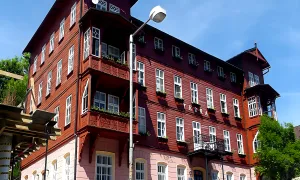
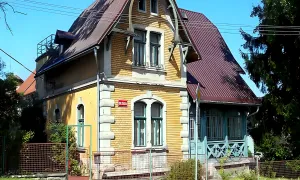
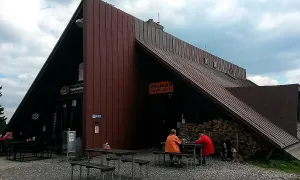
Photos from the area
Real photos taken near the monument


Zdroj a licence jsou uvedeny u každého snímku.
Tips from visitors
No tips yet. Be the first!
Log in and add your tip.
Sources and literature
Photos: MartinVeselka / CC BY-SA 4.0 — Wikimedia Commons. The author and licence also appear when you hover over the image.
Location on the map

Fotografie návštěvníků
Zatím žádné fotografie. Buďte první, kdo přidá fotografii z návštěvy!
Log in a přidejte svou fotografii nebo hodnoťte.
Za ověřenou návštěvu v aplikaci získáte víc bodů — poznáme podle GPS, že jste na místě.
Reviews and comments