






Kostel svatého Jana Křtitele (Stebno) Church
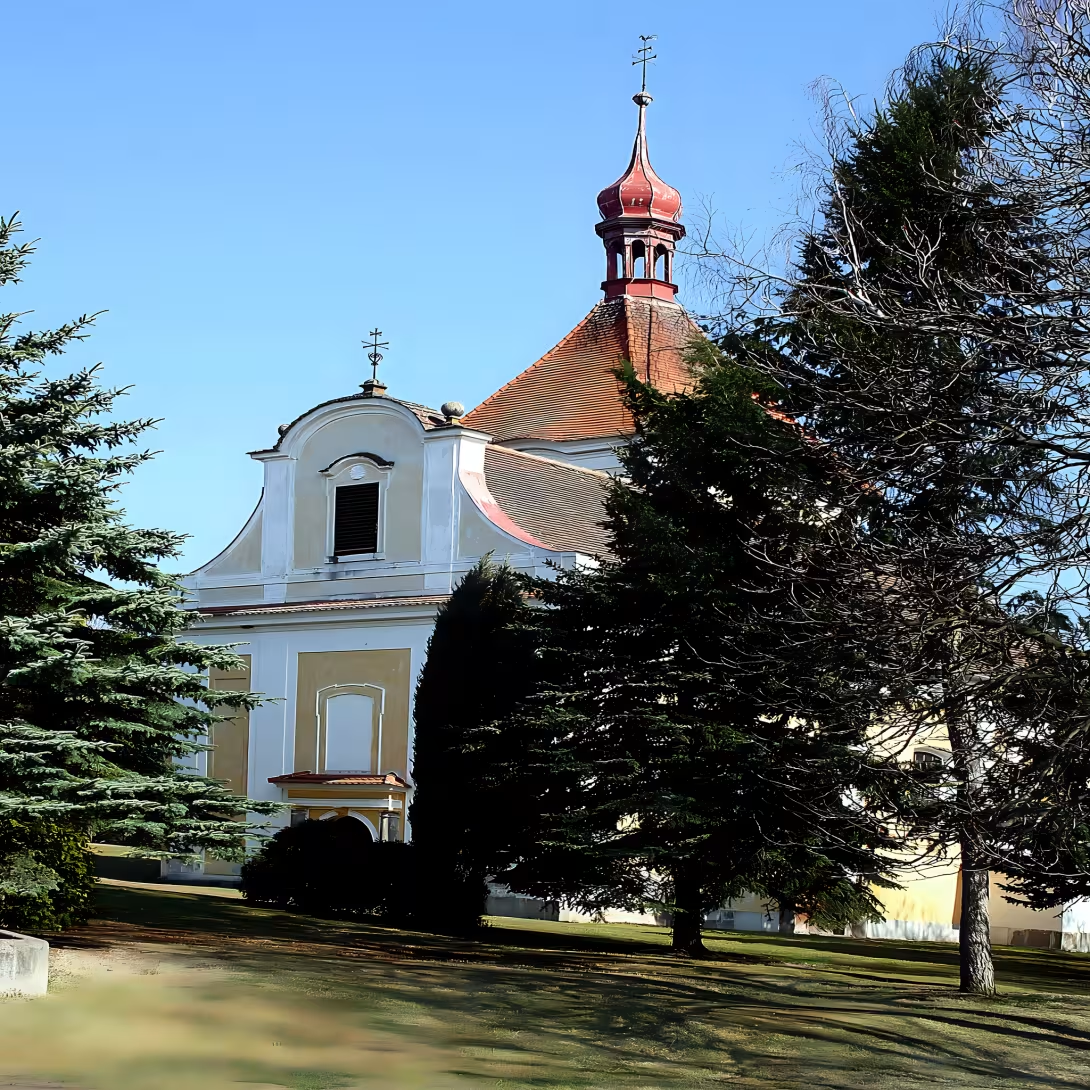
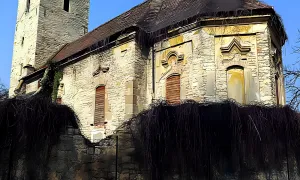
St. John the Baptist Church in Stebno stands as an exemplary model of architectural evolution from Gothic to Baroque styles. This transformation reflects its resilience through fires and wars while preserving cultural heritage amidst changing ownership. Situated on a gentle rise at the center of the village square in Stebno, Ústecký kraj, this Roman Catholic church is dedicated to St. John the Baptist. Its current predominantly Baroque form likely retains some Gothic elements from its original structure, making it a protected cultural monument since 1964.
The first documented mention of the church dates back to 1337 with a priest named Jan, indicating its long-standing presence in the community. The Stebenští family held patronage rights over the church from at least 1239 until 1380. Subsequently, ownership and patronage passed through several noble families, including the Janovics, Gutštejns, and Černínové z Chudenic. During the Thirty Years' War under the Černíns, the parish was dissolved and annexed to Jesenice. By 1786, Stebno became a filial church of St. Anna in Malměřice, only to regain its status as an independent parish in 1790 with Modestus Gut as its first priest.
Architecturally, the church likely has some medieval origins, particularly evident in its presbytery design, which shares similarities with Gothic structures found in Černochově, Počedělicích, and Nepomyšli. Reconstruction following a significant fire in 1650 included the addition of a tower, confirmed by dendrochronological analysis of the wood used. Further modifications occurred in 1732, enhancing its Baroque characteristics.
The church's interior houses a Renaissance stone baptismal font from 1593, featuring the coats of arms of Zikuna z Gutštejna and Jaroslava Libštejnského z Kolovrat. A wooden gallery in the western part of the nave holds remnants of an organ built in 1773, which has since been damaged. The church's architectural composition includes an oblong nave, a polygonal presbytery with buttresses, and a tower on the north side, all constructed from rubble stone and occasionally reinforced with bricks.
In June 2021, a severe storm damaged the church's tower roof, necessitating repairs completed within the following year. Today, St. John the Baptist Church remains an accessible site of historical and cultural significance. Its blend of architectural styles and rich history make it a compelling destination for visitors interested in exploring the layers of Bohemia's past.
St. John the Baptist Church is not only a testament to artistic and structural transformations over centuries but also a symbol of resilience against natural and human adversities. It invites visitors to delve into its storied past, offering insights into the region's historical narrative and architectural heritage.
Then and now
Drag the slider to compare how the landmark may have looked when it was built with the view today.
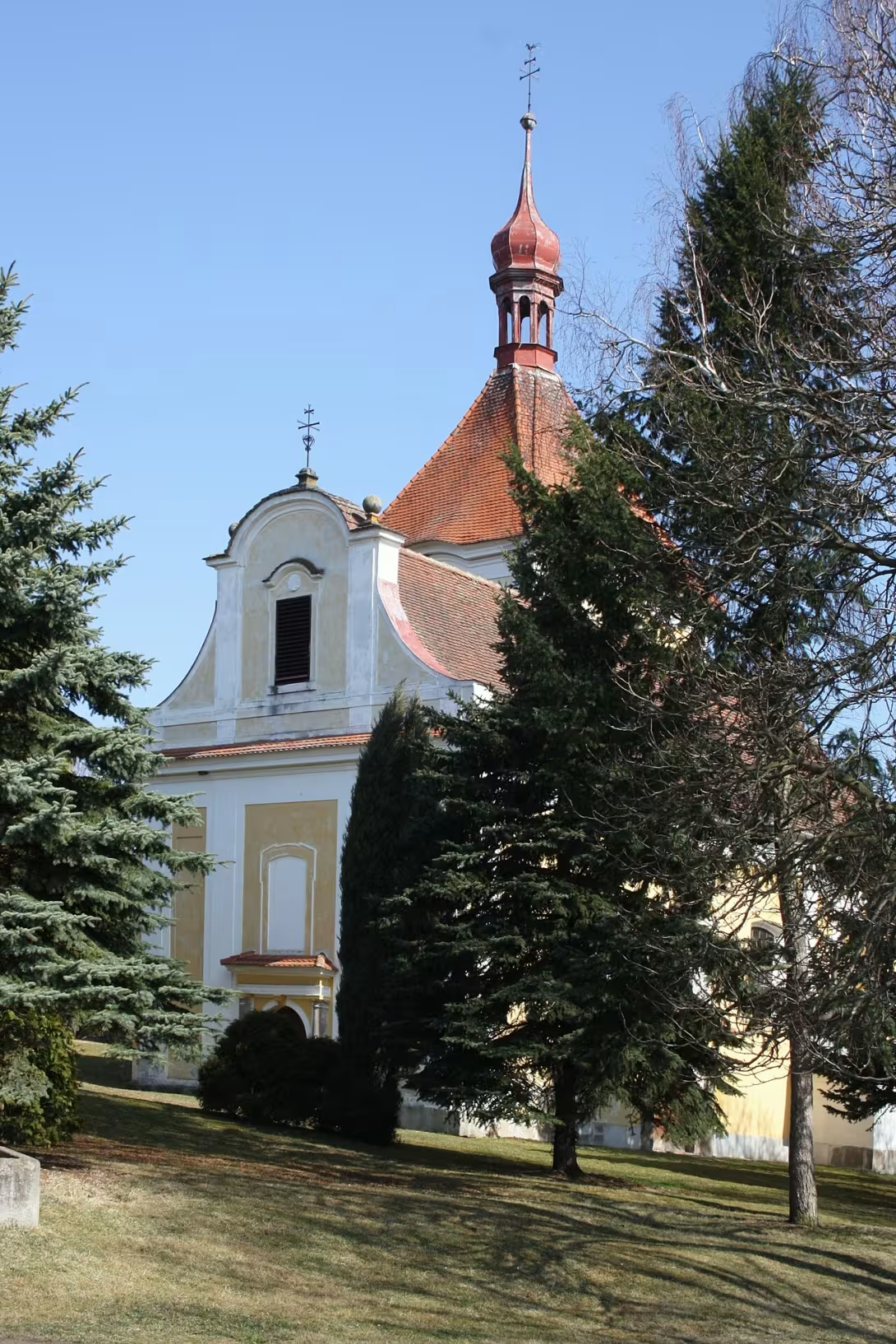

The historical appearance on the left is an AI-generated visualisation and serves as inspiration only.
Historical milestones
- 1337
- First documented mention of a priest named Jan.
- 1650
- A fire significantly damaged the church, leading to reconstruction by 1656.
- 2021
- A storm damaged the tower roof, which was repaired in the following year.
Architectural development
The church likely has some medieval origins, particularly in its presbytery design, which shares similarities with Gothic structures. The reconstruction after the 1650 fire included the addition of a tower, confirmed by dendrochronological analysis of the wood used. Further modifications occurred in 1732.
Historical events
First documented mention of a priest named Jan in 1337.
A significant fire in 1650 caused considerable damage to the church, leading to reconstruction completed by 1656.
In June 2021, a severe storm damaged the church's tower roof, which was repaired within the following year.
Owners
The Stebenští family held patronage rights to the church from at least 1239 until 1380. Subsequently, ownership and patronage passed through several noble families including the Janovics, Gutštejns, and Černínové z Chudenic. During the Thirty Years' War under the Černíns, the parish was dissolved and annexed to Jesenice.
Points of interest
- The church's baptismal font from 1593 features the coats of arms of Zikuna z Gutštejna and Jaroslava Libštejnského z Kolovrat, linking it to notable historical figures with influence in the region.
- During the Thirty Years' War, the parish was dissolved under the Černíns and annexed to Jesenice, reflecting how broader conflicts impacted local religious structures and community life.
- The church's tower, added after a significant fire in 1650, has undergone repairs due to storm damage as recently as June 2021, showcasing its ongoing vulnerability to natural forces despite centuries of resilience.
- Ownership of the church passed through several noble families over the centuries, including the Janovics and Černínové z Chudenic, illustrating a complex history of patronage and influence in Stebno.
- The wooden gallery holds remnants of an organ built in 1773, which has since been damaged, highlighting both historical musical culture and the challenges of preserving such artifacts over time.
Guide
This guide is narrated by a synthetic voice generated by artificial intelligence.
Show guide text
This text was created by artificial intelligence and has not been editorially reviewed. It may contain inaccuracies.
Welcome to the historic Church of St. John the Baptist in Stebno, a remarkable testament to architectural resilience and cultural heritage nestled within the picturesque landscapes of Ústecký kraj. As you stand here, take a moment to absorb the serene beauty that surrounds this cherished monument.
The origins of this church trace back to 1337 when it was first documented with mention of a priest named Jan. Over centuries, it has witnessed significant transformations and challenges, including devastating fires and wars. A notable fire in 1650 severely damaged the structure, leading to its reconstruction by 1656. The current predominantly Baroque form you see today is an evolution from its original Gothic roots, showcasing how history layers upon itself.
As you gaze at the church's facade, notice the harmonious blend of architectural styles that speak volumes about its storied past. While specific details may not be immediately visible to the naked eye, the overall structure invites you to imagine the intricate craftsmanship and artistic vision that have shaped it over time. The Baroque elements are particularly striking, offering a sense of grandeur and elegance.
Throughout its history, this church has been intertwined with notable events and figures. During the Thirty Years' War, the parish was dissolved under the Černíns and annexed to Jesenice, reflecting the turbulent times that shaped its journey. Such historical narratives add depth to your visit, connecting you to the lives of those who came before.
One fascinating detail worth noting is the baptismal font from 1593, adorned with the coats of arms of Zikuna z Gutštejna and Jaroslava Libštejnského z Kolovrat. These emblems link the church to influential figures in the region's history, adding layers of intrigue and heritage.
In recent years, the church faced another challenge when a storm damaged its tower roof in 2021. The swift repairs that followed demonstrate the community's dedication to preserving this cultural treasure for future generations.
As you conclude your visit, we invite you to explore further, perhaps wandering through Stebno or delving into more of Ústecký kraj's rich history. Thank you for joining us on this journey through time at the Church of St. John the Baptist—a place where past and present beautifully converge. Safe travels as you continue your exploration!
Frequently asked questions
Can the monument be visited?
Religious buildings are usually open mainly during services; at other times a visit is normally arranged with the parish or the operator. We have not verified specific times.
Where is the monument?
Location: Stebno, Ústecký kraj. The map on this page shows the exact spot.
Why is the monument protected?
It is listed in the Central List of Cultural Monuments of the Czech Republic as a cultural monument (register no. 43241/5-1438).
Businesses nearby
Do you run a restaurant, accommodation, shop, museum, rental, wellness or other visitor service near this monument? Show yourself directly to the people heading to it — this is how they will see you in the app and on the web:
Accommodation nearby
Themed route
Thematic Tour Itinerary: Stebno and Surroundings
1. St. John the Baptist Church (Stebno)
Type: Historical Landmark
Why Visit: This stunning example of Gothic architecture is a centerpiece in Stebno, showcasing intricate design and historical significance that dates back several centuries. Its serene atmosphere offers visitors a glimpse into the region's rich cultural heritage.
2. Local Village Square (Stebno)
Type: Community Space
Why Visit: Located just steps from St. John the Baptist Church, the village square is a charming spot where local life unfolds. It provides an excellent opportunity to observe and engage with the community, perhaps enjoying a coffee at one of the nearby cafes or simply soaking in the quaint atmosphere.
3. Historical Walking Path (Stebno)
Type: Scenic Route
Why Visit: This path meanders through Stebno's picturesque landscapes, offering views of traditional architecture and lush greenery. It’s perfect for a leisurely walk that connects various points of interest within the village, allowing visitors to appreciate its natural beauty and historical context.
4. Local Artisan Workshop (Stebno)
Type: Cultural Experience
Why Visit: Discover local craftsmanship by visiting one of Stebno's artisan workshops. Here, you can witness traditional crafts being made and perhaps even participate in a workshop yourself. This experience provides insight into the region’s cultural practices and supports local artisans.
5. Church Nave and Bell Tower (St. John the Baptist Church)
Type: Architectural Exploration
Why Visit: Return to St. John the Baptist Church for an exploration of its interior, including the nave and bell tower. The intricate details within offer a deeper appreciation of Gothic architecture, while climbing the bell tower provides panoramic views of Stebno and its surroundings.
This itinerary offers a comprehensive experience of Stebno's cultural and historical offerings, ensuring visitors leave with a deepened understanding and appreciation of this charming village.
Seasonal recommendations
Jaro: In the spring, Stěbno's Church of Saint John the Baptist offers an appealing experience with warm sunlight highlighting architectural details and historical beauty. The surrounding landscape in bloom creates harmony with the church stone, fostering a tranquil and invigorating atmosphere. Visitors should plan their visit towards the end of the day to enjoy the warm sunshine and mild weather while avoiding midday heat. Clothing should be comfortable, but include the option of adding a cardigan or jacket for cooler evenings.
Léto: Summer is the main season for visiting Church of Saint John the Baptist when full sunlight and long days combine with the allure of nearby summer activities. The atmosphere buzzes with life, and visitors are advised to consider an early morning or late evening visit to avoid midday crowds. Given the high temperatures, it's wise to bring sun-protective clothing and a water bottle for hydration. Additionally, visitors should be prepared for possible narrow entryways due to the number of guests.
Podzim: In autumn, Church of Saint John the Baptist offers a unique experience with a gentle and soft atmosphere as tree leaves transform into fiery colors. Sunny mornings and cooler evenings provide ideal conditions for photography and a peaceful stroll around the monument. Visitors should plan their visit at the beginning or end of the day to enjoy mild temperatures and the special light of autumn sun. Clothing should be layered, with the option to add a warm coat or plaid for chillier evenings.
Zima: A winter visit to Church of Saint John the Baptist offers quiet and serene experiences in a snow-covered atmosphere where architecture is surprisingly highlighted by cool sunlight. This time of year can be ideal for those seeking peaceful moments in less crowded conditions. Additionally, they should check current information regarding the monument's accessibility due to winter conditions.
Visualizations and artistic views


The visualisations are generated by artificial intelligence and serve as inspiration.
Photos from the area
Real photos taken near the monument


Zdroj a licence jsou uvedeny u každého snímku.
Tips from visitors
No tips yet. Be the first!
Log in and add your tip.
Sources and literature
Photos: Matěj Baťha / CC BY-SA 3.0, rozlišení zvýšeno umělou inteligencí — Wikimedia Commons. The author and licence also appear when you hover over the image.
Faktickým podkladem tohoto textu byl článek na Wikipedii, jehož autory jsou přispěvatelé Wikipedie. Článek je dostupný pod licencí CC BY-SA 4.0.
Location on the map
Příběhy a pověsti
Legendy, pověsti a příběhy spjaté s touto památkou
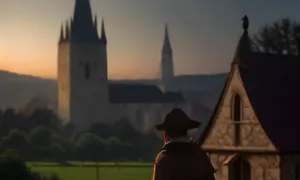
Příběh: Kostel svatého Jana Křtitele (Stebno)
Bylo to v pondělí ráno, kdy Matyáš, řezník z Stebna, zvedl oči podle světla stoupajícího nad průsmykovým kostelem svatého Jana Křtitele. Jeho ruce se chovaly…
Číst příběh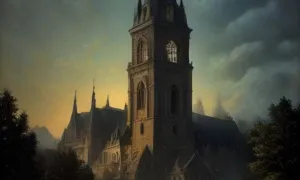
Pověst: Kostel svatého Jana Křtitele (Stebno)
Podle místní pověsti, která se ve Stebně traduje od nepaměti, nese kostelní věž v sobě tajemství starší než sama sebe. Staří obyvatelé vyprávějí, že roku 165…
Číst příběhFotografie návštěvníků
Zatím žádné fotografie. Buďte první, kdo přidá fotografii z návštěvy!
Log in a přidejte svou fotografii nebo hodnoťte.
Za ověřenou návštěvu v aplikaci získáte víc bodů — poznáme podle GPS, že jste na místě.
Reviews and comments