






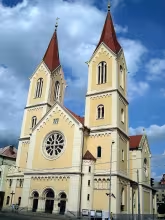
The Church of Saint John of Nepomuk in Jižní Předměstí, Plzeň is a significant historical monument constructed between 1910 and 1911. Architects Jan Svoboda and František Stalmach designed it for the Congregation of the Most Holy Redeemer (Redemptorists). Situated at the corner of Klatovská Street and Chodské Square, this church serves as both a place of worship and a cultural landmark reflecting early 20th-century architectural trends in Bohemia. Its construction was part of the Redemptorists' broader effort to establish new religious sites for growing urban populations during that period.
The Redemptorists arrived in Plzeň in 1907, planning the church and an adjacent monastery by 1909. Construction began in 1910, with consecration on October 22, 1911, marking its significance as a community religious site. This era saw Bohemia experiencing significant cultural and architectural development, evident in the church's design.
Architecturally, the Church of Saint John of Nepomuk features a pseudo-Romanesque style with a three-aisled layout. It includes two towers and was completed in just over a year. Notable interior elements are stucco decorations by Vojtěch Šíp, stained glass windows depicting saintly motifs, and altars designed by artists such as František Kadeřábek and Jan Kastner. The design reflects the architectural trends of its time while serving religious and cultural purposes.
Throughout its history, the church has undergone significant changes. In 2005, a comprehensive restoration preserved historical elements, including romantic-era organ pipes. Additionally, in 2007, it became the parish church for the newly established Plzeň-Bory parish, further cementing its community role.
The church houses original Plzeňské jesličky (nativity scenes) created between 1947 and 1950 by academic sculptor František Bartoš. These nativity scenes reflect a unique aspect of the church's cultural heritage. Another distinctive feature is the Zpěvní síň (Choir Room), located under the choir, highlighting its historical musical significance.
Today, the Church of Saint John of Nepomuk remains an accessible and significant site for worship and cultural exploration. Its rich history, architectural beauty, and unique artistic elements make it a worthwhile visit for those interested in early 20th-century Bohemian architecture and religious heritage. Visitors are invited to explore this remarkable monument and appreciate its enduring legacy within the Jižní Předměstí community.
Historical milestones
- 1907
- Redemptorists arrived in Plzeň.
- 1909
- Planning of the church and adjacent monastery completed.
- 1910
- Construction of the Church began.
- 1911
- Consecration of the Church on October 22.
- 2005
- Comprehensive restoration preserving historical elements.
- 2007
- Became parish church for Plzeň-Bory parish.
Architectural development
The church's construction began in 1910 with plans by architects Jan Svoboda and František Stalmach. It features a pseudo-Romanesque style with a three-aisled layout, completed in just over a year. The building includes two towers and was restored extensively in 2005 to preserve its historical elements.
Historical events
The Redemptorists arrived in Plzeň in 1907 and began planning the church and adjacent monastery by 1909, with construction starting in 1910.
The church was consecrated on October 22, 1911, becoming a significant religious site for the community.
In 2005, a comprehensive restoration of both interior and exterior elements was completed, including the repair of romantic-era organ pipes.
Points of interest
- The Church of Saint John of Nepomuk features a unique architectural element known as the Zpěvní síň, or Choir Room, located beneath the choir area. This space highlights the church's historical significance in music and its role in hosting musical performances.
- Between 1947 and 1950, academic sculptor František Bartoš created original Plzeňské jesličky (nativity scenes) for the church. These intricate nativity scenes are a distinctive cultural feature that reflect local artistic traditions and add to the church's unique heritage.
Guide
Show guide text
Welcome to the Church of Saint John of Nepomuk in Jižní Předměstí, Plzeň—a remarkable testament to historical and architectural grandeur. As you stand before this majestic structure, take a moment to absorb its pseudo-Romanesque style that immediately captures your attention with its robust yet elegant lines.
The story of this church begins in the early 20th century when the Redemptorists arrived in Plzeň in 1907. By 1909, plans for not just the church but also an adjoining monastery were completed, marking a significant chapter in the city's spiritual and architectural history. The construction commenced in 1910 under the visionary guidance of architects Jan Svoboda and František Stalmach, culminating in its consecration on October 22, 1911.
As you gaze upon the church today, notice the intricate stucco decorations that adorn its interiors, a testament to the craftsmanship of the era. The stained glass windows, with their depictions of saintly figures, bathe the interior in vibrant light, inviting reflection and awe. These elements are not just decorative but narrate stories of faith and devotion.
The Church of Saint John of Nepomuk is more than a place of worship; it's a beacon of cultural heritage. The Zpěvní síň, or Choir Room, located beneath the choir area, is particularly noteworthy. This unique architectural feature underscores the church's historical significance in music, highlighting its role as a venue for musical performances that have resonated through time.
Between 1947 and 1950, academic scholars and musicians found solace and inspiration within these walls, further cementing the church’s legacy as a cultural hub. The Redemptorists, who played a pivotal role in this narrative, continue to be remembered for their dedication to serving the community and fostering spiritual growth.
In 2005, the church underwent comprehensive restoration efforts that preserved its historical elements while ensuring its continued relevance and beauty. By 2007, it became the parish church for Plzeň-Bory parish, reaffirming its central role in the spiritual life of the community.
As you conclude your visit to this splendid monument, we invite you to linger a moment longer, soaking in the atmosphere that has captivated hearts for over a century. Whether you're drawn by architectural beauty, historical intrigue, or spiritual solace, there's always more to explore and discover here at the Church of Saint John of Nepomuk.
Thank you for joining us on this journey through time and faith. We hope your visit today enriches your understanding and appreciation of this remarkable place. Farewell, until we meet again in another chapter of history’s unfolding story.
Businesses nearby
Do you run a restaurant, accommodation, shop, museum, rental, wellness or other visitor service near this monument? Show yourself directly to the people heading to it — this is how they will see you in the app and on the web:
Accommodation nearby
Trips and activities nearby
Guided tours, tickets and activities nearby from GetYourGuide
Search tours and activities →Themed route
Tematická Výletní Trasa: Jižní Předměstí a Kostel Svatého Jana Nepomuckého
1. Kostel svatého Jana Nepomuckého (Jižní Předměstí) *Typ:* Historická památka, náboženský objekt *Proč stojí za návštěvu:* Tento barokní kostel je významnou architektonickou perli Jižního Předměstí. Jeho bohaté historie a umělecké prvky, jako jsou fresky a sochy, přitahují návštěvníky z celého regionu. Kostel je také spojen s legendou o svatém Janovi Nepomuckém, což dodává jeho význam.
2. Nádvoří kostela *Typ:* Historický areál *Proč stojí za návštěvu:* Nádvoří před kostelem nabízí klidnou atmosféru pro relaxaci a refleksi. Je to ideální místo k procházce, zatímco si užíváte pohled na kostelní architekturu. Nádvoří může být také svědkem různých kulturních a náboženských akcí pořádaných v této oblasti.
3. Místní tradiční čokolárnictví *Typ:* Kulturní atrakce, gastronomie *Proč stojí za návštěvu:* Návštěva místní čokolární továrny nabídne pohled na tradiční způsob výroby čokolády. Zde si můžete nejen užít různé lokální speciality, ale také se dozvědět více o historii a procesu jejich výroby.
4. Místní tržiště *Typ:* Obchodní a kulturní místo *Proč stojí za návštěvu:* Tržiště je živoucím srdcem Jižního Předměstí, kde můžete objevit tradiční produkty a umělecké výrobky od místních řemeslníků. Je to ideální místo pro nákupy nebo jen pro prohlídku, abyste se ponořili do atmosféry regionu.
5. Park u kostela *Typ:* Zelená zóna, rekreační prostor *Proč stojí za návštěvu:* Park nabízí klidné prostory k odpočinku a relaxaci po prozkoumání historických míst. Je to ideální místo pro piknik nebo jen pro chvilku uvolnění, zatímco si užíváte přírodní krásy okolního prostředí.
Tato trasa nabízí kombinaci historických a kulturních zážitků v Jižním Předměstí, což umožňuje návštěvníkům hluboce prozkoumat tento region.
Seasonal recommendations
Spring: Visiting the Church of Saint John Nepomucene during spring offers a unique experience as nature begins to bloom around Jižní Předměstí, enhancing the church's historical charm with vibrant colors and fresh scents. The soft light filtering through budding trees creates an ethereal atmosphere that complements the serene beauty of the church. This season is ideal for photography enthusiasts who wish to capture the interplay between nature and architecture. With fewer tourists compared to summer, it's a great time to explore at your own pace. Visitors should wear comfortable walking shoes as paths may still be damp from spring rains, and carrying an umbrella or raincoat might be wise.
Summer: Summer is the peak season for visiting the Church of Saint John Nepomucene, with long daylight hours providing ample opportunity to admire its architectural details in natural light. The surrounding greenery is lush, creating a picturesque setting that enhances the church's historical ambiance. However, this popularity means larger crowds and longer wait times, so arriving early in the morning or later in the afternoon can help avoid the busiest periods. Light, breathable clothing is recommended due to warmer temperatures, along with sun protection such as hats and sunscreen.
Autumn: Autumn transforms Jižní Předměstí into a tapestry of warm hues, offering a stunning backdrop for the Church of Saint John Nepomucene. The falling leaves create a cozy atmosphere that invites reflection and appreciation of the church's historical significance. This season is particularly beautiful for those who enjoy nature photography or simply want to experience the serene beauty of fall. While visitor numbers start to decrease compared to summer, it’s still advisable to check opening hours as they may be reduced. Layered clothing is recommended to accommodate the cooler temperatures and potential rain.
Winter: Winter brings a quiet charm to the Church of Saint John Nepomucene, with snow often blanketing Jižní Předměstí in a serene white landscape that enhances the church's architectural elegance. The softer winter light adds a mystical quality to the surroundings, creating an intimate atmosphere for reflection and appreciation. However, shorter daylight hours mean reduced opening times, so planning your visit is essential. Visitors should dress warmly with layers, including hats and gloves, and be prepared for icy paths. Despite fewer tourists, early arrival can ensure you have enough time to explore before closing.
Visualizations and artistic views

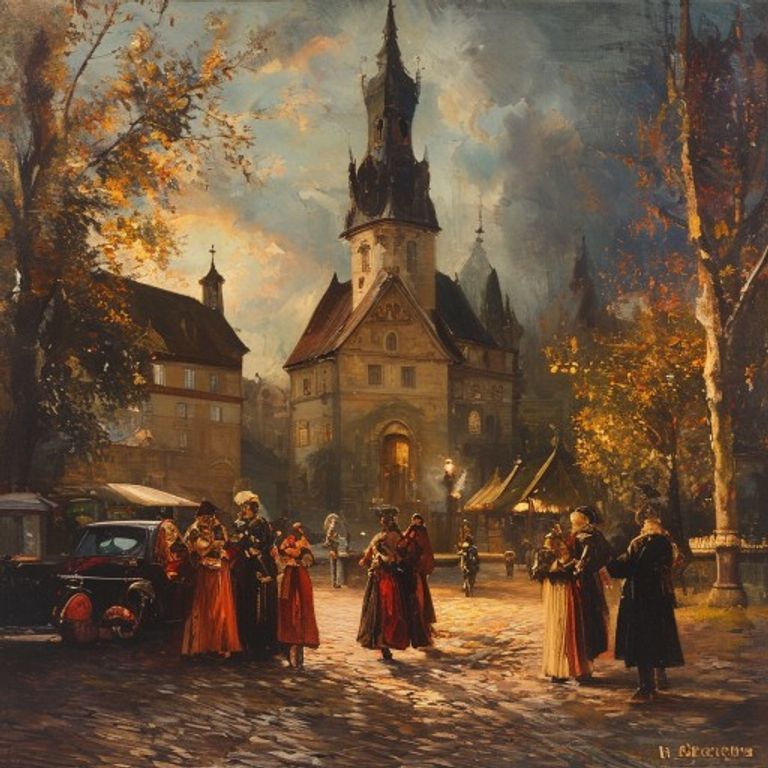
Vizualizace jsou generovány umělou inteligencí a slouží jako inspirace.


Tips from visitors
No tips yet. Be the first!
Log in and add your tip.
Location on the map

Příběhy a pověsti
Legendy, pověsti a příběhy spjaté s touto památkou
Reviews and comments