






kostel svatého Jana Nepomuckého (Velký Valtinov) Church
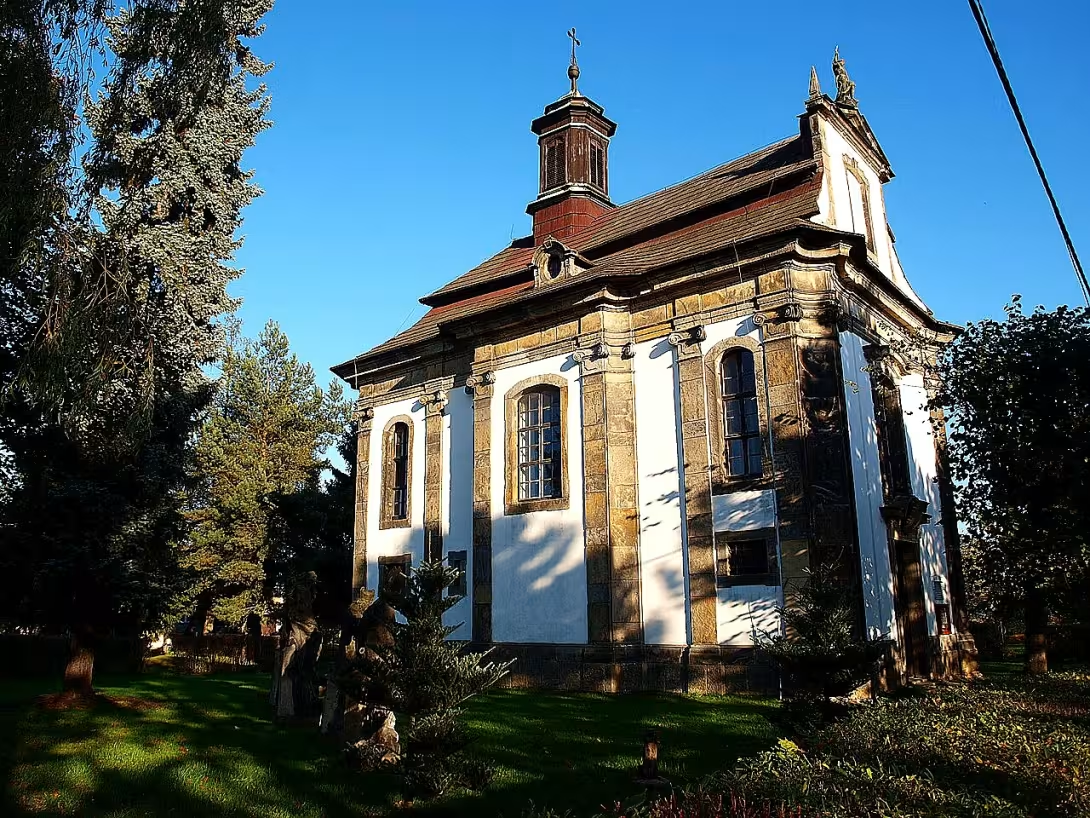
The Church of Saint John Nepomucene in Velký Valtinov is a baroque monument constructed around 1729. It stands prominently at the village square's crossroads. This church serves as a central element for the local community and holds historical significance for the town. Originally built as a large chapel on an old cemetery, it features rare paintings and frescoes discovered during renovations in 1997. The church is recognized as a cultural monument due to its architectural style and artistic elements.
The origins of this church are closely tied to the Pachta family from Rájov, who acquired Horní Valtinov in 1718, uniting it with Dolní Valtinov into a single municipality. Under Jan Jáchym Pachta z Rájova's patronage, the church was constructed around 1729. This period reflects the broader cultural and architectural development within Bohemia during the early 18th century when the region was part of the Habsburg Monarchy experiencing significant baroque influences.
Architecturally, the Church of Saint John Nepomucene is a quintessential example of baroque style, built on an octagonal plan. Sandstone is the primary building material used, evident in its windows and portal, which features the Pachtas' coat of arms. Inside, the church boasts two chapels and a central nave with niches housing statues of four Czech patrons, supported by pillars. Notably, the nave's frescoes depict the glorification of Saint John Nepomucene, while presbytery paintings include angelic figures. The church also contains an illusionistic altar painting discovered during renovations in 1997.
Ownership and administration of the church have been historically linked to the Pachta family. Jan Jáchym Pachta z Rájova played a pivotal role not only in commissioning the church but also in transforming the surrounding area by reconstructing the castle in Dolní Valtinov into its baroque form.
Among key events associated with this site is the discovery of frescoes during the 1997 renovation, which highlighted previously undocumented artistic elements. Additionally, a memorial plaque commemorates soldiers from the Battle of Hochkirch who died on the Valtinov estate in 1758, adding historical depth to the church's surroundings.
Today, the Church of Saint John Nepomucene remains an accessible and significant cultural site for visitors. Its rich baroque architecture and rare artistic features make it a worthwhile destination for those interested in history and art. The church not only serves as a testament to its era but also continues to be a focal point within Velký Valtinov, inviting exploration and appreciation from all who visit.
Then and now
Drag the slider to compare how the landmark may have looked when it was built with the view today.
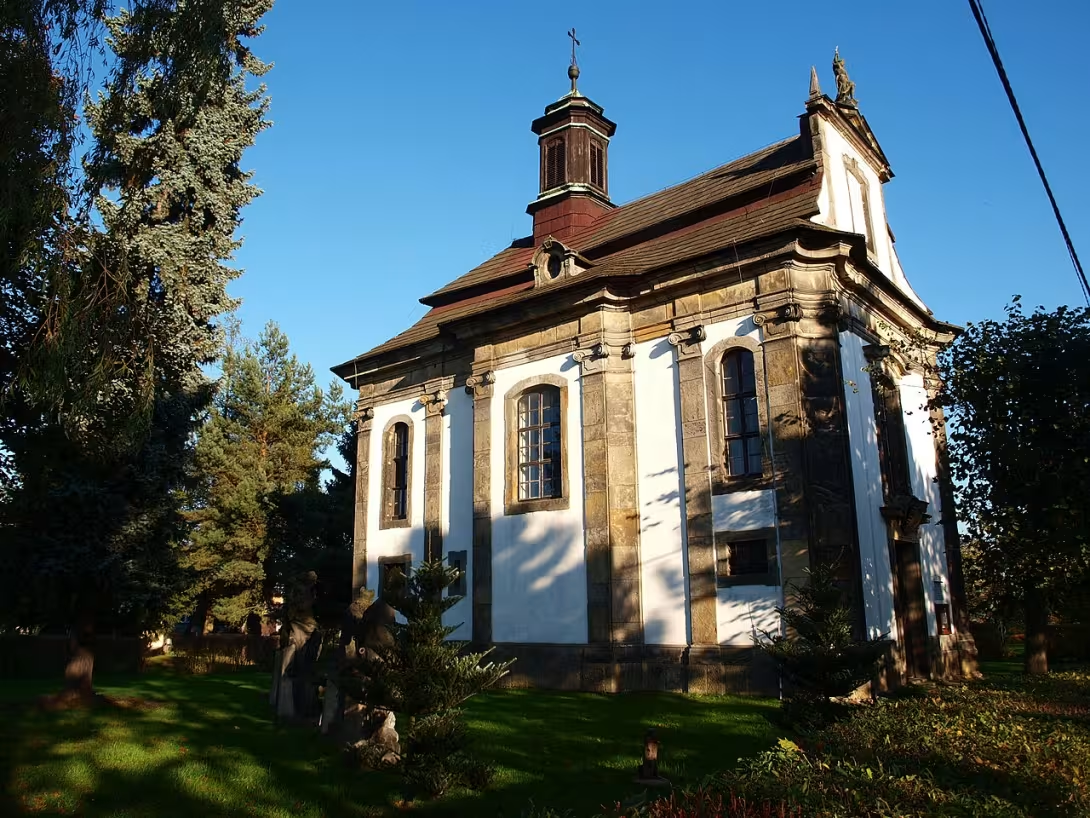

The historical appearance on the left is an AI-generated visualisation and serves as inspiration only.
Historical milestones
- 1718
- Pachta family acquired Horní Valtinov.
- 1729
- Construction of the Church of Saint John Nepomucene began.
- 1758
- Memorial plaque for soldiers from Battle of Hochkirch added.
- 1997
- Renovations revealed rare frescoes and paintings.
Architectural development
Constructed in baroque style on an octagonal plan, the church primarily uses sandstone for its windows and portal featuring the Pachtas' coat of arms. Inside, it features two chapels, a central nave with niches housing statues of four Czech patrons, supported by pillars. The nave's frescoes depict Saint John Nepomucene's glorification, while presbytery paintings include angels.
Historical events
In 1718, the Pachtas from Rájov acquired Horní Valtinov, uniting it with Dolní Valtinov into a single municipality.
The church was built around 1729 under the patronage of Jan Jáchym Pachta z Rájova.
Owners
In 1718, the Pachta family from Rájov acquired Horní Valtinov, uniting it with Dolní Valtinov into a single municipality. Jan Jáchym Pachta z Rájova commissioned the church's construction in 1729.
Points of interest
- The Church of Saint John Nepomucene features a unique octagonal architectural plan, which is relatively rare among baroque churches in the region and reflects innovative design choices for its time.
- During renovations in 1997, an illusionistic altar painting was uncovered, revealing intricate artistic details that had been hidden beneath layers of paint over centuries, offering new insights into baroque artistry.
- The church's windows and portal are made from sandstone, a material choice that not only provided durability but also contributed to the aesthetic harmony with the surrounding landscape and other Pachta family properties.
- A memorial plaque at the church site commemorates soldiers who died in the Battle of Hochkirch in 1758, linking the local history of Velký Valtinov directly to a significant event during the Seven Years' War.
- The frescoes inside the nave glorifying Saint John Nepomucene were discovered during renovations and are considered rare examples of religious art from the early 18th century, reflecting both artistic skill and deep spiritual devotion.
Guide
This guide is narrated by a synthetic voice generated by artificial intelligence.
Show guide text
This text was created by artificial intelligence and has not been editorially reviewed. It may contain inaccuracies.
The Church of Saint John of Nepomuk in Velký Valtinov is a Baroque structure from around the year 1729. It stands at a crossroads on the village common in the center of the settlement and is protected as a cultural monument.
Its creation is connected with the Pachta family from Rájov. In 1718 they purchased Horní Valtinov, thereby uniting Horní and Dolní Valtinov into a single village. The church is located precisely in what was once Horní Valtinov. Jan Jáchym Pachta from Rájov had the castle in Dolní Valtinov rebuilt in Baroque style in 1728. A year later he had a church built nearby. Originally it was a large chapel on the cemetery of that time.
The building has an octagonal ground plan. The main material is sandstone, from which the windows and portal with the coat of arms of the Pachta family from Rájov are made. Inside the square space there are two chapels. The central part rests on pillars and in their niches stand statues of four Czech patron saints.
The ceiling painting in the nave depicts the veneration of Saint John of Nepomuk, while the paintings in the presbytery show angels. The church is also decorated with a painting of an illusionary altar and frescoes depicting the veneration of Saint John of Nepomuk and Saint Wenceslaus. It is sometimes stated that these paintings were discovered only during the reconstruction in 1997. In fact, they are already mentioned in the monument inventory from 1982. The authorship of the paintings is sometimes mistakenly attributed to Jan Kryštof Lišek, but the true author is unknown.
On one side altar is a painting of the Murder of Saint Wenceslaus from 1736. On the other is an Italian Baroque painting of Saint Sebastian from the seventeenth century.
The space in the vicinity of the church is complemented by a series of statues of saints. Originally there were five, today there are four: Saint Prokop, Saint John of Nepomuk, the Virgin Mary, and Saint Vojtěch. There is also a Calvary and a monument to the victims of both world wars. On the wall at the church entrance is a memorial plaque. It commemorates a mass grave of soldiers from the Battle of Hochkirch from the year 1758, who died on the Valtinov estate.
Tips for visitors
The best time to visit the Church of Saint John Nepomucene in Velký Valtinov is during late spring or early autumn. During these months, you can enjoy pleasant weather that enhances your experience while exploring the baroque architecture and surrounding village square. Additionally, visiting outside peak tourist seasons ensures a more tranquil atmosphere, allowing for better appreciation of the church's intricate details.
When visiting the Church of Saint John Nepomucene, consider bringing comfortable walking shoes as you may want to explore the village square and surrounding areas. A camera is also recommended for capturing the church’s architectural beauty, especially during golden hour when the light accentuates its baroque features. Don’t forget a hat or sunscreen if you're planning an extended visit outdoors.
Photography enthusiasts will find several spots around the church ideal for capturing stunning images. The best lighting conditions are typically in the early morning or late afternoon when the sunlight casts soft shadows, highlighting the church's ornate details. The crossroads of the village square offers a unique perspective that includes both the church and surrounding landscape.
For families with children visiting Velký Valtinov, consider exploring nearby attractions within a 30-minute drive. These include natural parks or historical sites where kids can enjoy outdoor activities. While specific recommendations are limited to those mentioned in the vicinity of Velký Valtinov, these areas provide opportunities for family-friendly exploration and learning about local history.
Frequently asked questions
Can the monument be visited?
Religious buildings are usually open mainly during services; at other times a visit is normally arranged with the parish or the operator. We have not verified specific times.
Where is the monument?
Location: Velký Valtinov, Liberecký kraj. The map on this page shows the exact spot.
Why is the monument protected?
It is listed in the Central List of Cultural Monuments of the Czech Republic as a cultural monument (register no. 34513/5-3379).
Businesses nearby
Do you run a restaurant, accommodation, shop, museum, rental, wellness or other visitor service near this monument? Show yourself directly to the people heading to it — this is how they will see you in the app and on the web:
Accommodation nearby
Themed route
Tematická výletní trasa: Kostel svatého Jana Nepomuckého v Velkém Valtinově
1. Kostel svatého Jana Nepomuckého (Velký Valtinov) - Kostel Začneme naším hlavním cílem, kostelem svatého Jana Nepomuckého v Velkém Valtinově. Tento barokní chrám je nejen architektonickou perli, ale také důležitým kulturním a historickým místem obce. Jeho bohatá historie a jedinečná vnitřní dekorace činí návštěvu nezbytnou pro každého, kdo se zajímá o duchovní i umělecké dědictví regionu.
2. Kaple svaté Anny (Velký Valtinov) - Kaple Krátce po návštěvě kostela se podíváme na kapli svaté Anny, která je umístěna v blízkosti hlavního chrámu. Tato malá kaple přitahuje pozornost svou historií a architektonickým stylem, který doplňuje okolní kostel. Je to místo klidu a úvahy pro návštěvníky, kteří chtějí si užít poklidnou atmosféru.
3. Náves v obci Velký Valtinov - Místní centrum Po navštívění kaple se přesuneme na náves obce, kde můžete prozkoumat místní život a atmosféru Velkého Valtinova. Náves slouží jako srdce komunity, kde lze pozorovat každodenní aktivity obyvatelstva a někdy i různé místní akce či trhy.
4. Kostelní věž (Velký Valtinov) - Architektonická památka Zavřeme svou trasu prohlídkou kostelní věže, která nabízí nejen historické zážitky, ale také impozantní pohled na okolní krajinu. Vystoupit do věže je skvělým způsobem, jak si užít panoramatický pohled a pochopit architektonickou strukturu kostela ze specifického úhlu.
Tato trasa nabízí komplexní pohled na kulturní dědictví Velkého Valtinova, zaměřený především na jeho náboženské a historické stavební památky.
Seasonal recommendations
Spring: Visiting the Church of Saint John Nepomucene in Velký Valtinov during spring offers a breathtaking experience as nature awakens around this historic site. The surrounding landscapes are painted with vibrant colors from blooming flowers and fresh greenery, creating an enchanting atmosphere that enhances the church's serene beauty. The gentle warmth and longer daylight hours make it an ideal time to explore without the crowds of peak tourist seasons. Visitors should consider wearing comfortable layers as temperatures can vary throughout the day, and be prepared for occasional showers typical of spring weather.
Summer: Summer is a popular time to visit the Church of Saint John Nepomucene due to its warm weather and extended daylight hours, which allow for longer exploration of the church and surrounding areas. The lush greenery and full bloom of flowers create a picturesque setting that complements the historic architecture beautifully. However, this is also when visitor numbers peak, so arriving early in the day can help avoid larger crowds. Lightweight clothing and sunscreen are advisable to stay comfortable during your visit.
Autumn: Autumn brings a unique charm to the Church of Saint John Nepomucene as the surrounding landscape transforms into a tapestry of warm colors with leaves turning shades of red, orange, and yellow. The cooler temperatures provide a pleasant environment for walking through the area, capturing stunning photographs against the backdrop of fall foliage. This season often sees fewer visitors compared to summer, making it an ideal time for those seeking a quieter experience. A light jacket or sweater is recommended as evenings can become quite chilly.
Winter: Winter offers a serene and magical atmosphere at the Church of Saint John Nepomucene, with snow-covered grounds adding a picturesque quality to the historic site. The shorter days mean that visits are best planned in daylight hours, while the cooler temperatures necessitate warm clothing, including coats, hats, and gloves. Although visitor numbers may decrease due to inclement weather, those who venture out can enjoy a tranquil experience with fewer crowds.
Visualizations and artistic views


The visualisations are generated by artificial intelligence and serve as inspiration.
Photos from the area
Real photos taken near the monument


Zdroj a licence jsou uvedeny u každého snímku.
Atmosphere of the place
This atmospheric visualisation of the place and period was generated by artificial intelligence. It is not real footage of the location.
Tips from visitors
No tips yet. Be the first!
Log in and add your tip.
Sources and literature
Photos: VitVit / CC BY-SA 4.0 — Wikimedia Commons. The author and licence also appear when you hover over the image.
Faktickým podkladem tohoto textu byl článek na Wikipedii, jehož autory jsou přispěvatelé Wikipedie. Článek je dostupný pod licencí CC BY-SA 4.0.

Příběhy a pověsti
Legendy, pověsti a příběhy spjaté s touto památkou
Fotografie návštěvníků
Zatím žádné fotografie. Buďte první, kdo přidá fotografii z návštěvy!
Log in a přidejte svou fotografii nebo hodnoťte.
Za ověřenou návštěvu v aplikaci získáte víc bodů — poznáme podle GPS, že jste na místě.
Reviews and comments