






Kostel svatého Jiljí (Úsov) Church
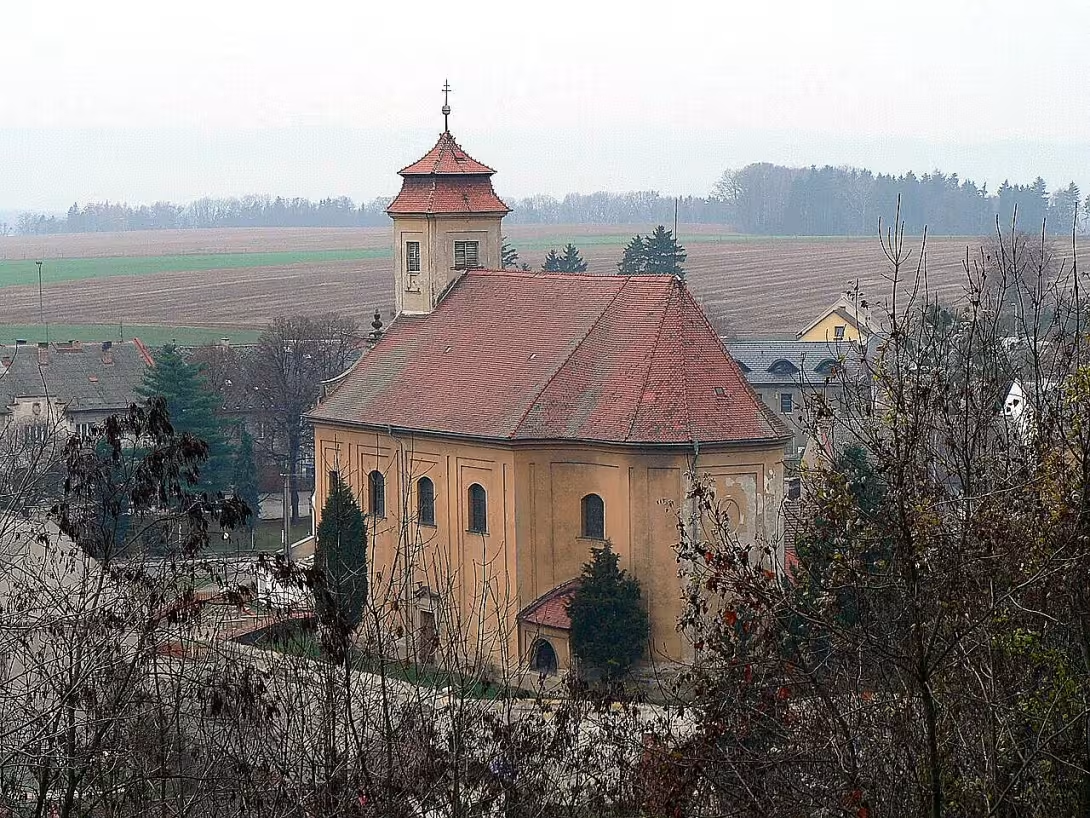
Holy Church Jilje dominates the upper part of the town square and forms a distinctive architectural element under the village chateau. This Baroque building with elements of Classicism was listed on the list of cultural monuments in 1964 and represents one of the best preserved examples of Baroque sacral architecture in Moravia.
The history of the temple goes deeper than its current form suggests. Holy Parish Church The sources are only documented in the 15th century when the older temple was rebuilt. However, the initiation of the church coincides with the name of the first known owner Úsova - Jilyj of Švábenice - which is supposed to have stood here already in the 13th century. In the 17th century the church was very well equipped: it contained two Olomouc bowls, eight chalices, fifteen paintings and many others. The tower was hung by three bells, the oldest of which, with the sign of the lords of Boskovice and Vlashimi, dates back to 1474.
In 1736 the church underwent a major reconstruction according to the design of architect Antonio E. Martinelli at the impulse of Prince Josef Václav from Liechtenstein. A skeleton with a crypt was built in the cemetery. The church was consecrated on 23 June 1741 by the Bishop of Olomouc Jakub Arnošt z Lichtenštejna-Kastellkornu. The interior with three altars was decorated with paintings of Baroque painter Jan Kryštof Handke and Unicovsky painter Ignác Oderlický. The statue of Christ and his disciples on the Mount of Olivet was placed in a wedge near the south wall by the sculptor Ondrej Zahner of Olomouc. In the 17th and 18th centuries it became a building that concentrated the works of the leading artists of its time.
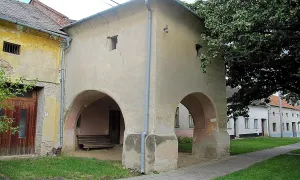
Architecturally, the church is a single-boat oriented building of a rectangular plan with a triangular conclusion. From the south side is connected a low open annex with a semi-circular arcade in which the said sculpture is located. Access leads to a walled two-arm staircase with a built-in chapel; At the foot of the staircase stands a stone cross from 1746 with the Corpus of Jesus Christ. The facade compartmentalizes the mixed lizens and profiled main rims. The square tower with the Mansard roof and double cross carries four bells. The interior features a cylindrical arch with three pairs of lunettes. An organ built in 1885 by the Brauner brothers from Uničov, which was donated by Prince Jan II. z Lichtenštejna as an expression of recognition for a well-executed restaurant, is installed on the ring.
Between 1881 and 1884, the church passed through an expensive restaurant. In 2011, a massive Easter wooden hanger from 1746 was discovered in the tower space, which was traditionally used at Easter instead of bells. After the restoration, he was returned to his post. Today, the church represents the harmonious synthesis of baroque architecture with elements of Classicism and contains a number of valuable works of art that rank it among the important cultural monuments of Moravian territory.
Then and now
Drag the slider to compare how the landmark may have looked when it was built with the view today.
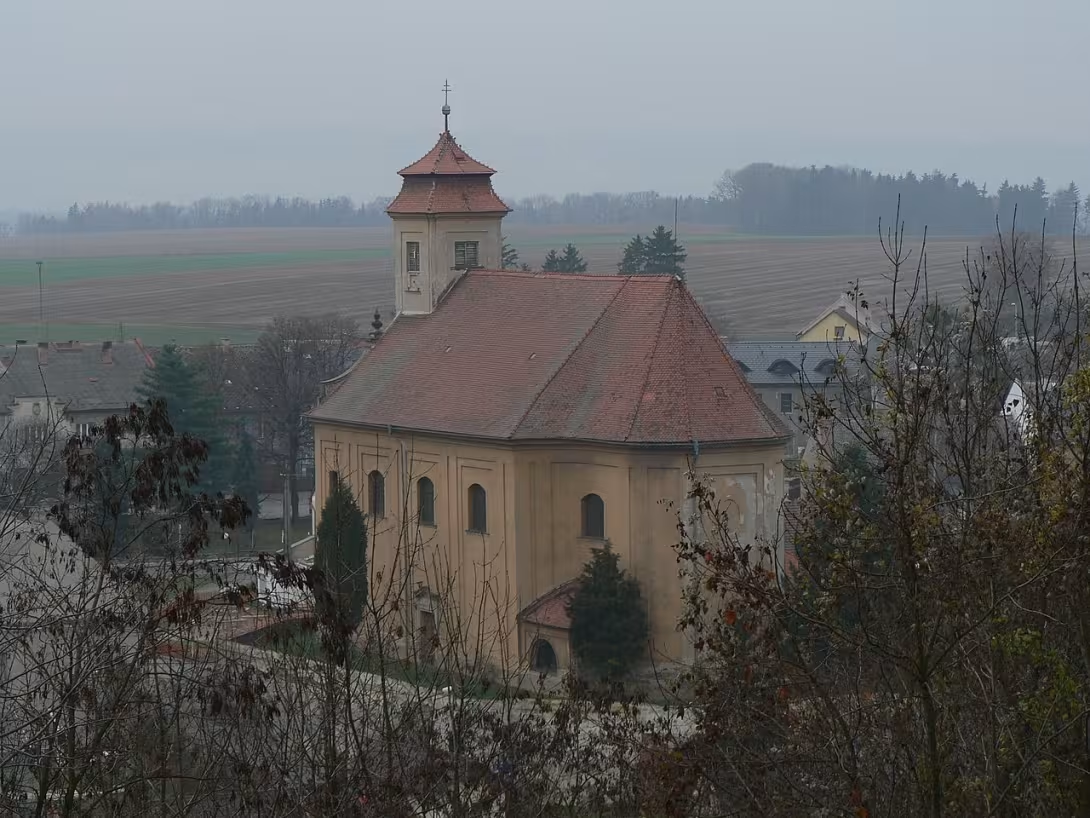

The historical appearance on the left is an AI-generated visualisation and serves as inspiration only.
Historical milestones
- 15th Century
- Proof of the parish church of St. Gilje, probably reconstruction of an older chapel from the 13th century.
- 1736
- Opening of the reconstruction of the church according to the design of architect Martinaelli at the initiative of Prince Josef Václav from Liechtenstein.
- 1741
- The consecration of the church by the Bishop of Olomouc, James Arnešt of Liechtenstein-Castellkorn.
- 1964
- Putting the church on the list of cultural monuments.
Architectural development
The church was created by rebuilding an older parish church from the 15th century. In 1736, according to the design of architect Antonio E. Martinelli was rebuilt in Baroque style with elements of classicism. The facade is broken down by lizenas and decorated with stucco cartouches. The interior is well-glazed with rich painting and sculptures. In the 19th century it underwent expensive reconstruction, during which the organ was installed and window fillings were repaired.
Historical events
- 1474
- Prison of the oldest bell with the sign of the lords of Boskovice and Vlashi.
- 1741
- The church was consecrated by the Bishop of Olomouc Jakub Arnošt z Lichtenštejna-Kastellkornu.
- 1881-1884
- Expensive reconstruction of the church and installation of the organ from the Brauner brothers.
- 2011
- Finding and repairing a rare 1746 wood hanger.
Points of interest
- The church of St. Gilji is one of the best preserved Baroque sacral buildings in Moravia.
- The oldest bell dates back to 1474 and bears the mark of the masters of Boskovice and Vlashimi.
- In the 17th century the church was richly equipped with two Olomouc bowls, eighteen chalices and fifteen paintings.
- In 1736 the church underwent extensive reconstruction according to the design of architect Antonio E. Martinelliho.
- In 1746, a stone cross was placed on the staircase with the Corpus of Jesus Christ.
Guide
This guide is narrated by a synthetic voice generated by artificial intelligence.
Show guide text
This text was created by artificial intelligence and has not been editorially reviewed. It may contain inaccuracies.
Welcome to the church of St. Gilji in Úsov!
You are standing in front of one of the most important Baroque monuments in Moravia - a church that has dominated the whole town since 1736. His massive silhouette, decorated with shields and slender towers, will draw you immediately. Take a look at the facade where the elegance of the Baroque style is mixed with historical layers that go back to the Middle Ages. The church stands as a symbol of the faith and artistic glory brought here by the Liechtenstein people.
Let's look at his history. The first mention of the parish church of St. Gilya dates back to the 15th century, when it probably replaced an older chapel from the thirteenth century. But the church you have before you was created in the first half of the eighteenth century by order of Prince Josef Václav of Liechtenstein. The reconstruction started in 1736 according to the plans of Italian architect Antonio E. Martinelli, and already in 1741 the church was consecrated by Olomouc Bishop Jakub Arnošt z Lichtenštejna-Kastellkornu. Since then, it has served the faithful as a gem of baroque art.
Now pay attention to his architecture. The church is a typical example of a Baroque sacral building - its facade is rhythmised by pilasters, windows are lined with stucco decoration, and the overall impression is harmonious but dynamic. The interior, which you will not see on the outside, is richly decorated with the pieces of the leading artists of that time. The paintings of Jan Kryštof Handke and Ignác Oderlický, as well as the sculptures of Ondřej Zahner, give the church not only artistic value but also spiritual strength. Notice how baroque decoration blends with functionality - every detail has its meaning, from stucco ornaments to the location of altars.
It is the Liechtenstein who are the key figures related to this church. Josef Václav z Lichtenštejna, which initiated the reconstruction, and its descendants, such as Jan II. z Lichtenštejna, supported and enrich the church. Their influence can be seen not only in architecture but also in art equipment. The church was richly equipped in the seventeenth century with bowls, chalices and paintings - some of them survived to this day.
And now something interesting. The oldest bell from 1474 is hanging in the church! It bears the signs of the lords of Boskovice and Vlashimi, which shows how long the history of this place is. The bell is not only a technical but also a historical treasure.
Before leaving, please note that the church of St. Jilje is among the best preserved Baroque sacral buildings in Moravia. Its wall and stairway leading to the entrance complement the general impression that you have entered a place where faith, art and history meet.
We hope your visit inspired you. If you want to learn more, you can visit the local museum or see other sights nearby. Let this baroque pearl continue to accompany you - either as a landmark or as a place that has led you to a deeper understanding of our history.
Thank you for being with us. May Úsov's visit please you!
Frequently asked questions
Is Kostel svatého Jiljí (Úsov) open to the public?
Yes, the church is open to the public. The opening hours are 9: 00 to 5: 00.
How do I get to the place by car / public transport?
By car you can arrive directly in front of the church. Public transport stops near the church.
How much is the entrance fee and is it paid on the spot?
Payment is made directly inside the church.
Is the tour suitable for children and seniors?
Yes, a church tour is also suitable for families with children and seniors. The church has accessible staircases and flat areas for easy walking.
How long does the tour take?
The church tour takes approximately 30-45 minutes.
What are the opening times and booking is required?
The opening hours are 9: 00 to 5: 00. Reservation is not necessary, but it is recommended for groups over 10 people.
What's interesting in the immediate vicinity?
Close to the church is located the historical centre of Úsov with a number of cultural and historical monuments.
For kids
Imagine going back 290 years to the past. You walked in a small village Úsov, which lies deep in the heart of Bohemia. The church of St. Jilji was still young and freshly built. It was a beautiful Baroque church with elements of Classicism that stood over the surrounding trees.
It's like he's standing in the same place today looking at us. There were people who lived in a small village who prayed in church and celebrated their life events. The church was the center of the village where weddings, funerals and other important events took place.
Businesses nearby
Do you run a restaurant, accommodation, shop, museum, rental, wellness or other visitor service near this monument? Show yourself directly to the people heading to it — this is how they will see you in the app and on the web:
Events nearby
Zdroj akcí: otevřená data měst a obcí ČR (Národní katalog otevřených dat) a kalendář akcí Národního památkového ústavu.
Nearby
- Úsov Chateau, which stands above the town and forms a dominant place along with the church of St. Gilje.
- The column with the statue of Our Lady of Pain, a cultural monument from 1746.
- Natural park Úsov hills, which includes surrounding hills and forests.
Accommodation nearby
Trips and activities nearby
Guided tours, tickets and activities nearby from GetYourGuide
Affiliate link: if you buy from the partner, we may receive a commission. The price for you does not change.
Search tours and activities →Themed route
Thematic cruise route: Baroque Gems Úsova
1. Church of St. Gilji * Type: Sacral landmark * Unique Baroque church with rich decoration and historical frescoes, built in the 18th century. Its architecture and artistic details reflect the region's spiritual and cultural heritage.
2. Column with statue of Our Lady of Pain * Type: Cultural landmark * A small but impressive piece from 1746, which complements the religious atmosphere surrounding the church. The statue symbolizes Marian piety and is a rare example of folk Baroque sculpture.
3. Úsov Chateau * Type: Renaissance and Baroque residence * The dominance of the village with a rich history connecting the Renaissance core with baroque modifications. Its location above the town offers picturesque views and interiors with original mobility.
4. Natural Park Úsov Mountains (around the hills) * Type: Natural and tourist path * Wooden slopes and views around Úsova attract for walks with views of the landscape. The park is ideal for relaxing and exploring local nature, which complements cultural monuments.
* The route follows the short but engaging paths between these points connecting the spiritual, historical and natural beauty Úsova. *
Seasonal recommendations
Spring In the spring months, the church of St. Jilje is surrounded by a green dress - the surrounding area is awakened to life when the first flowers of spring plants spread between the old lime and apple trees. The light of the sun, which is reflected from the white plaster of the church, creates fine shadows on the stone details, while in the interior the stained glass and gold ornaments of the altar light. The atmosphere is calm, almost meditative, because visitors are even less numerous than in the summer months. Practically it is advisable to visit the church early in the morning or at noon when the sun lights up the interior most beautifully and the temperature is pleasant for walking around. Comfortable shoes are recommended, because after rainy days the roads to the monument can still be muddy. It is also appropriate to take a light coat or umbrella - spring weather is variable and rain can pass quickly.
Summer In the summer months, especially in the high season, the church of St. Jilje offers a unique combination of historical atmosphere and living nature. The sun's rays fall directly on the facade, highlighting its architectural details, while in the shade of trees around it there is a pleasant cooling. The interior of the church is lit with natural light in the summer hours, which creates a play of colours on the stained glass and highlights the colors of altar paintings. The atmosphere is more lively, as tourists come here, but also local families with children. It is recommended to come early in the morning to avoid crowds or in late afternoon hours when heat is milder. Suitable is light but decent clothes that protect from the sun (hat, light scarf), and comfortable shoes for walking around the surrounding roads. Water and small refreshments are essential in the summer months.
Autumn Autumn brings to the vicinity of the Holy Church Jilje rich palette of colors - red, yellow and brown tones of leaves create contrast with the white facade of the church, while shadows extend in the interior and light turns into warmer, golden shades. The atmosphere is calm and nostalgic, for nature is preparing for winter, but the church remains a living place, especially in advent times when believers come here to worship. In this period it is advisable to visit the memory in the morning when the air is clean and the light still bright. It is recommended to wear warmer clothes because evenings are cold, and waterproof shoes, because after the rains the paths can be slippery. It is also convenient to take a camera - autumn light creates unique photographic moments.
Winter Winter visit to the Holy Church Jilji is like an entrance to another world - a white snow blanket turns the surrounding landscape into a fairy tale scenery, while a church, lit with artificial light or moonlight, seems mysterious and peaceful. The interior is warm and cosy in the winter months, with fine light of candlesticks, which emphasizes details of the painting and altar. The atmosphere is quiet and reflexible, as local visitors mainly come here. It is recommended to visit the church in the morning when the opening time is longer and there is still plenty of light outside. Suitable is warm but comfortable clothes that protect against frost, and waterproof shoes, because the roads can be snowy or frozen. In winter it is also advisable to check the opening hours in advance as some monuments shorten traffic.
Visualizations and artistic views


The visualisations are generated by artificial intelligence and serve as inspiration.
Photos from the area
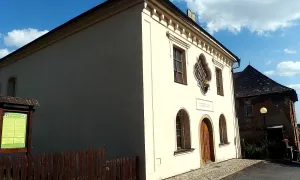
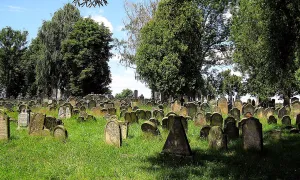
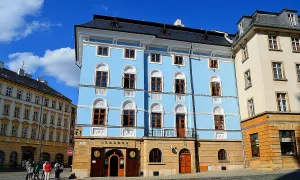
Real photos taken near the monument


Zdroj a licence jsou uvedeny u každého snímku.
Tips from visitors
No tips yet. Be the first!
Log in and add your tip.
Sources and literature
Fotografie: Martin Vavřík / Public domain — Wikimedia Commons. The author and licence also appear when you hover over the image.
Faktickým podkladem tohoto textu byl článek na Wikipedii, jehož autory jsou přispěvatelé Wikipedie. Článek je dostupný pod licencí CC BY-SA 4.0.
Location on the map
Příběhy a pověsti
Legendy, pověsti a příběhy spjaté s touto památkou
Fotografie návštěvníků
Zatím žádné fotografie. Buďte první, kdo přidá fotografii z návštěvy!
Přihlaste se a přidejte svou fotografii nebo hodnoťte.
Za ověřenou návštěvu v aplikaci získáte víc bodů — poznáme podle GPS, že jste na místě.
Reviews and comments