






Kostel svatého Jiří (Bludov) Church
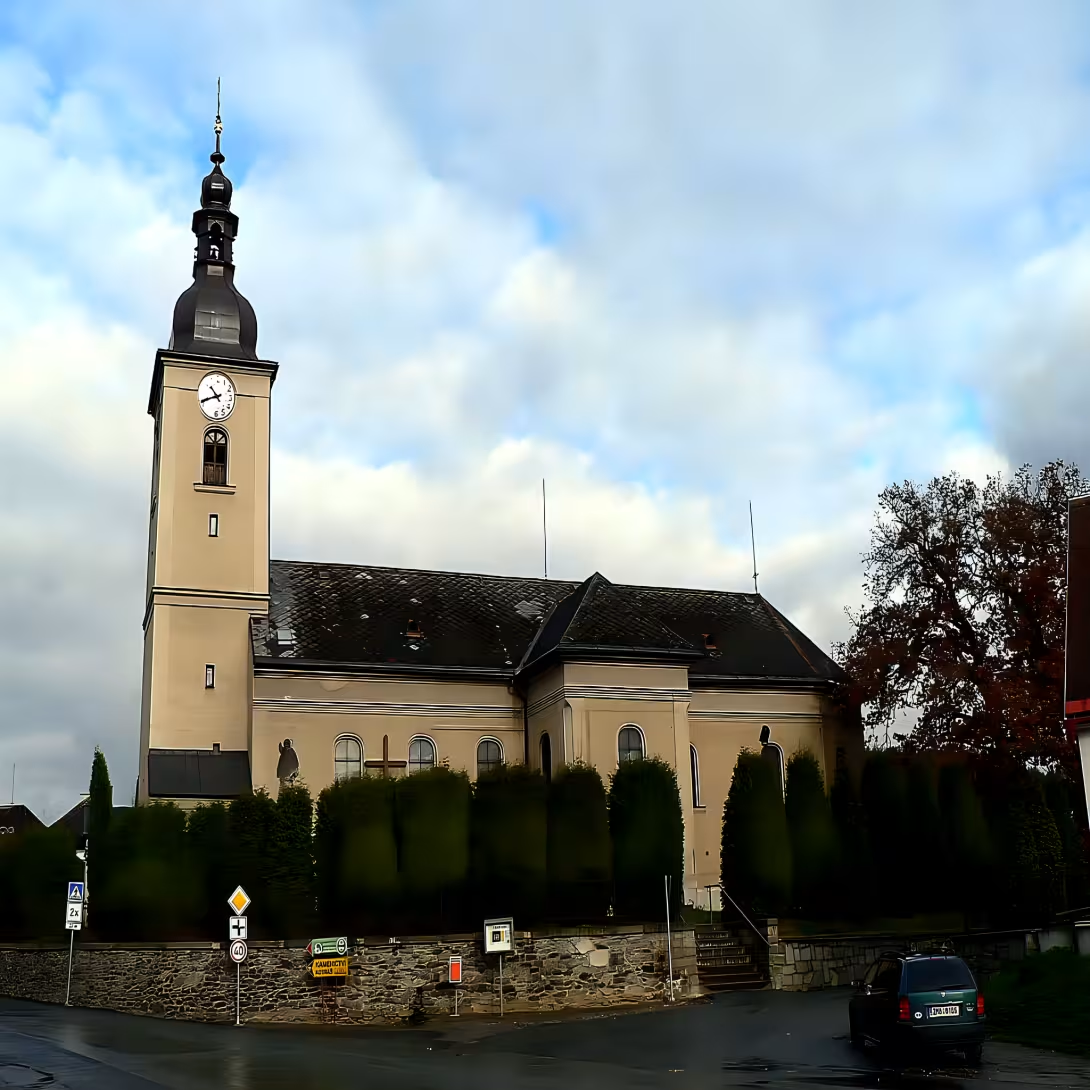
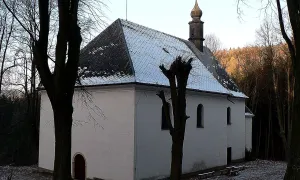
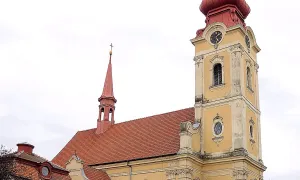
The Church of Saint George in Bludov stands as a testament to architectural evolution from medieval origins to its current baroque form. Located in the village of Bludov within the Olomoucký kraj region, this historical monument is notable for its rich history and artistic significance. Originally built before 1350 as a wooden structure dedicated to Saint George the Martyr, it has undergone several transformations reflecting broader religious and cultural shifts over the centuries.
The church's origins trace back to when Bohemia was part of the Holy Roman Empire, experiencing significant religious and political changes. The original wooden church, constructed before 1350, met its demise in the 15th century, giving way to a smaller stone structure without a tower. This transition marked the beginning of architectural modifications that would shape the church's identity over time.
The baroque transformation between 1764 and 1768 introduced significant changes, including side galleries and a heightened bell tower reaching 19 meters. These renovations were part of broader efforts to reassert Catholicism across Europe following the Protestant Reformation. The church's interior was enriched with notable artworks, such as a main altar depicting Saint George slaying the dragon, and ceiling paintings executed using a unique 'industrial fresco' technique.
Further modifications occurred in the 19th century, particularly between 1837 and 1838, when the church underwent radical reconstruction. This period saw the expansion of the nave by three bays to the east, the transformation of the original sacristy into a chapel, and the addition of a side chapel with an oratory on the opposite side. The church was solemnly reconsecrated in 1838 after these extensive changes.
The church's architectural elements reflect its historical journey. It features a single-nave hall structure oriented eastward, with a semi-circular closure at the eastern end. A sacristy is attached to the building's longitudinal axis, housing the Žerotín family crypt beneath it. The western part of the nave includes a deep music gallery supported by Tuscan columns, and the façade is adorned with an Ionic columned bell tower.
The church also houses several historically significant artifacts, including a bell from 1599 cast by Jan Wolf of Olomouc, making it one of its oldest treasures. The Žerotín family crypt, established between 1837 and 1838, serves as the final resting place for notable figures such as Karl Starší ze Žerotína (1564-1636), a prominent member of the Žerotín lineage.
Today, the Church of Saint George in Bludov remains an accessible site that offers visitors a glimpse into its storied past. Its blend of medieval and baroque elements, coupled with its rich historical context, makes it a compelling destination for those interested in architectural history and religious heritage. Visitors are invited to explore this monument, where each element tells a story of transformation and resilience through the ages.
Then and now
Drag the slider to compare how the landmark may have looked when it was built with the view today.
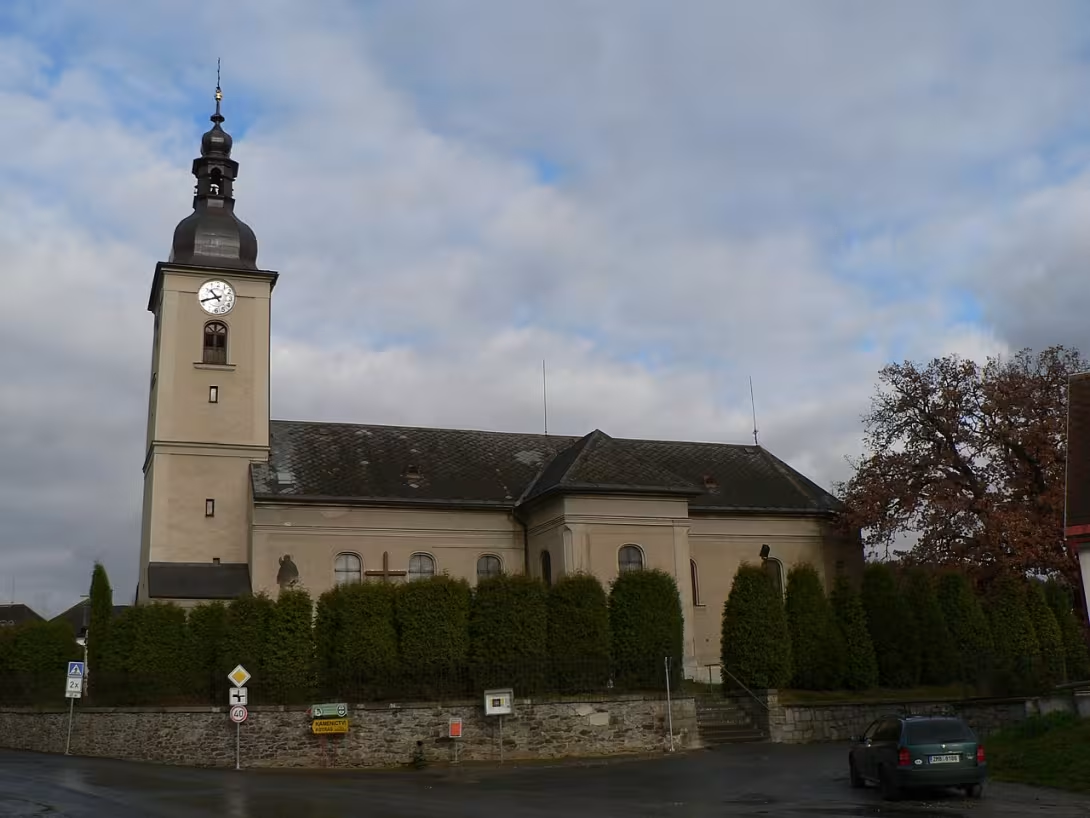
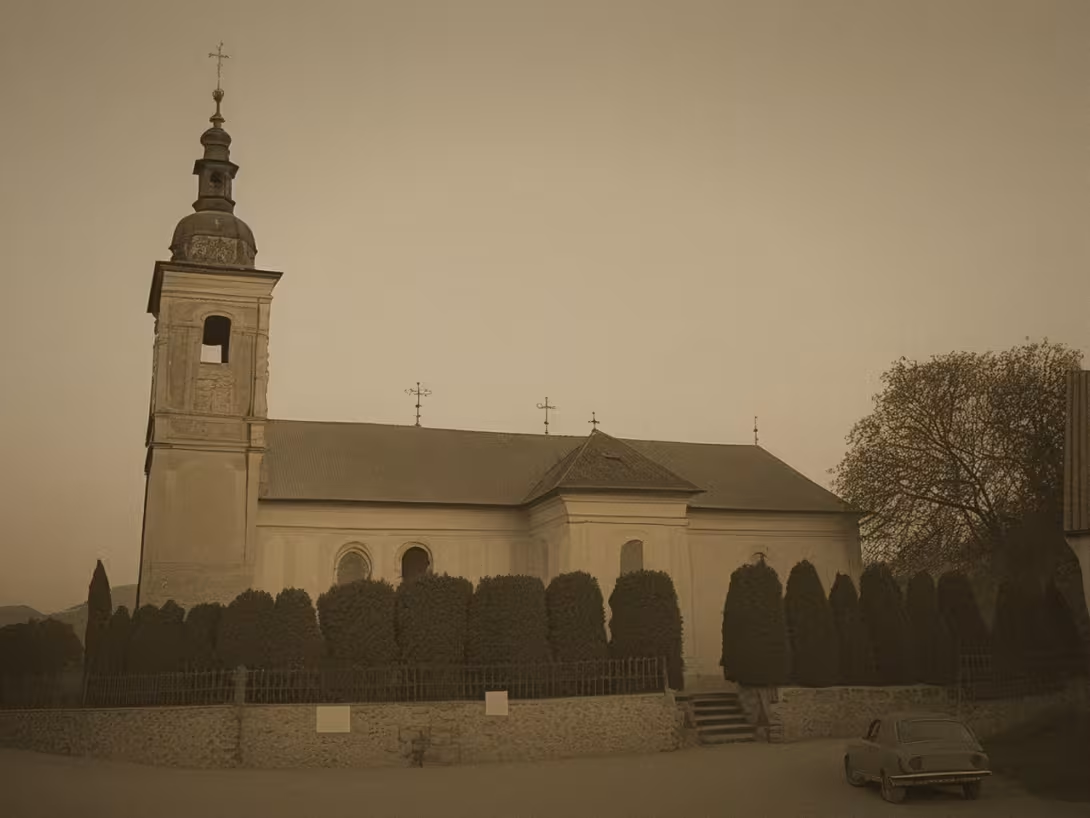
The historical appearance on the left is an AI-generated visualisation and serves as inspiration only.
Historical milestones
- před 1350
- Původní dřevěný kostel svatého Jiří postaven.
- 15. století
- Dřevěný kostel zničen, nahrazen menším kamenným kostelem bez věže.
- 1764-1768
- Barokní přestavba s galeriemi a vyšší věží provedena.
- 1837-1838
- Radikální rekonstrukce, rozšíření lodě a založení Žerotínova rodinného hrobu.
Architectural development
The Church of Saint George has undergone several architectural phases. Initially built as a wooden structure before 1350, it was replaced by a stone church in the 15th century. The baroque transformation between 1764-68 introduced significant changes such as side galleries and a taller bell tower. Further modifications occurred in the 19th century, including expansions and interior redesigns.
Historical events
The original wooden church was replaced by a stone structure in the 15th century.
Radical reconstruction occurred between 1837-1838, expanding and altering the church's layout.
Points of interest
- The Church of Saint George's transition from a wooden structure to a stone building without a tower in the 15th century reflects broader architectural trends and religious shifts during that period, highlighting how local changes were influenced by larger European transformations.
- One intriguing aspect of the church is its use of the 'industrial fresco' technique for ceiling paintings, which was an innovative method at the time. This technique allowed for more efficient creation of large-scale artworks, reflecting advancements in artistic practices during the baroque period.
Guide
This guide is narrated by a synthetic voice generated by artificial intelligence.
Show guide text
This text was created by artificial intelligence and has not been editorially reviewed. It may contain inaccuracies.
Welcome to the Church of Saint George in Bludov, a remarkable testament to architectural evolution and historical significance nestled within this serene locale. As you stand before it, take a moment to absorb its majestic presence—a harmonious blend of history and artistry that has withstood the test of time.
The origins of this sacred site trace back to a humble wooden structure dedicated to Saint George the Martyr, erected before 1350. Imagine the early settlers gathering here, their lives intertwined with the rhythms of nature and faith. However, as centuries passed, so too did the church's form, reflecting broader architectural trends and religious shifts. By the 15th century, this original wooden edifice was replaced by a smaller stone building without a tower—a decision that speaks volumes about the era’s changing priorities and resources.
As you gaze upon the current structure, notice its baroque elegance, a transformation undertaken between 1764 and 1768. This renovation introduced galleries and a more prominent tower, infusing the church with an air of grandeur and sophistication. The intricate details of this period are evident in every curve and corner, inviting you to appreciate the craftsmanship that has been preserved through generations.
The Church of Saint George also holds stories woven into its very fabric. One such narrative involves Karel Starší ze Žerotína, a historical figure whose influence is etched into the church’s legacy. Between 1837 and 1838, under his guidance, the church underwent radical reconstruction. This period saw an expansion of the nave and the establishment of the Žerotín family crypt—a testament to their enduring connection to this sacred space.
Now, let your curiosity be piqued by a fascinating aspect of this monument: its journey from a simple wooden structure to a stone edifice without a tower in the 15th century. This transition mirrors broader architectural trends and religious shifts during that period, highlighting how local changes were influenced by larger European transformations. It's an intriguing reflection on adaptability and resilience.
As you continue your exploration of this historic site, allow yourself to be enveloped by its atmosphere—a blend of history, spirituality, and artistry. Each step within its vicinity offers a new perspective, inviting deeper contemplation and appreciation.
Thank you for joining us on this journey through time at the Church of Saint George in Bludov. We hope it has inspired you to delve further into its rich tapestry of stories and architectural marvels. Until next time, may your explorations be filled with wonder and discovery.
Tips for visitors
The best time to visit the Church of Saint George in Bludov is during late spring or early autumn, when the weather is pleasant for walking around the church grounds and exploring its architectural details without the crowds that summer can bring. The lighting during these times also enhances the beauty of the baroque elements, making it ideal for photography enthusiasts.
Parking near the Church of Saint George in Bludov might be limited due to its location in a smaller locality. Visitors are encouraged to use public transportation or park at nearby larger towns and walk from there. Checking current transport options online before your visit will ensure a smooth journey to this historical site.
When visiting, it's advisable to bring comfortable walking shoes as you'll likely explore the surrounding area of Bludov. A camera is recommended for capturing the intricate details of the church’s architecture. Additionally, bringing along a small water bottle and some snacks can make your visit more enjoyable, especially if exploring nearby attractions.
For photography enthusiasts, early morning or late afternoon provides the best natural light to capture the Church's baroque features without harsh shadows. The western facade is particularly striking during sunset hours. Exploring inside, the interior offers a variety of angles for capturing its historical essence and architectural beauty.
Within 30 minutes from Bludov, visitors can explore other interesting sites that complement their visit to the Church of Saint George. These include local nature trails offering scenic views and opportunities for outdoor activities. Such excursions are perfect for families looking to combine cultural visits with leisure time in nature.
Businesses nearby
Do you run a restaurant, accommodation, shop, museum, rental, wellness or other visitor service near this monument? Show yourself directly to the people heading to it — this is how they will see you in the app and on the web:
Events nearby

Zdroj akcí: otevřená data měst a obcí ČR (Národní katalog otevřených dat) a kalendář akcí Národního památkového ústavu.
Accommodation nearby
Themed route
Thematic Walking Tour: Discovering Bludov and the Church of St. George
1. Church of St. George (Bludov) - Church Begin your journey at the heart of Bludov with a visit to the Church of St. George, an architectural gem that stands as a testament to the region's rich history and cultural heritage. This church, known for its stunning Baroque architecture, offers visitors a glimpse into the past with its beautifully preserved interior and historical significance.
2. Bludov Village Square - Public Space After exploring the church, take a leisurely stroll to the nearby Bludov Village Square. This charming square serves as the social hub of Bludov, where you can immerse yourself in local life. The area is perfect for soaking up the atmosphere, with its quaint buildings and inviting cafes that offer a taste of traditional Moravian hospitality.
3. Local Craftsmen's Workshops - Cultural Experience Continue your exploration by visiting the local craftsmen's workshops scattered around Bludov. These workshops provide an opportunity to witness the region's artisanal traditions firsthand. Engage with skilled artisans who continue to practice age-old crafts, offering insights into their techniques and the cultural significance of their work.
4. Bludov Historical Museum - Cultural Site Conclude your tour at the Bludov Historical Museum, located within walking distance from the village square. This museum showcases a rich collection of artifacts that narrate the history of Bludov and its surrounding areas. It's an ideal place to deepen your understanding of the local heritage, with exhibits ranging from historical documents to traditional costumes.
This tour offers a comprehensive experience of Bludov, highlighting its architectural beauty, cultural richness, and vibrant community life.
Seasonal recommendations
Spring: Visiting the Church of Saint George in Bludov during spring offers a unique experience as nature awakens around this historic site. The blooming flowers and fresh greenery create a vibrant backdrop, enhancing the church's architectural beauty with natural light filtering through budding leaves. This season is ideal for capturing picturesque views without large crowds, making it perfect for photography enthusiasts or those seeking tranquility. Visitors should wear comfortable layers to accommodate the variable temperatures typical of spring mornings and afternoons.
Summer: Summer at the Church of Saint George in Bludov brings long daylight hours that illuminate the church's intricate details, allowing visitors to fully appreciate its architectural splendor. The warm weather encourages outdoor exploration around the church, with lush surroundings providing a serene atmosphere for leisurely walks. However, this is also the peak tourist season; arriving early can help avoid crowds and ensure a more relaxed visit. Light clothing and sun protection are recommended to comfortably enjoy the sunny days.
Autumn: Autumn transforms the Church of Saint George in Bludov into a picturesque scene with its warm hues reflecting off the historic stone façade. The crisp air and falling leaves create an enchanting atmosphere, perfect for those who appreciate the beauty of changing seasons. This period often sees fewer visitors, offering a quieter experience to explore the church's history at your own pace. Layered clothing is advisable as temperatures can vary significantly between morning chills and afternoon warmth.
Winter: Winter visits to the Church of Saint George in Bludov offer a magical experience with snow-covered grounds that add a serene, almost mystical quality to the historic site. The shorter days mean that lighting conditions change rapidly, providing unique photographic opportunities at sunrise or sunset. Visitors should be prepared for colder temperatures and potentially limited access if heavy snowfall occurs, as opening hours might be adjusted accordingly. Warm clothing and sturdy footwear are essential to comfortably navigate the winter landscape.
Visualizations and artistic views


The visualisations are generated by artificial intelligence and serve as inspiration.
Atmosphere of the place
This atmospheric visualisation of the place and period was generated by artificial intelligence. It is not real footage of the location.
Tips from visitors
No tips yet. Be the first!
Log in and add your tip.
Sources and literature
Fotografie: Martin Vavřík / Public domain, rozlišení zvýšeno umělou inteligencí — Wikimedia Commons. The author and licence also appear when you hover over the image.
Faktickým podkladem tohoto textu byl článek na Wikipedii, jehož autory jsou přispěvatelé Wikipedie. Článek je dostupný pod licencí CC BY-SA 4.0.
Location on the map

Příběhy a pověsti
Legendy, pověsti a příběhy spjaté s touto památkou

Fotografie návštěvníků
Zatím žádné fotografie. Buďte první, kdo přidá fotografii z návštěvy!
Přihlaste se a přidejte svou fotografii nebo hodnoťte.
Za ověřenou návštěvu v aplikaci získáte víc bodů — poznáme podle GPS, že jste na místě.
Reviews and comments