



Kostel svatého Josefa (Dubenec) Church
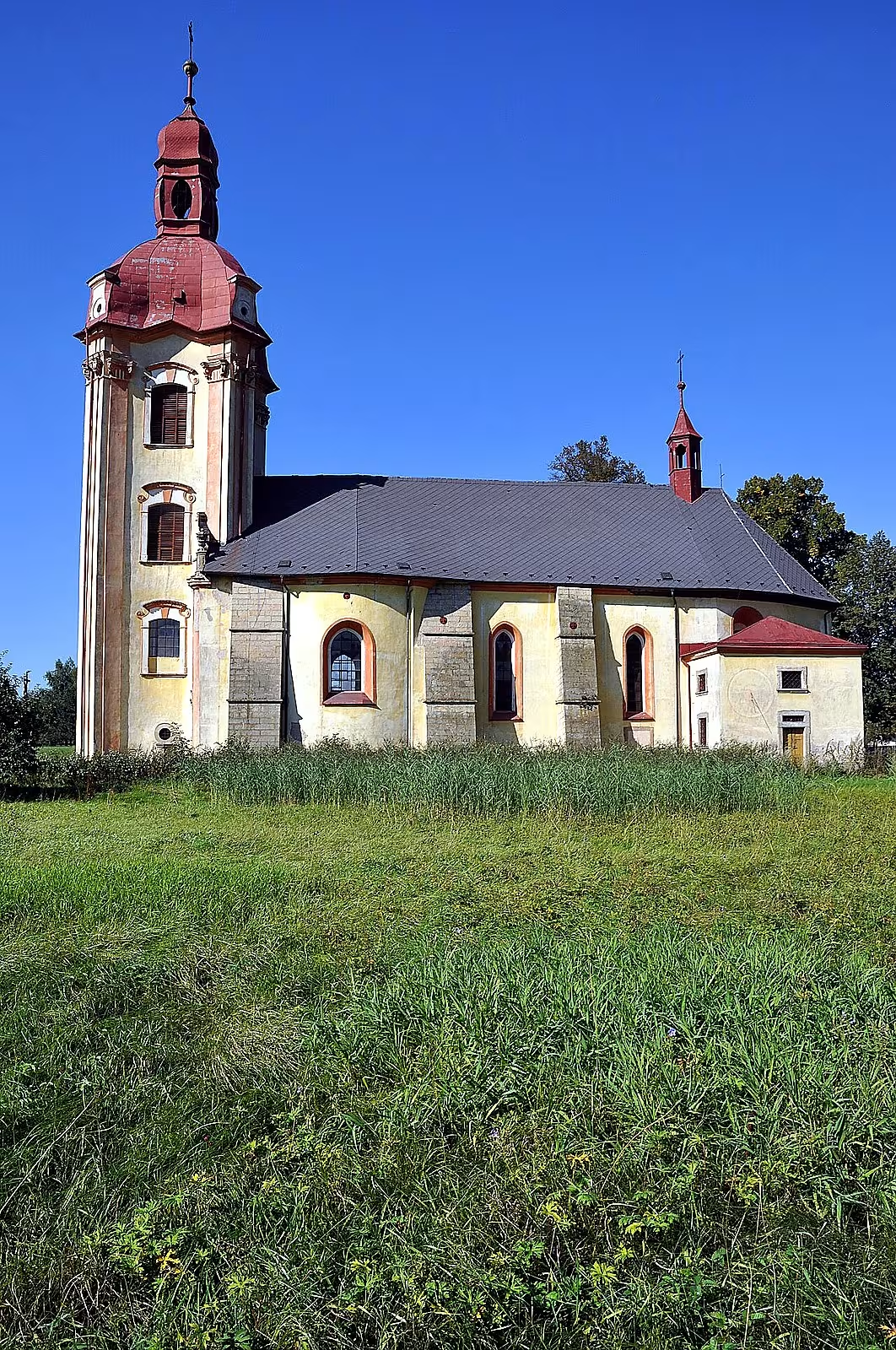
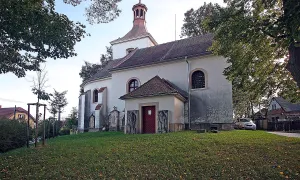
The Church of Saint Joseph in Dubenec is a Roman Catholic filial church with historical significance as a former parish church. Situated in the village of Dubenec within the Královéhradecký kraj region, this architectural gem dates back to its original foundation in 1343 and has been designated a cultural monument of the Czech Republic. Its history reflects significant religious and political changes, including damage during the Hussite Wars and Swedish invasions, culminating in its current baroque form established between 1736 and 1738.
The church's origins trace back to 1343 when it was founded by Hynk z Náchoda and dedicated to Saint Wenceslas. Over time, it underwent several transformations due to historical events such as the Hussite Wars, which necessitated its reconstruction around 1600. The baroque structure we see today began construction in 1736, incorporating remnants of the older church, and was completed by 1738. This period marked a significant architectural evolution influenced by broader European trends during the 17th century's religious and political upheavals.
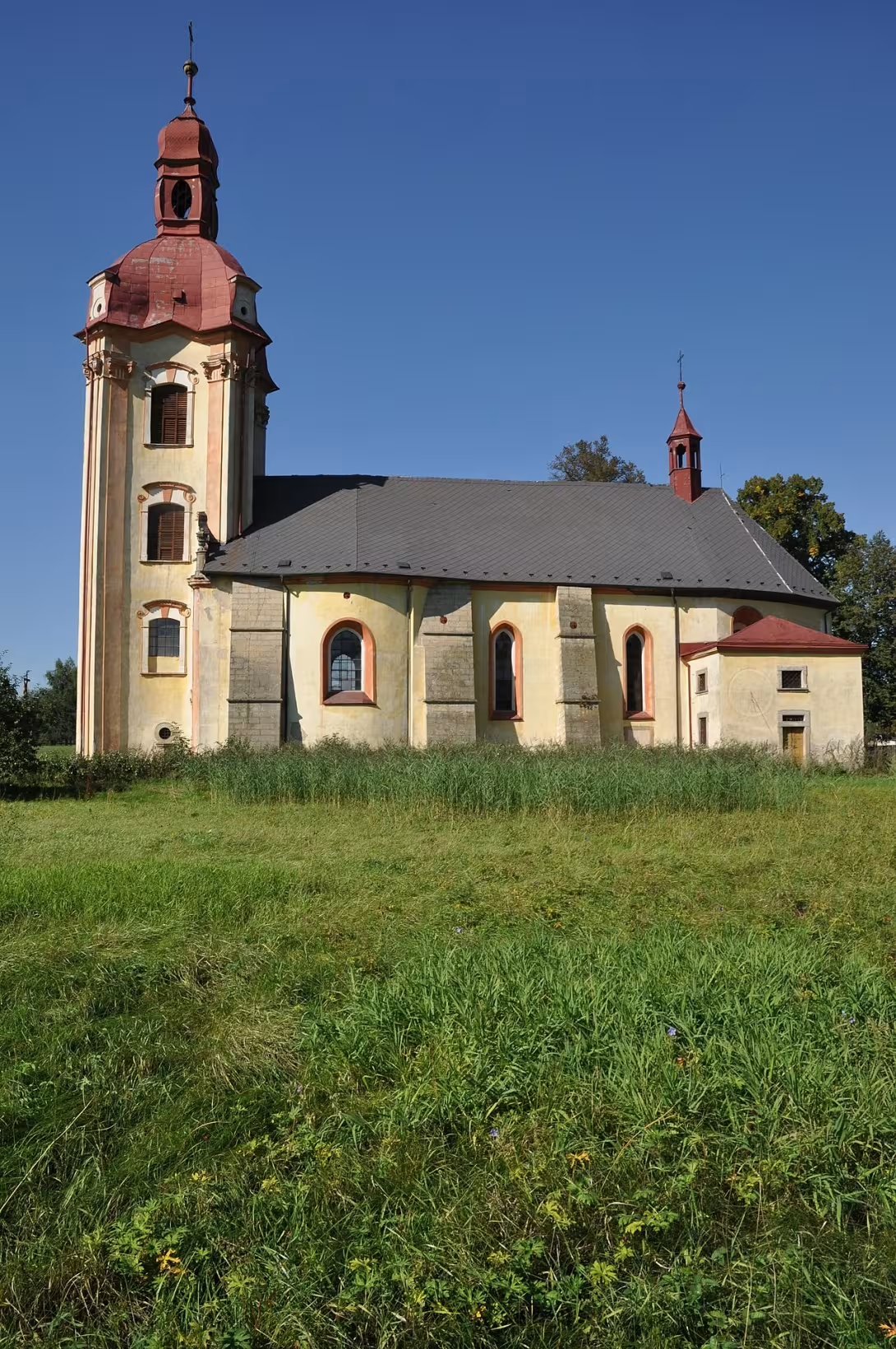
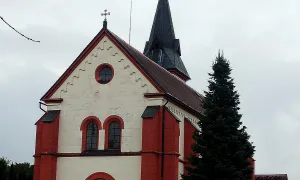
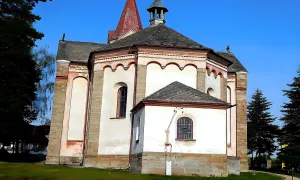
Architecturally, the Church of Saint Joseph is characterized by its baroque style, featuring a single-nave orientation with an irregular floor plan. The structure is supported by three pairs of unfluted pilasters that widen upwards, adding to its distinctive aesthetic. Notable elements include pseudo-Ionian pilastry at the corners and a semi-circular closure on the western portal. The church's roof is valový taškový, with a hranolová tower that has skosené walls at the bulges. Internally, it houses a significant piece of art: a sculpture of the Holy Family from 1740 on the main altar, likely the last major work by Jiří František Pacák, a prominent Jesuit sculptor.
Throughout its history, the church has seen various administrators and owners. Initially under the patronage of Přibík, a knight who owned the Dubenec estate, it later came under the influence of the Jesuits from Žirčí around 1660. Their involvement was crucial in the church's renovation and artistic embellishments during that period.
Key events in the church's history include its damage during the Swedish invasions in 1645 and subsequent renovations by the Jesuits, which contributed to its current form. These historical episodes highlight the resilience of the structure amidst regional conflicts and religious shifts.
Today, the Church of Saint Joseph is maintained by the local municipality and serves as a venue for services held by the Greek Catholic Church every other Saturday at 15:30. Its preservation as a cultural monument underscores its importance not only to the local community but also to visitors interested in exploring Czech history and baroque architecture. The church's rich past, combined with its architectural beauty, makes it a worthwhile destination for those keen on understanding the historical tapestry of Dubenec.
The Church of Saint Joseph stands as a testament to the enduring legacy of religious and cultural evolution in the region. Its preservation allows visitors to connect with the historical narratives that have shaped this part of the Czech Republic. For anyone interested in history, architecture, or spirituality, a visit to this remarkable site offers an enriching experience that bridges past and present.
Then and now
Drag the slider to compare how the landmark may have looked when it was built with the view today.
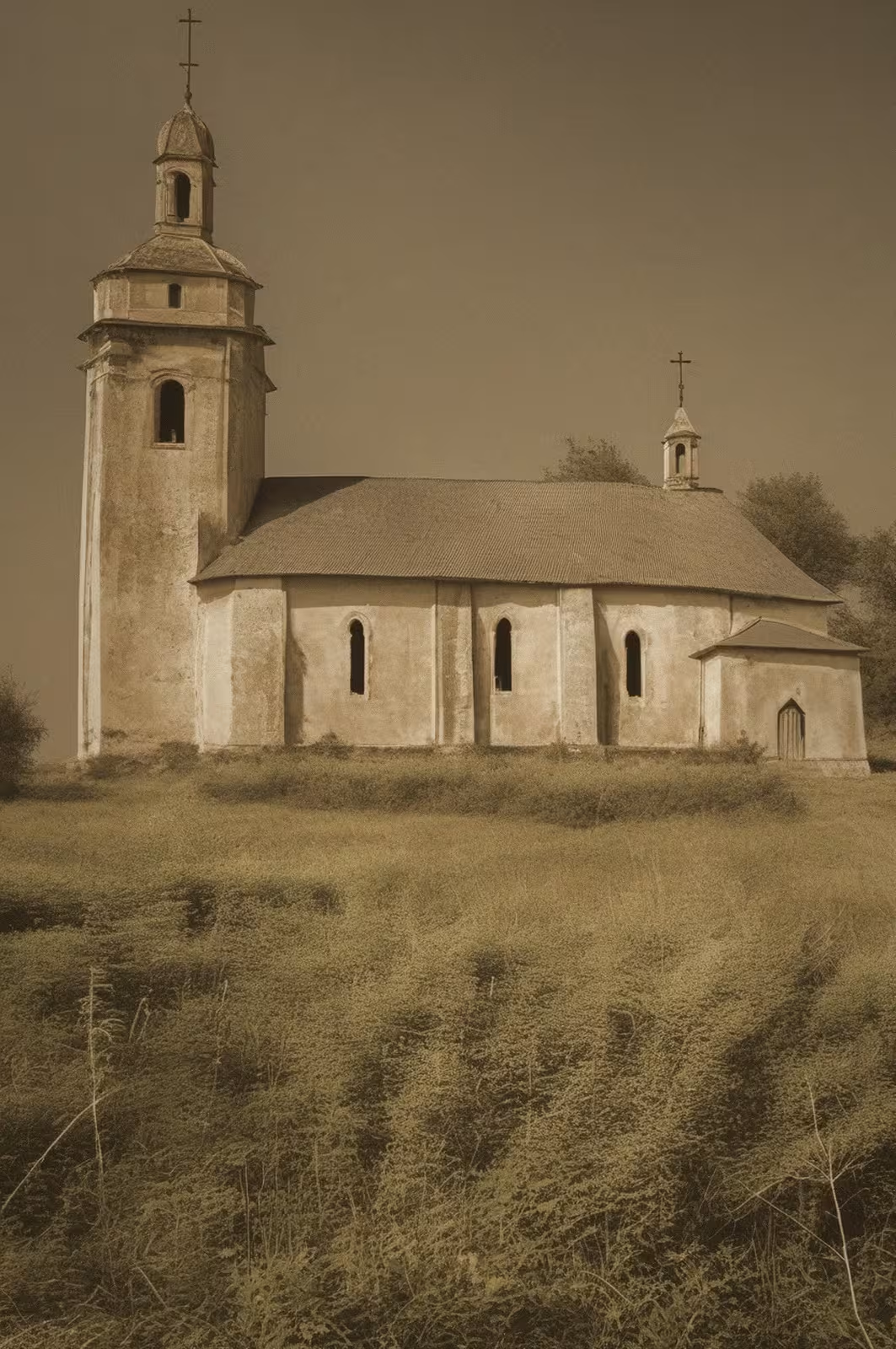
The historical appearance on the left is an AI-generated visualisation and serves as inspiration only.
Historical milestones
- 1343
- Original church founded and dedicated to Saint Wenceslas.
- 1600
- Church rebuilt after damage during the Hussite Wars.
- 1645
- Church damaged by Swedish invasions.
- 1660
- Jesuits from Žirčí took over Dubenec and contributed to church renovations.
Architectural development
The original church was rebuilt around 1600 after damage in the Hussite Wars. The current baroque structure began construction in 1736 and was completed in 1738, incorporating parts of the older building. It features a single-nave orientation with an irregular floor plan, supported by three pairs of unfluted pilasters that widen upwards.
Historical events
1343: Original church founded by Hynk z Náchoda and dedicated to Saint Wenceslas.
1645: Church damaged during Swedish invasions.
1660: Jesuits from Žirčí took over Dubenec, contributing to the church's renovation.
Points of interest
- The Church of Saint Joseph was originally dedicated to Saint Wenceslas in 1343 before being rededicated to Saint Joseph, reflecting the fluidity and evolution of religious dedications over centuries.
- Despite its baroque transformation between 1736 and 1738, the church incorporates remnants from its previous structures, showcasing a unique blend of architectural styles that narrate its turbulent past.
- The sculpture of the Holy Family on the main altar is likely the last major work by Jiří František Pacák, an influential Jesuit sculptor whose contributions significantly shaped the artistic landscape of the church during his time.
- During the Swedish invasions in 1645, the church suffered damage but was later renovated under the guidance of the Jesuits from Žirčí, highlighting their pivotal role in preserving and enhancing its structure amidst regional conflicts.
- The Church of Saint Joseph is now maintained by the local municipality and serves as a venue for services held by the Greek Catholic Church every other Saturday at 15:30, illustrating its continued relevance and adaptability to contemporary religious practices.
Guide
This guide is narrated by a synthetic voice generated by artificial intelligence.
Show guide text
This text was created by artificial intelligence and has not been editorially reviewed. It may contain inaccuracies.
Church of Saint Joseph in Dubenci is nowadays a Roman Catholic subsidiary church, but it used to be a parish church. It is protected as a cultural monument of the Czech Republic.
Its origins date back to the year 1343, when Hynek of Náchoda founded the original church. At that time it was dedicated to Saint Wenceslaus. The patron of the church was the owner of the Dubenci estate, knight Přibík. During the Hussite Wars, the church was damaged and around 1600 it had to be rebuilt. This building also did not have a peaceful fate. In 1645 it was damaged by the Swedes.
Around 1660, Jesuits from Žireč came to Dubenci and among other things they took care of a new vault of the church. Construction of today's church began in 1736 and incorporated remains of the older church. The tower and the enlargement of the church were completed in 1738.
It is a single-nave Baroque building of irregular ground plan. It is oriented, with the presbytery facing east. From the outside it is supported by three pairs of unplastered pillars that flatten towards the top. The walls are plastered and the roof is barrel-shaped, covered with tiles. In the facade stands a prismatic tower, which is chamfered at the places of the curved walls. At the corners are pilasters imitating the Ionic style, with sections of stone. The western portal is finished with a semicircle. From the north the presbytery is adjoined by a chapel of Saint Wenceslaus and from the south by a sacristy.
On the main altar stands a statue of the Holy Family from 1740. It is probably the last major work of Jiří František Pacák, the main sculptor of the Žireč Jesuits.
Today the church is cared for by the municipality. It is used for religious services only by the Greek Catholic Church.
Tips for visitors
The best time to visit the Church of Saint Joseph in Dubenec is during late spring or early autumn, when the weather is pleasant for walking and exploring the surrounding areas. These seasons offer mild temperatures and beautiful natural scenery, enhancing your experience as you explore this cultural monument. Additionally, visiting outside of peak tourist months can provide a quieter atmosphere, allowing for more personal reflection and appreciation of the church's architecture.
When visiting the Church of Saint Joseph, consider bringing comfortable walking shoes as there may be some uneven paths in the village. A camera is recommended for capturing the intricate details of the church's architecture and the serene landscapes around Dubenec. If you plan on staying longer or exploring nearby areas, a light jacket might also be useful due to variable weather conditions.
Photography enthusiasts will find several spots around the Church of Saint Joseph ideal for capturing stunning images. The best lighting is typically during the golden hours—shortly after sunrise and before sunset—when the natural light accentuates the church's features and surrounding landscapes. Additionally, exploring different angles from within the village can provide unique perspectives of this historical site.
For families with children visiting Dubenec, there are several nearby attractions to explore within a 30-minute drive or walk. The area offers picturesque countryside views that are perfect for leisurely walks or picnics. While specific family-oriented activities in Dubenec itself might be limited, the natural surroundings provide ample opportunities for outdoor fun and exploration.
Frequently asked questions
Can the monument be visited?
Religious buildings are usually open mainly during services; at other times a visit is normally arranged with the parish or the operator. We have not verified specific times.
Where is the monument?
Location: Dubenec, Královéhradecký kraj. The map on this page shows the exact spot.
Why is the monument protected?
It is listed in the Central List of Cultural Monuments of the Czech Republic as a cultural monument (register no. 14768/6-3474).
Businesses nearby
Do you run a restaurant, accommodation, shop, museum, rental, wellness or other visitor service near this monument? Show yourself directly to the people heading to it — this is how they will see you in the app and on the web:
Events nearby
Zdroj akcí: otevřená data měst a obcí ČR (Národní katalog otevřených dat) a kalendář akcí Národního památkového ústavu.
Accommodation nearby
Themed route
Tematická výletní trasa: Kostel svatého Josefa (Dubenec)
1. Kostel svatého Josefa, Dubenec - Typ: Náboženská památka - Proč stojí za návštěvu: Tento barokní kostel je nejen duchovním centrem obce, ale také architektonickou perli v regionu. Jeho bohatě zdobený interiér a historie přitahují návštěvníky z celého okolí.
2. Nádvoří kostela - Typ: Historický areál - Proč stojí za návštěvu: Nádvoří kolem kostela nabízí klidné chvíle pro relaxaci a refleksi. Je to ideální místo k procházce a poznání historického kontextu, ve kterém se kostel nachází.
3. Věž kostela - Typ: Architektonický prvek - Proč stojí za návštěvu: Výhled z věže nabízí jedinečnou perspektivu na obec Dubenec a okolní krajinu. Je to nejen vizuální odměna, ale také příležitost prozkoumat historii a techniku stavby.
4. Kaple u kostela - Typ: Náboženský prvek - Proč stojí za návštěvu: Kaple je místo klidu a útulku, kde může každý najít chvilku pro soustředění nebo meditaci. Její historie a architektura přinášejí další vrstvy pochopení kostela svatého Josefa.
Tato trasa nabízí komplexní pohled na Kostel svatého Josefa v Dubencích, zahrnující jeho klíčové prvky a okolní areál.
Seasonal recommendations
Spring: Visiting the Church of Saint Joseph in Dubenec during spring offers a unique experience as nature awakens around the historic site. The surrounding landscape is adorned with blossoming trees and vibrant wildflowers, creating a picturesque setting that enhances the church's serene atmosphere. As daylight extends into the evenings, natural light beautifully illuminates the intricate architectural details of the church. Visitors are advised to wear layers to accommodate fluctuating temperatures typical of spring weather. While crowds can be manageable, arriving early in the morning is recommended to enjoy the site with fewer people and capture the soft morning light.
Summer: Summer at the Church of Saint Joseph provides a lively atmosphere as the warm weather invites outdoor exploration around Dubenec. The lush greenery surrounding the church offers ideal conditions for picnics or leisurely walks before or after visiting the site. With longer daylight hours, visitors can fully appreciate the church's details and enjoy extended time exploring the area. However, summer also brings larger crowds, especially during peak tourist season, so it is wise to arrive early in the morning to avoid long waits and ensure a more tranquil experience. Comfortable walking shoes and light clothing are recommended for navigating both the site and the surrounding natural beauty.
Autumn: Autumn at the Church of Saint Joseph presents a stunning display of fall foliage, with vibrant reds, oranges, and yellows creating a breathtaking backdrop that complements the historic architecture. The cooler temperatures make it an ideal time to explore without the summer heat, offering a more comfortable visit. As days begin to shorten, visitors can enjoy the warm hues of the setting sun casting a golden glow over the church. While crowds are generally lighter than in summer, planning your visit on weekdays can further enhance your experience by avoiding any residual tourist activity. Layered clothing is advisable to stay comfortable as temperatures can vary throughout the day.
Winter: Winter transforms the Church of Saint Joseph into a magical setting with snow-covered landscapes and festive decorations that create an enchanting atmosphere. The shorter days mean visits are best planned for midday when natural light is at its peak, highlighting the church’s architectural beauty against the crisp winter backdrop. Visitors should prepare for colder temperatures by dressing warmly in layers and wearing waterproof footwear to navigate potentially icy paths. The serene quietness of a winter visit offers a unique opportunity to appreciate the church’s tranquility amidst the stillness of the surrounding snow-covered scenery.
Visualizations and artistic views


The visualisations are generated by artificial intelligence and serve as inspiration.
Photos from the area
Real photos taken near the monument


Zdroj a licence jsou uvedeny u každého snímku.
Atmosphere of the place
This atmospheric visualisation of the place and period was generated by artificial intelligence. It is not real footage of the location.
Tips from visitors
No tips yet. Be the first!
Log in and add your tip.
Sources and literature
Photos: Jonáš Hájek / CC BY-SA 3.0 — Wikimedia Commons. The author and licence also appear when you hover over the image.
Faktickým podkladem tohoto textu byl článek na Wikipedii, jehož autory jsou přispěvatelé Wikipedie. Článek je dostupný pod licencí CC BY-SA 4.0.
Location on the map

Příběhy a pověsti
Legendy, pověsti a příběhy spjaté s touto památkou
Fotografie návštěvníků
Zatím žádné fotografie. Buďte první, kdo přidá fotografii z návštěvy!
Log in a přidejte svou fotografii nebo hodnoťte.
Za ověřenou návštěvu v aplikaci získáte víc bodů — poznáme podle GPS, že jste na místě.
Reviews and comments